




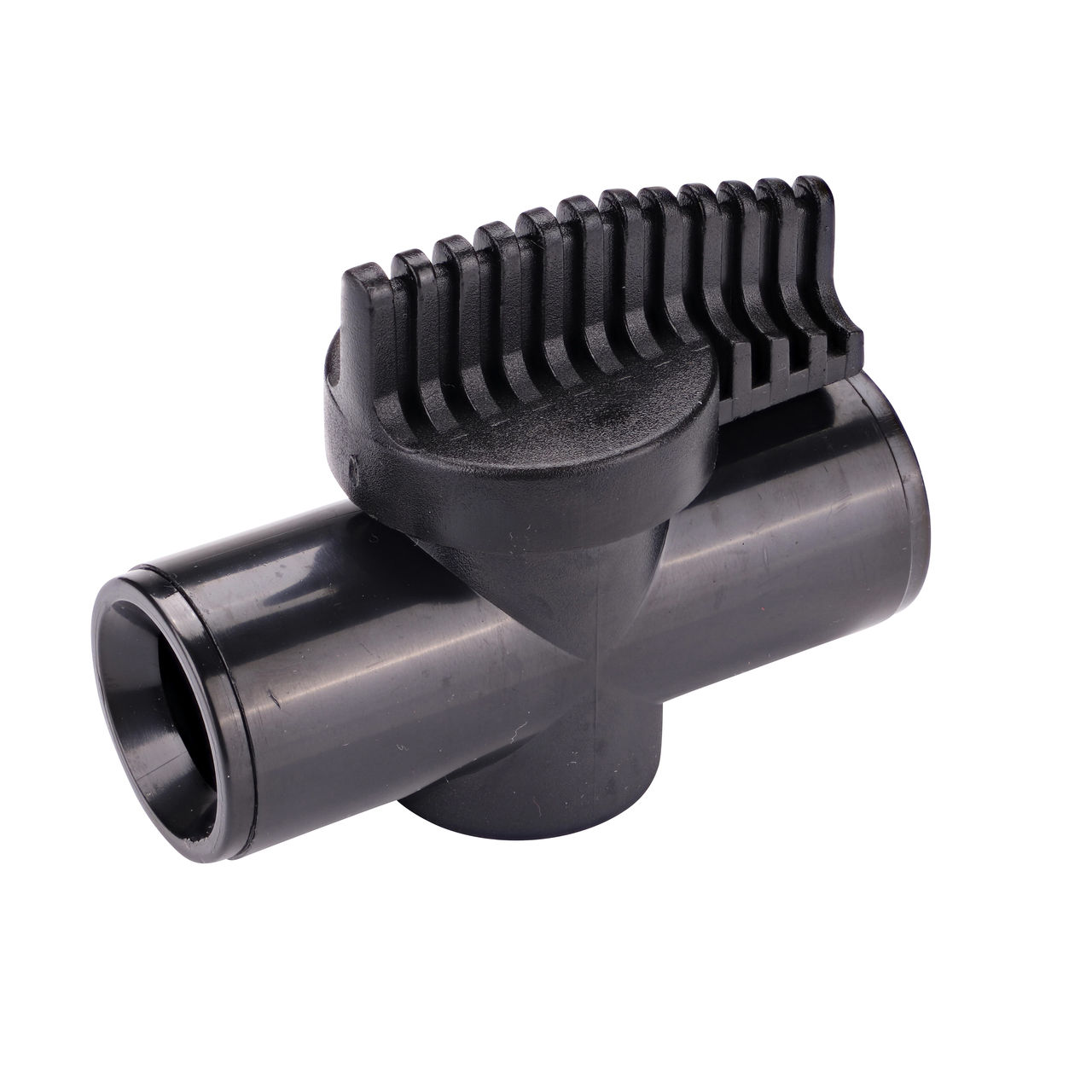
What Is a French Drain: How They Work + Install Guide
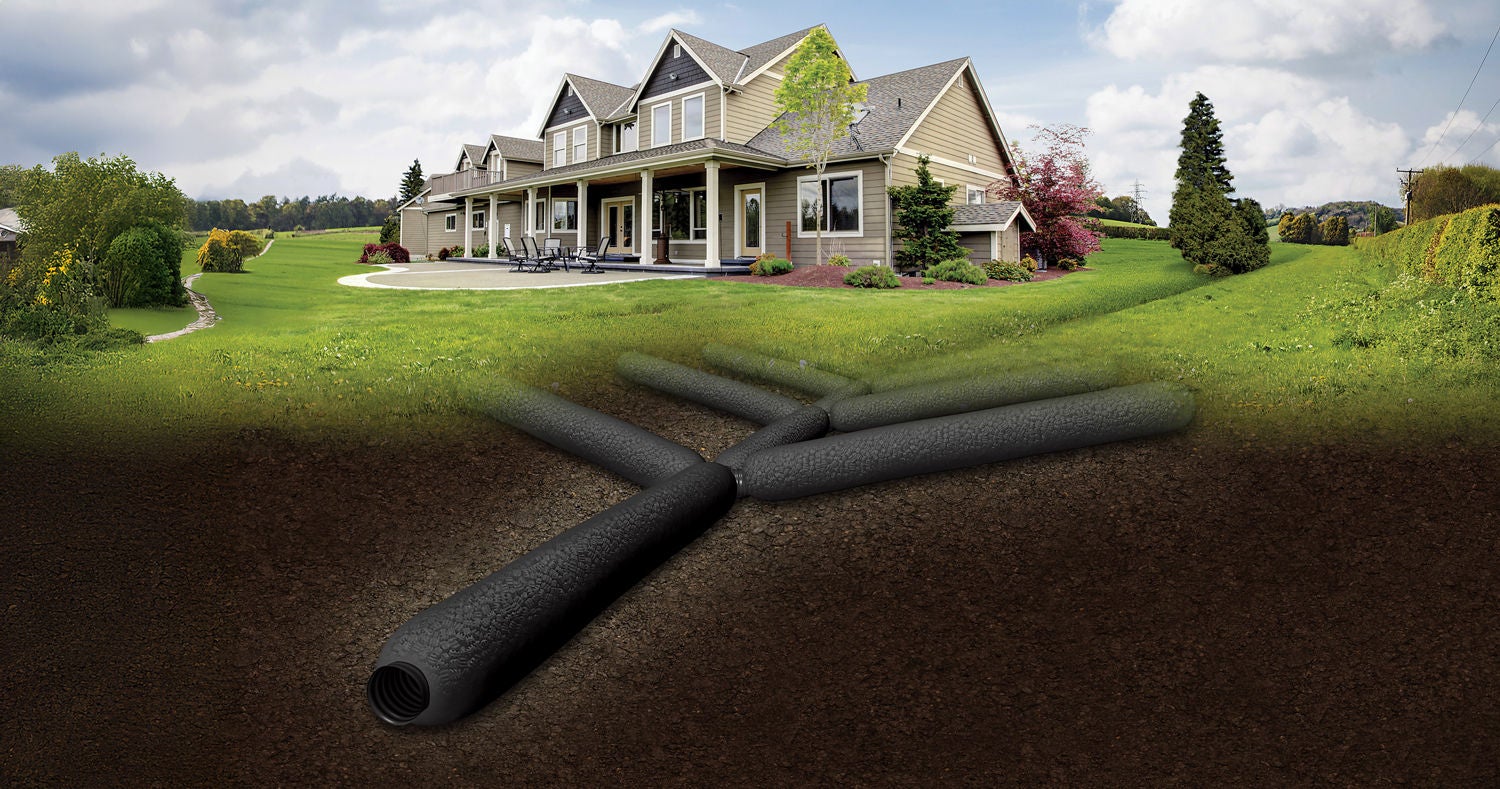
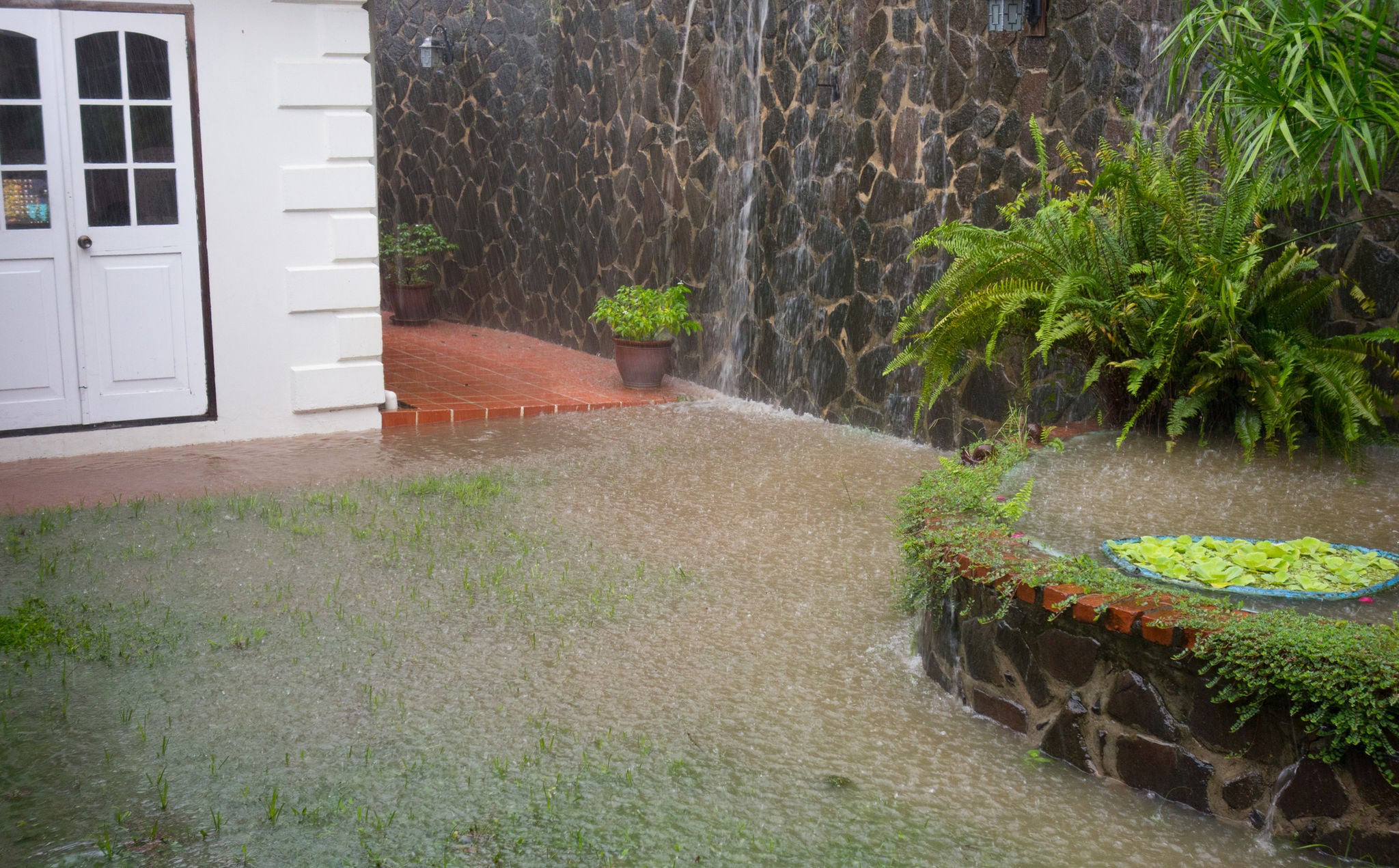
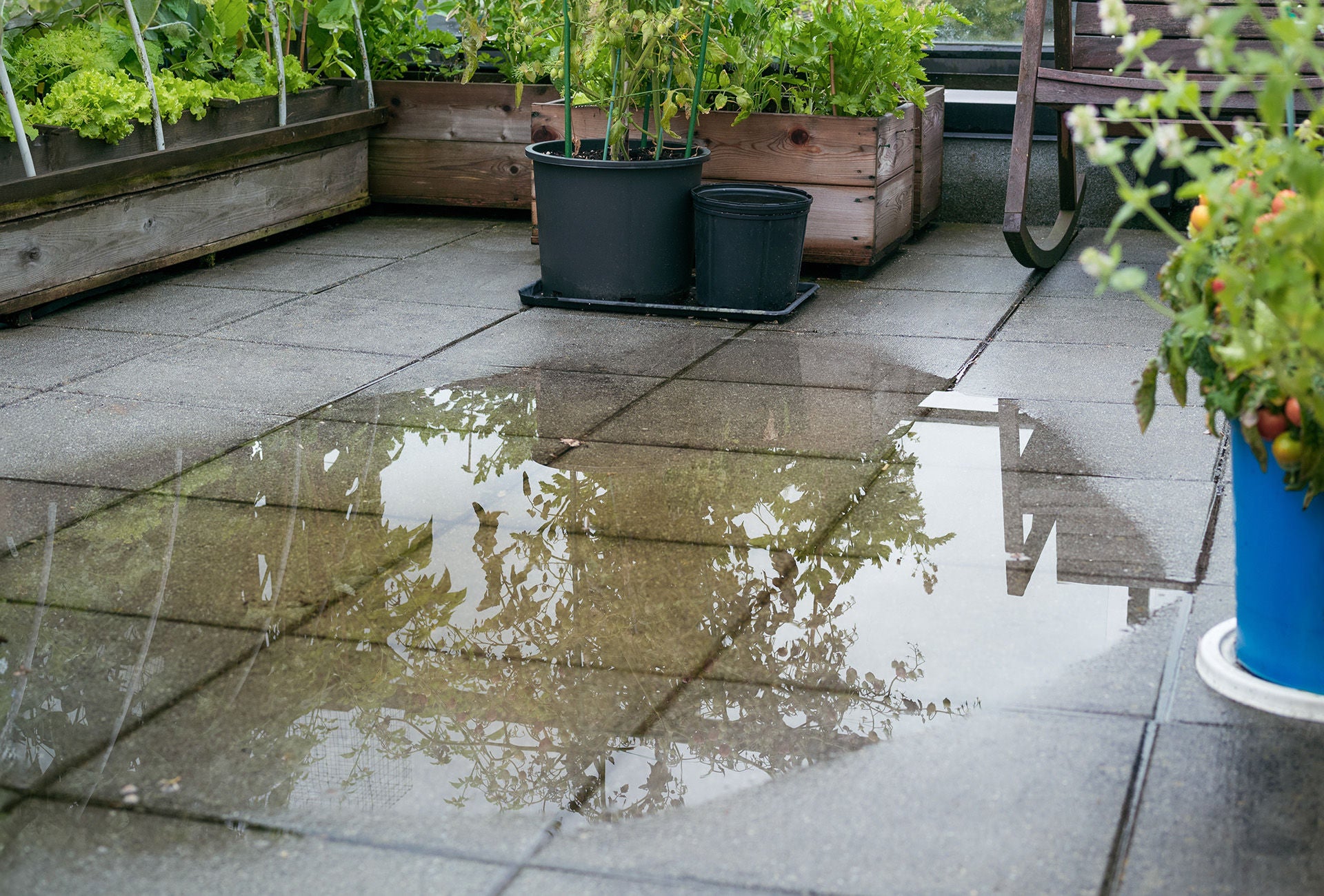
Struggling with standing water in your yard, frustrating basement leaks, or a lawn that just won’t dry out? These common problems can quickly turn into bigger headaches if not addressed. Thankfully, French drains offer a clever, tried-and-true way to manage unwanted water and help keep your property protected from damage.
In this guide, you’ll learn what French drains are, how they work, and ideal applications for them. We’ll also cover the costs, installation process, and maintenance tips to help you decide if a French drain is the right drainage system for your property.
What Is a French Drain?
A French drain is a simple yet effective solution for managing water runoff and preventing water damage to your property. Think of it as an underground channel designed to collect and redirect excess water away from areas where it can cause problems, such as your yard, driveway, or foundation.
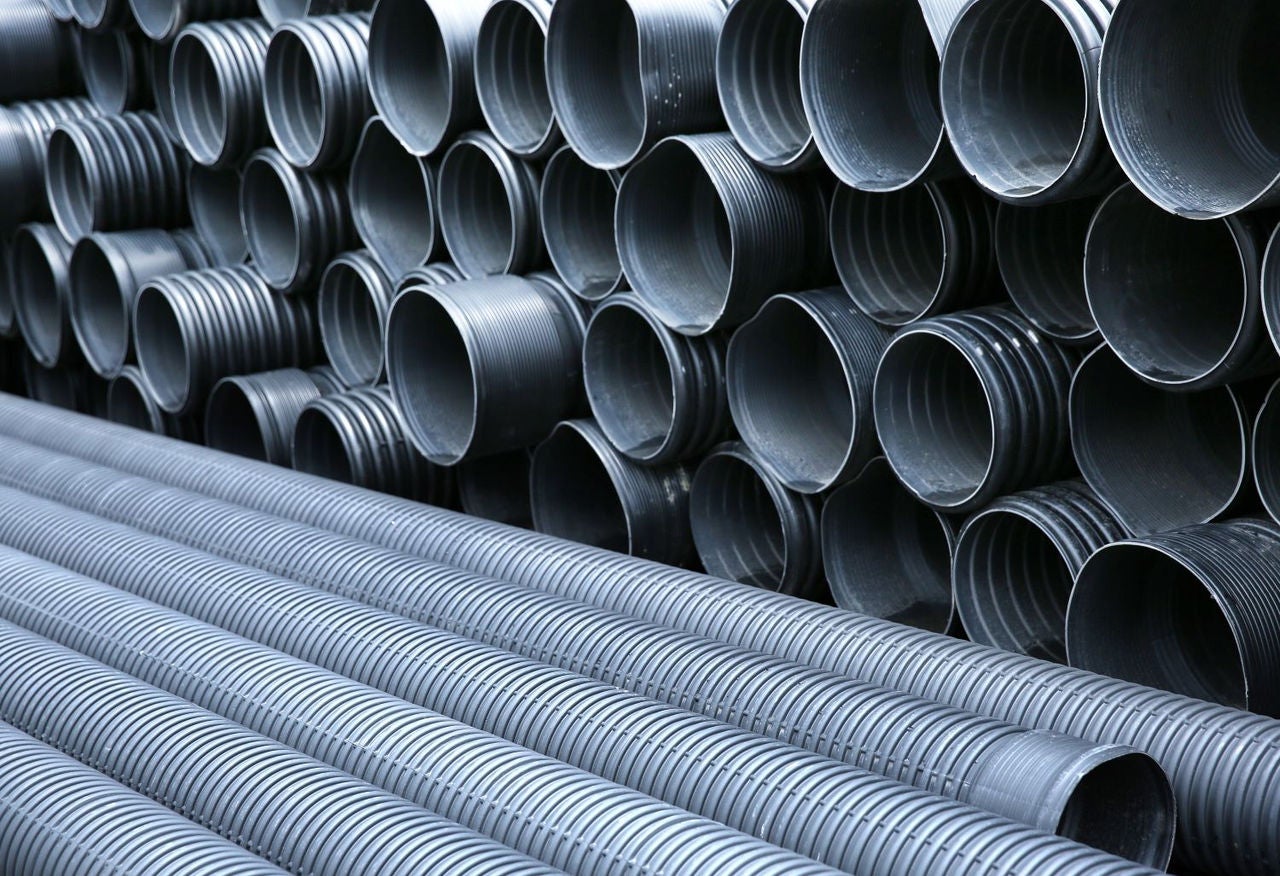
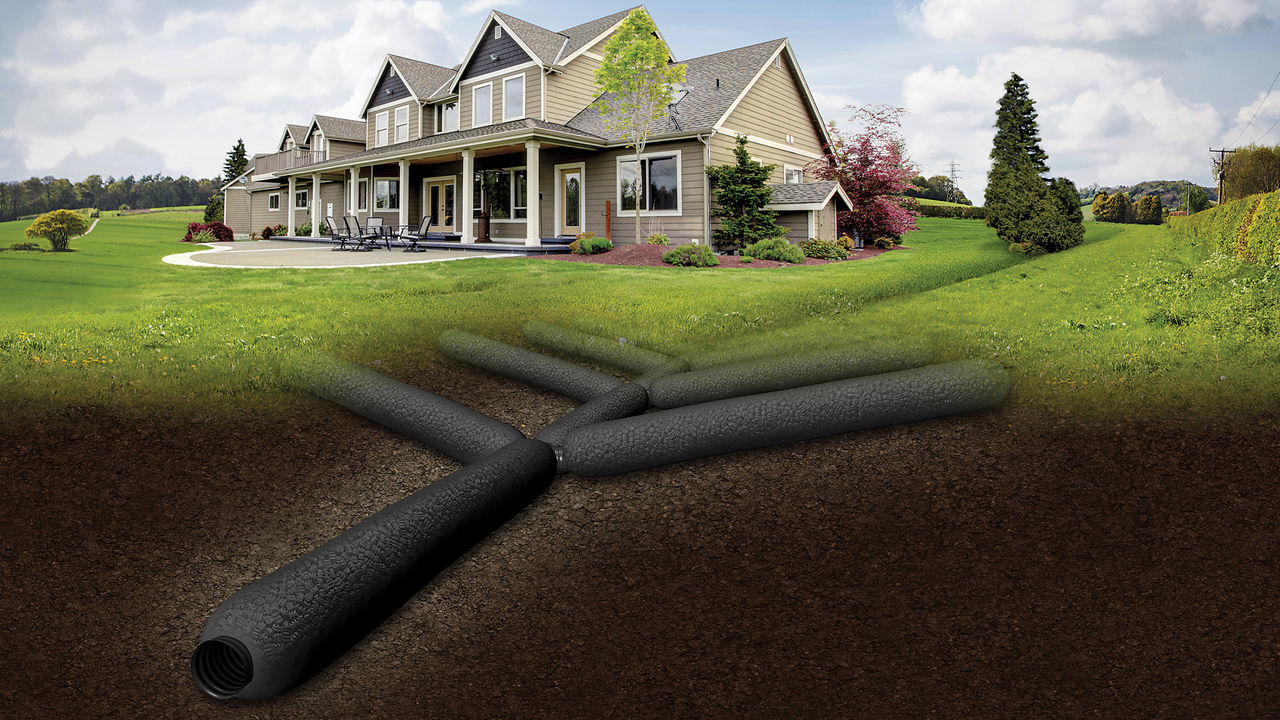
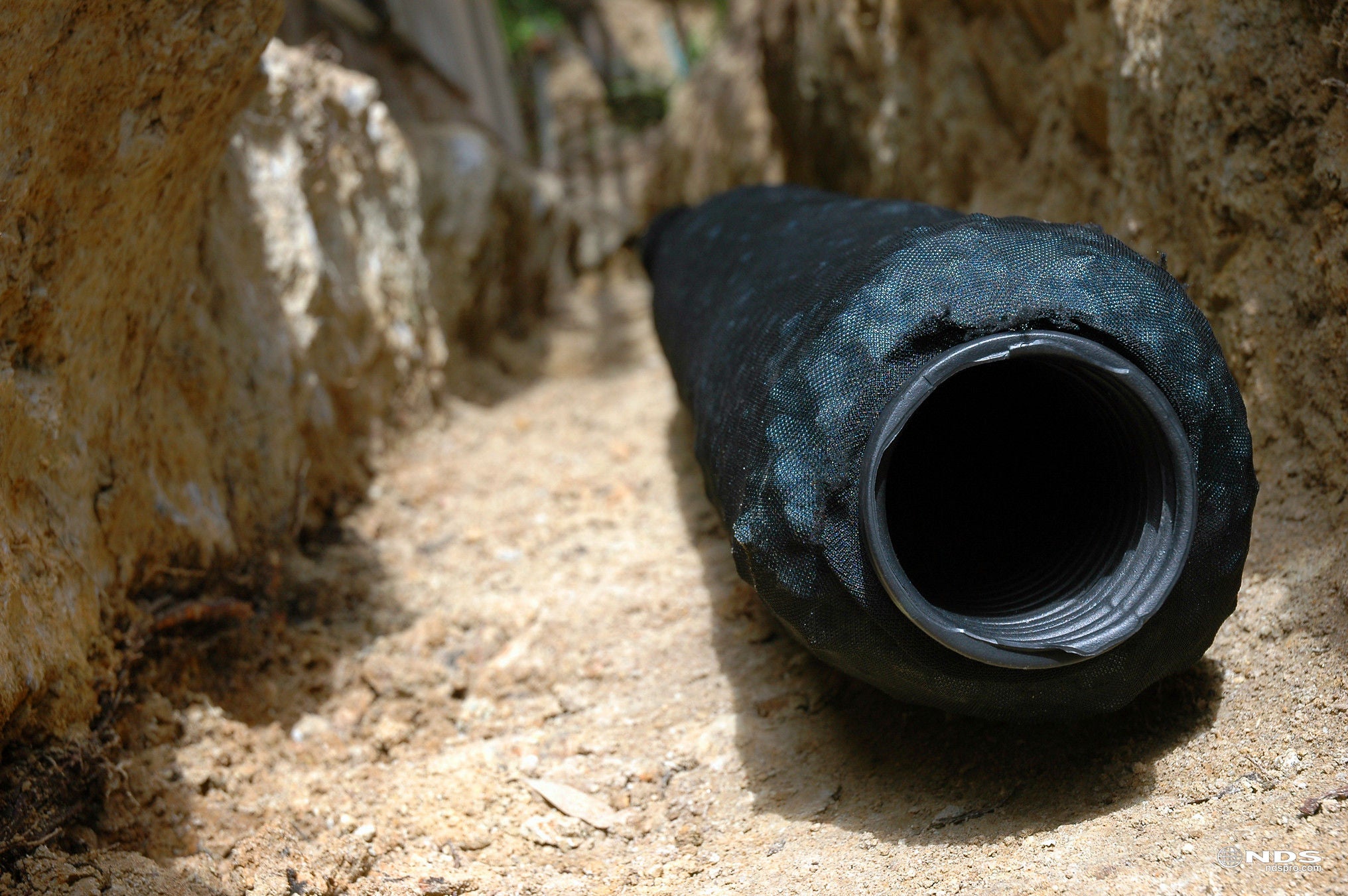
At its core, a French drain consists of a perforated pipe buried in a trench filled with gravel. This design allows water to flow easily into the drain while filtering out debris. Covered with a protective fabric to prevent clogging, the system uses gravity to guide water away to a safe drainage point.
French drains are commonly used to address standing water in yards, prevent flooding near patios and driveways, and safeguard basements from leaks. They’re particularly popular in landscaped areas, where aesthetics matter as much as functionality. By providing a reliable way to manage water, French drains help keep your property dry, safe, and attractive.
A French drain is used for surface and subsurface drainage problems on lawns, plant beds, and sports fields, and against building foundations and basements, retaining walls, and raised planters.
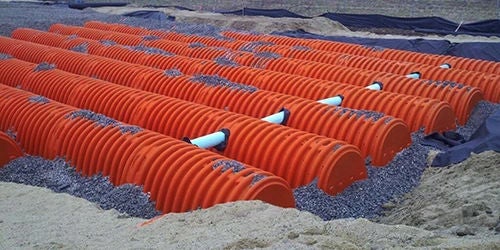
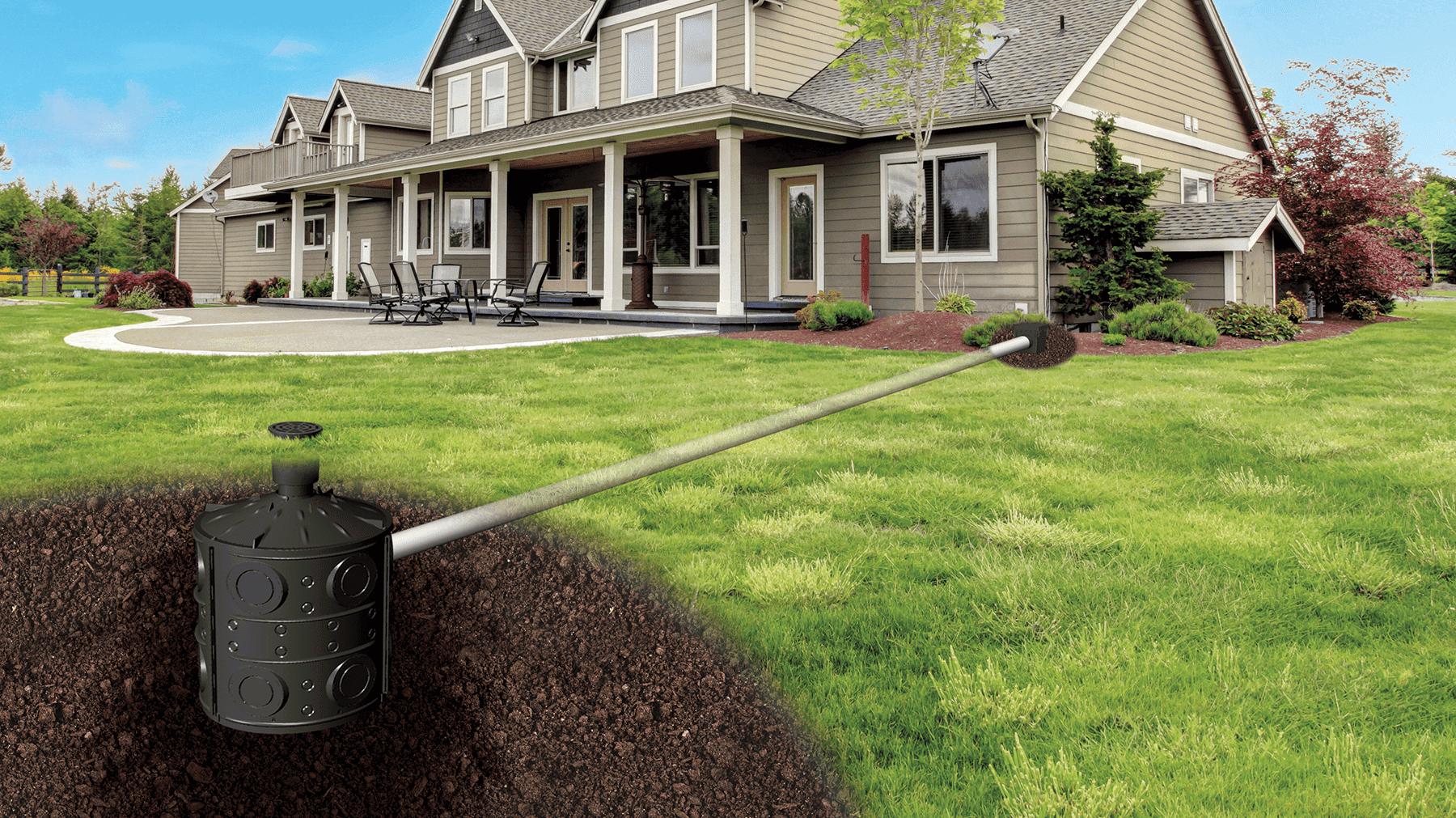
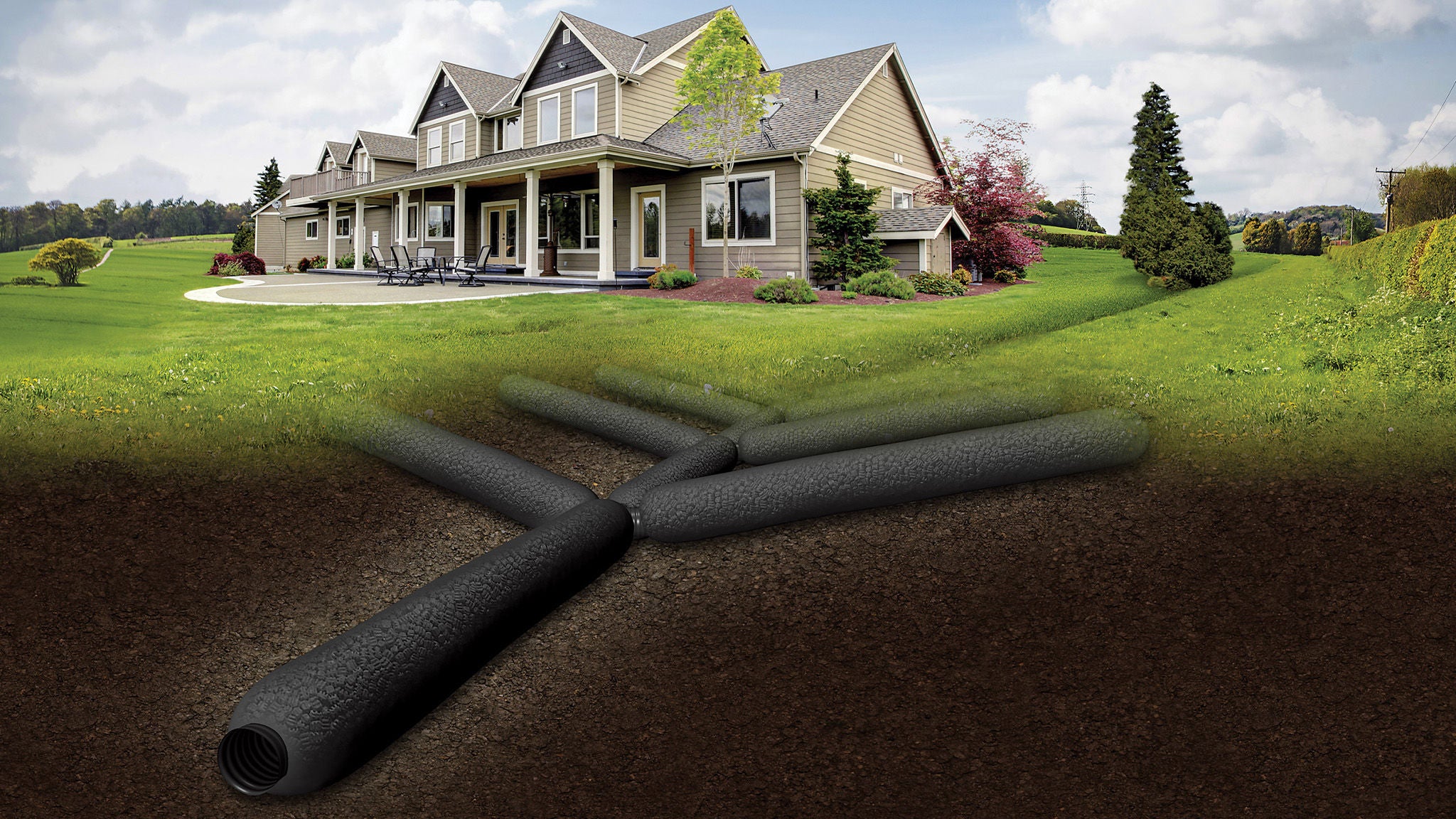
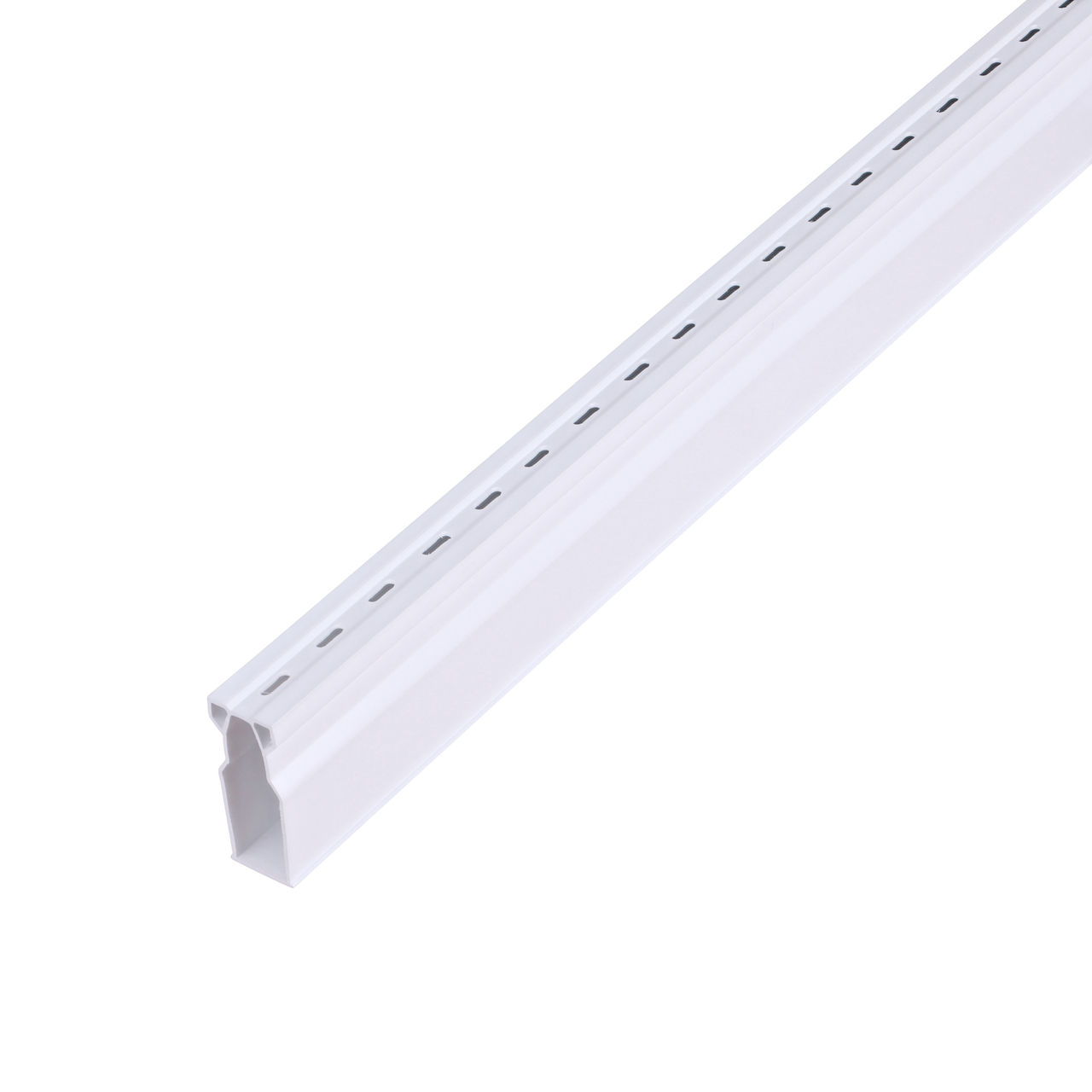
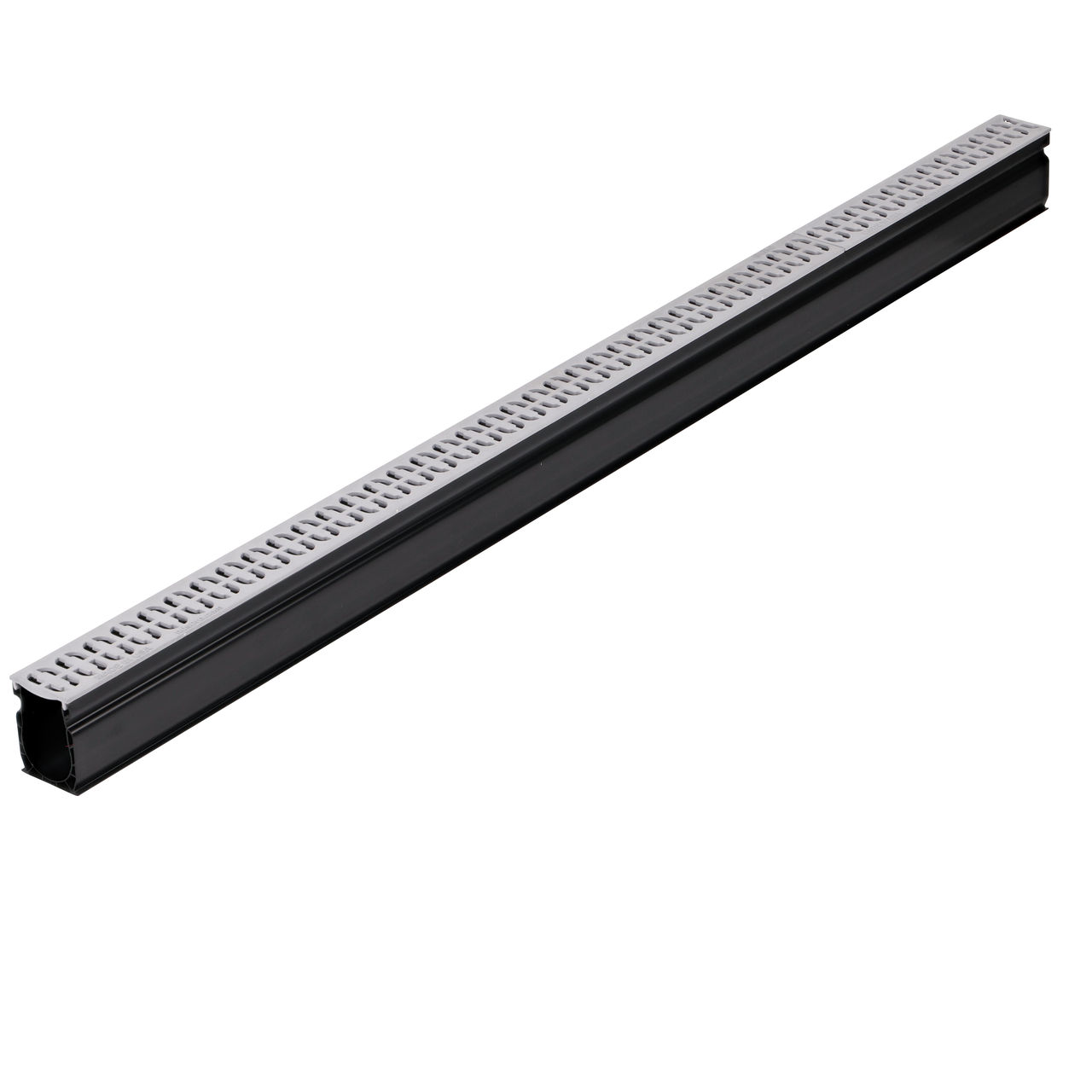
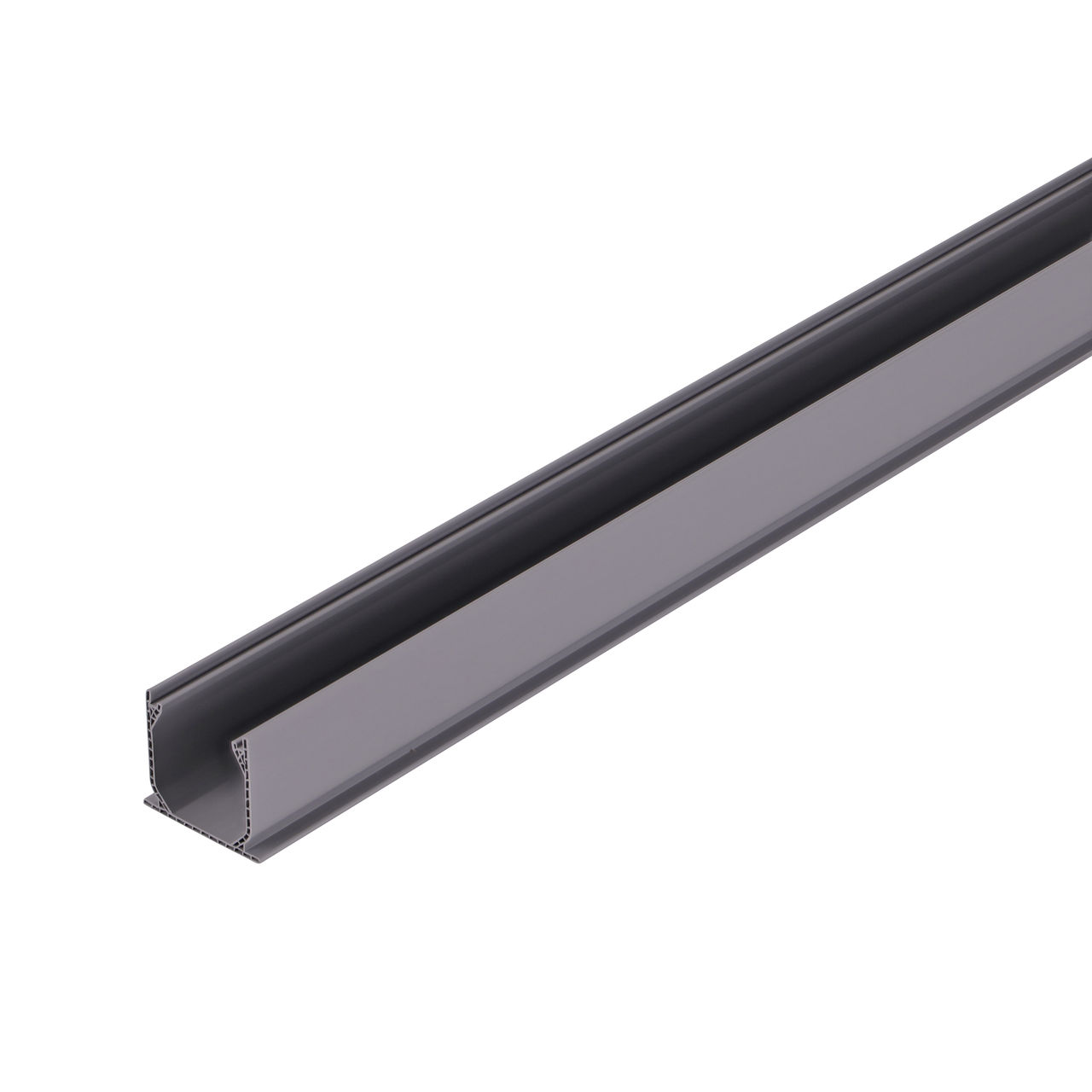
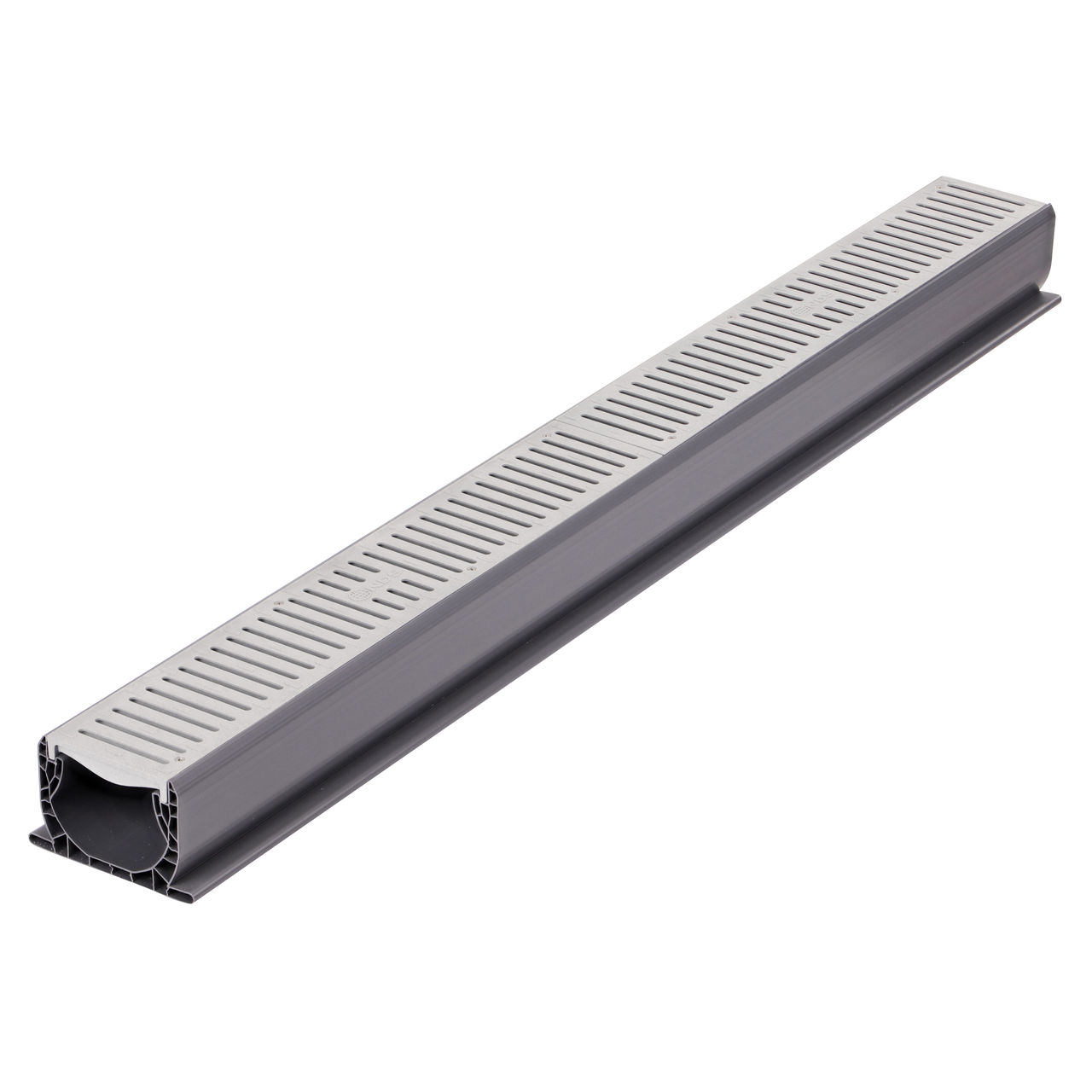
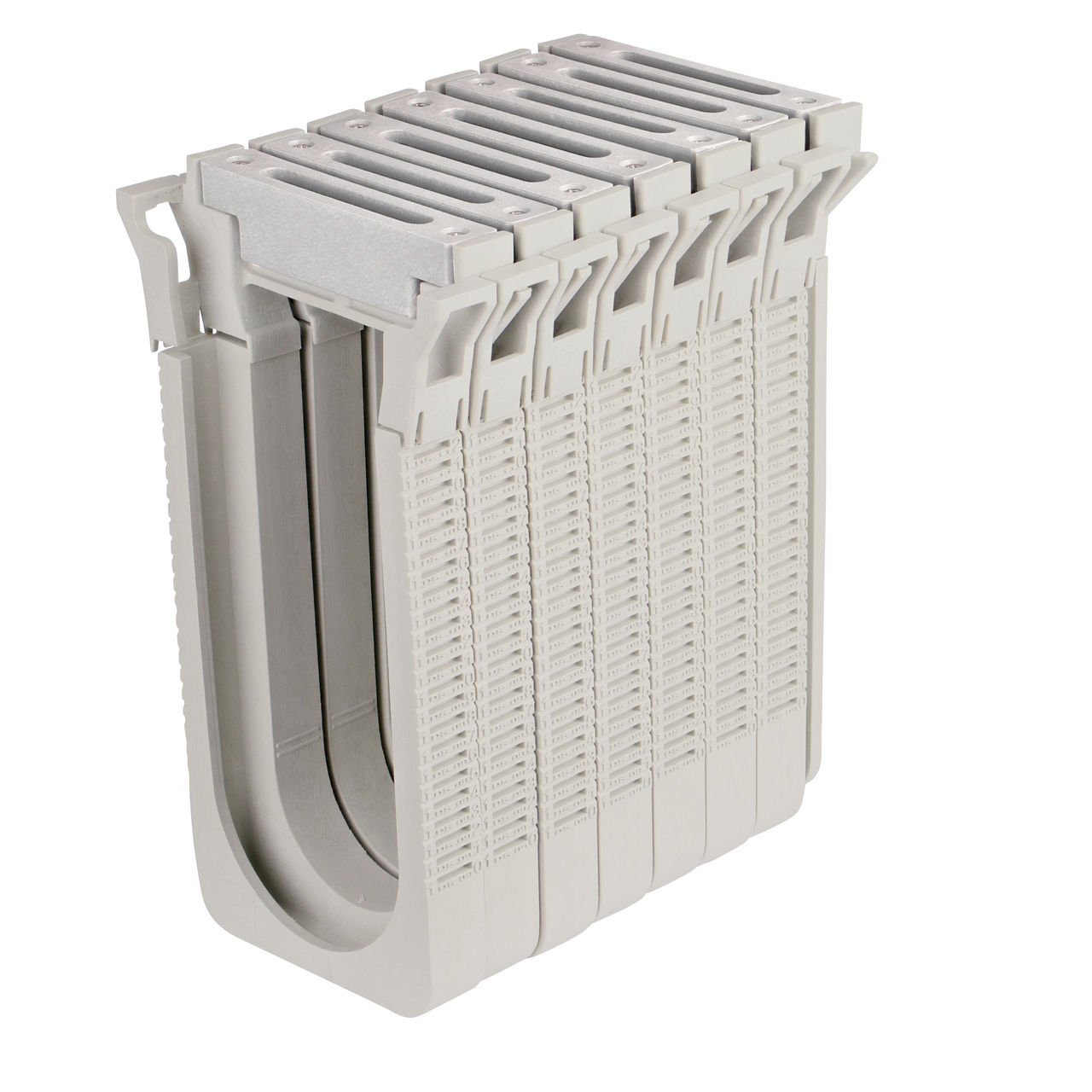
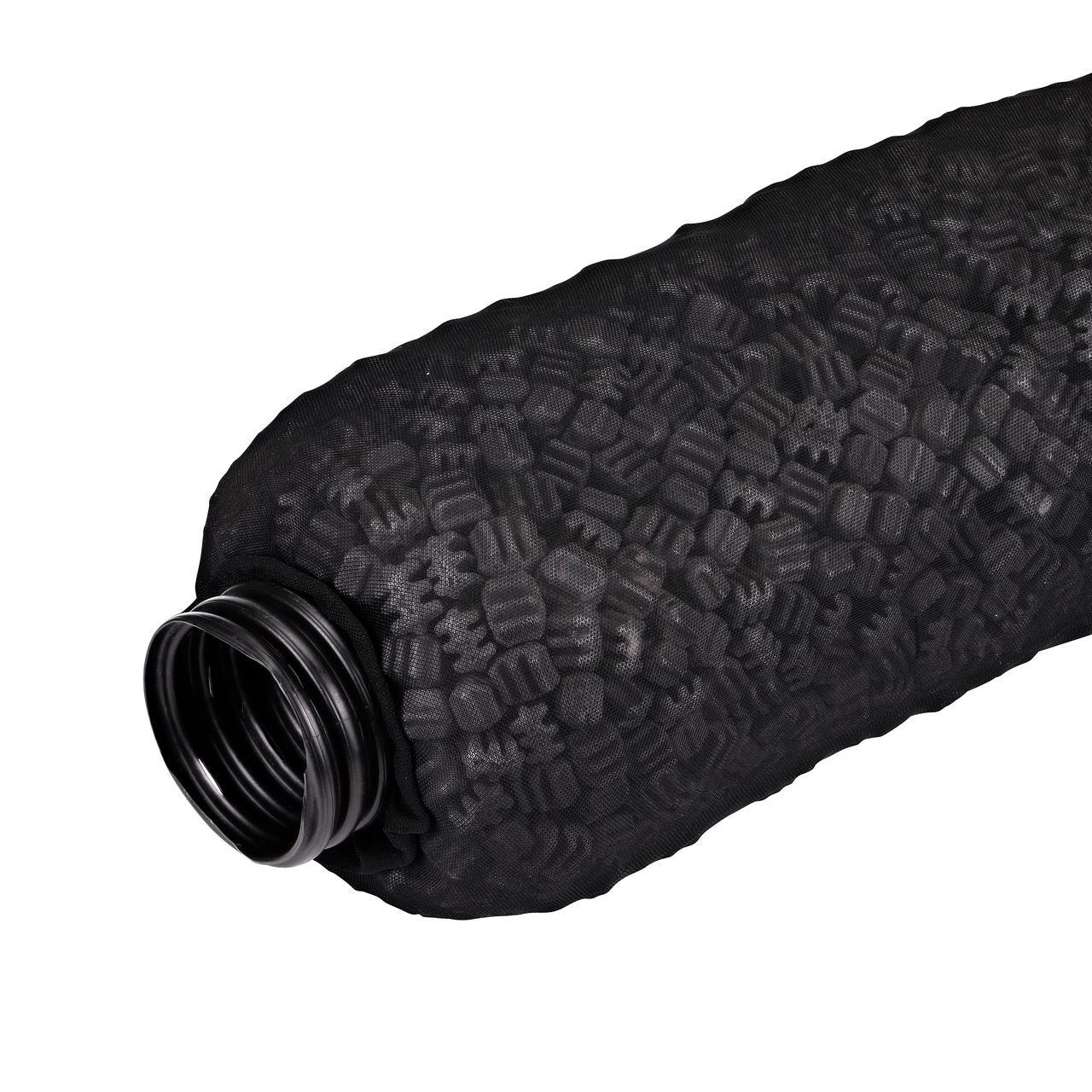
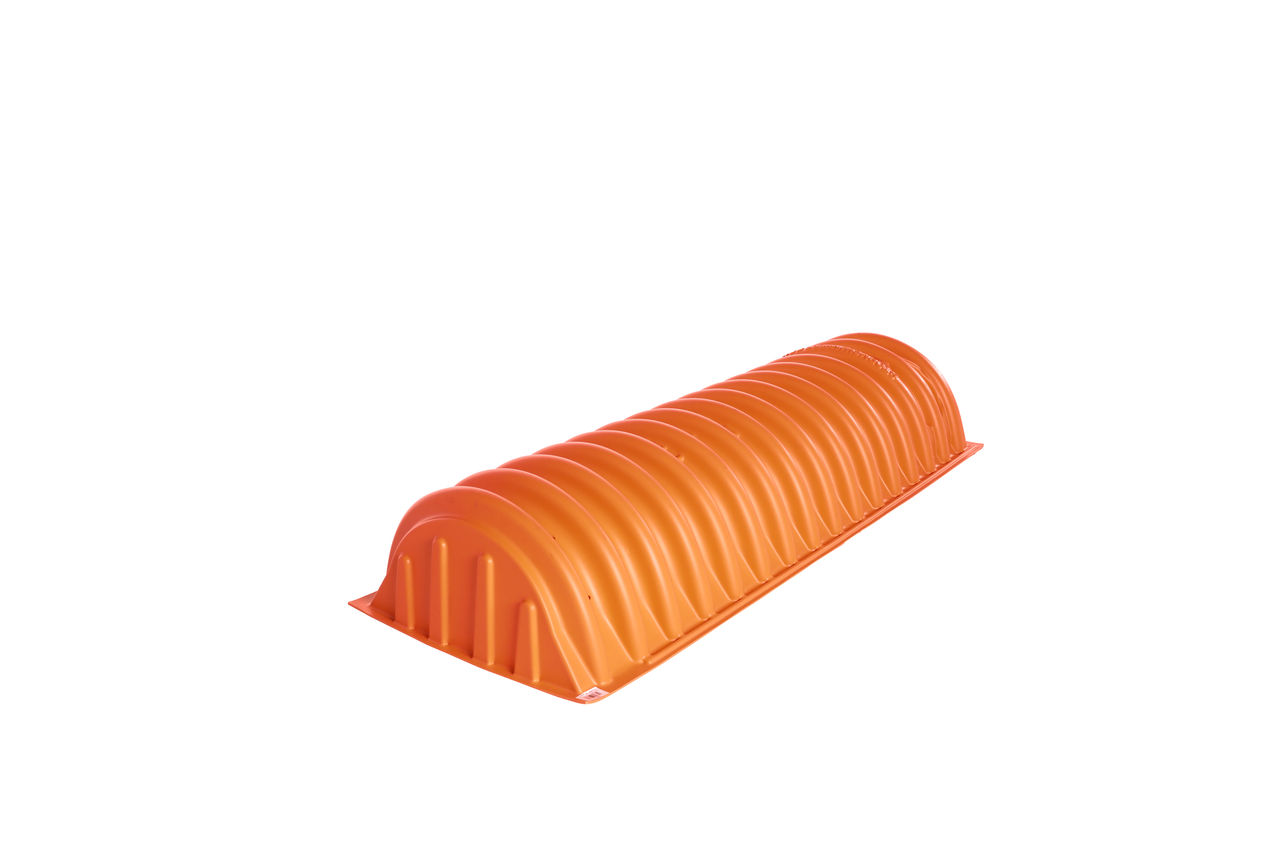
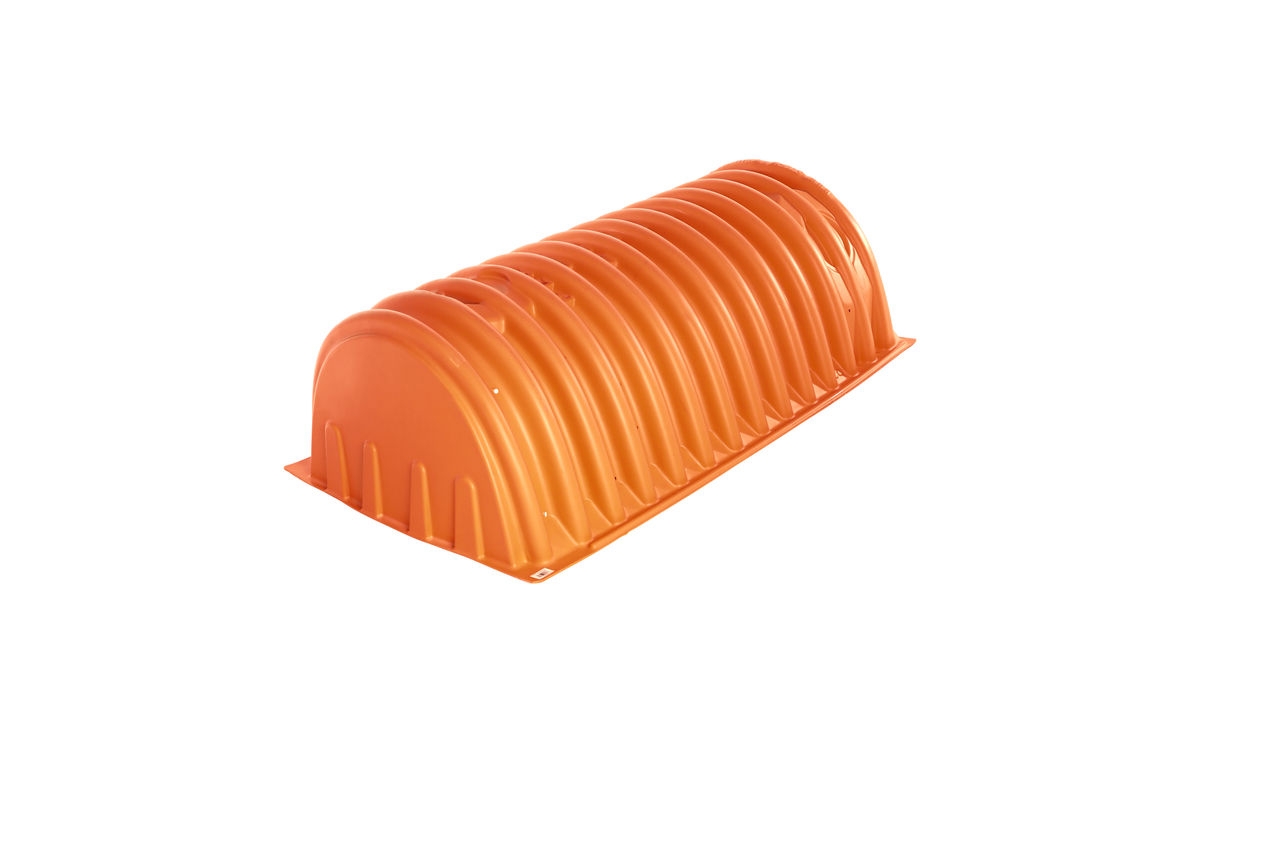
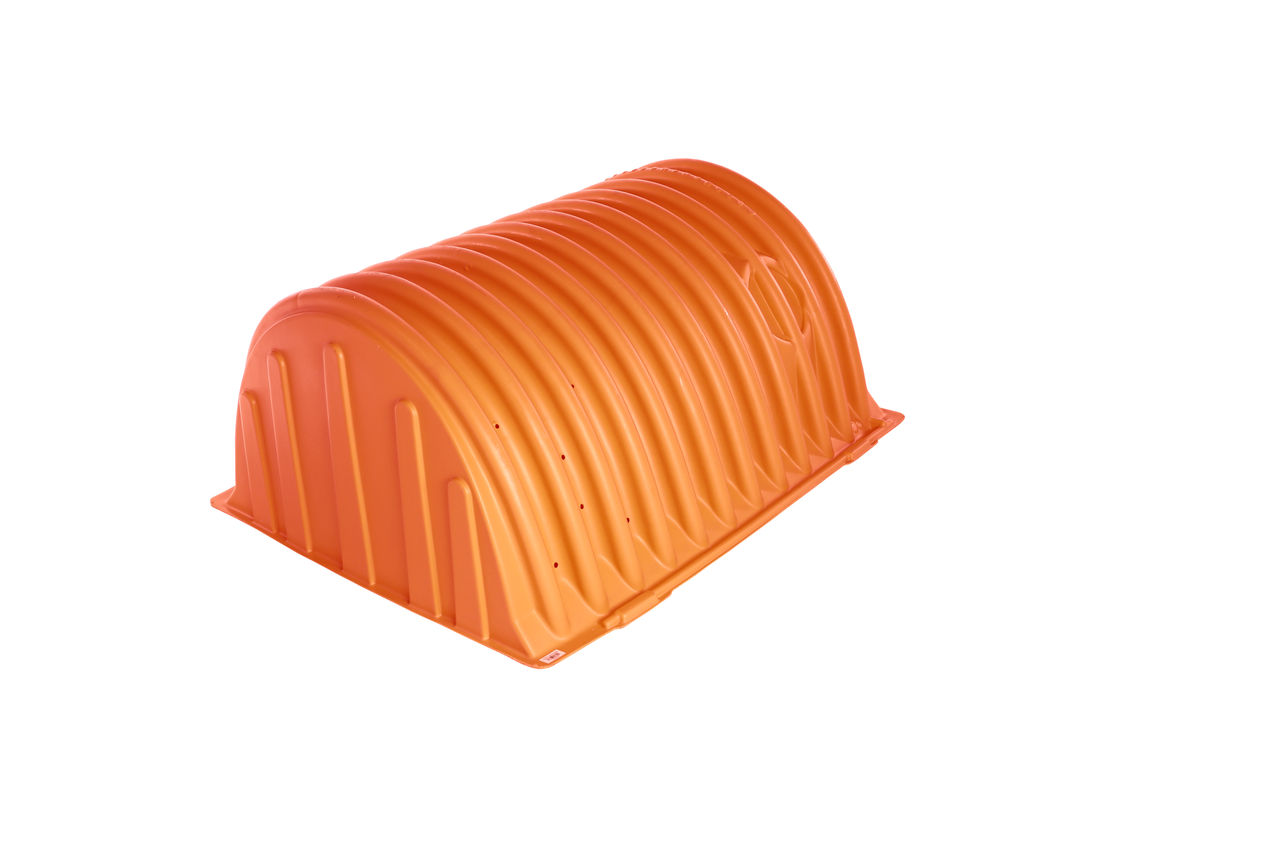
An alternative to traditional gravel-filled French Drain systems, the EZflow French Drain is easier to install than traditional stone-filled French drains and has a 30% better flow rate.
Bundles are available with or without slotted pipe inside, surrounded by aggregate (Poly-Rock™ made of expanded polystyrene).
It works as an infiltration system to capture adjacent groundwater and slowly release it into the surrounding soil, or redirect water to a connected pipe for proper release downstream.
Components of a French Drain
A French drain is made up of three key components that work together to manage water flow effectively:
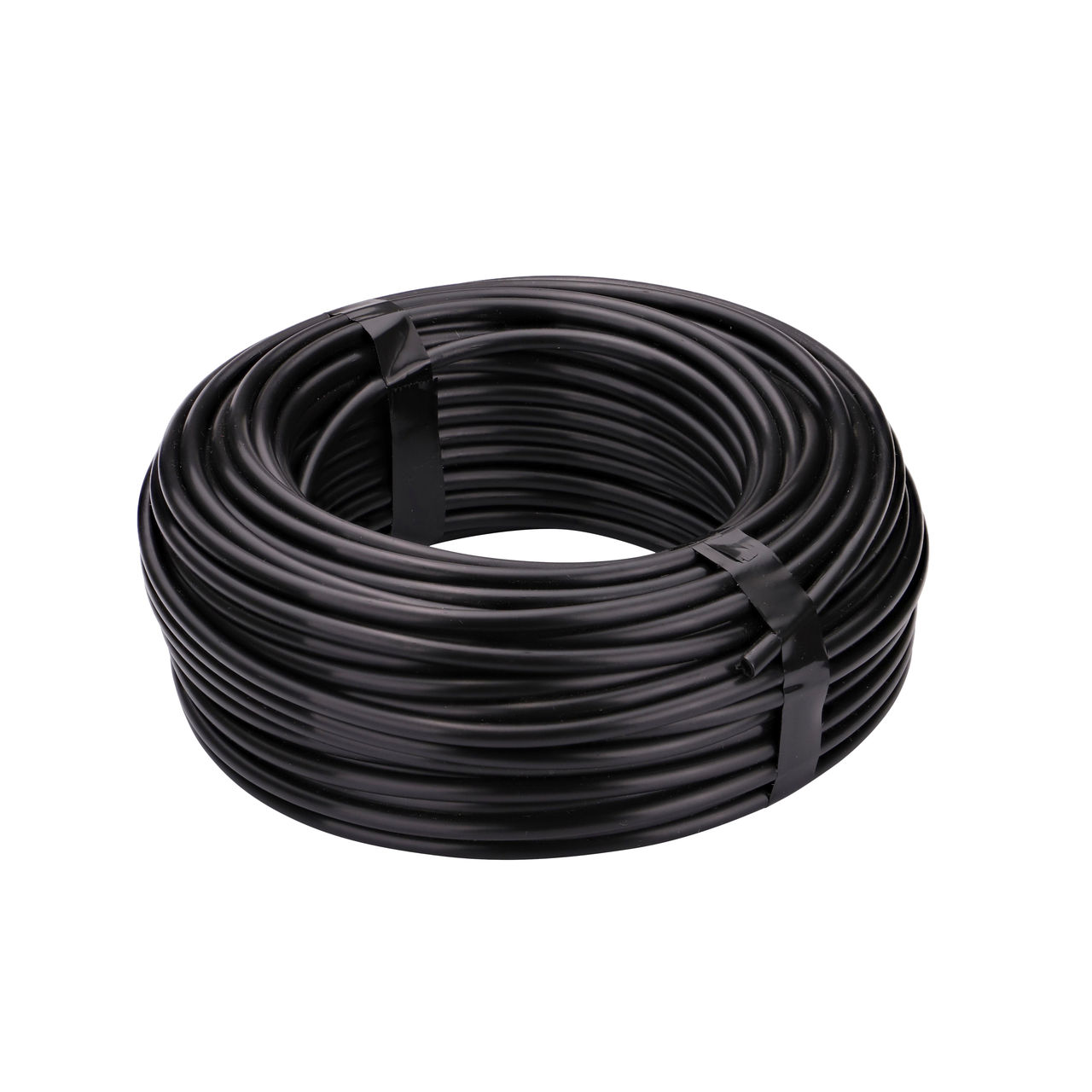
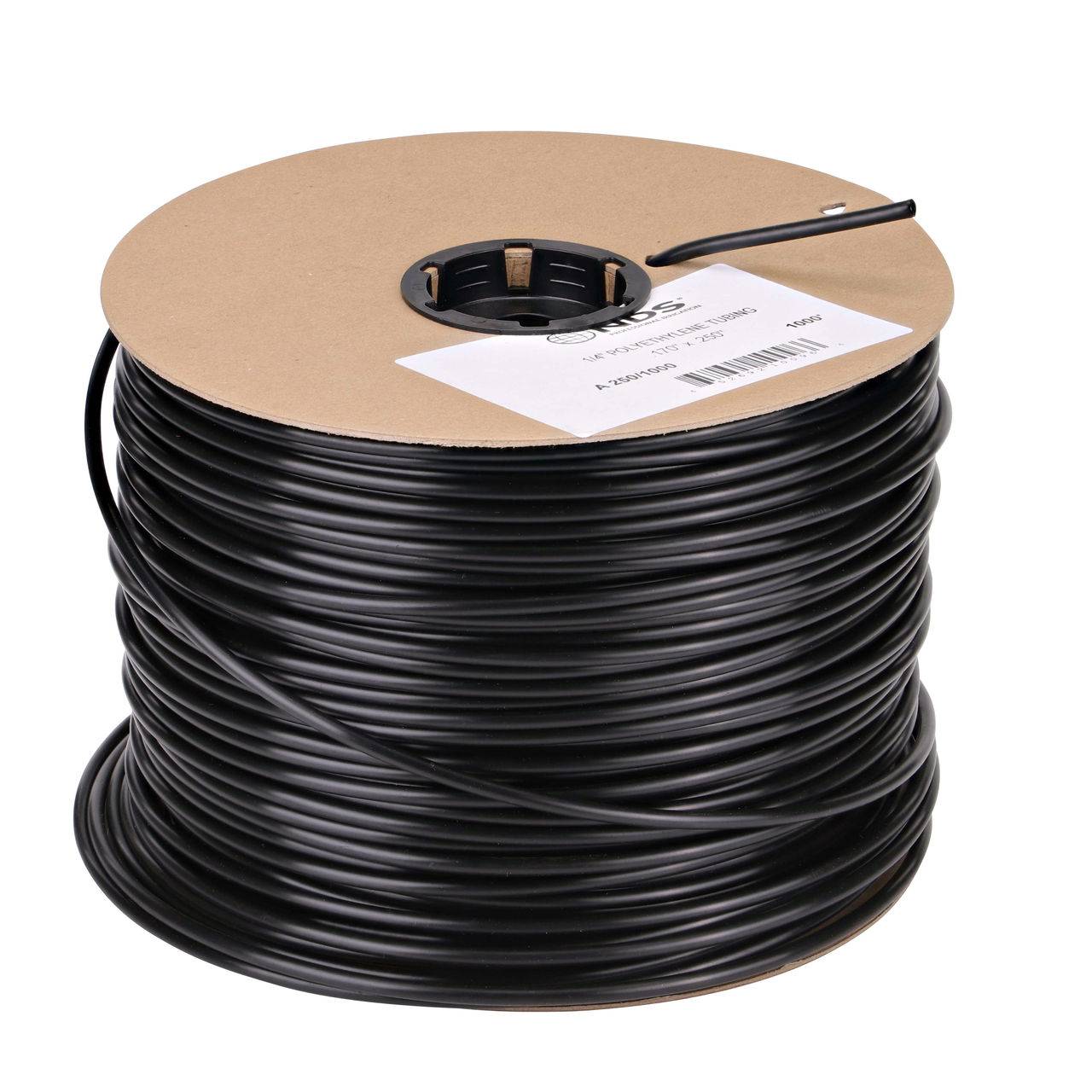
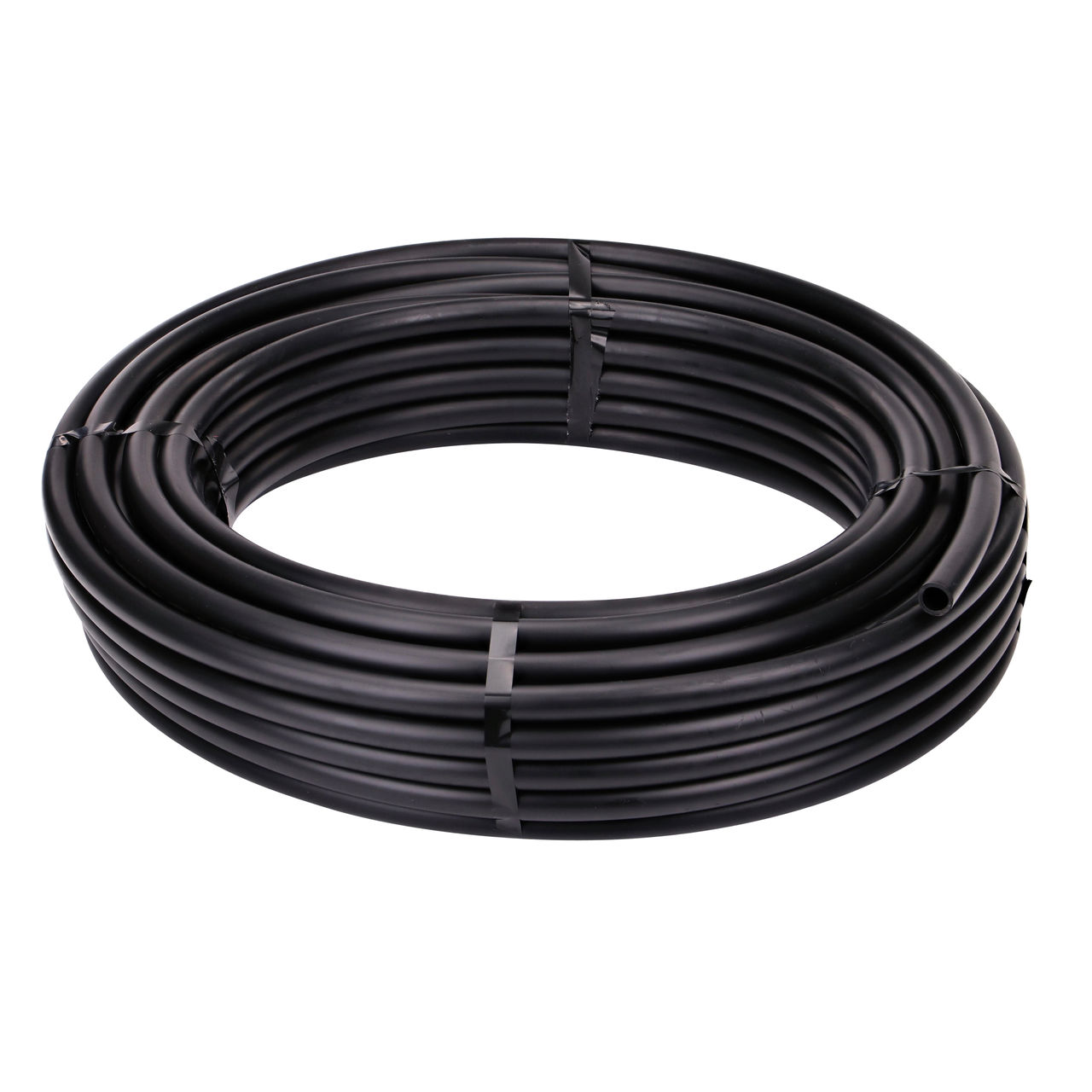
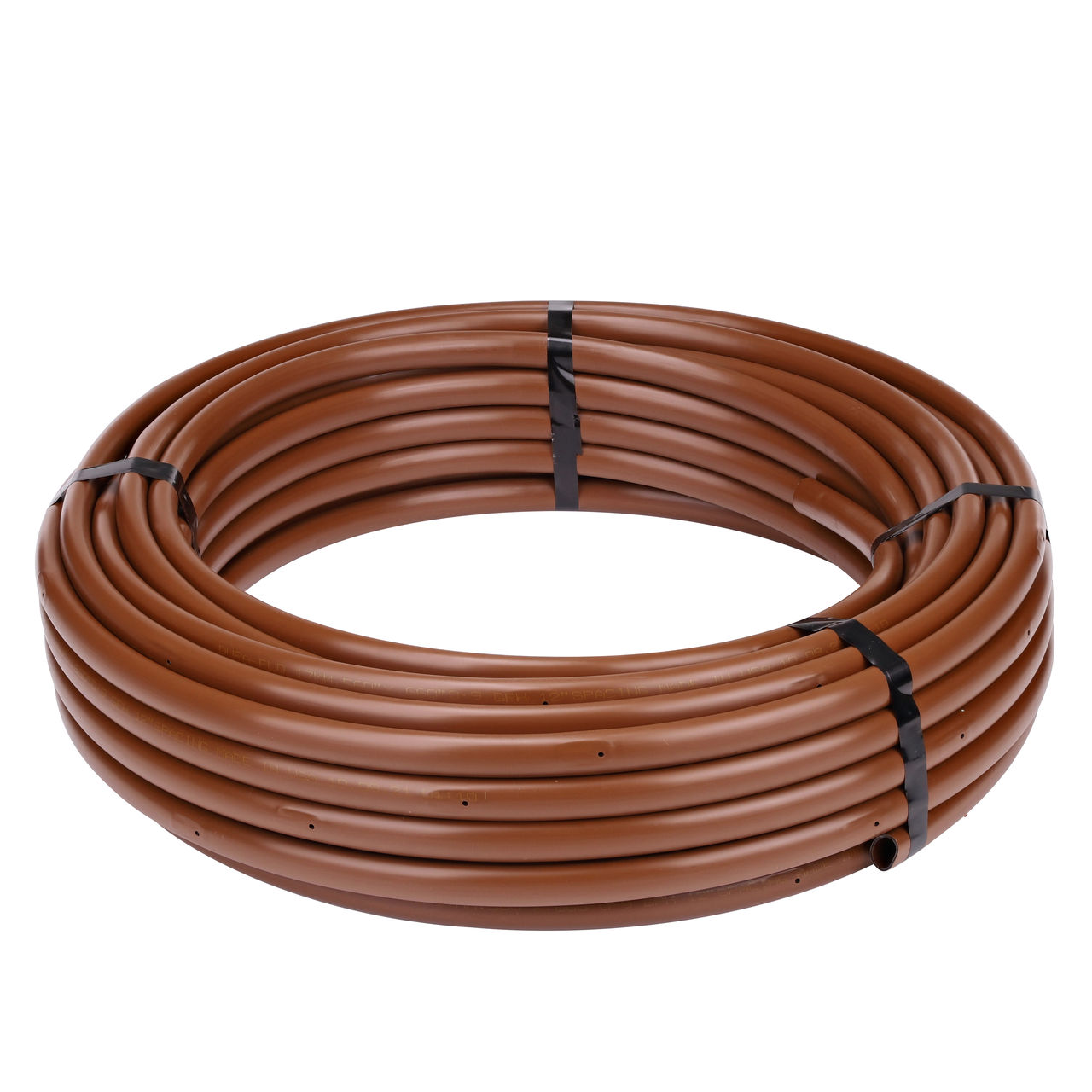
- Perforated Pipe: This pipe is the heart of the system. The small holes along its length allow water to enter and flow through the pipe, carrying it away to a designated drainage point.
- Gravel or Rock: Gravel surrounds the pipe, creating a porous barrier that helps collect and channel water into the drain while also preventing soil from clogging the system.
- Filter Fabric: Acting as a protective wrap, the filter fabric keeps dirt and debris out of the pipe and gravel, ensuring long-term functionality.
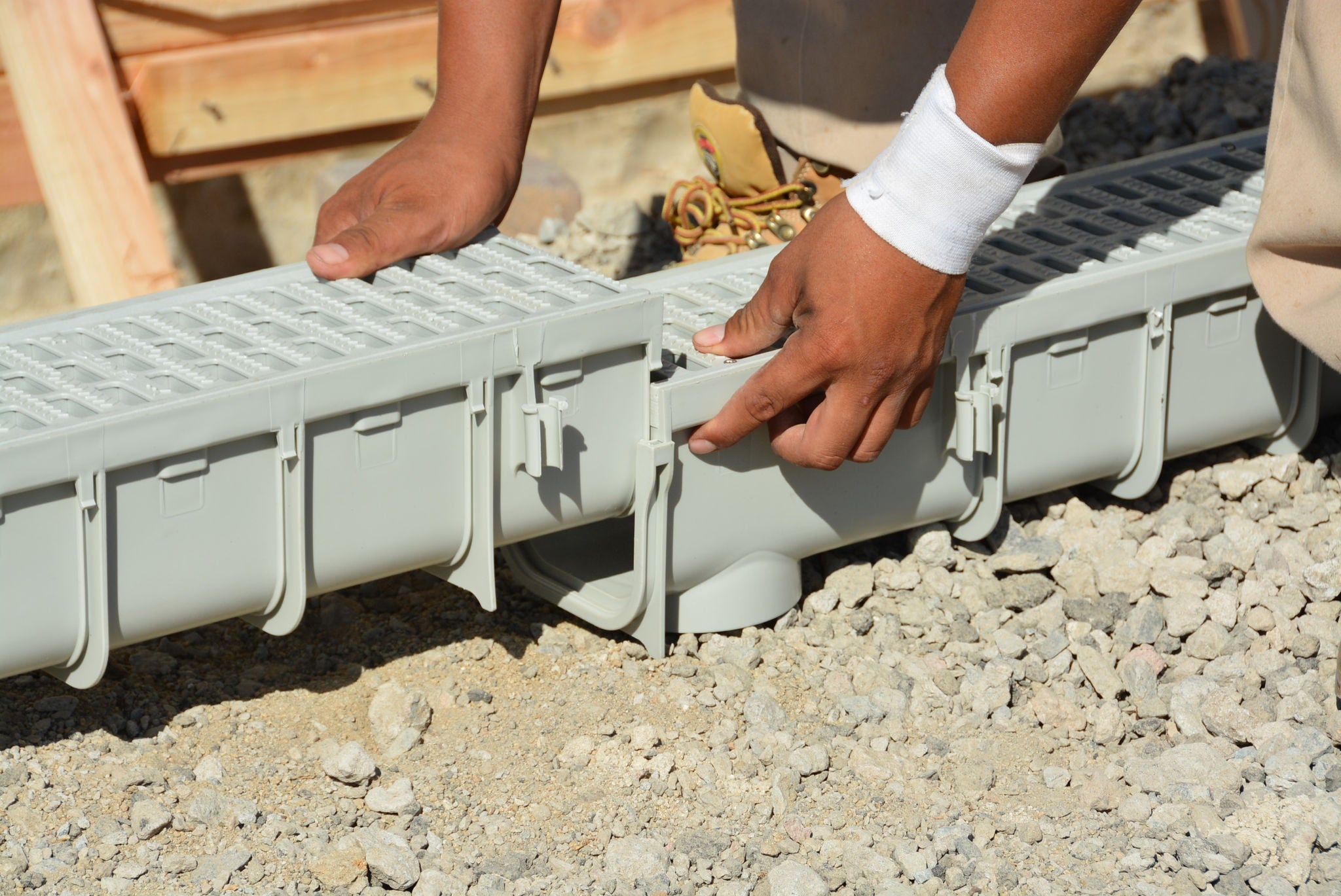
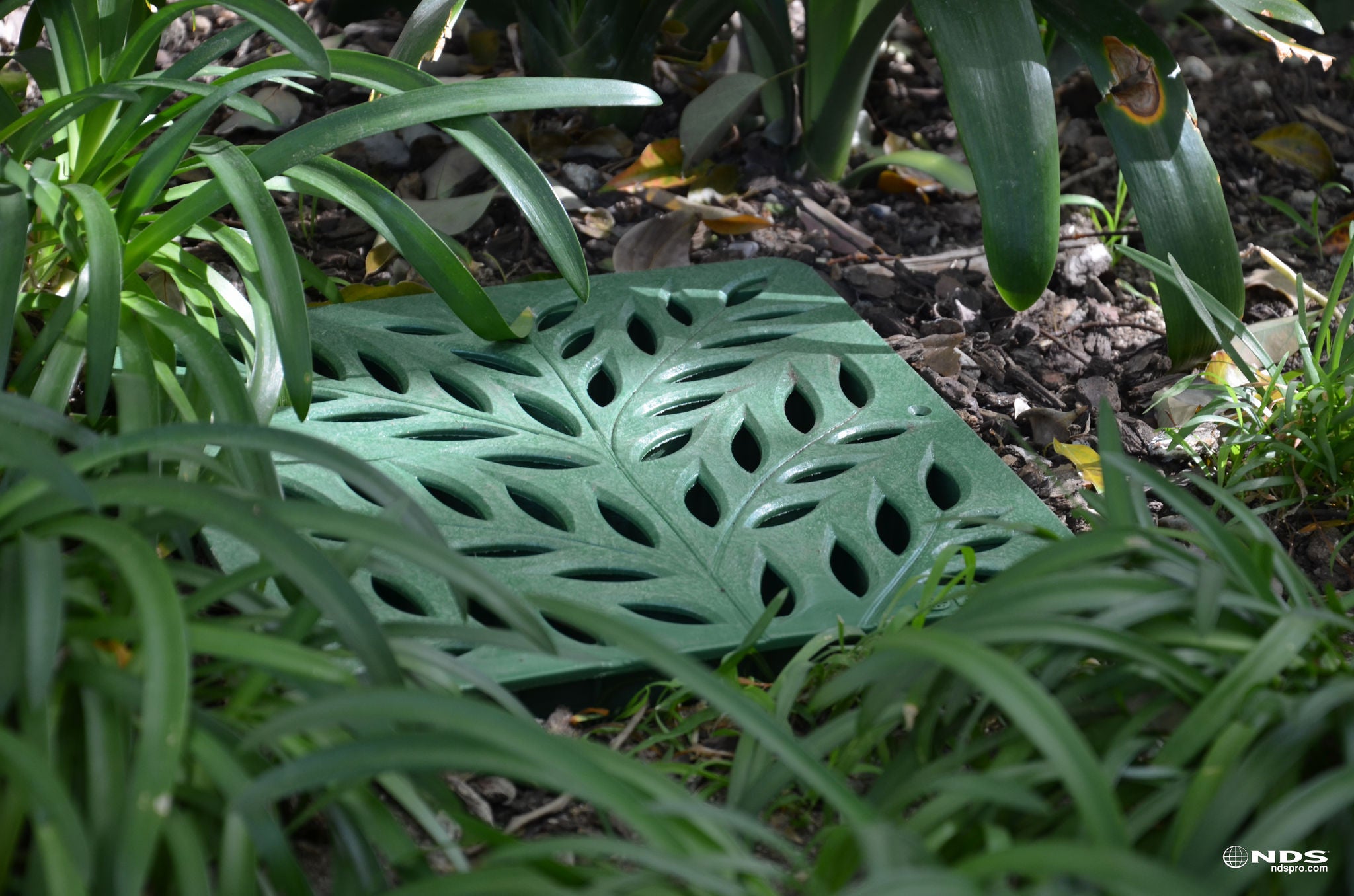
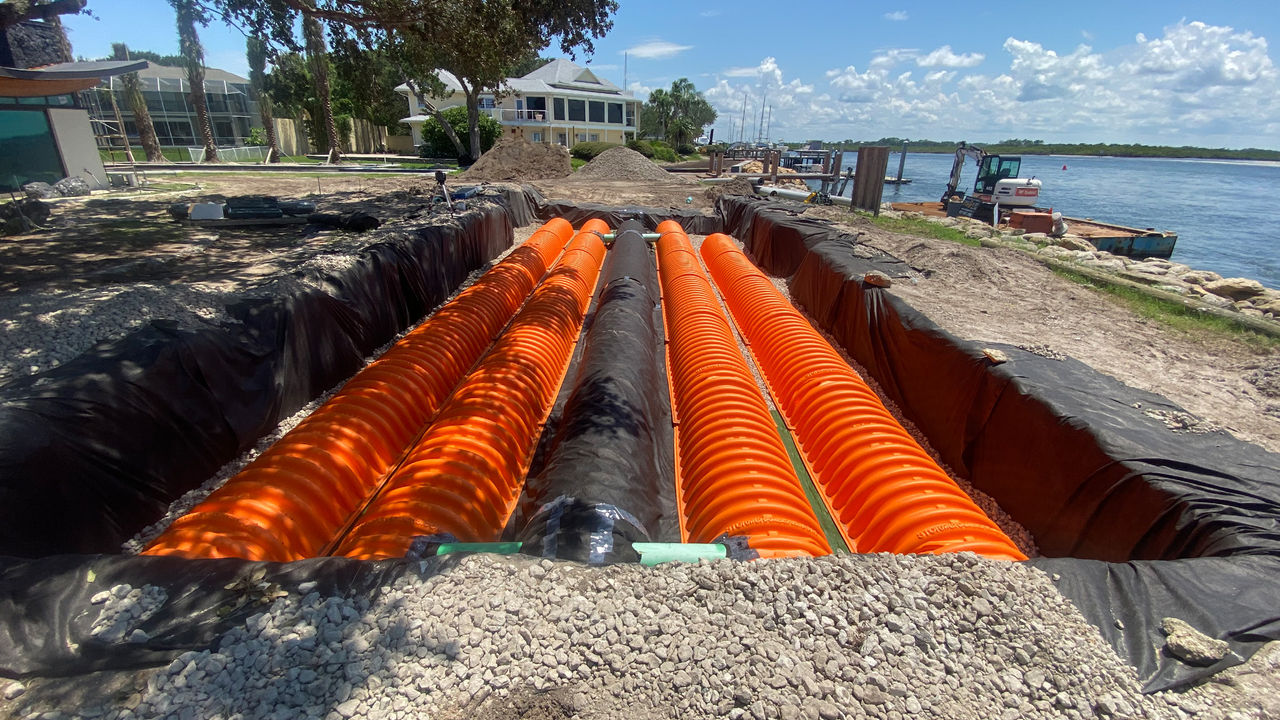
During installation, the drain is laid into a trench—often visible as a narrow, gravel-filled channel. Once covered with soil or decorative rock, the system blends seamlessly into the landscape, leaving no obvious trace.
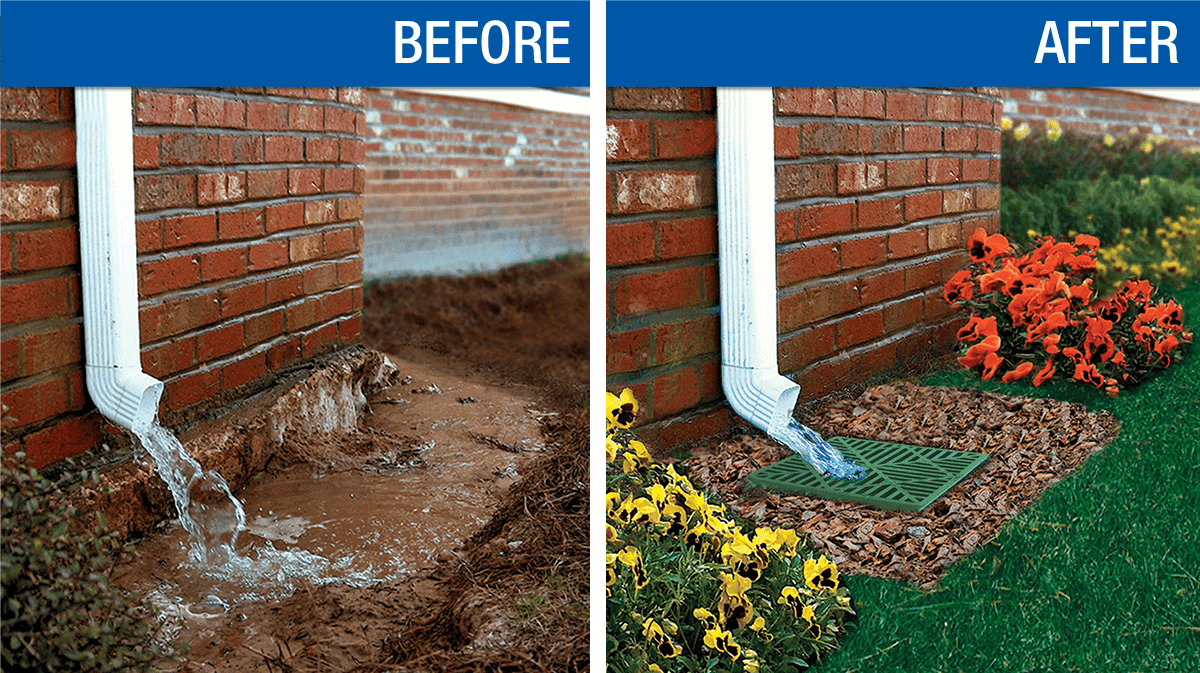
What a French Drain Looks Like Before and After Installation
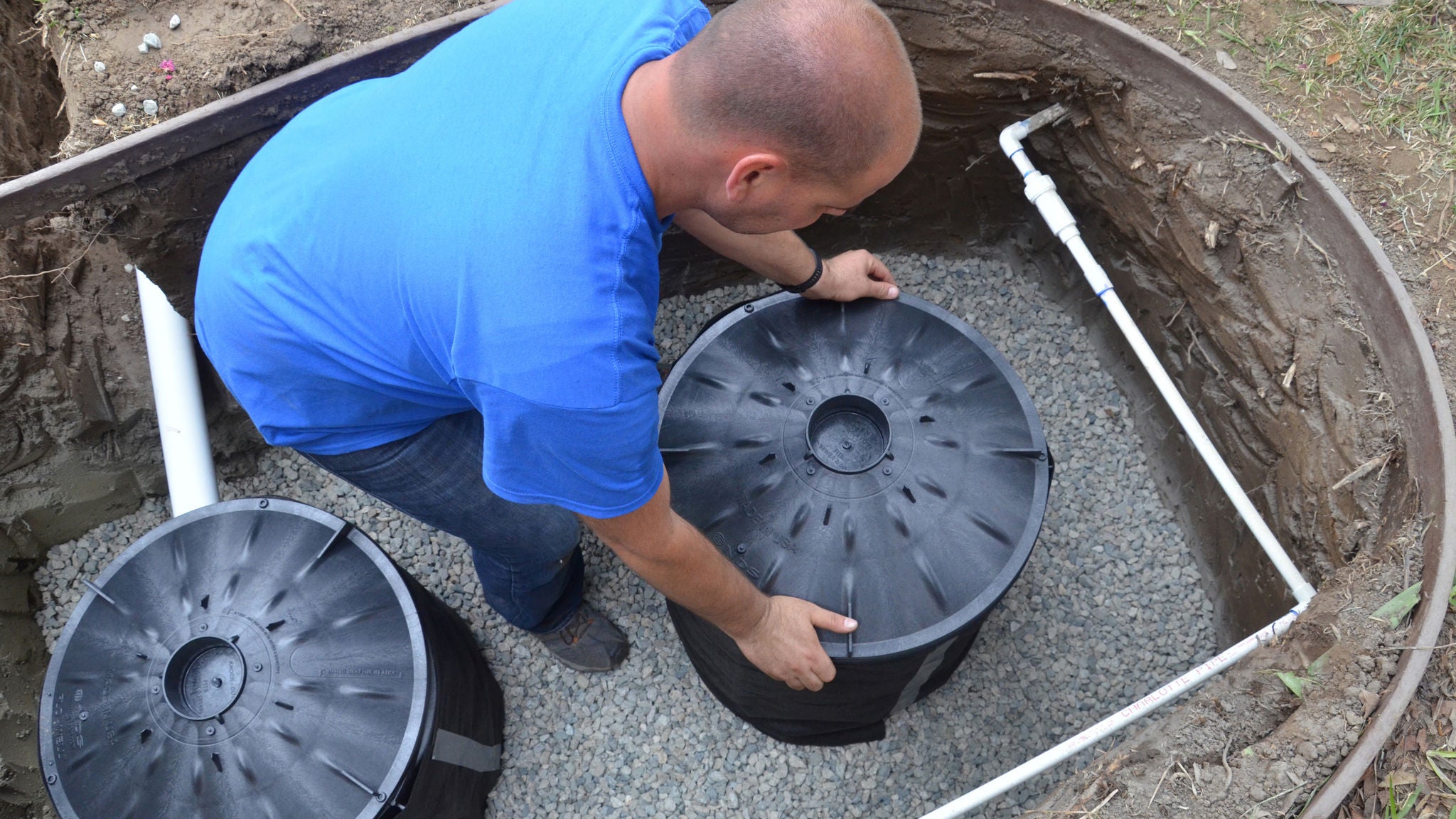
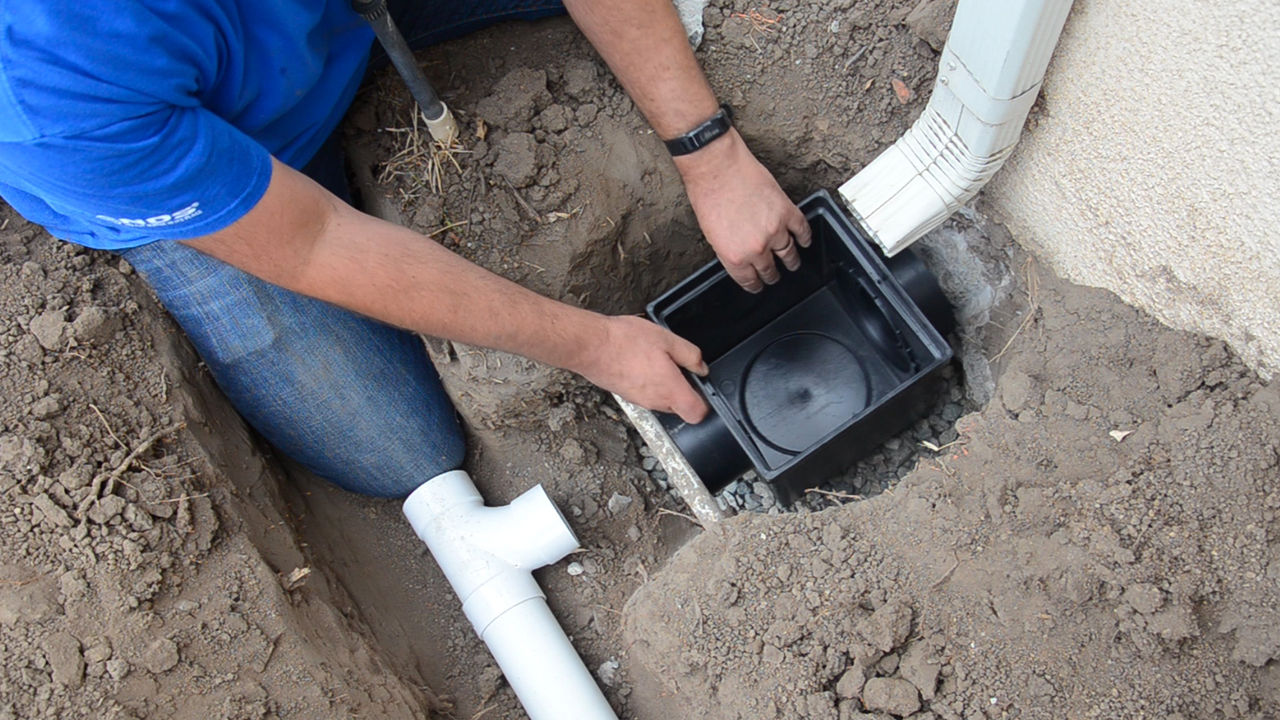
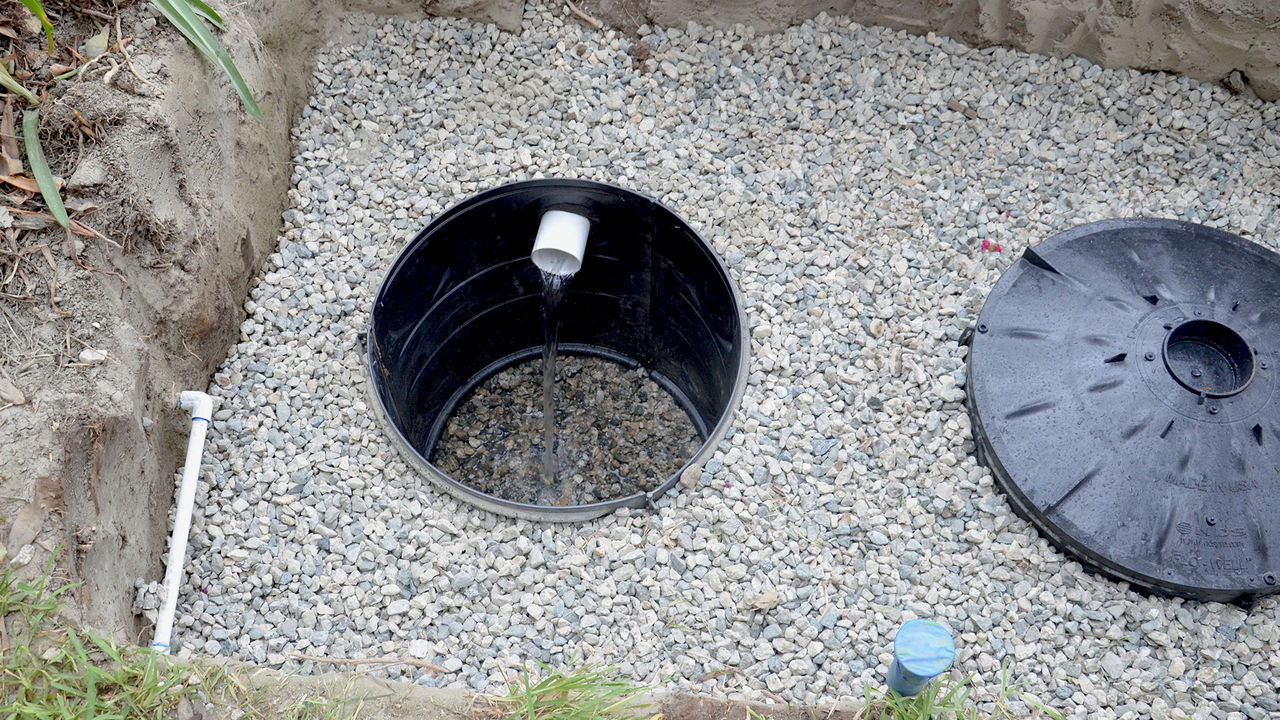
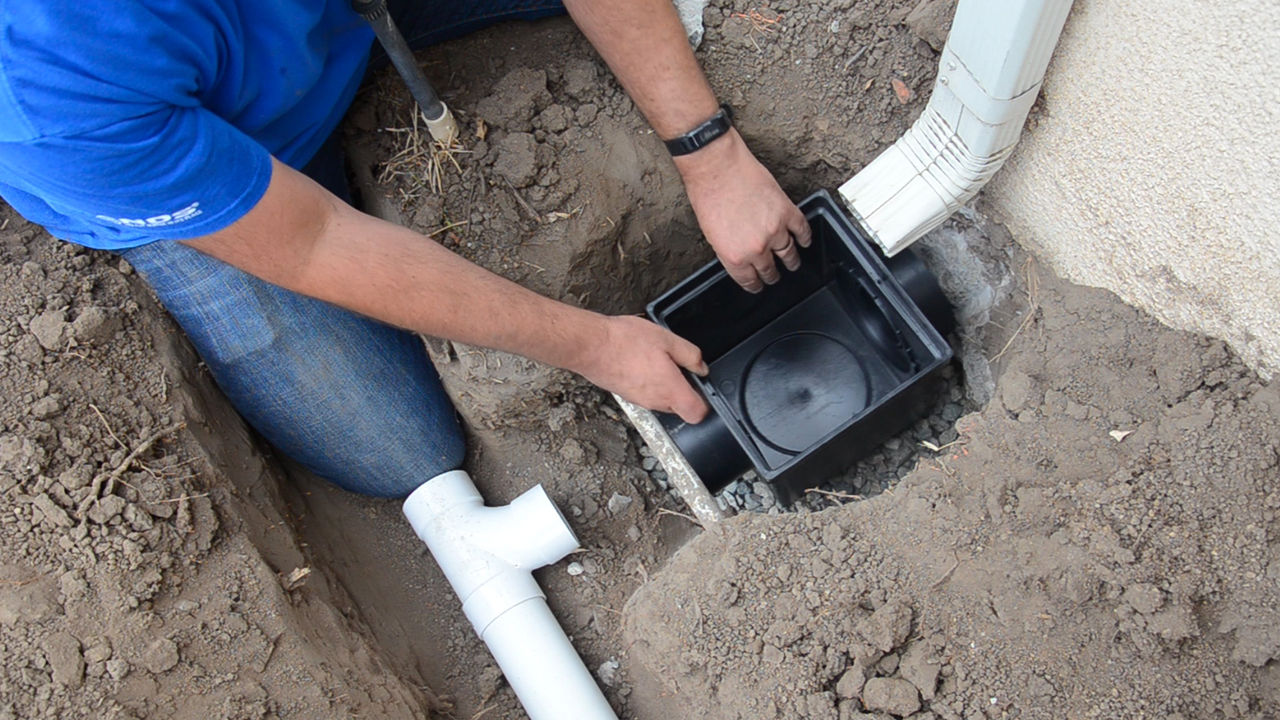
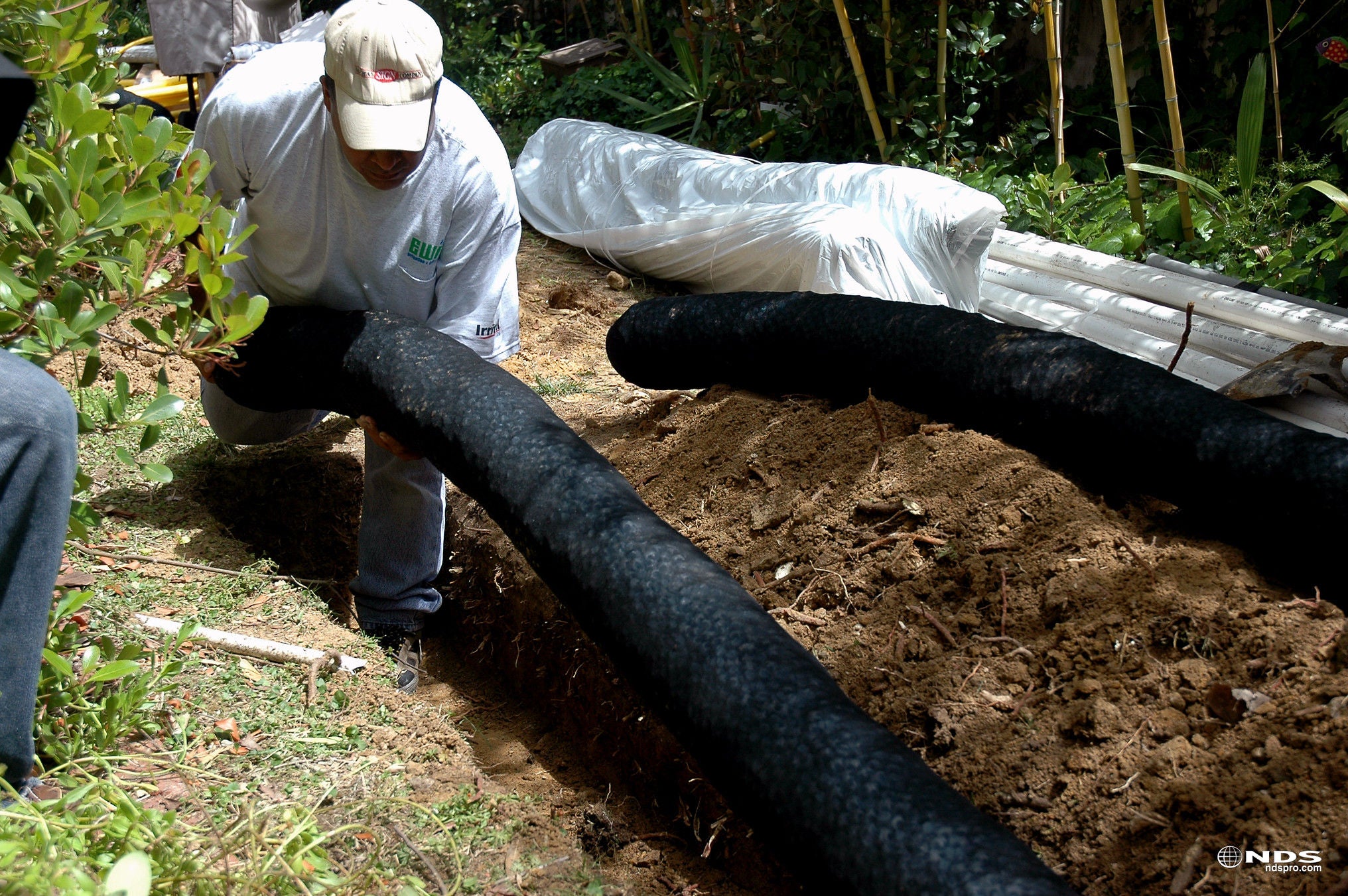
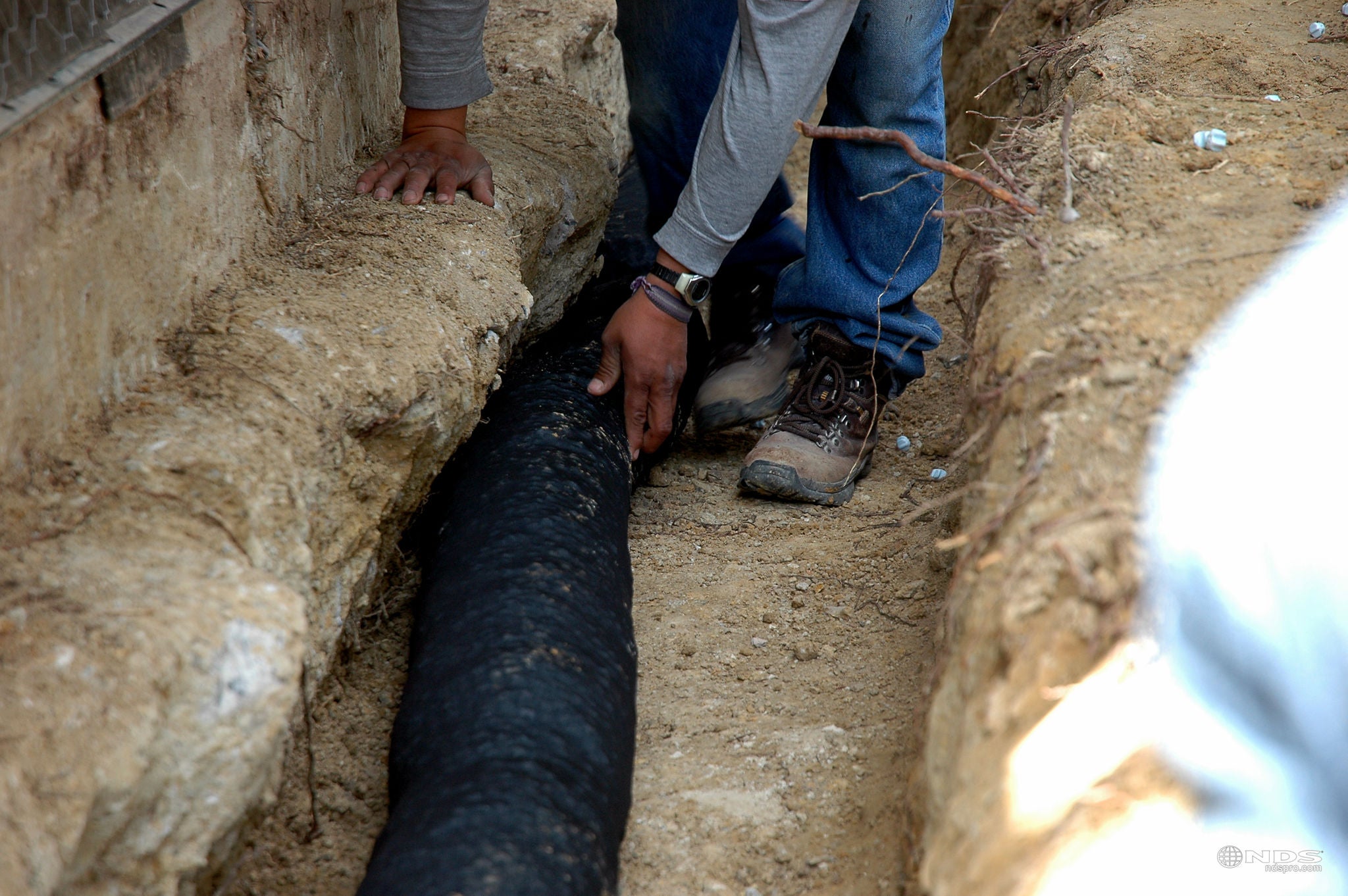
During installation, a French drain appears as an open trench typically 6-12 inches wide and 18-24 inches deep, depending on your drainage needs. You'll see the perforated pipe positioned at the bottom, surrounded by layers of gravel, and wrapped in filter fabric. The trench may look substantial initially, but this temporary disruption is necessary for creating an effective drainage system.
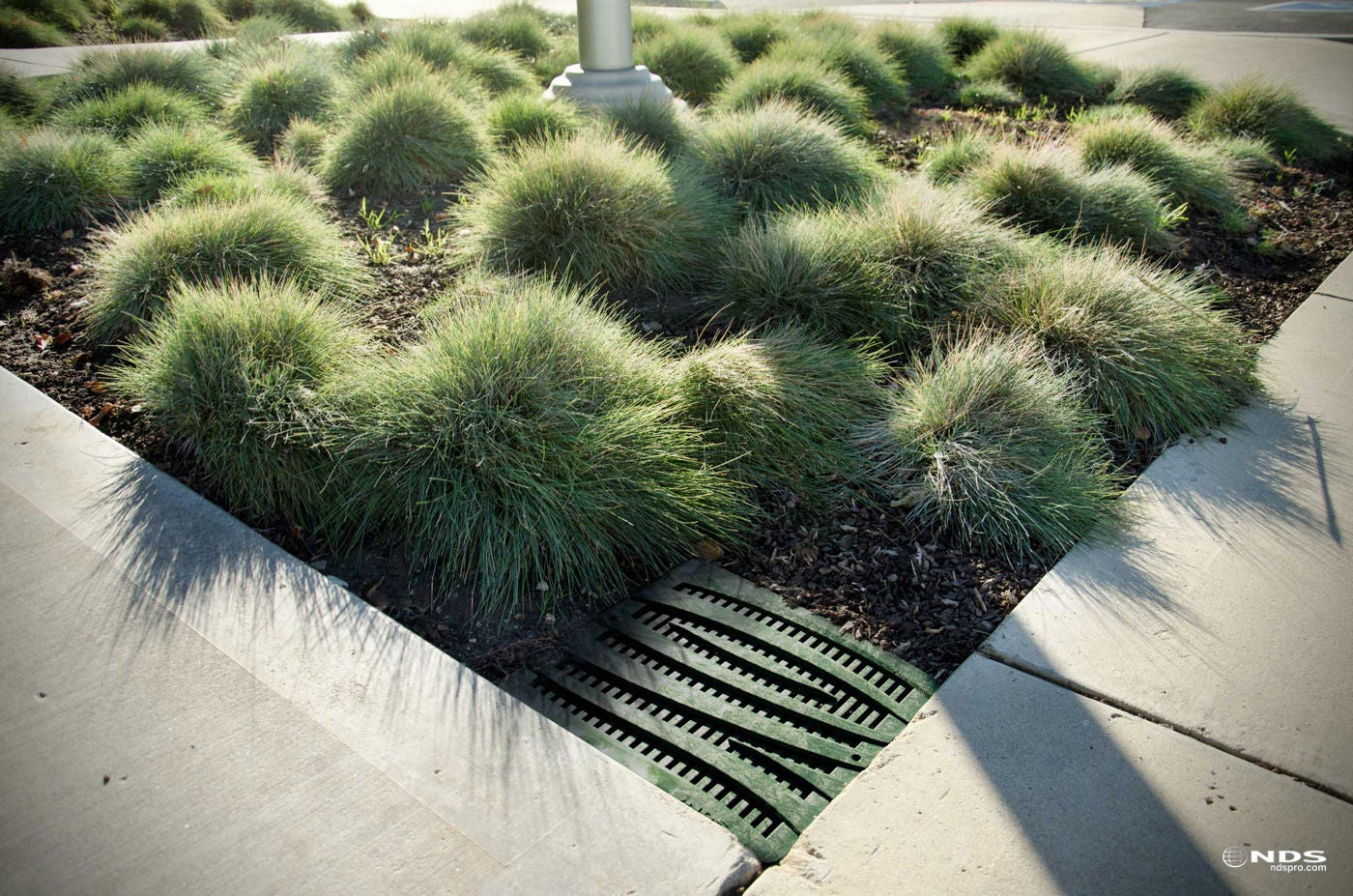
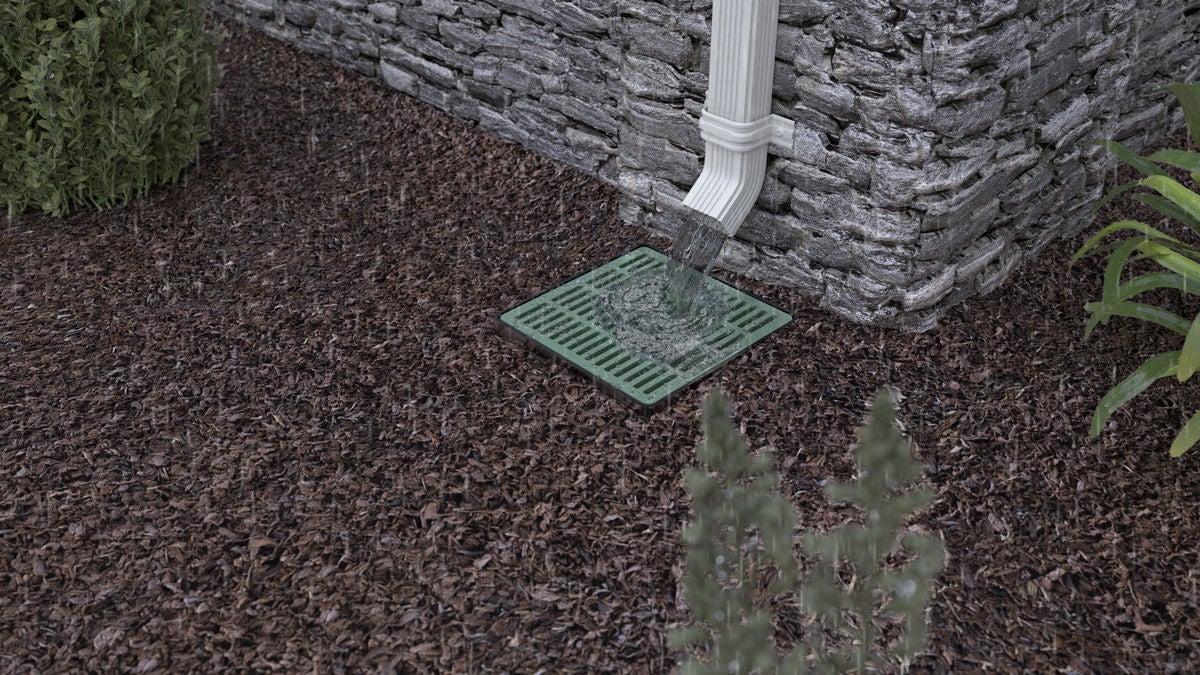
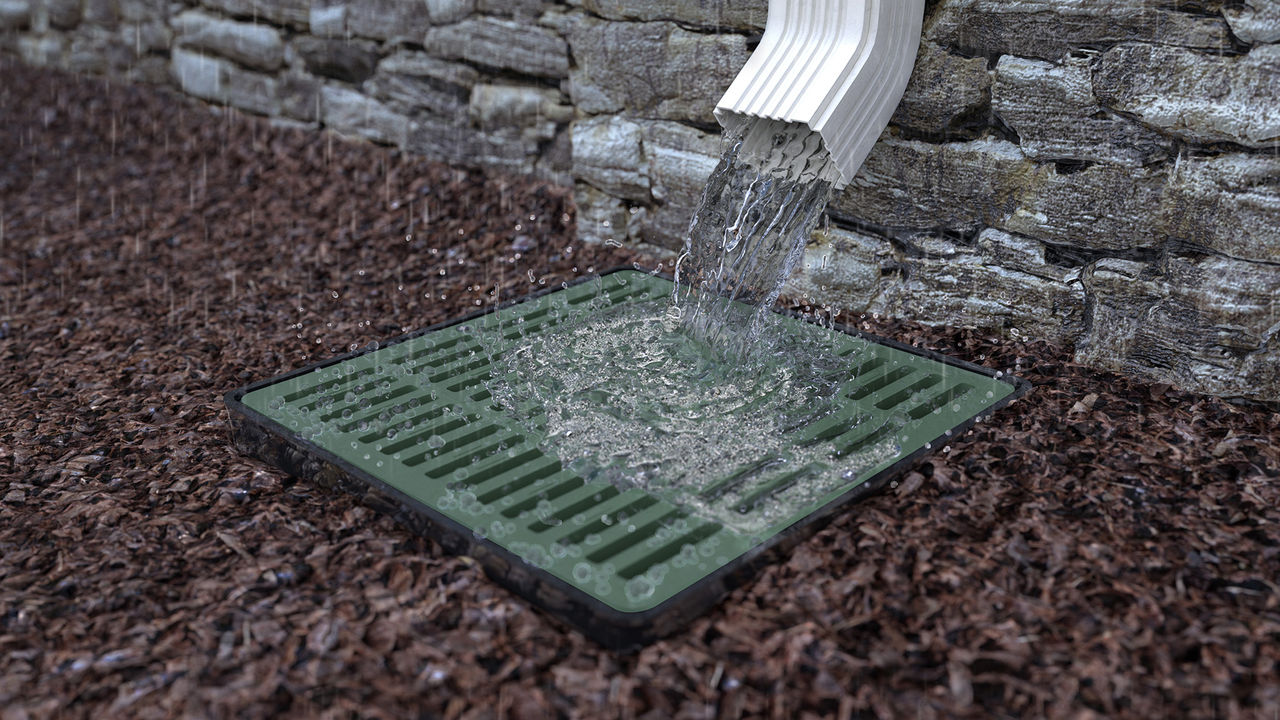
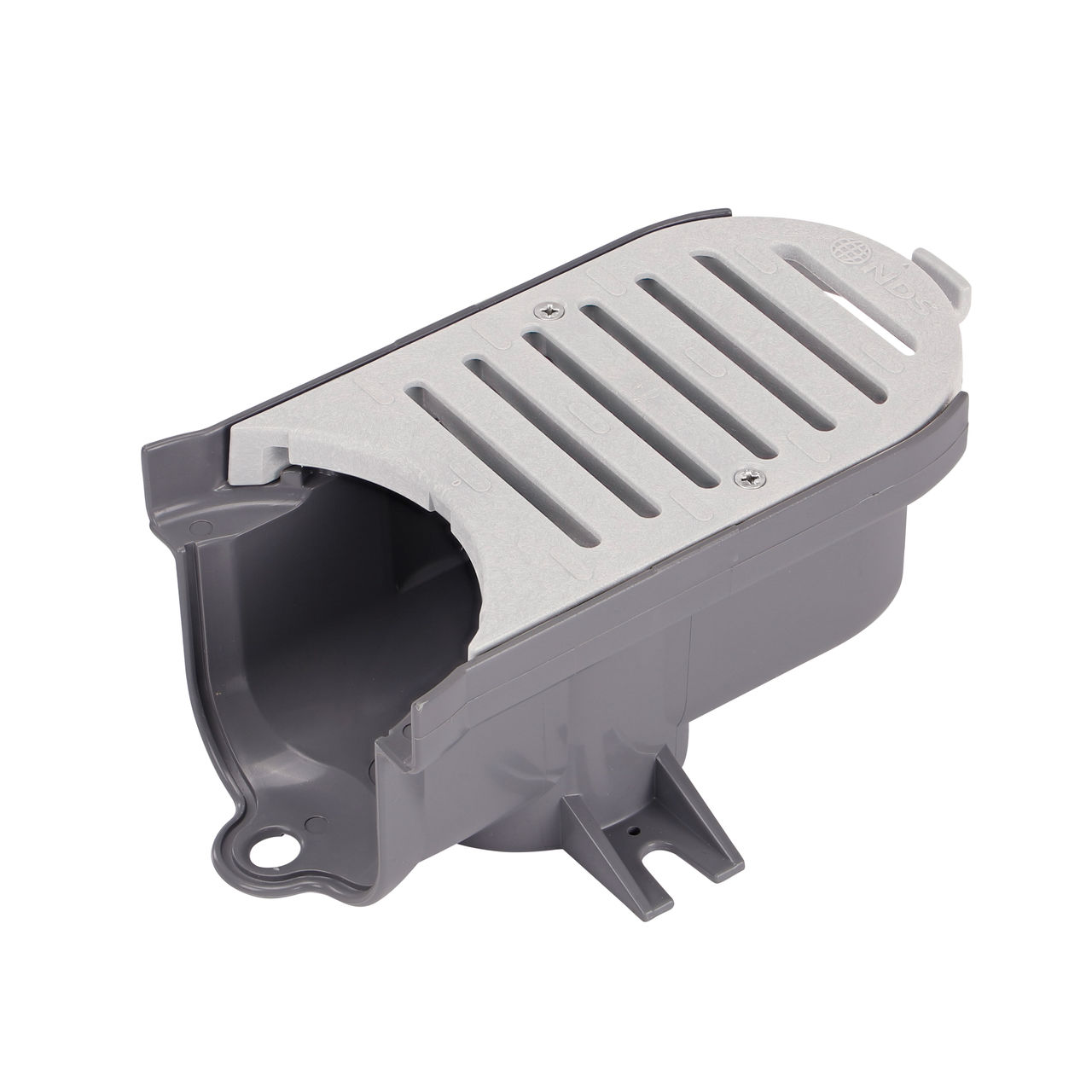
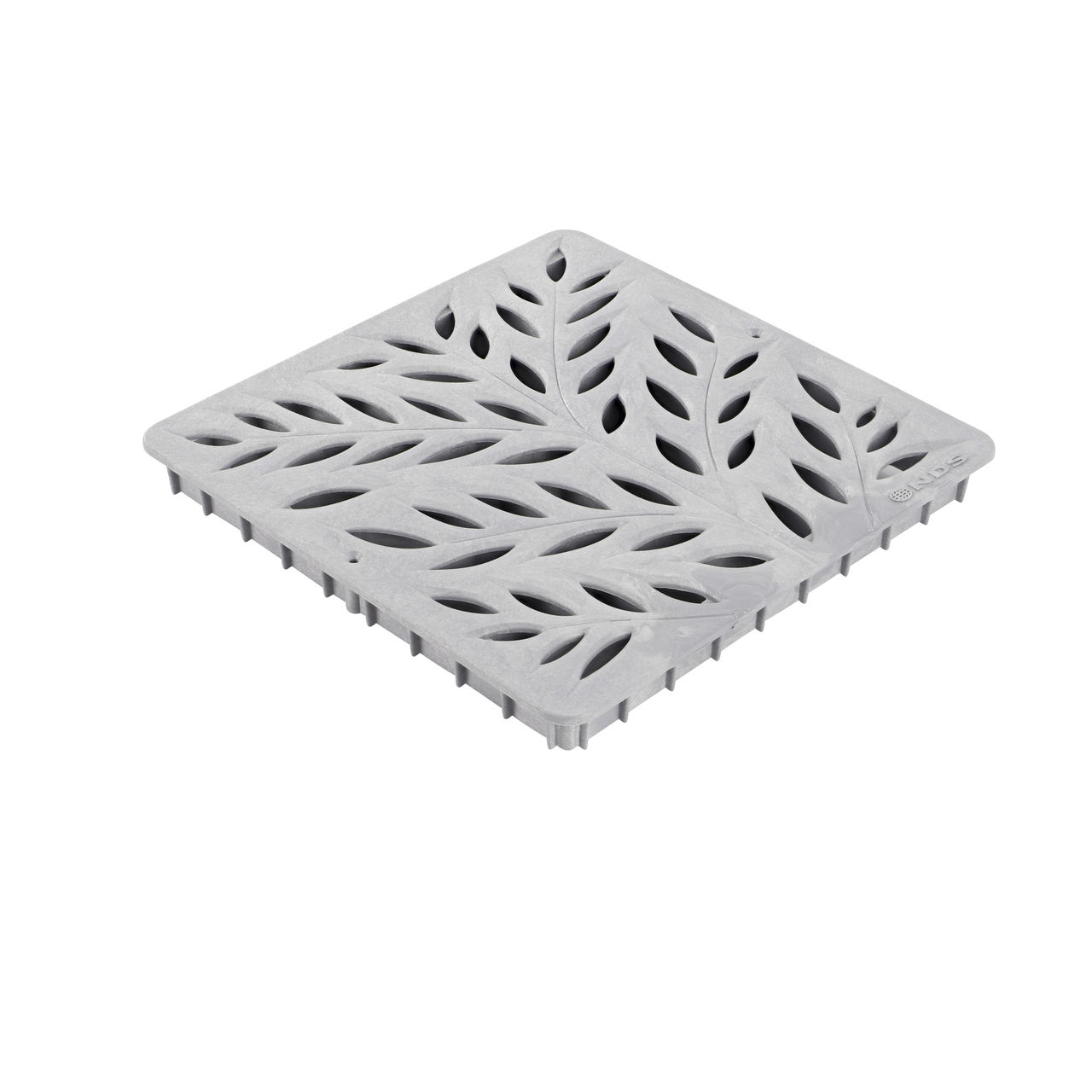
Once installation is complete, the visual impact is remarkably minimal. You might notice a thin line of gravel at the surface, decorative river rocks, or the drain may be completely hidden under restored turf. Many homeowners are surprised by how well the system blends into their landscape. The only visible signs are typically the inlet and outlet points, which can be disguised with landscaping or decorative grates. This low visual profile makes French drains an excellent choice for maintaining your property's aesthetic appeal while solving drainage problems.
How Does a French Drain Work?
French drains work by creating a path of least resistance for water to follow, effectively collecting and guiding excess water away from problem areas. The perforated pipe, surrounded by gravel, allows water to enter while filtering out debris. As water flows through the gravel and into the pipe, gravity and the system's slope do the work of moving it to a safe drainage destination.
The slope is critical—without it, water won’t flow effectively. Typically, the trench is dug at a slight incline to facilitate this movement. The perforations in the pipe allow water to seep in from all directions, while the surrounding gravel aids in collecting water across a wider area. The filter fabric adds the final layer of protection, preventing clogs while maintaining consistent water flow.
How French Drains Alleviate Hydrostatic Pressure for Effective Basement Waterproofing
Basement leaks often result from hydrostatic pressure—water pushing against foundations. French drains directly combat this. They collect and divert groundwater. This prevents water forcing its way inside. Relieving this pressure ensures a dry, waterproofed basement, crucial for home protection.
- Interior French Drains: Installed along the perimeter of basement floors, these drains protect against water infiltration and are often paired with a sump pump.
- Exterior French Drains: Placed around the foundation, retaining walls, or in the yard to intercept surface and subsurface water, preventing erosion and flooding.
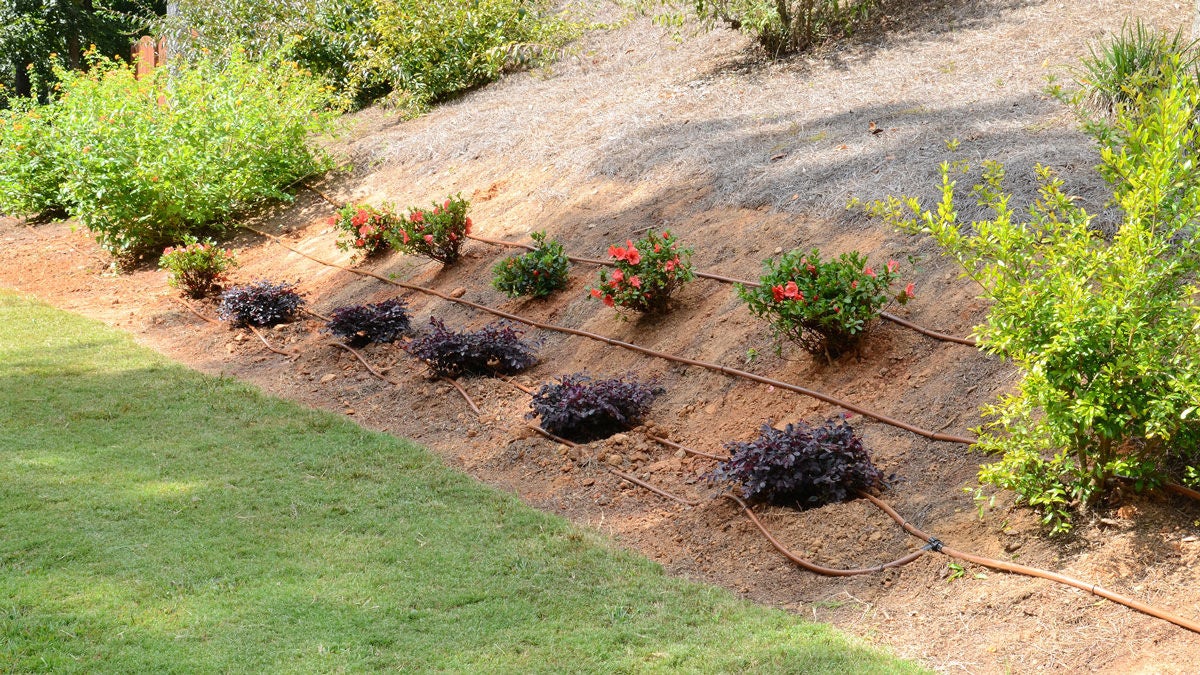
- Curtain Drains: Shallow versions designed to manage surface water over large areas, like lawns.
- Footing Drains: Installed at foundation base levels during construction to prevent water pressure buildup.
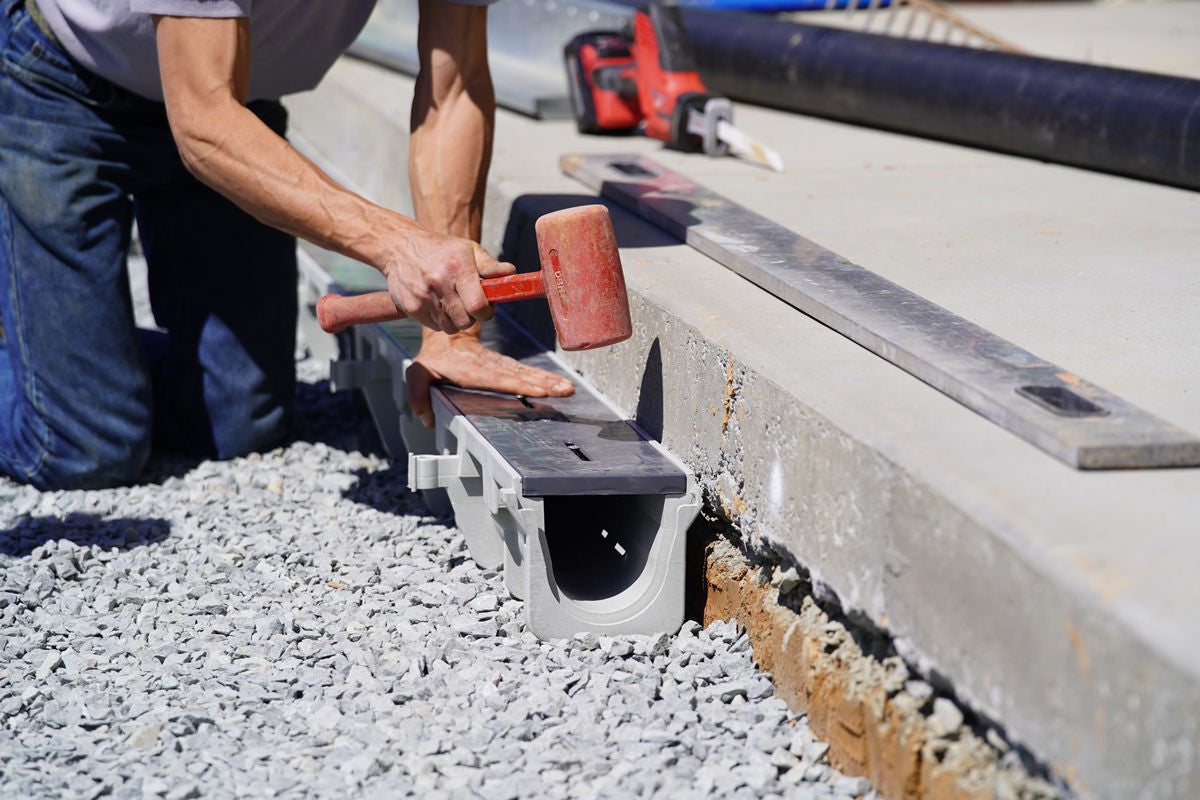
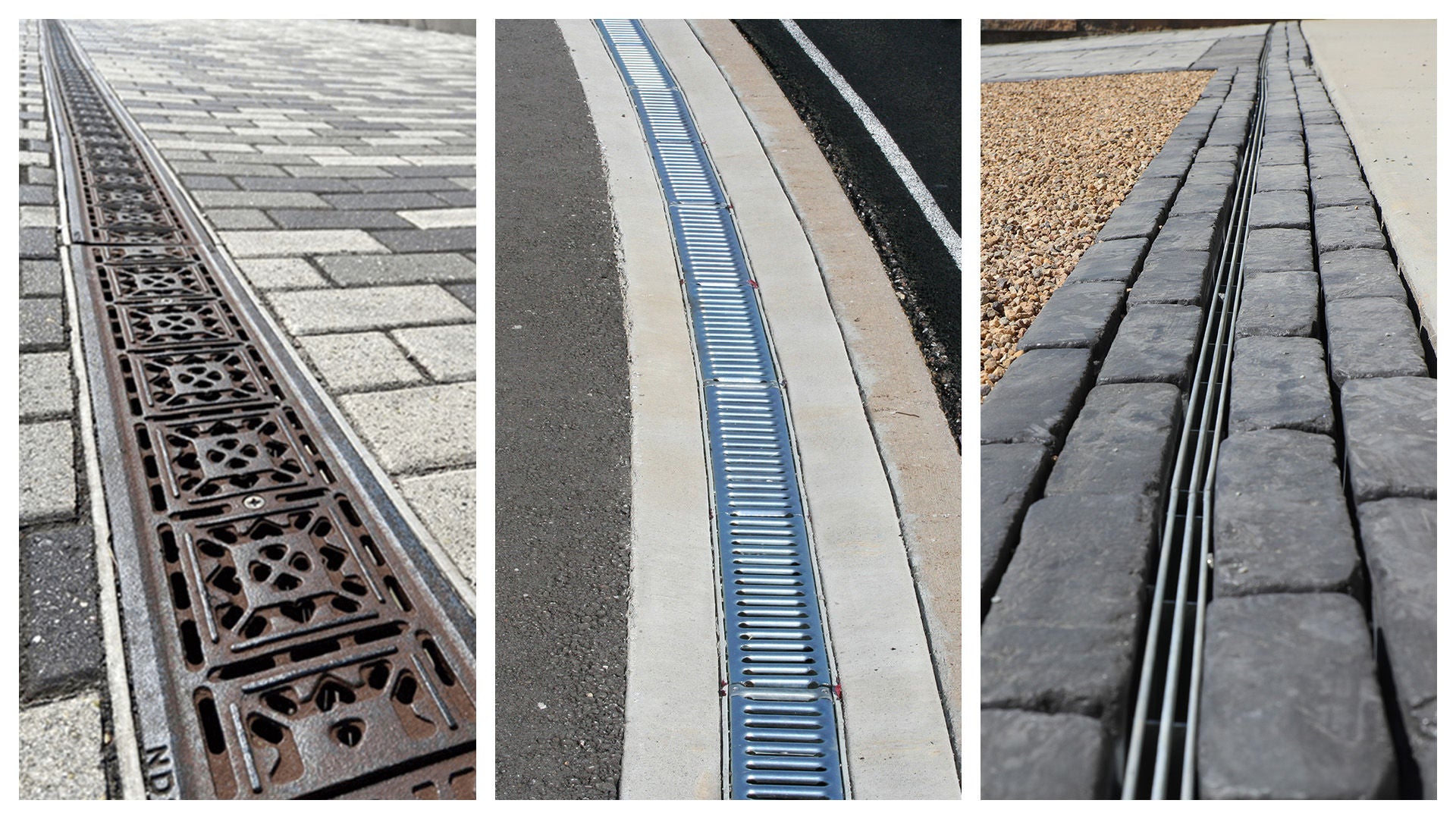
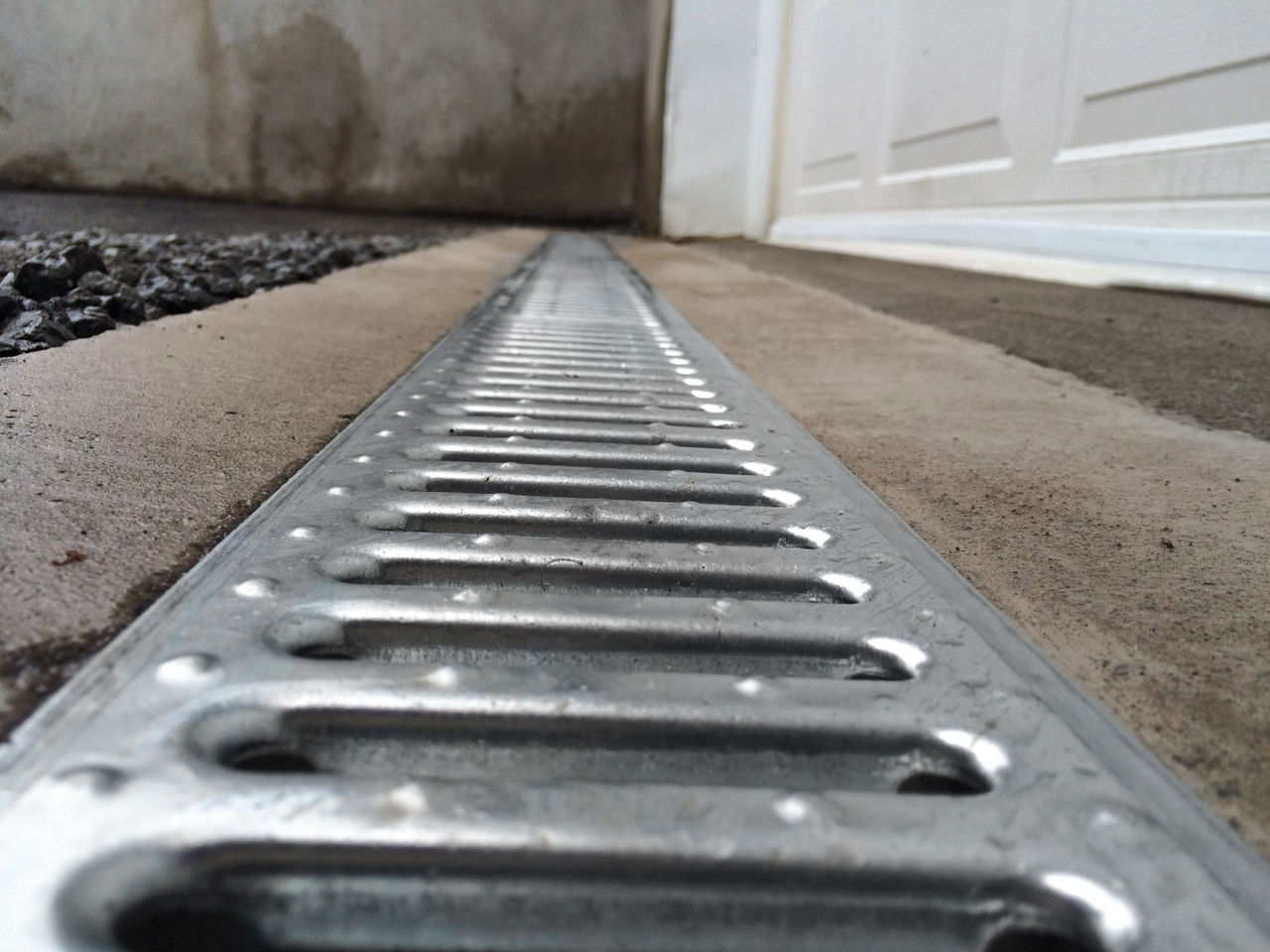
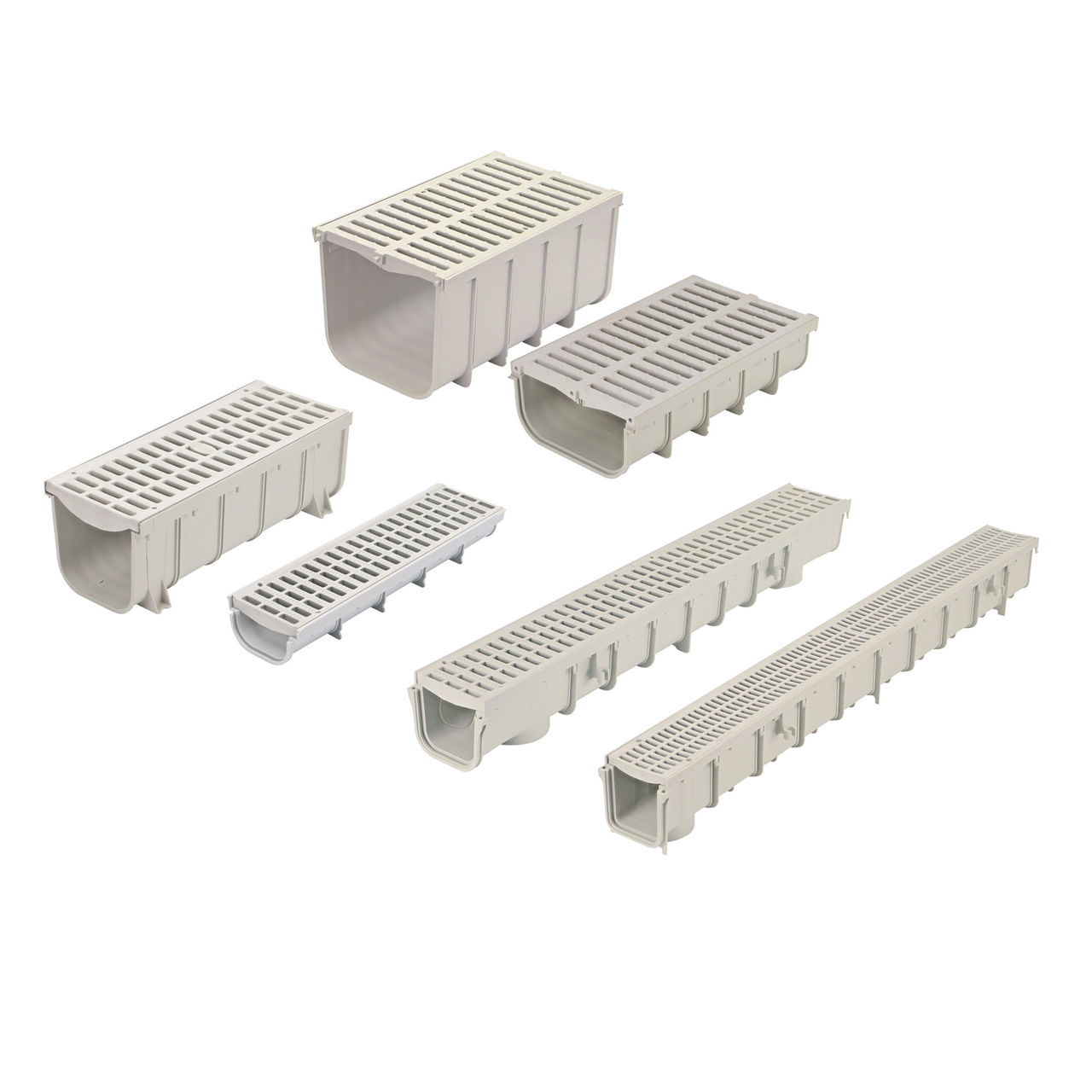
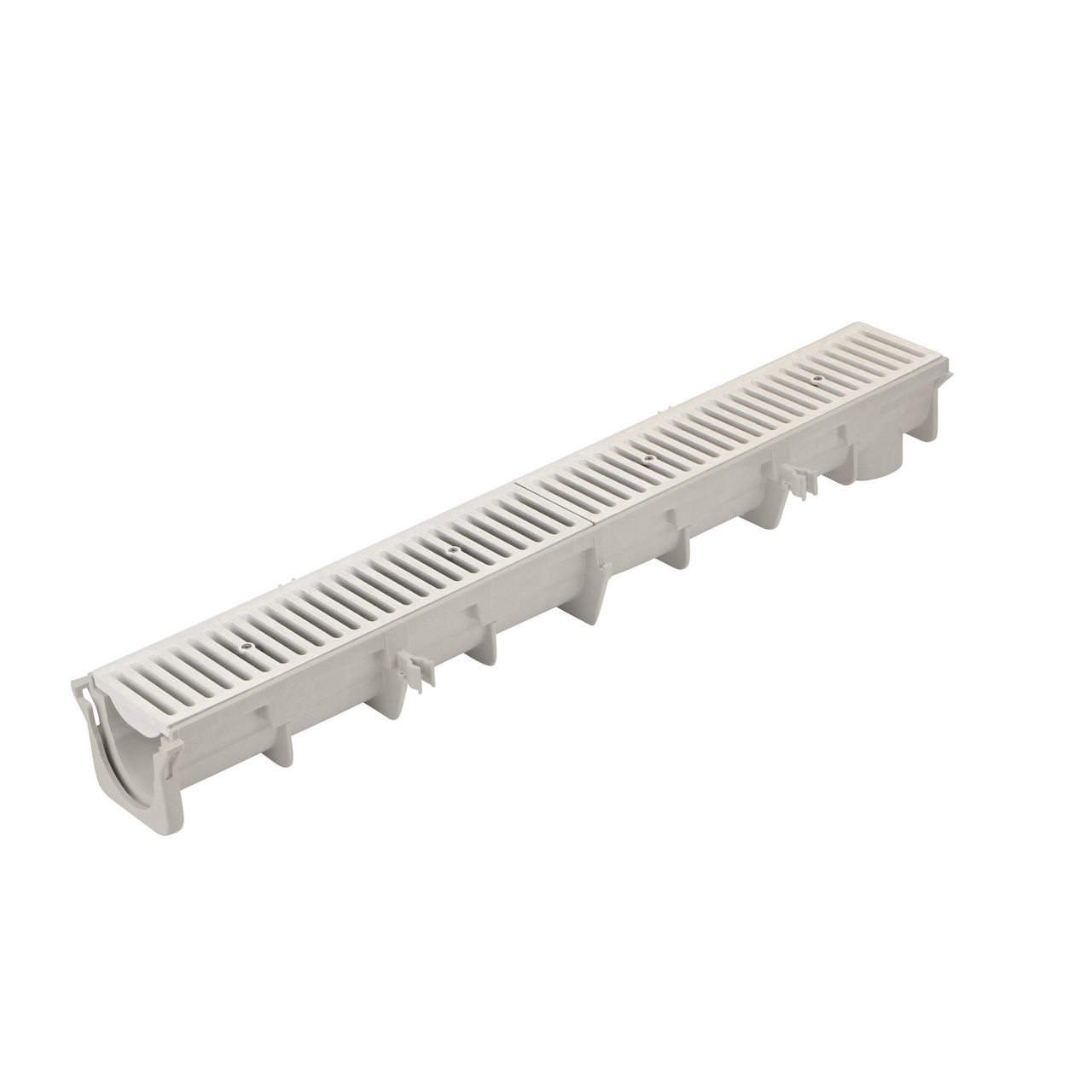
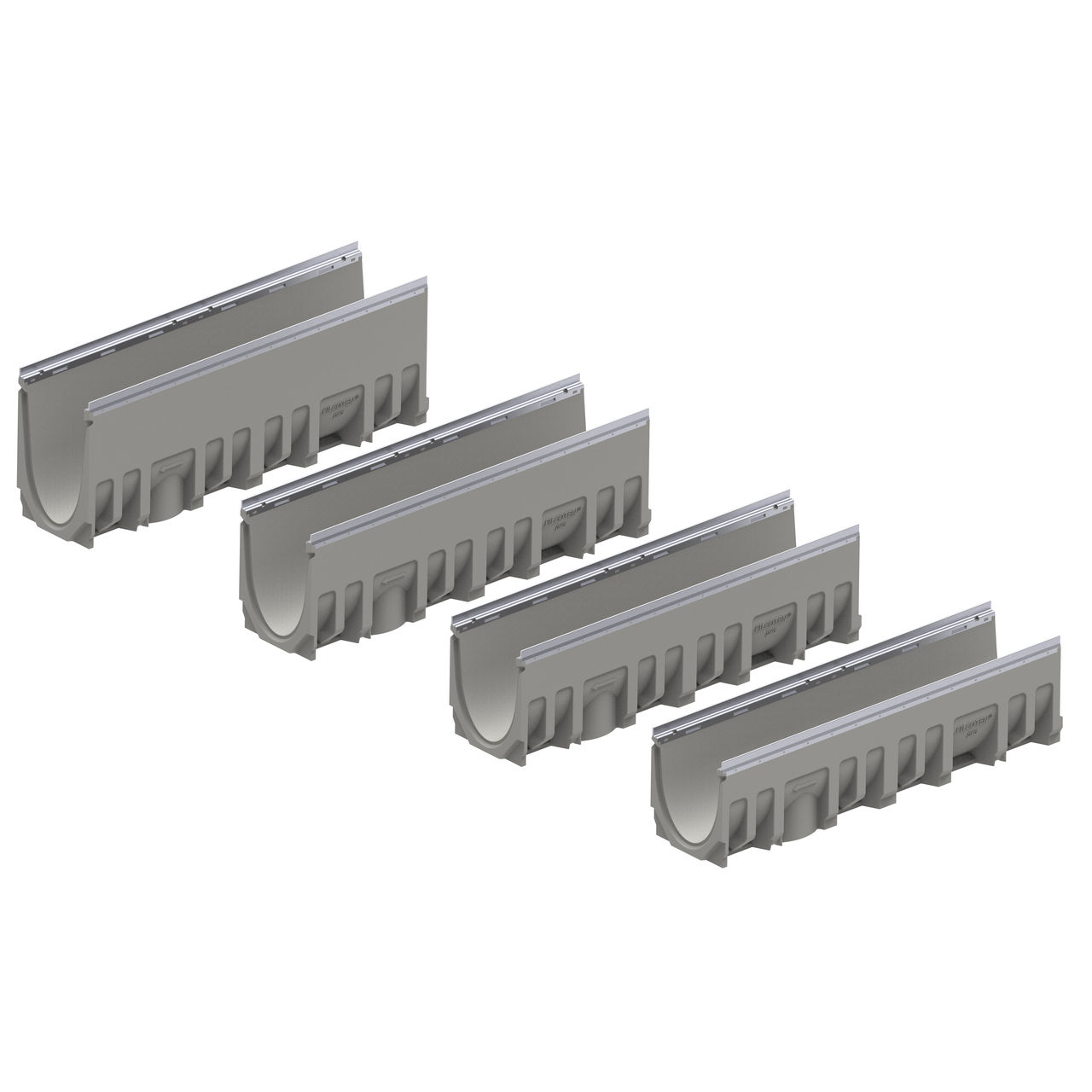
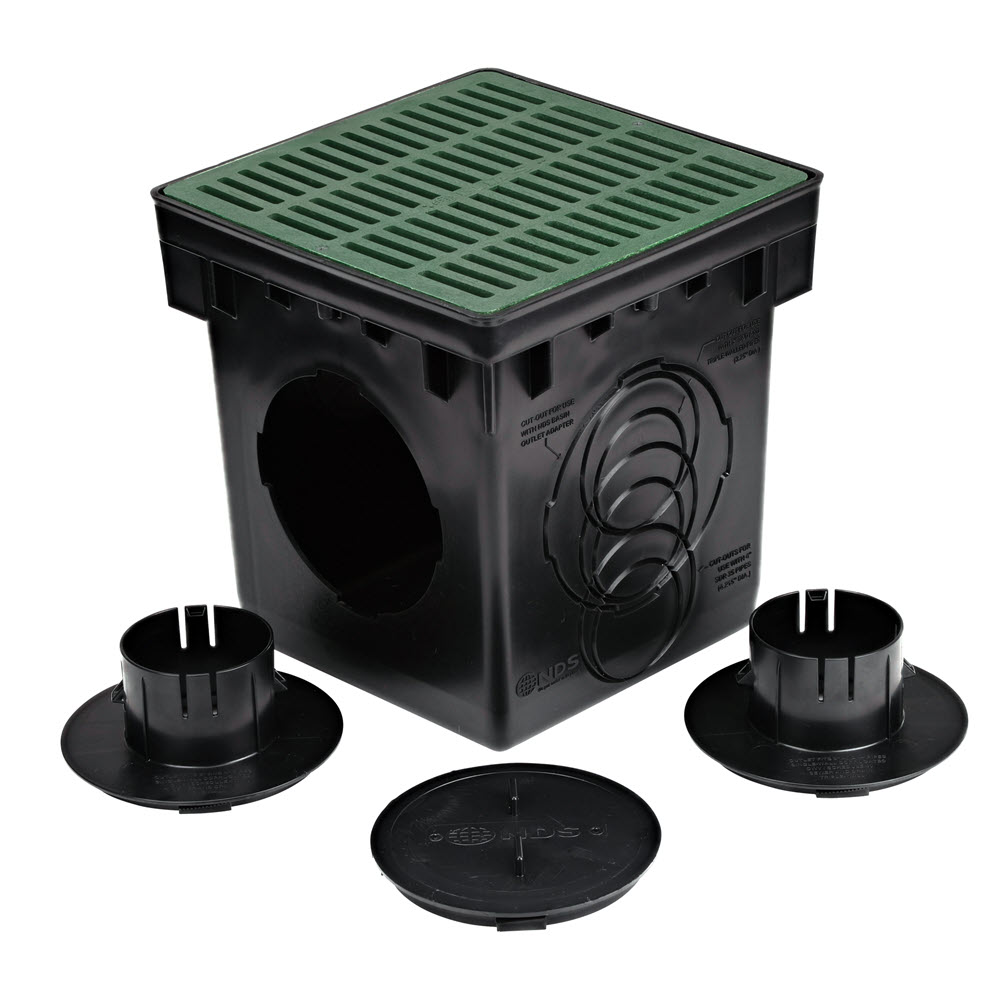
- Trench Drains: Surface-level systems ideal for hardscapes such as driveways or patios to capture runoff.
Cost, complexity, and lifespan vary: interior systems are more expensive but effective for basements, while simple trench drains are affordable and easier to install. French drains are a great choice when regrading isn't possible or as a complement to systems like dry wells. Compare options carefully to select the ideal solution for your property's drainage challenges.
When and Where to Use a French Drain
A French drain is the perfect solution for various drainage challenges around your property. If you’re dealing with a soggy lawn, water pooling around your foundation, or basement flooding during heavy rains, a French drain can help redirect excess water and protect your home.
French drains can provide either surface or subsurface drainage, depending on your needs. Surface drainage handles visible water on top of your lawn or driveway, while subsurface drainage targets groundwater that collects below the surface. For instance, if poor yard grading leads to standing water, a French drain can outperform solutions like dry wells by providing continuous water movement over wider areas.
Compared to alternatives, French drains stand out for their versatility in redirecting water from multiple trouble spots. They work particularly well in areas where regrading isn’t possible or where quick, efficient water flow is needed. Whether installed along a foundation, beneath a yard, or around landscaping, a French drain creates a reliable path for water to flow—keeping your property dry and secure.
See our French Drain Installation Guide for more tips on How to Install a French Drain.
When Not to Use a French Drain
French drains aren't the ideal solution for every drainage challenge. On extremely flat properties where achieving the necessary slope for proper water flow is difficult or impossible, alternative drainage methods may be more effective. Properties with heavy clay soil that doesn't allow adequate water percolation can also limit a French drain's effectiveness, as water may not reach the system efficiently.
Surface runoff from large impervious areas like driveways, sidewalks, or rooftops often requires immediate water capture rather than subsurface collection. In these cases, channel drains or surface drainage systems provide more direct solutions. Additionally, if your drainage issue stems from a high water table or seasonal groundwater fluctuations, a French drain may provide only temporary relief. Areas with significant root intrusion from large trees can also pose maintenance challenges, as roots may repeatedly clog the system. Understanding these limitations helps ensure you choose the most appropriate drainage solution for your specific situation.
Signs You Might Need a French Drain
-
Persistent standing water in your yard that doesn't drain within 24-48 hours after rainfall
-
Soggy, waterlogged lawn areas that remain muddy even during dry weather
-
Water seeping into your basement or crawl space during heavy rains
-
Pooling water along your foundation walls or around your home's perimeter
-
Water damage or erosion along retaining walls or sloped areas
-
Dead or yellowing grass in areas where water consistently collects
-
Mold or mildew growth in basement areas due to excess moisture
-
Flooded walkways, driveways, or patios after storms
What are the Benefits of French Drains: Pros & Cons
French drains are an effective and inexpensive method for preventing water damage to foundations, but they are not suitable for clay-heavy soils and require regular maintenance to prevent clogs from debris and sediment. While they have a low visual impact, their installation can be labor-intensive.
Pros (Benefits) of French Drains:
- Inexpensive and highly effective for water management
- Low visual impact when buried, blending seamlessly into landscaping
- Excellent for preventing water damage to foundations and basements
Cons (Considerations) of French Drains:
-
Not suitable for clay-heavy or poorly draining soils, which can reduce effectiveness
-
Requires regular maintenance, as clogs from debris and sediment can disrupt water flow
-
Installation can be labor-intensive and may involve professional help
While French drains offer significant advantages in many scenarios, considering site-specific factors like soil type and drainage needs, is crucial to ensuring success.
French Drain Costs, Permits, & Maintenance
Costs
The cost of installing a French drain can vary depending on the scope of the project and whether you choose DIY installation or hire a professional. A DIY French drain may cost between $10 and $25 per linear foot for materials like perforated pipes, gravel, and filter fabric. In contrast, professional installation can range from $25 to $80 per linear foot, factoring in labor and specialized equipment for digging and grading. Large-scale projects or complex installations, such as those for basements, may involve higher costs.
Permits
Permit requirements for French drains depend on local regulations, often varying by municipality. While small, backyard projects may not require permits, larger installations, particularly those altering foundations or affecting property drainage, typically do. Homeowners should consult their local building department for rule compliance.
Maintenance and Troubleshooting
French Drain Maintenance Checklist:
- Keep the outlet of the pipe clear from debris to ensure smooth water flow
- Periodically flush the system with water to prevent sediment buildup
- Inspect for plant root intrusion and remove any roots that may clog the drain
- Check for signs of water pooling or reduced flow, which could indicate underlying blockages
If you notice persistent drainage issues or need to unclog a system, this may require professional evaluation and repair to ensure optimal performance. Routine care minimizes the risk of costly repairs and prolongs the drain’s lifespan.
Types of French Drains - Finding the Right French Drain for Your Property
There are two main types of French drains designed to address different water management needs:
Interior French Drains (Basements):
Installed along the interior perimeter of a basement, these drains capture water and channel it to a sump pump, perfect for keeping basements dry during heavy rainfall.
Exterior French Drains (Yard/Foundation Perimeter):
Installed outdoors, these drains redirect water away from areas like your yard, driveway, or foundation, helping to prevent erosion and flooding.
Cost, complexity, and lifespan vary: interior systems are more expensive but effective for basements, while simple trench drains are affordable and easier to install. French drains are a great choice when regrading isn’t possible or as a complement to systems like dry wells. Compare options carefully to select the ideal solution for your property’s drainage challenges.
French Drain Design and Installation Considerations
Key factors in French drain design include capacity, soil type, and location. Proper capacity ensures the system can handle heavy water flow. Soil type affects performance—gravelly soils are ideal, while clay-heavy soils may require additional solutions. Location is critical for directing water safely away from structures.
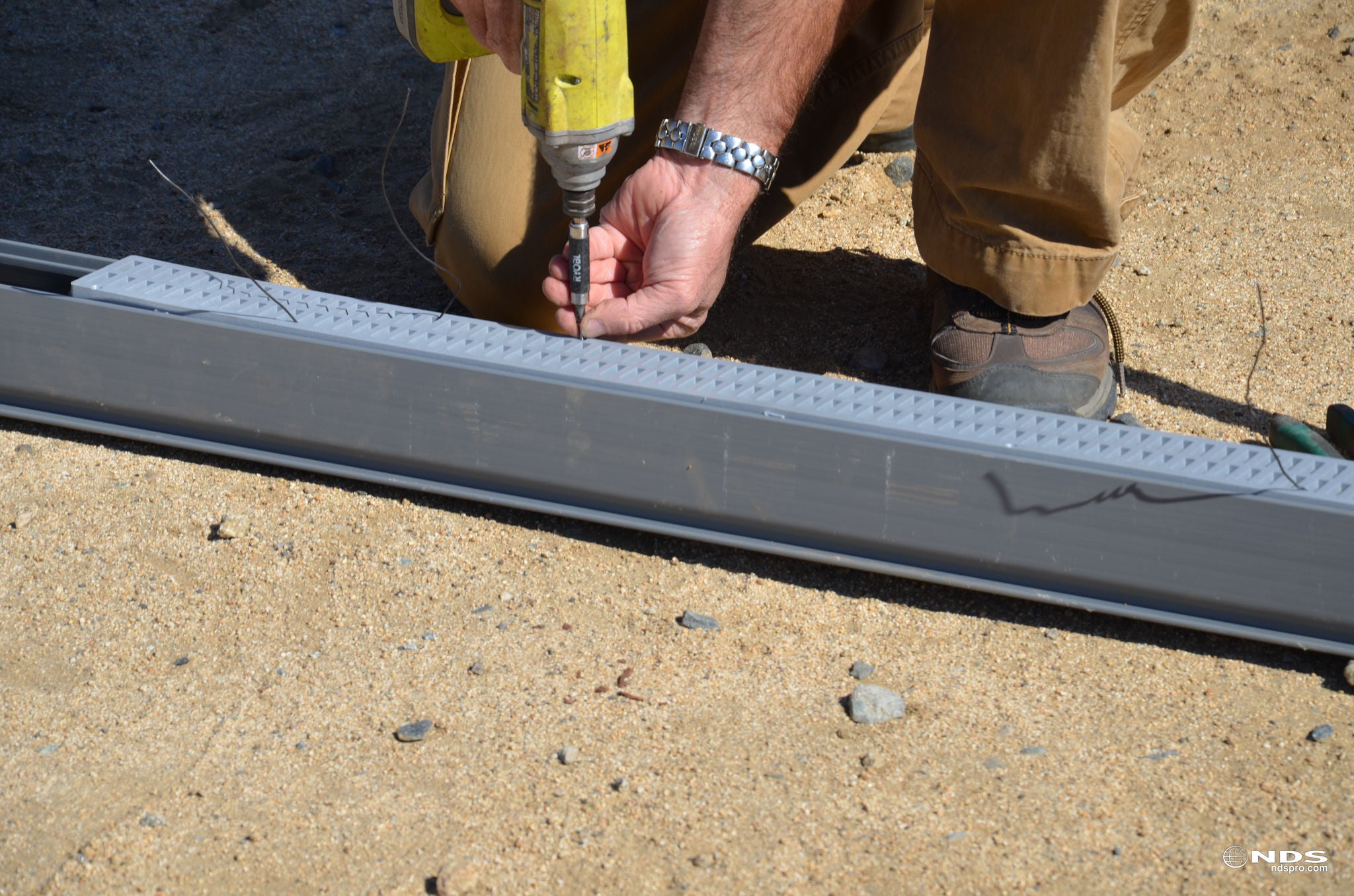
The French drain installation process involves digging a sloped trench, placing the perforated pipe, surrounding it with gravel or rock, and wrapping the system in filter fabric to prevent clogs. While some projects can be DIY, complex installations may need professional help. Additionally, many municipalities require permits, so check local regulations before beginning. For more detailed guidance, see our installation guide. You can also check out our pre-assembled EZflow French drain here.
What Homeowners Need To Know about French Drain Basement Waterproofing
Understanding French drain systems is crucial for any homeowner facing basement water issues. These effective waterproofing solutions divert excess groundwater away from your foundation, preventing leaks, mold growth, and structural damage. Learning about their installation, benefits, and maintenance can save you significant repair costs and provide lasting peace of mind.
Special Considerations for Installing in Clay Soil
Installing a French drain in clay soil presents unique challenges due to clay's poor water percolation properties. Clay's dense, compact nature prevents water from moving freely through the soil, which can significantly reduce the effectiveness of a standard French drain installation. However, with proper techniques and materials, you can create a successful drainage system even in challenging clay conditions.
The key to success in clay soil is using a high-quality non-woven geotextile fabric that prevents fine clay particles and silt from infiltrating the drainage system while still allowing water to pass through. This fabric acts as a critical barrier, maintaining the integrity of your gravel bed and preventing long-term clogging. Additionally, selecting the correct coarse aggregate backfill is essential—use clean, angular gravel ranging from 3/4 inch to 1.5 inches in size to ensure optimal water flow and prevent compaction. Consider extending the trench depth and width beyond standard specifications to accommodate the slower water movement in clay, and ensure the outlet has adequate capacity to handle the concentrated flow that clay soil systems typically produce.
FAQs about French Drains
What happens when a French drain is full?
When full, the drain may overflow, causing water to pool in unintended areas. This is often a sign of clogs or an undersized system.
Where does the water go?
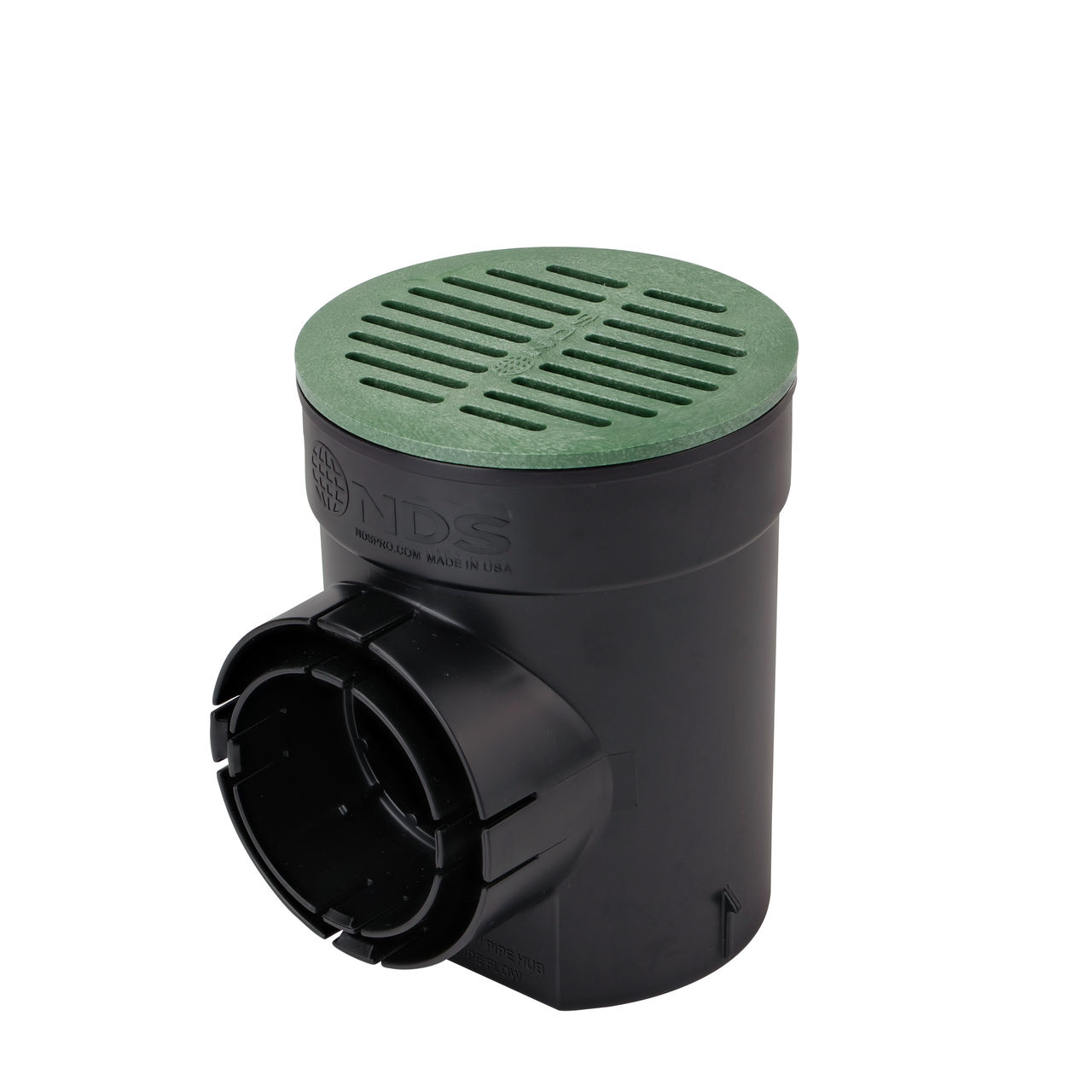
Water flows through the perforated pipe to a safe drainage point, like a dry well, stormwater system, or lower-lying area.
Do French drains require maintenance?
Yes, periodic maintenance is necessary to ensure the system functions smoothly. This includes keeping outlets clear, flushing the system with water, and removing plant roots that may obstruct flow.
How long do they last?
With proper maintenance, a French drain can last 30+ years. However, soil conditions, debris buildup, and lack of upkeep can shorten its lifespan. Regular inspections help prevent costly repairs.
Does a French drain impact the resale value of a home?
A properly installed French drain can significantly enhance a home's appeal and protect its foundation, often positively impacting resale value. By preventing water damage, basement flooding, and mold issues, it demonstrates proactive home maintenance. While it may not drastically increase the price, it can be a strong selling point, reassuring potential buyers about the property's structural integrity and saving them from future costly repairs, making the home more attractive in the market.
Conclusion
A French drain is an indispensable solution for effectively managing excess water, safeguarding foundations, and maintaining the integrity of your landscape. By expertly redirecting surface and subsurface water, these systems combat hydrostatic pressure, prevent pooling, and ensure a dry, healthy property.
Successful French drain installation hinges on careful planning, understanding soil types, and precise execution to create a lasting, low-maintenance drainage solution.
Given their critical role in protecting your home and property value, choosing the right system and ensuring its proper installation are paramount.
For optimal performance and lasting peace of mind, trust an NDS Pro contractor to design and implement a tailored French drain system that effectively addresses your unique drainage challenges.
Invest in NDS French Drain systems to secure homes and property from water damage, support landscape health, and ensure sustainable water management for years to come.