


Retention vs. Detention Ponds: A Contractor’s Guide to Smarter Stormwater Solutions
If you've ever wondered why some ponds always have water and others look more like empty bowls most of the time, you're not alone. When it comes to managing stormwater, especially in residential developments or commercial sites, knowing the difference between retention and detention ponds matters.
Both systems help control runoff and reduce flooding risks, but they do it in totally different ways. Choosing the right one can impact everything from how a site looks and functions to long-term maintenance and even compliance with local regulations.
So whether you're a contractor working on your next subdivision, a homeowner curious about that pond near your backyard, or a developer looking to make smart design choices, this guide lays it all out with what each pond does and why it matters.
What is a Retention Pond?
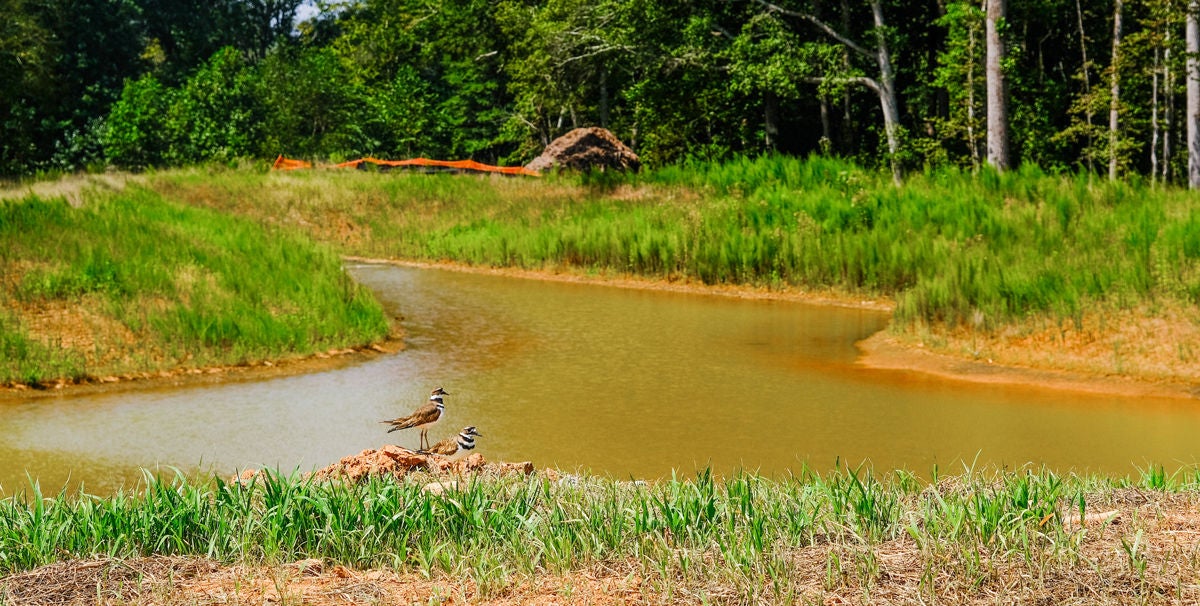
A retention pond is a permanent stormwater management system designed to hold and treat runoff on site. Unlike systems that drain completely, a retention pond maintains a constant pool of water year-round. It collects runoff from impervious surfaces like driveways, rooftops, and roads, allowing sediment to settle and pollutants to break down naturally. Treated water is then slowly released through an outlet structure, such as a controlled drain or overflow pipe into nearby drainage channels, storm sewers, or natural waterways, preventing downstream flooding and erosion.
Why Use a Retention Pond?
Retention ponds are built to collect runoff from things like roofs, driveways, and roads. That water gets stored in the pond, where sediment settles and plants or microbes break down pollutants over time. Basically, it’s like nature’s Brita® filter, but on a bigger scale.
Here are some benefits of a retention pond:
-
Improve water quality before it leaves the site
-
Reduce downstream flooding
-
Support wildlife habitat
-
Improve a landscape design
Retention Pond Design 411
Retention ponds typically have:
-
A permanent pool of water, usually 4 to 8 feet deep, with deeper zones for sediment and aquatic life
-
Shallow shelves (called littoral zones) that support aquatic plants and help filter runoff
-
Outlet control structures that regulate overflow and maintain a consistent water level
-
Sloped sides stabilized with vegetation to prevent erosion
-
Forebays or sediment zones near the inlets to capture debris and make maintenance easier
These systems are designed to improve water quality over time by supporting biological treatment processes and settling out pollutants. With the right design and vegetation, they can also serve as habitat for wildlife and enhance the surrounding landscapes.
What is a Detention Pond?
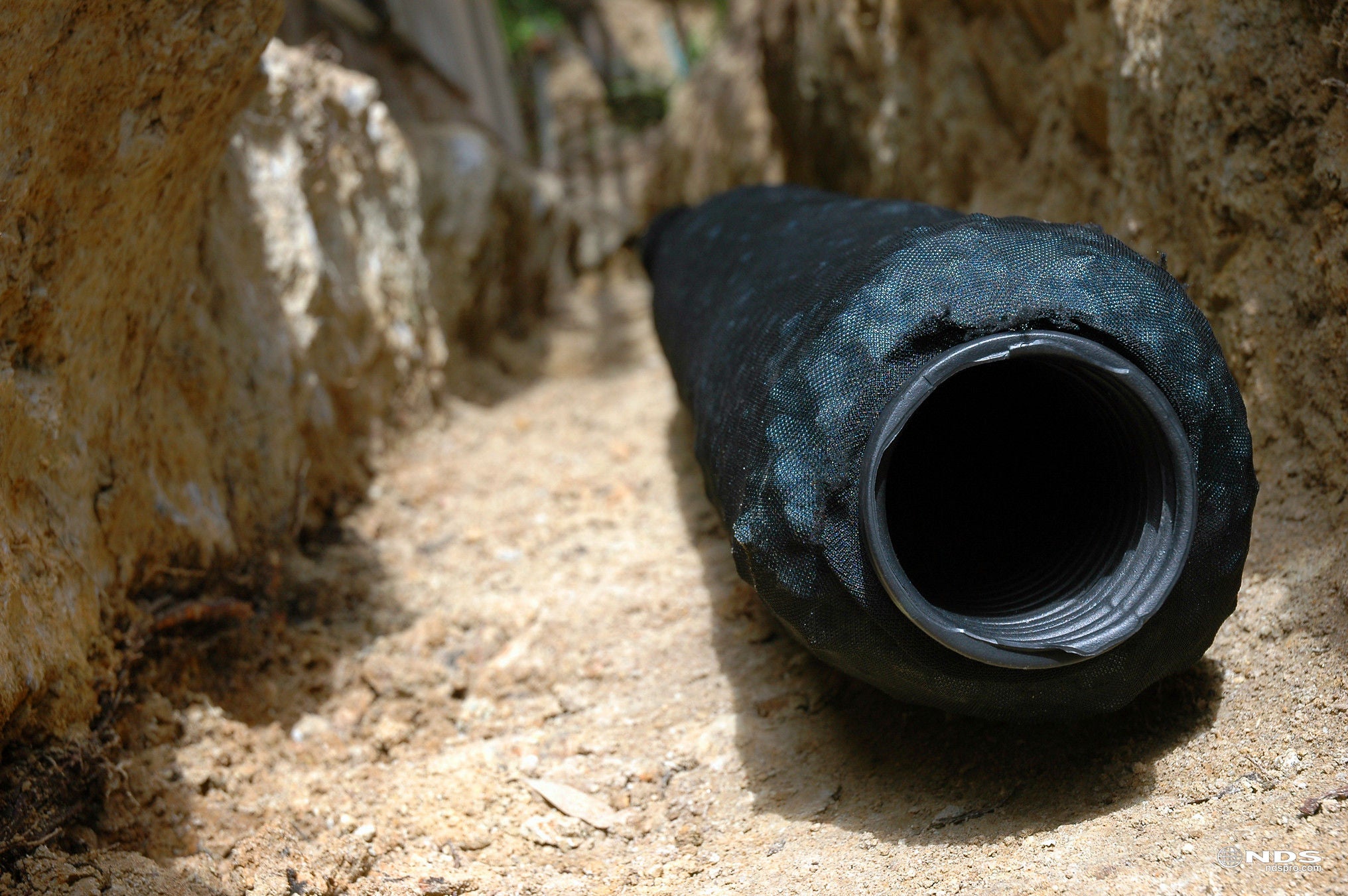
A detention pond is a temporary water storage system used to control stormwater runoff during and after rainfall. These systems remain dry under normal conditions and only hold water for a short period, typically 24 to 72 hours, before draining completely. Water is gradually released through a controlled outlet, such as a perforated pipe, which regulates the flow into nearby storm drains or natural waterways. This slow release helps reduce peak discharge, minimize erosion, and prevent downstream flooding.
Why Use a Detention Pond?
-
You’re working in an area with heavy rain and need short-term water storage
-
The goal is to manage peak stormwater flow without creating a permanent pond
-
You need to reduce downstream flooding but want something with lower maintenance
-
The site has limited space and needs the pond area to double as a field or open space when dry
Detention Pond Design 411
Detention ponds typically have:
-
Flat or gently sloped bottoms that stay dry between storms
-
Shallow basin depth, often between 2 to 4 feet, designed to hold water temporarily
-
Inlet and outlet structures that control how quickly water enters and leaves the pond
-
Vegetated side slopes for stability and erosion control
-
Emergency spillways to manage overflow during major storm events
These systems are usually designed for quick drainage and easy access for maintenance crews. Since there’s no standing water, they can double as open space, like grassy areas or playing fields when dry.
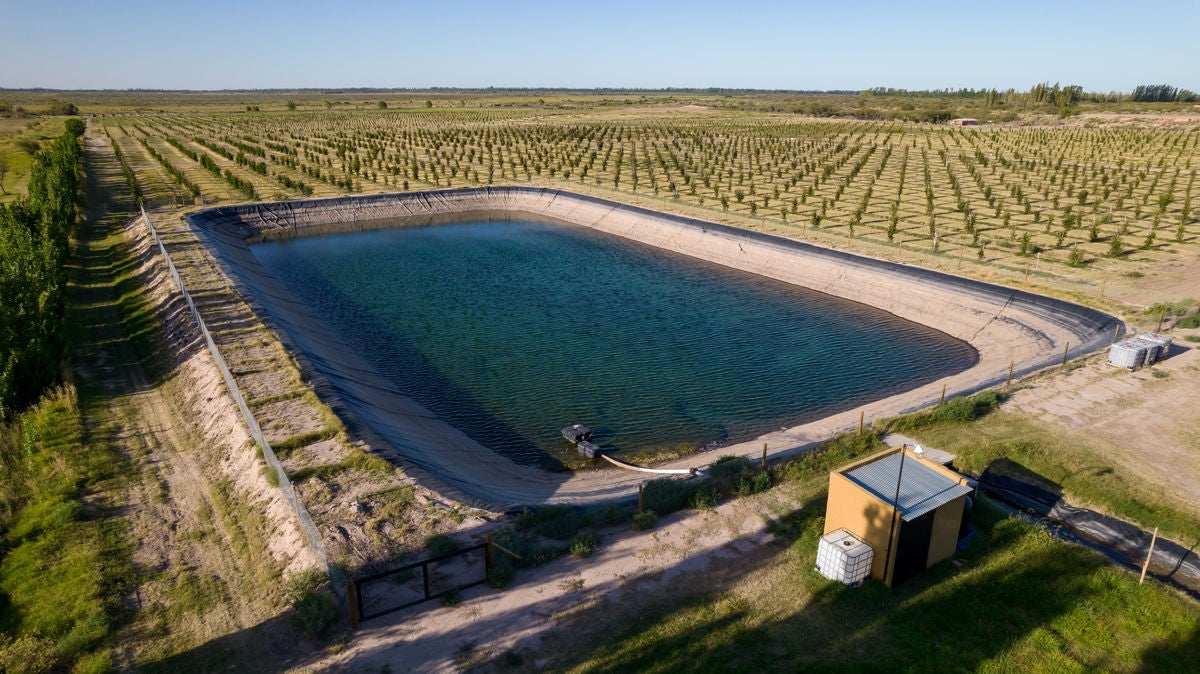
Key Differences Between Retention and Detention Ponds
While both pond types play a role in managing stormwater, they’re built for different outcomes. Understanding the distinctions can help contractors, developers, and property owners choose the right system for performance, maintenance, and even aesthetics.
Water Presence
This is the biggest difference. Retention ponds hold a permanent pool of water year-round. Detention ponds only fill temporarily during and after rainfall, then drain out within a few days.
Primary Function
Retention ponds are designed to treat water. They allow sediment and pollutants to settle and break down before slowly discharging cleaner water. Detention ponds are focused on flood control. Their job is to slow down runoff and reduce the risk of overwhelming storm systems.
Maintenance Requirements
Retention ponds require more long-term care. That includes managing vegetation, removing sediment, and monitoring water quality. Detention ponds are simpler. Occasional inspections and sediment removal usually cover it.
Wildlife and Habitat Value
Retention ponds support aquatic ecosystems and attract birds, frogs, and beneficial insects. Detention ponds are dry most of the time, so they offer limited habitat potential.
Recreational Use
Because they hold standing water, retention ponds are not designed for recreation. Detention ponds, on the other hand, can double as open green space, sports fields, or community park areas when dry.
Vegetation and Appearance
Retention ponds are often planted with aquatic or semi-aquatic plants that help with filtration and boost visual appeal. Detention ponds use grass or groundcover for erosion control and tend to look more like open basins or fields.
Depth and Design
Retention ponds are deeper, usually 4 to 8 feet, to hold permanent water and allow pollutant settling. Detention ponds are shallower, typically 2 to 4 feet, and are designed to drain quickly.
Wrapping Up the Differences Between Retention and Detention Ponds
Retention and detention ponds may look similar at a glance, but their purpose, design, and long-term impact on a site are very different. Retention ponds work best when water quality, ecological benefits, and aesthetics are priorities. Detention ponds are better suited for quick drainage, lower maintenance, and dual-purpose space.
Each system has a place depending on what the site needs to handle. Knowing how they function is the first step. The next is choosing the right one for your project.
Choosing the Right Pond for Your Project
The decision between a retention and detention pond depends on more than just space. It’s about aligning your drainage strategy with site conditions, local regulations, and long-term maintenance plans.
Choose a Retention Pond When:
- Water quality treatment is a priority
- You want to support habitat or enhance landscaping with a water feature
- You’re working in areas with strict pollutant removal requirements
- The site can support permanent standing water
Choose a Detention Pond When:
- The focus is on managing peak flow and preventing flooding
- You need a lower-maintenance solution
- The area should remain dry between storms for other uses
- You’re working on a site with limited depth or poor infiltration
Local codes may also influence your choice. Some municipalities require retention ponds to meet specific water quality standards, while others prioritize detention for flood control. Always confirm drainage requirements with the authority having jurisdiction before finalizing your system.
Final Thoughts
Whether you're managing runoff in a new residential development or retrofitting a commercial site, the right stormwater system can make or break long-term performance. Retention and detention ponds both have their strengths, but understanding how they differ and how they fit into your site’s goals is what drives smart design.
Looking for expert support on selecting, designing, or installing a stormwater solution?
NDS has you covered with product guidance, design tools, and a nationwide network of pros to get the job done right.