







What is a Trench Drain? A Comprehensive Guide to Trench and Channel Drainage Systems
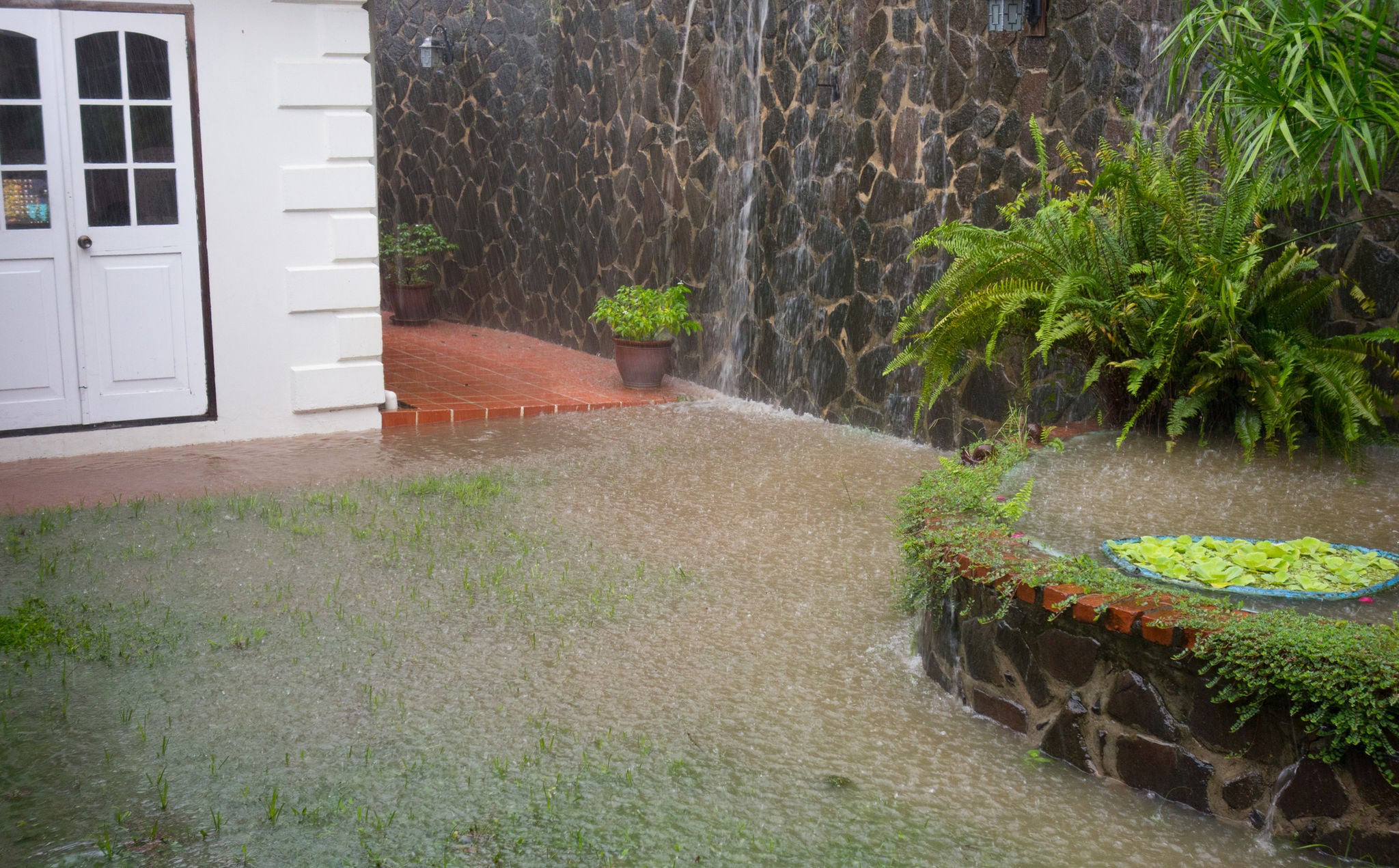
Water damage costs American homeowners billions of dollars annually, with poor drainage being one of the leading culprits behind flooding, foundation issues, and property deterioration. If you've ever experienced standing water issues around your property, water pooling in your garage, or surface runoff overwhelming your existing drainage system, you're not alone. The solution to many of these water drainage problems lies in understanding and implementing effective surface water management systems.
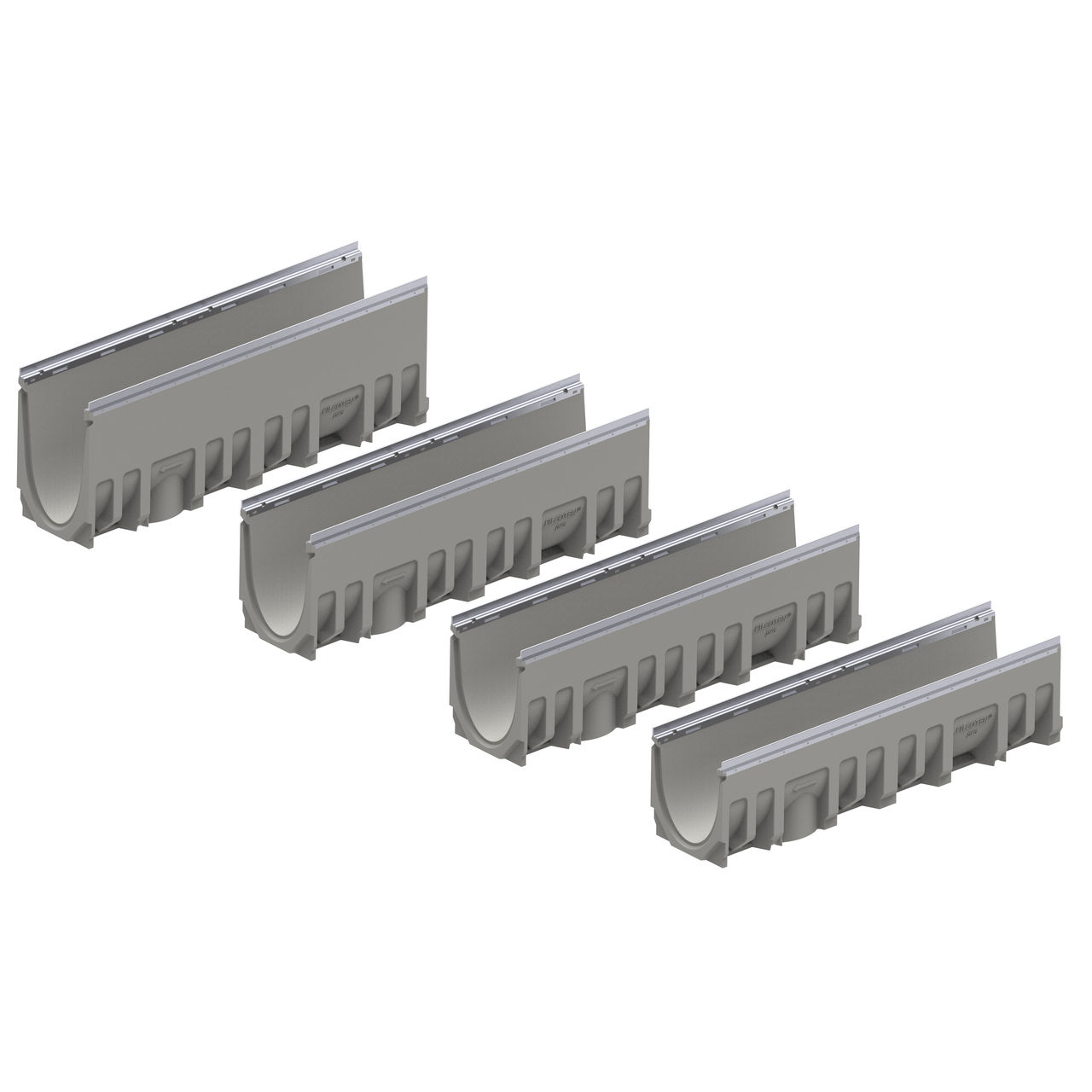
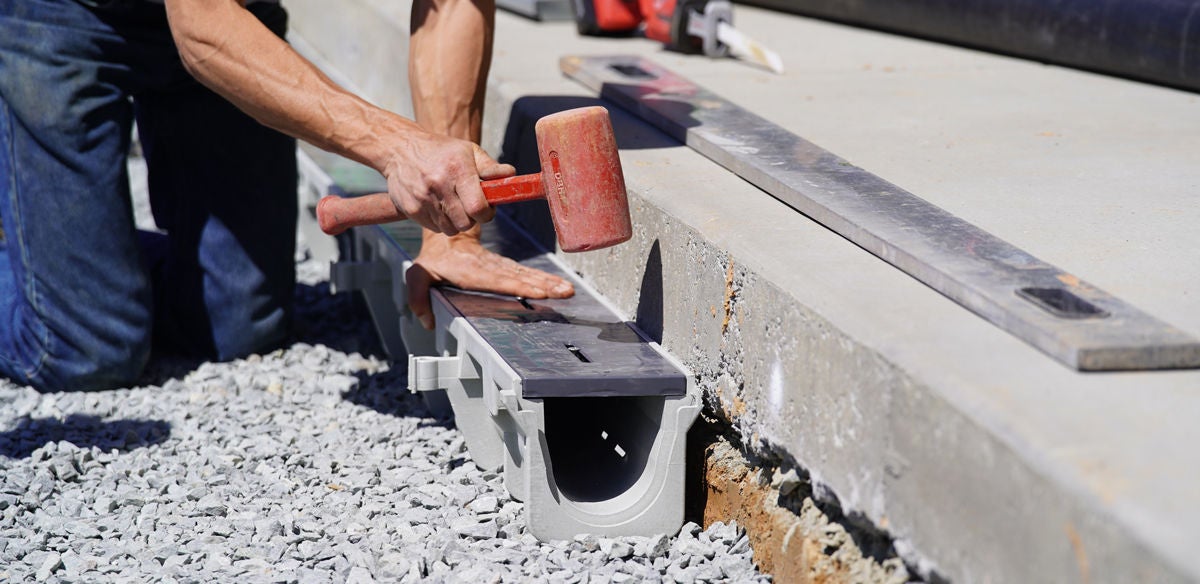
What is a trench drain? A trench drain, also known as a channel drain or linear drainage system, is a specialized drainage solution designed to collect and redirect large volumes of surface water across wide areas. Unlike traditional point drains that collect water from a single location, trench drains capture runoff along their entire length, making them exceptionally effective for stormwater runoff methods and water runoff control.
This guide will explore everything homeowners need to know about trench drainage systems, from basic functionality and components to installation considerations, maintenance requirements, and cost factors. Whether you're dealing with water accumulation in your driveway, considering a trench drain in the garage, or exploring professional drainage solutions, this article will help you make informed decisions about your property's water management needs.
Read on to understand how trench drains work, the various types available, their applications in residential settings, and how to determine if it is the right solution for your specific drainage challenges.
Understanding Trench Drains: Definition and Core Concepts
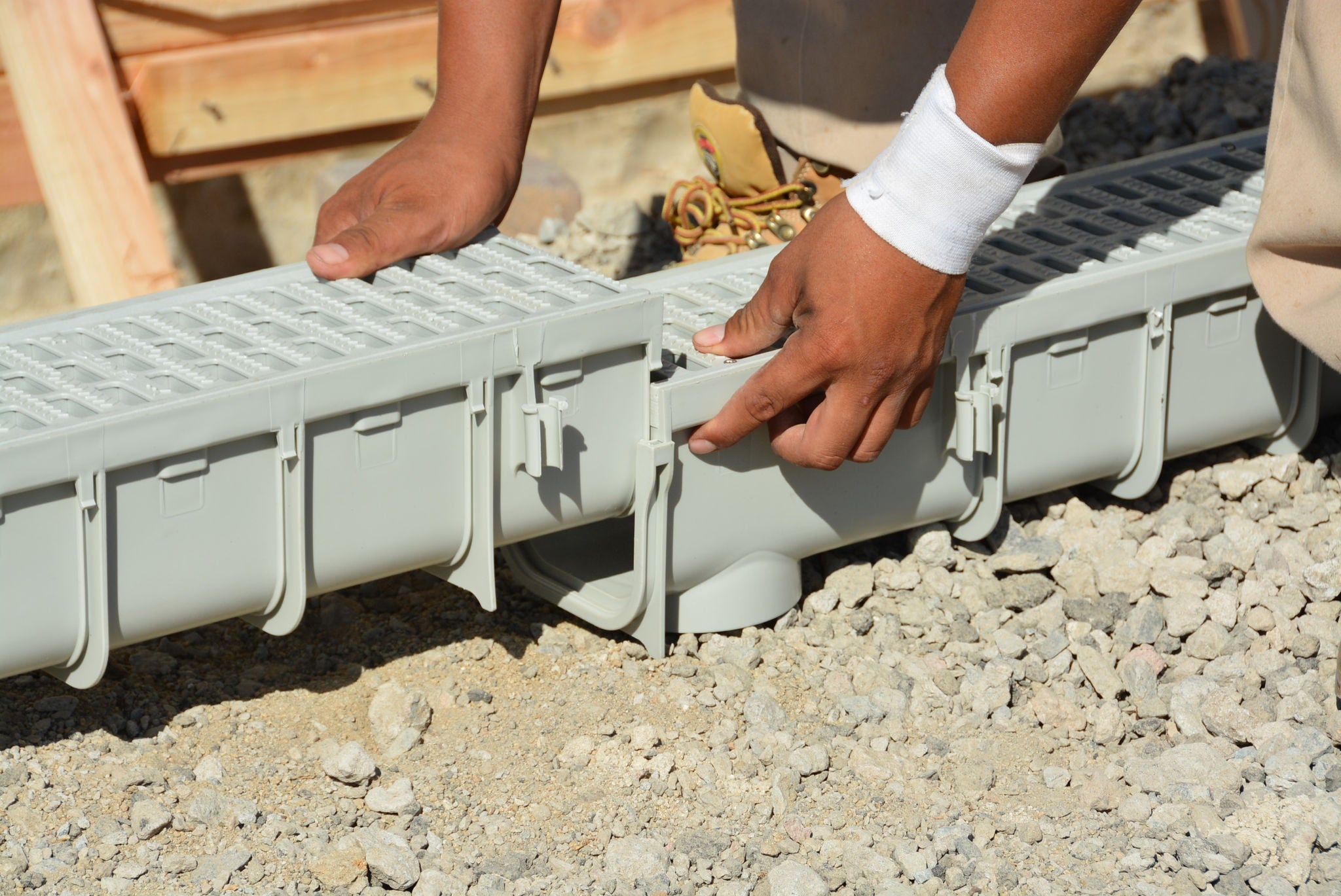
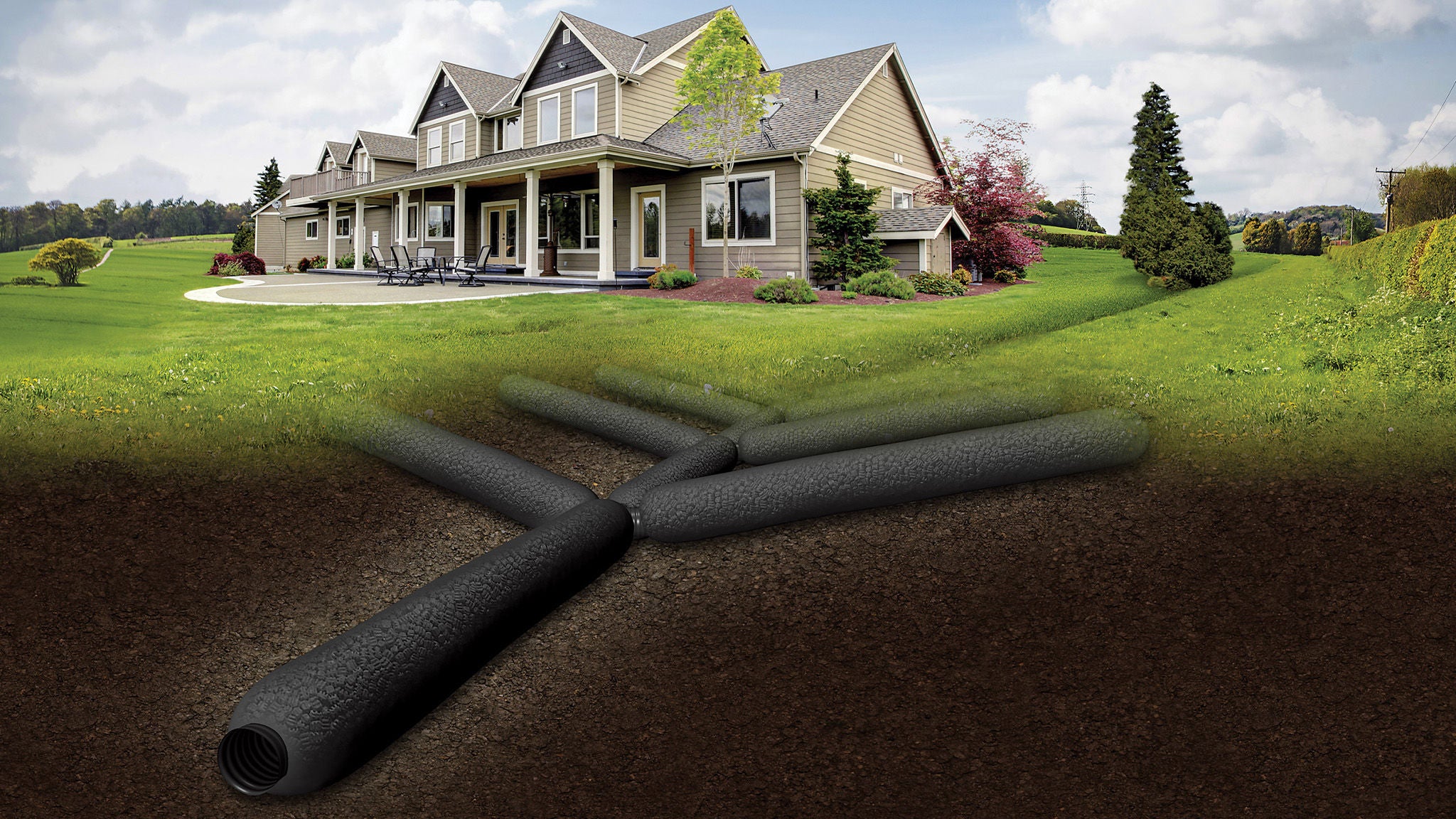
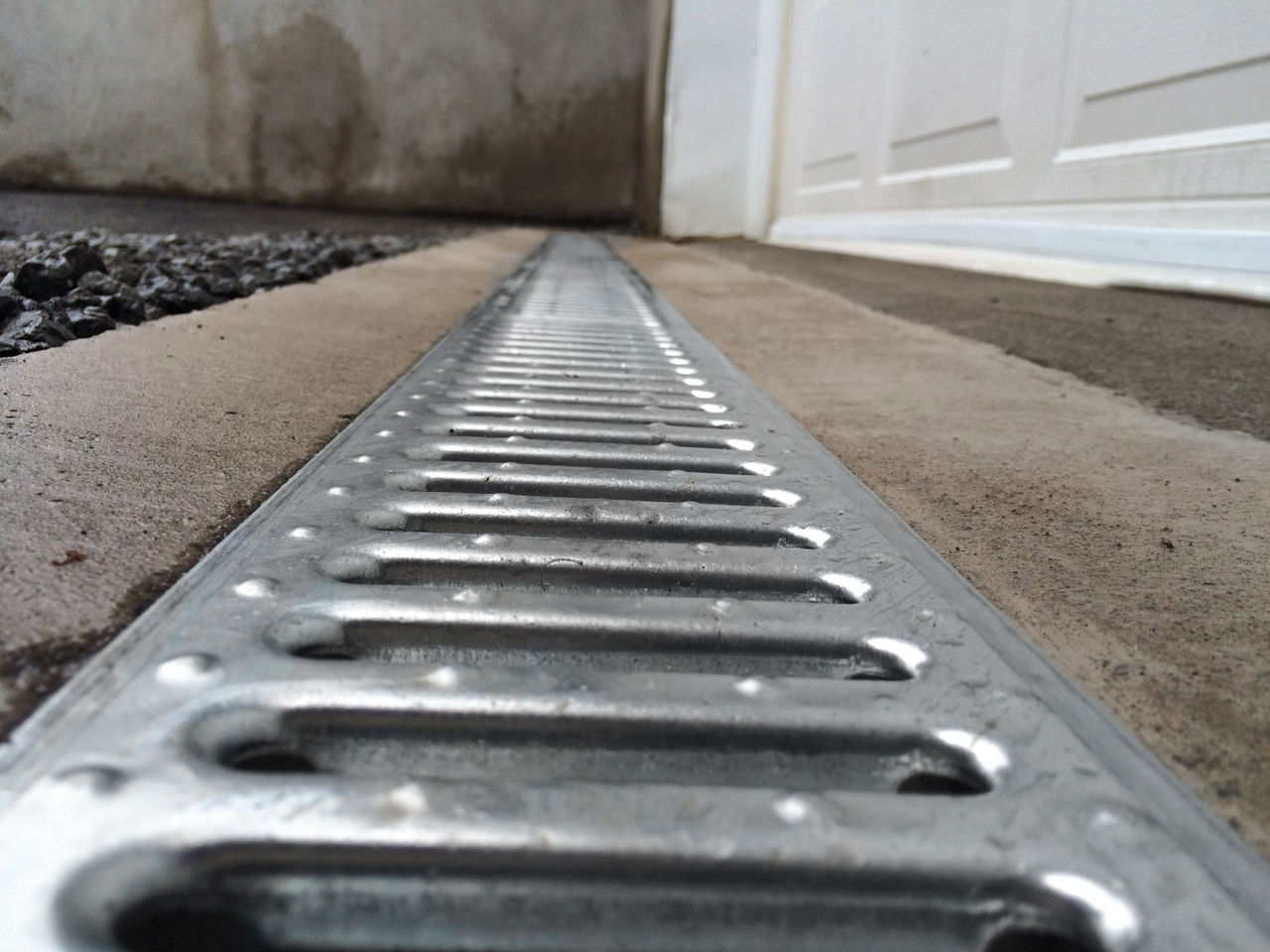
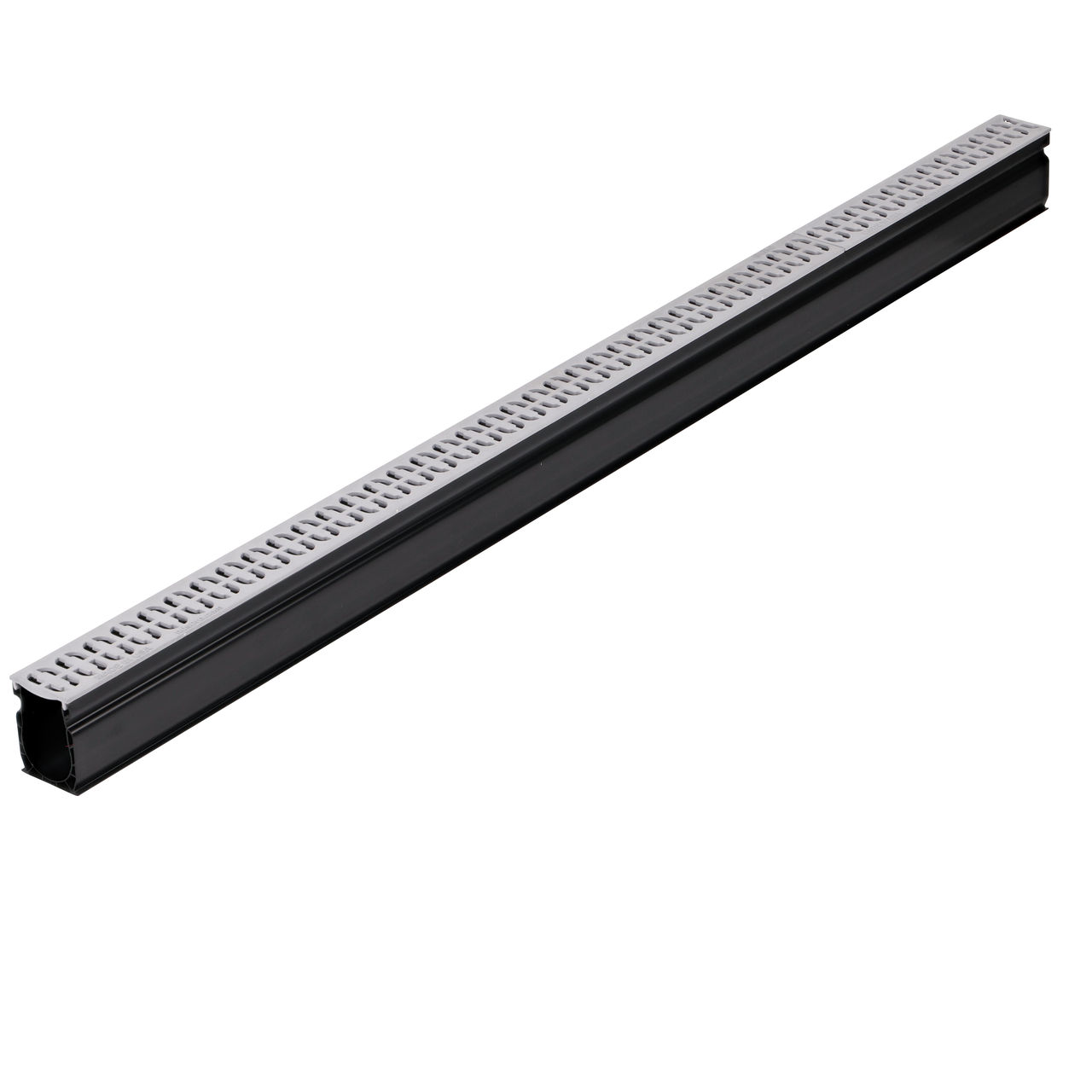
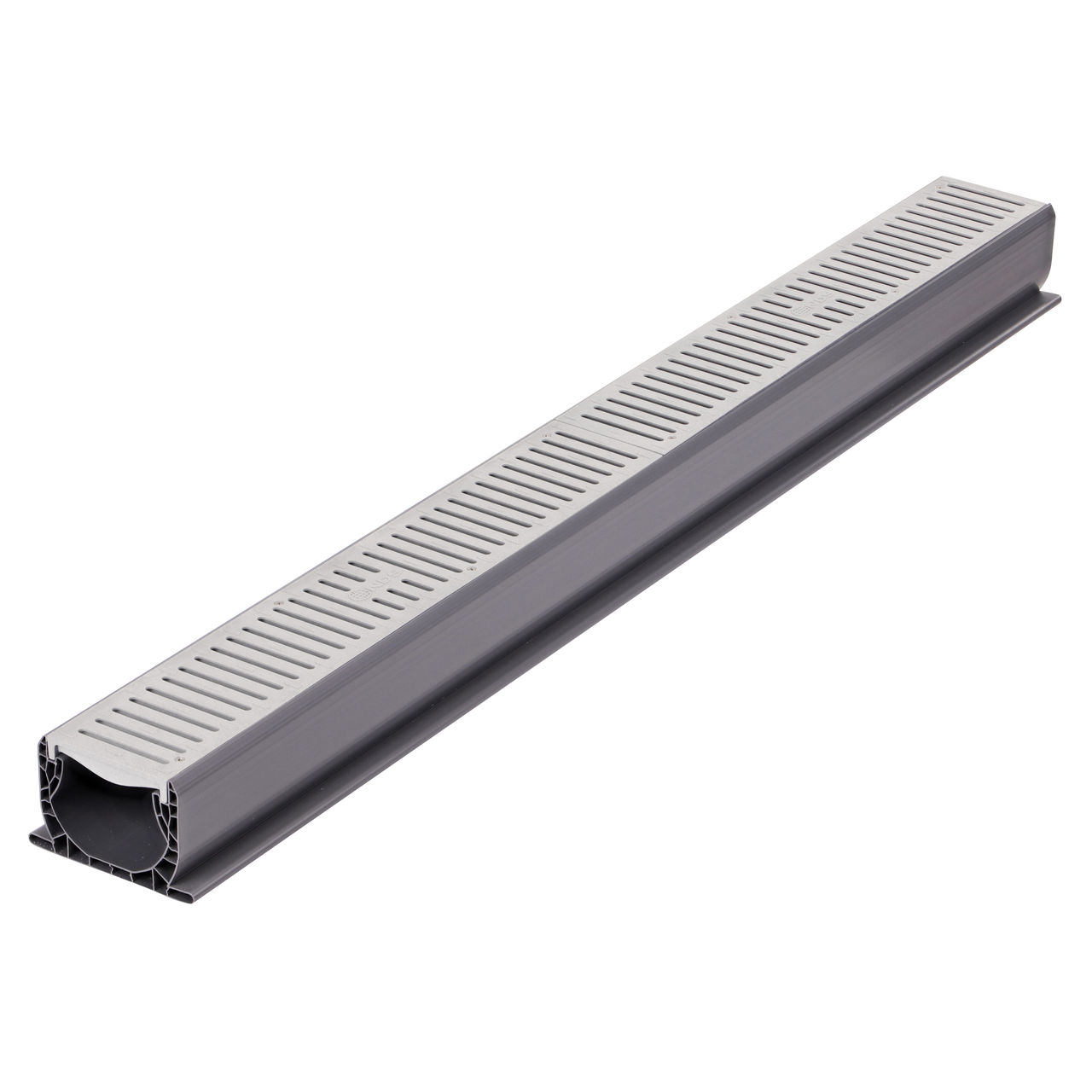
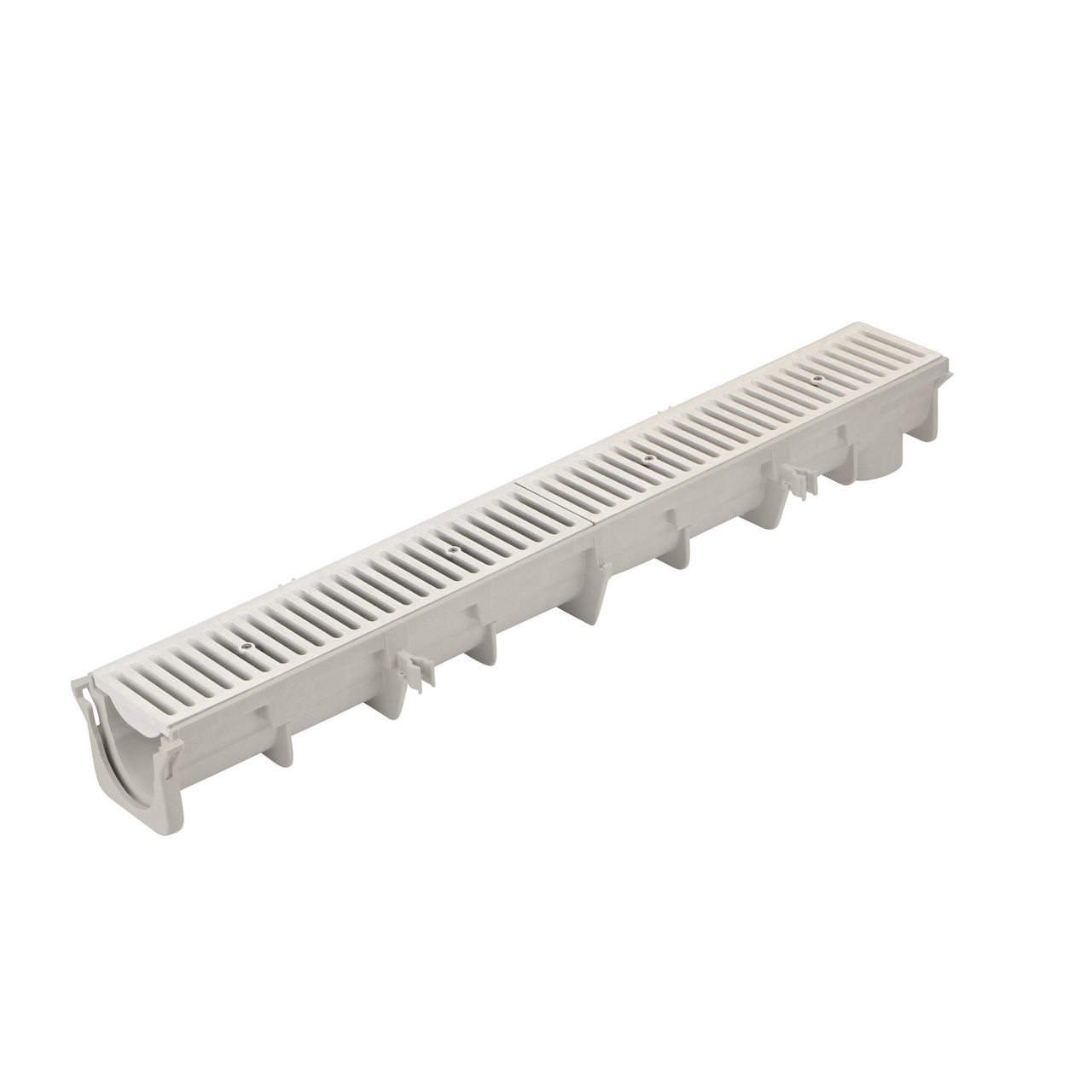
A trench drain encompasses a linear drainage channel that's installed flush with the ground surface to collect and convey surface water runoff. These systems consist of a narrow channel or trench covered by a removable grate, allowing water to flow into the drain while preventing debris from clogging the system. The collected water is then directed away from the area through underground pipes connected to storm drains, dry wells, or other discharge points.
Unlike traditional drainage methods that rely on multiple point drains or surface grading alone, trench drains create a continuous collection line that intercepts water before it can accumulate or cause damage. This makes them particularly effective for areas with heavy water flow, flat surfaces, or locations where standing water poses recurring problems.
Key Characteristics of Trench Drainage Systems
Trench/Channel drains have several characteristics that distinguish them from other drainage solutions:
- Linear Collection: Trench drains capture water along their entire length rather than at discrete points
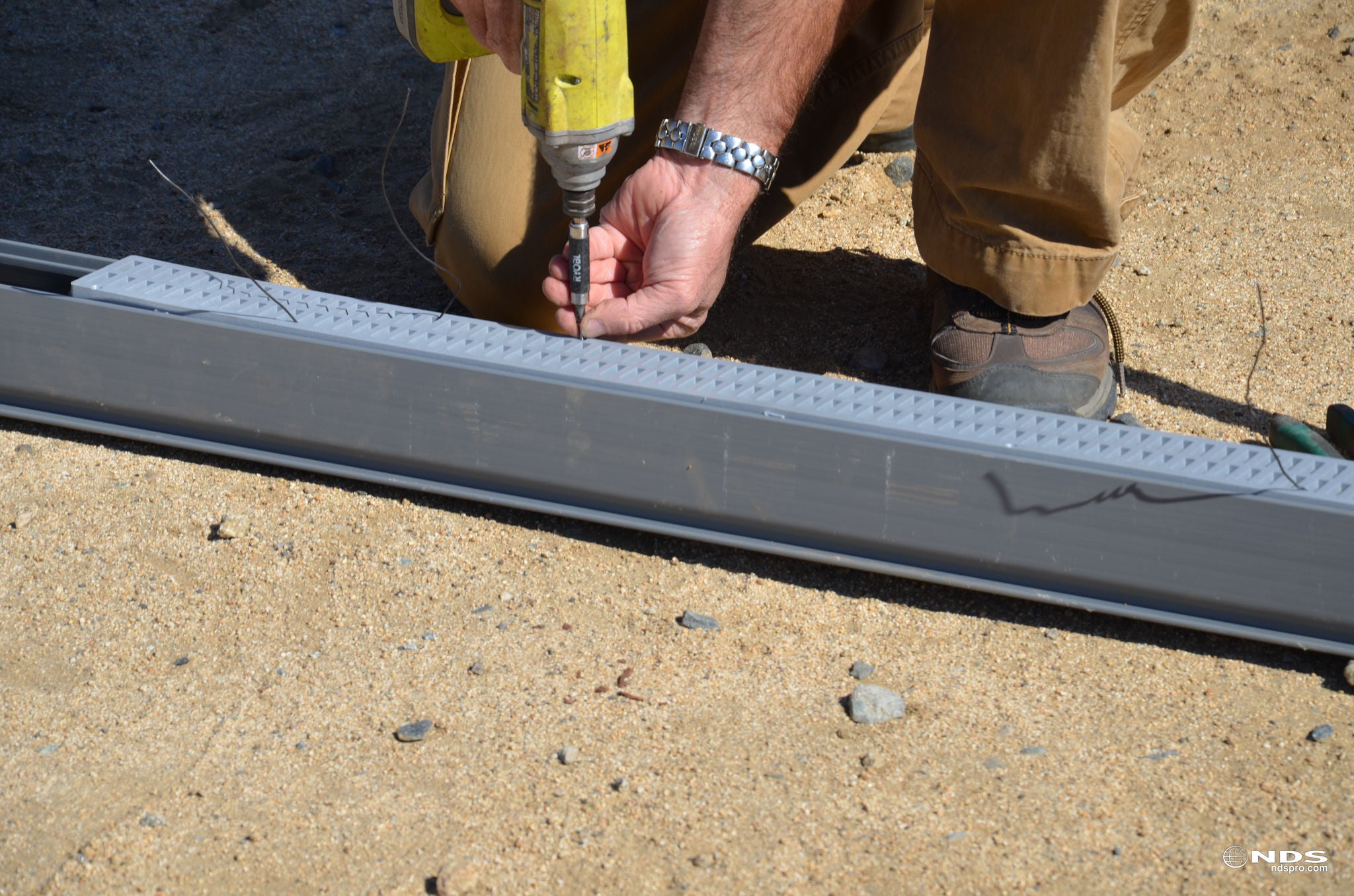
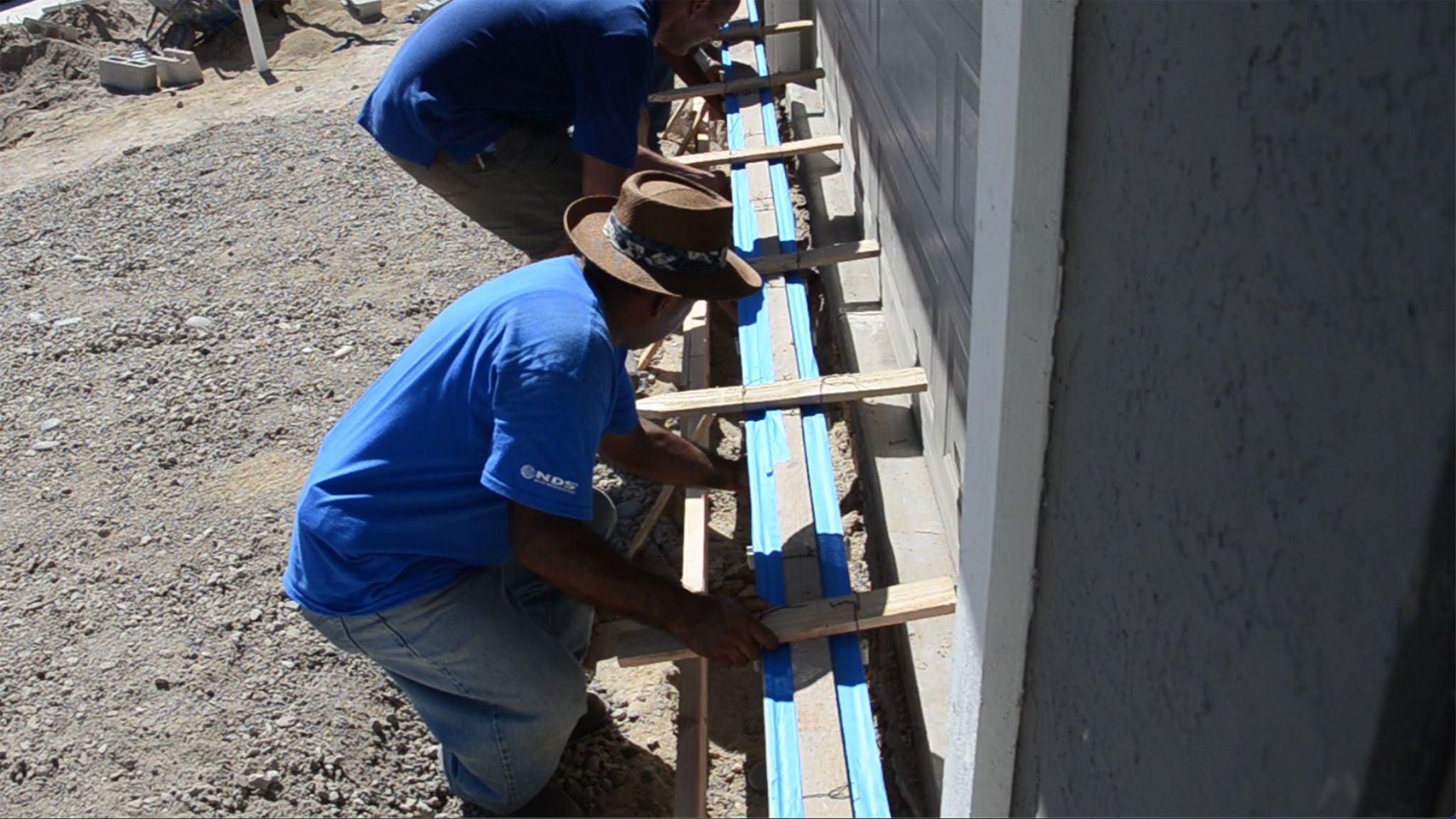
- Surface Integration: NDS grates should be installed recessed if vehicles will be driving over it. See this video - How to Install the Pro Series Channel Drain
- High Capacity: These systems can handle substantial water volumes due to their continuous collection design
- Versatile Applications: Suitable for residential, commercial, and industrial settings
- Customizable Length: Systems can be configured to match specific site requirements
The effectiveness of trench drains stems from their ability to intercept water at the source, preventing accumulation that leads to flooding, erosion, or structural damage. This proactive approach to water runoff control makes them invaluable for homeowners dealing with challenging drainage conditions.
Trench Drains vs. Traditional Drainage Methods
Understanding how trench drains compare to conventional drainage approaches helps homeowners make informed decisions about their drainage system design. Traditional methods like French drains work below ground level to address subsurface water, while catch basins collect water at specific low points. Trench drains bridge these approaches by providing surface-level collection across extended areas.
This positioning makes trench drains particularly effective for preventing water from reaching problem areas in the first place, rather than addressing water after it has already accumulated. For homeowners, this translates to better protection for foundations, reduced pooling water, and improved overall property drainage performance.
How Trench Drains Work: Components and Functionality
Understanding trench drain components is essential for homeowners considering these systems. A complete trench drainage installation consists of several interconnected elements that work together to provide effective water management.
Essential Trench Drain Components
A trench drain system includes these critical components:
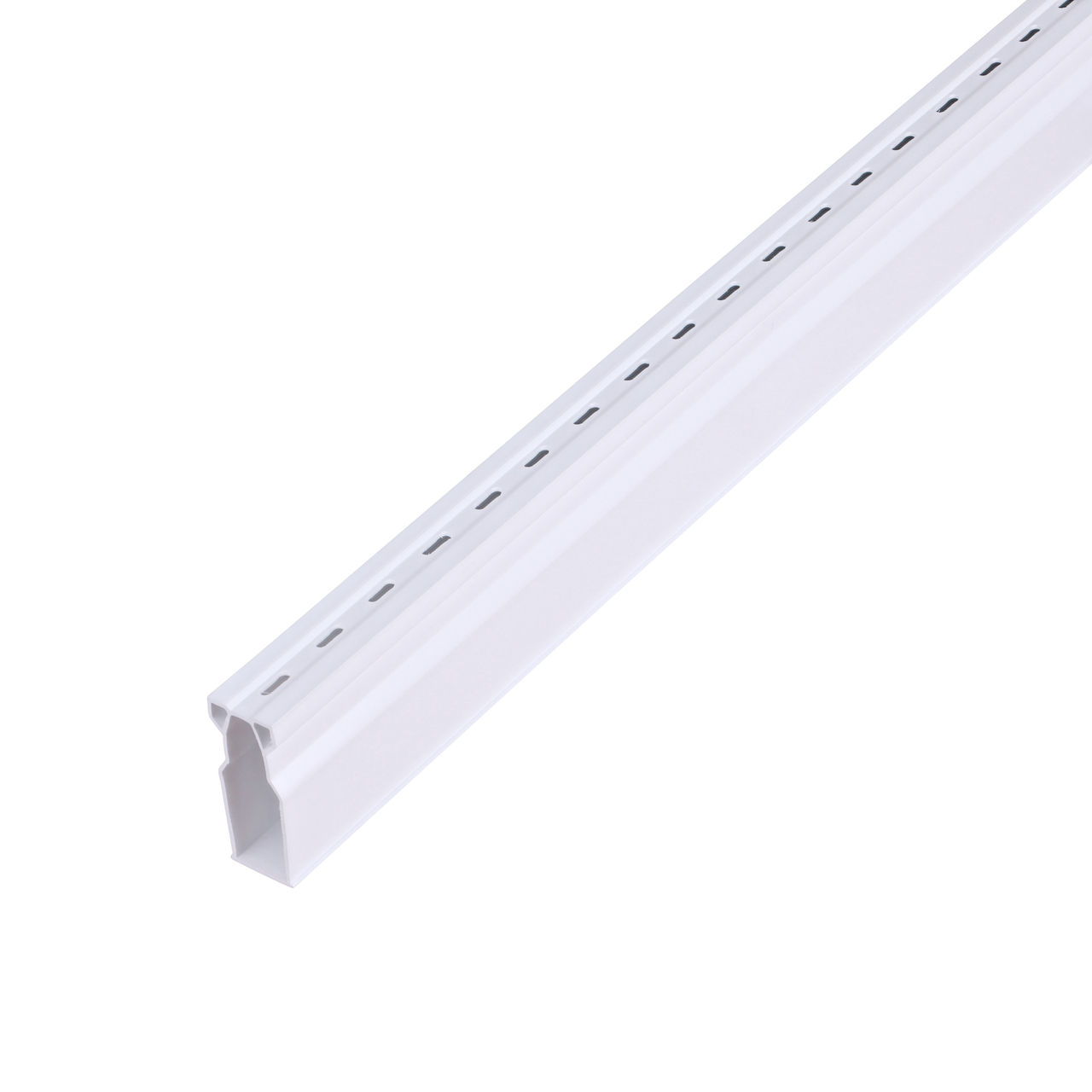
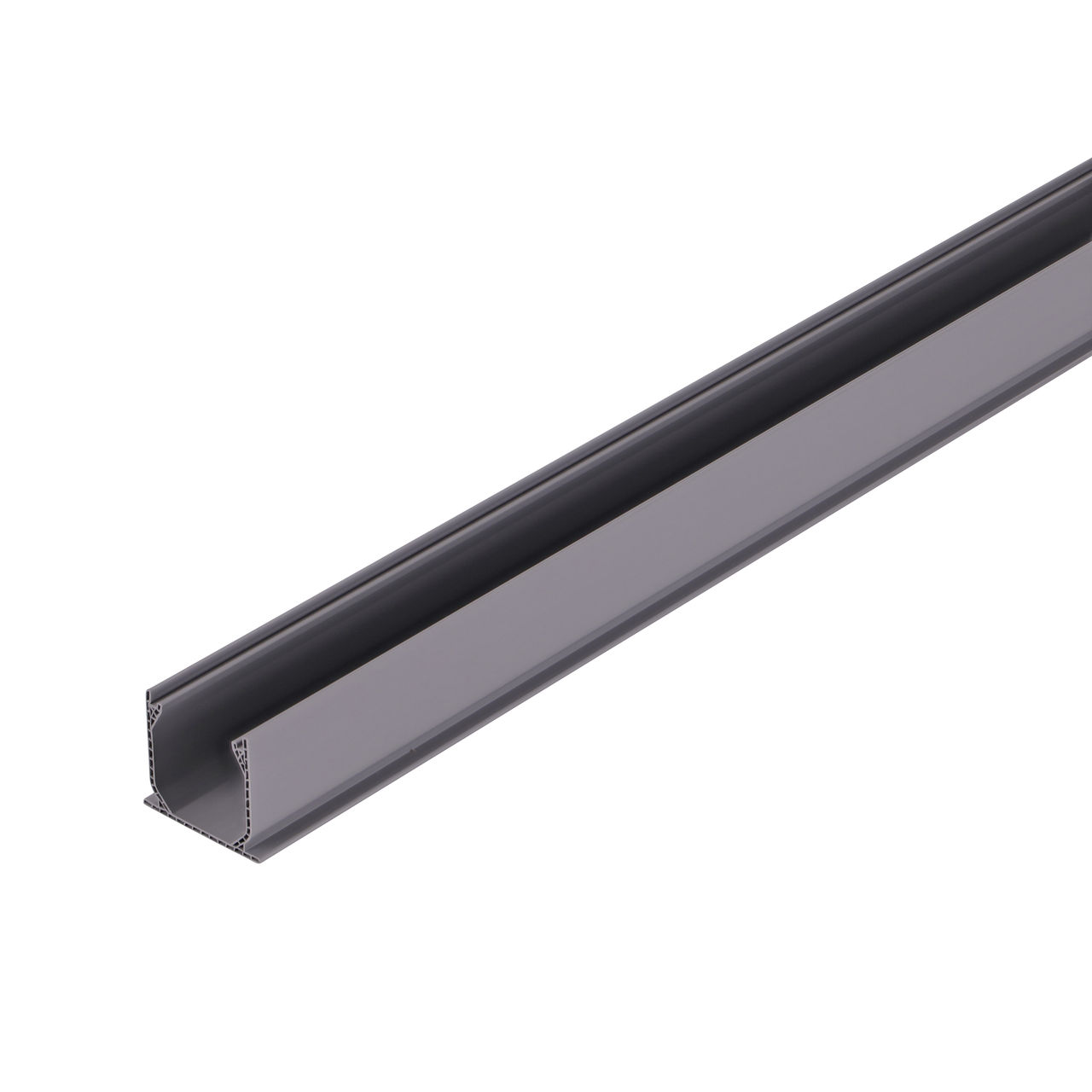
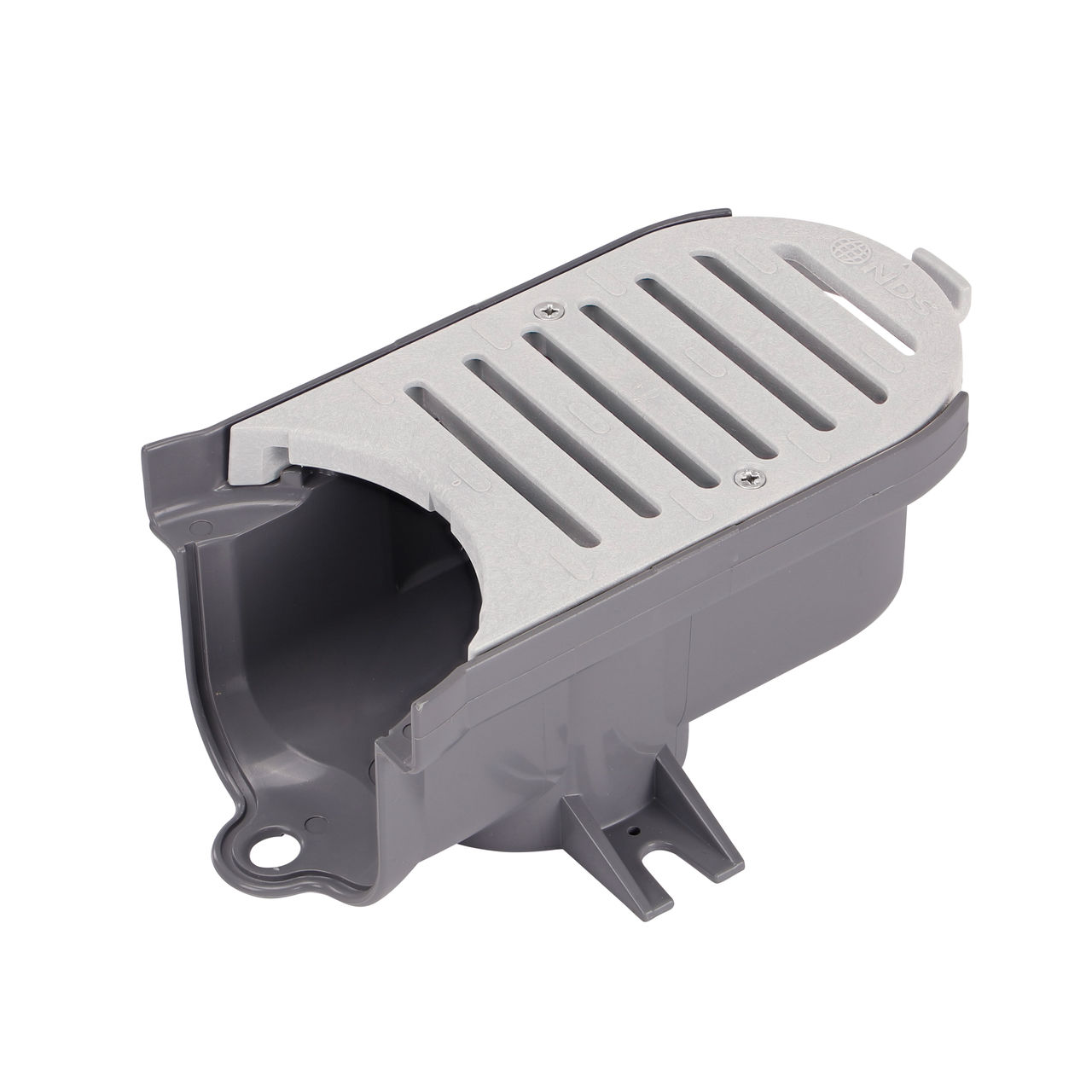
- Channel Body: The main structural element that forms the water collection trough
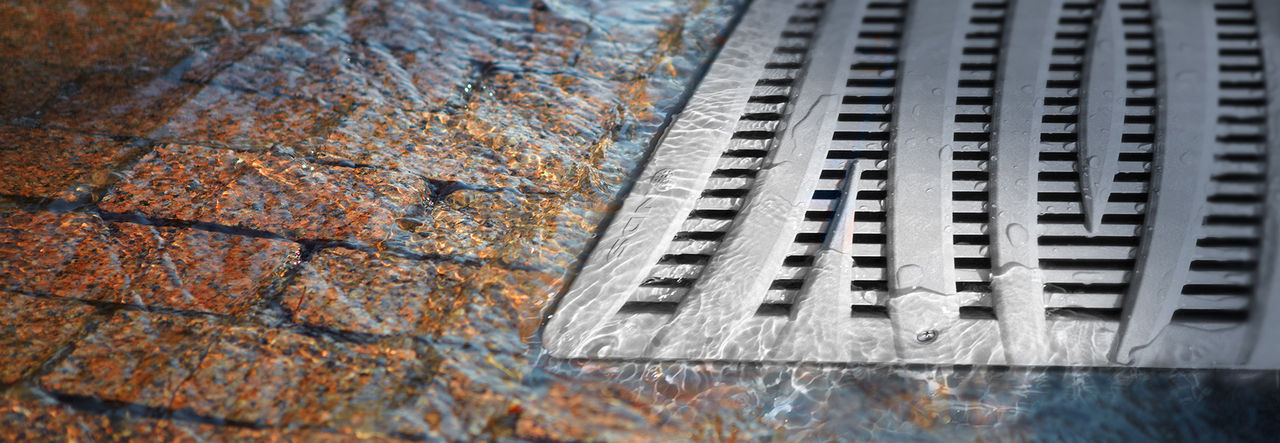
- Grating System: The removable surface cover that allows water entry while preventing debris infiltration
- End Caps: Sealing components that prevent water and debris from entering the system ends, stop the flow of water, and redirect water to the open end
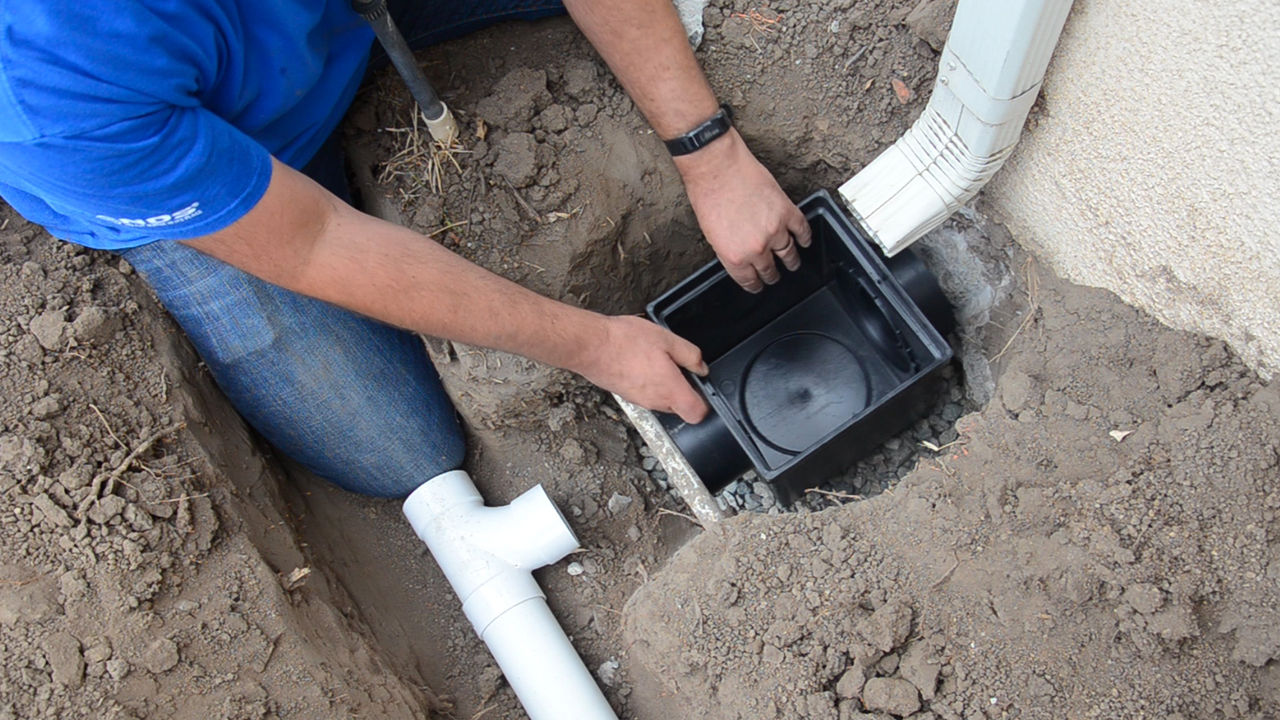
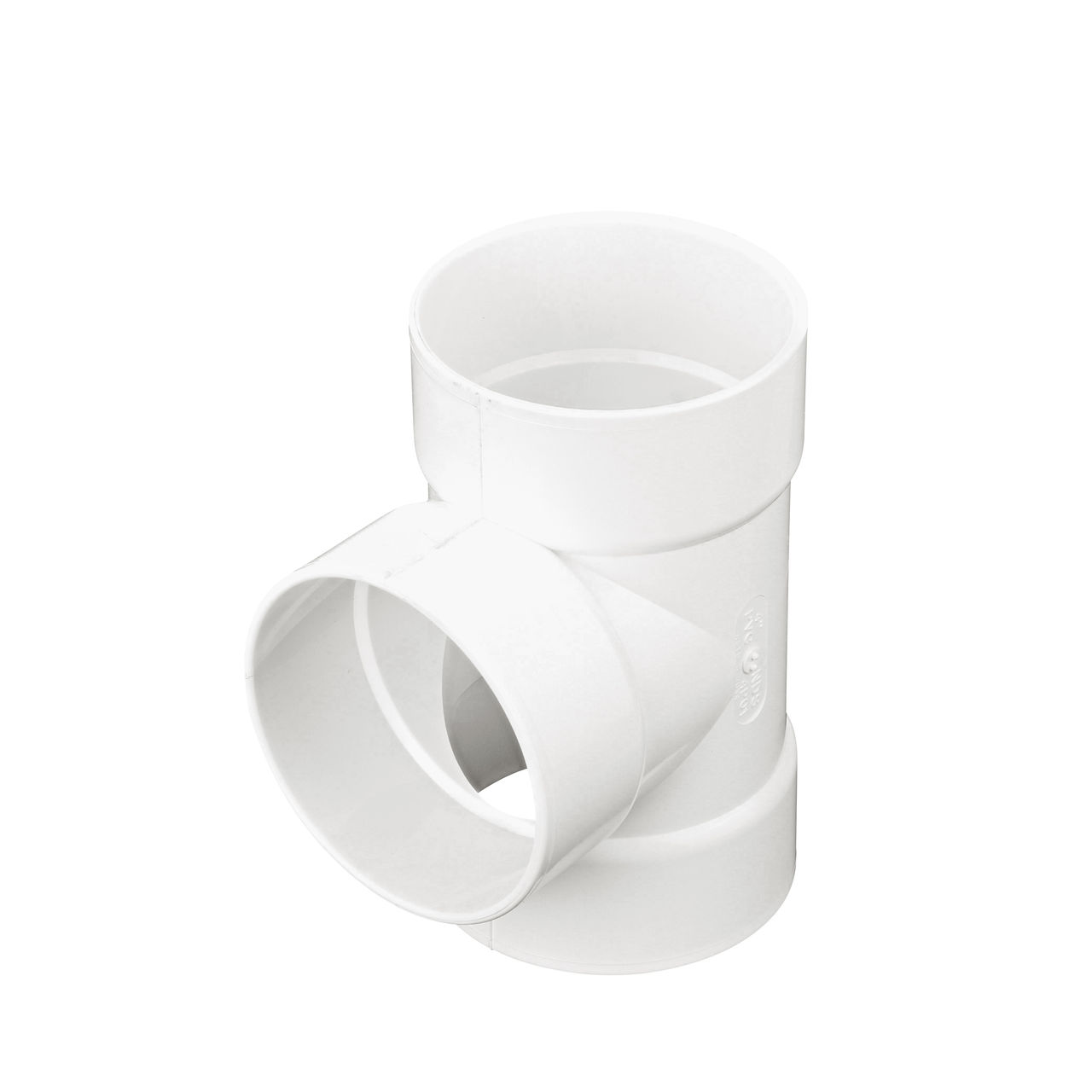
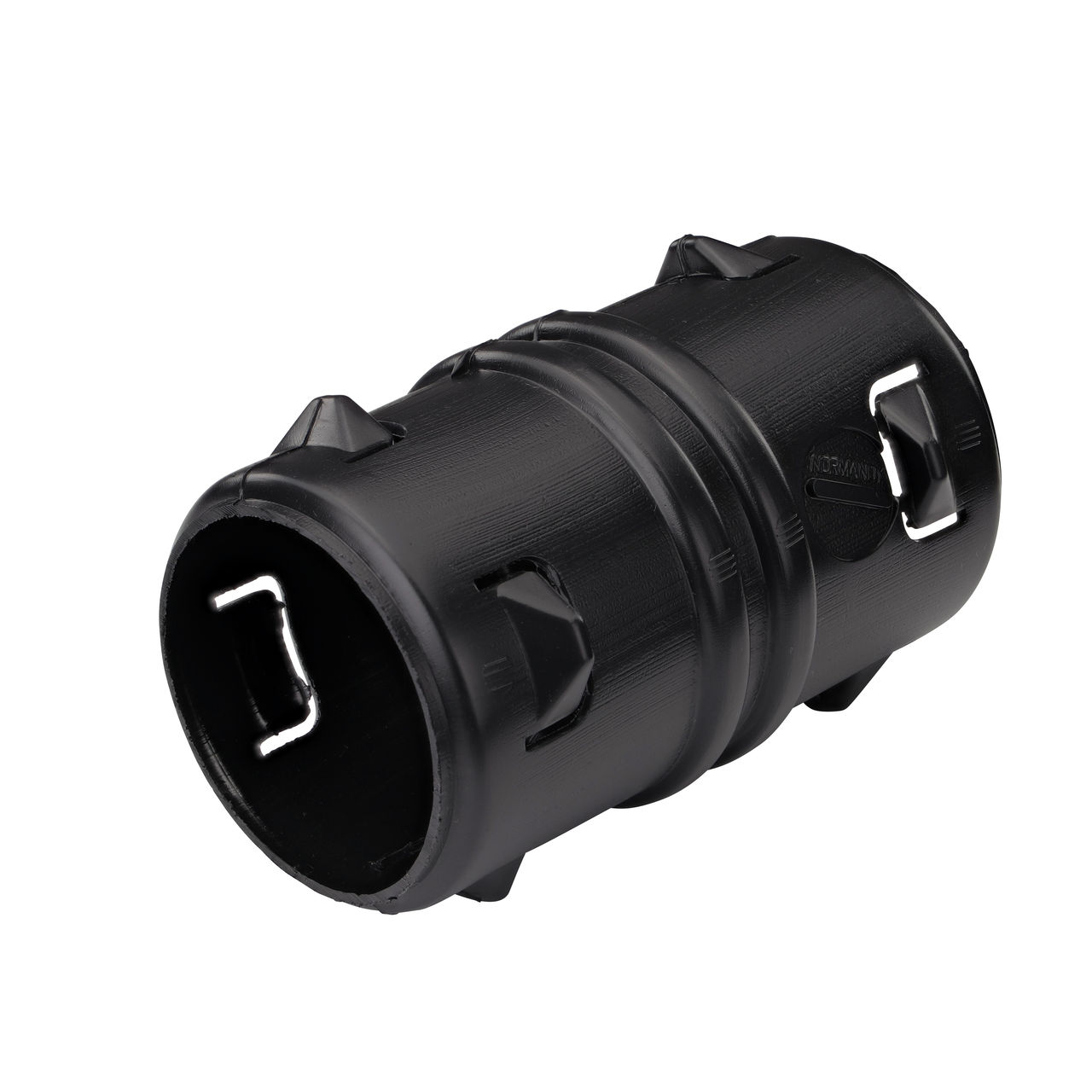
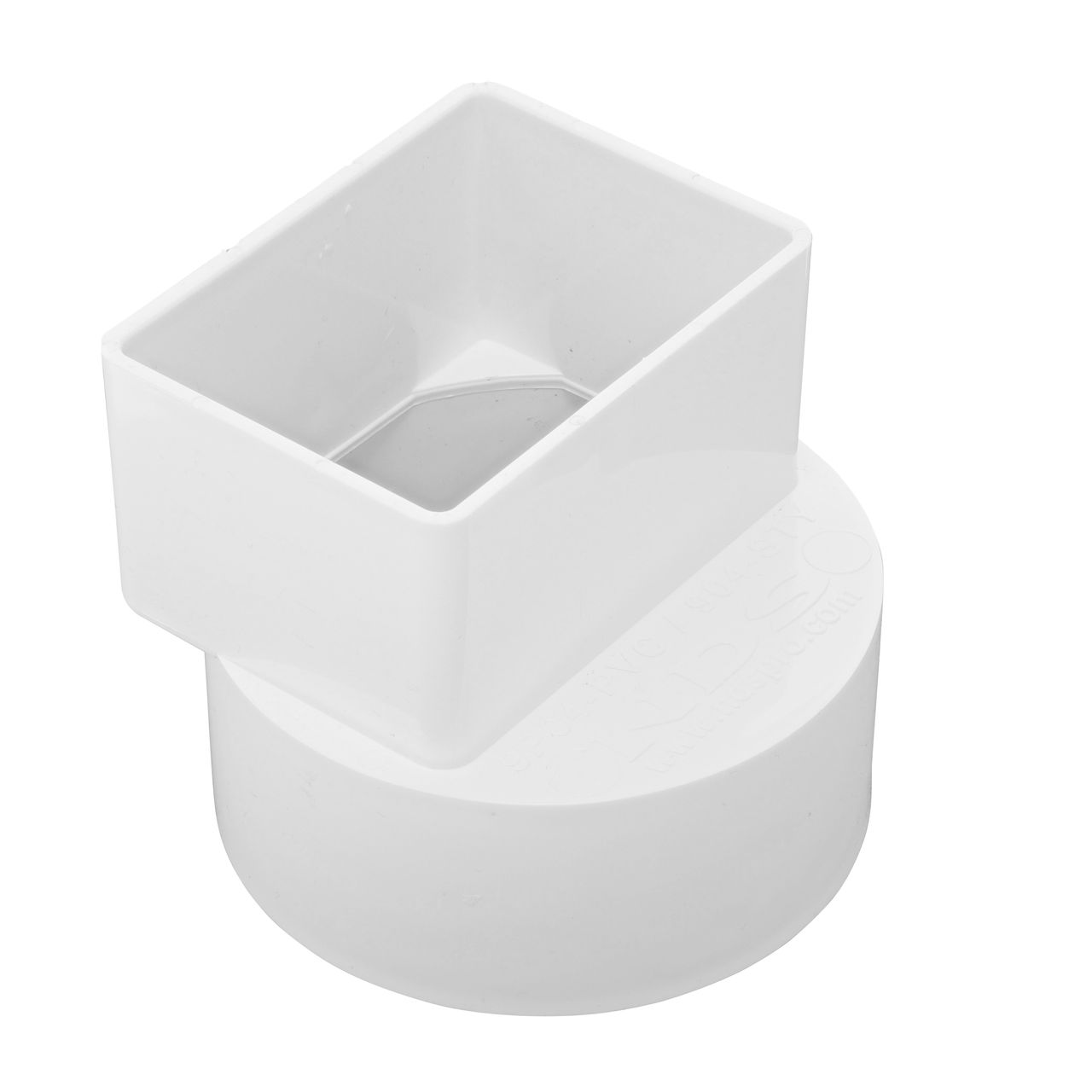
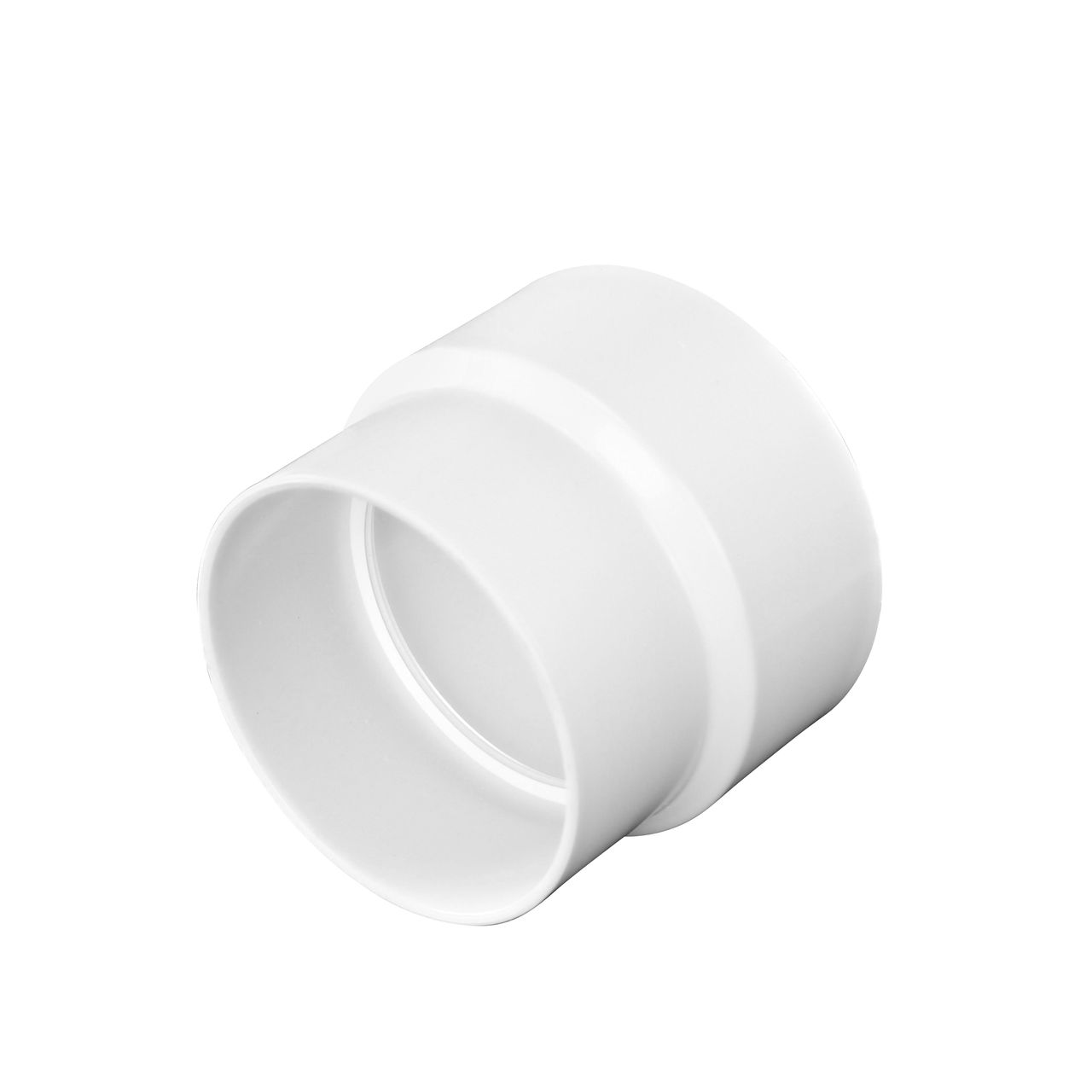
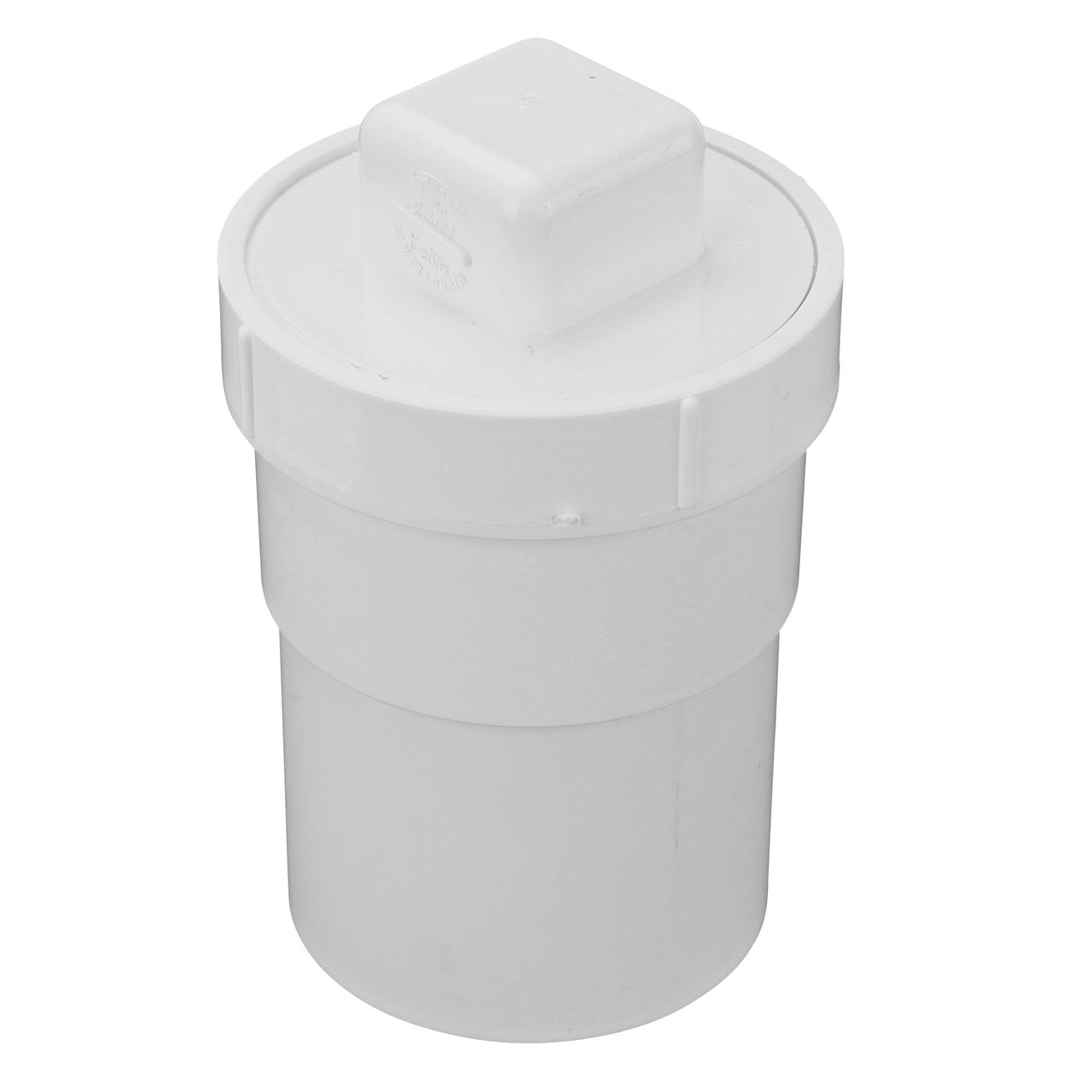
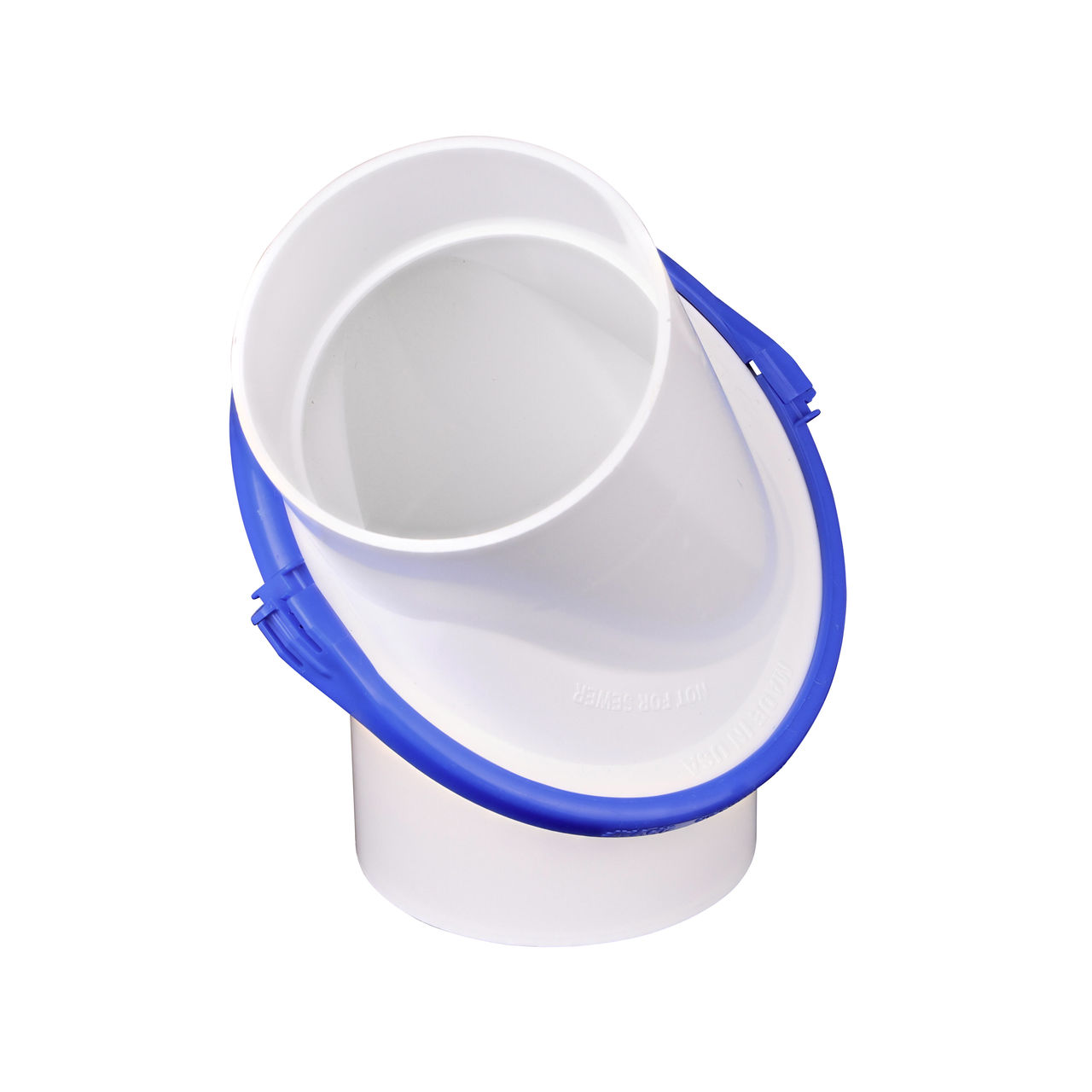
- Outlet Connections: Fittings that connect the channel to downstream piping
- Support Structure: Concrete or other materials that provide structural stability
- Slope Elements: Built-in or added components that ensure proper water flow toward outlets
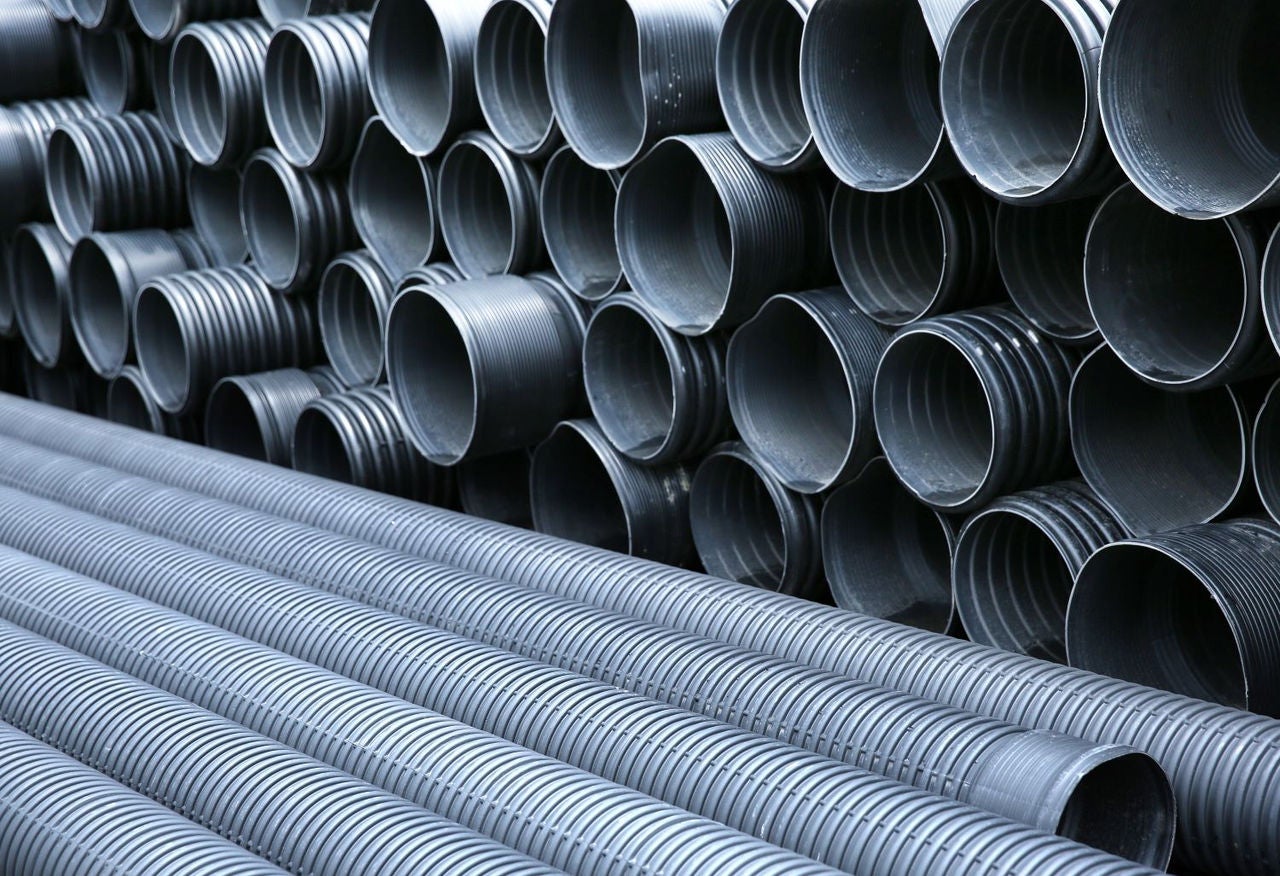
Each component plays a vital role in system performance. The channel body, typically manufactured from materials like plastic, polypropylene (PP), high-density polyethylene (HDPE), polyvinyl chloride (PVC), polymer concrete, fiberglass, or stainless steel, provides the structural foundation and water pathway. High-quality channels feature smooth interior surfaces that promote efficient water flow and resist debris accumulation.
Water Collection Process
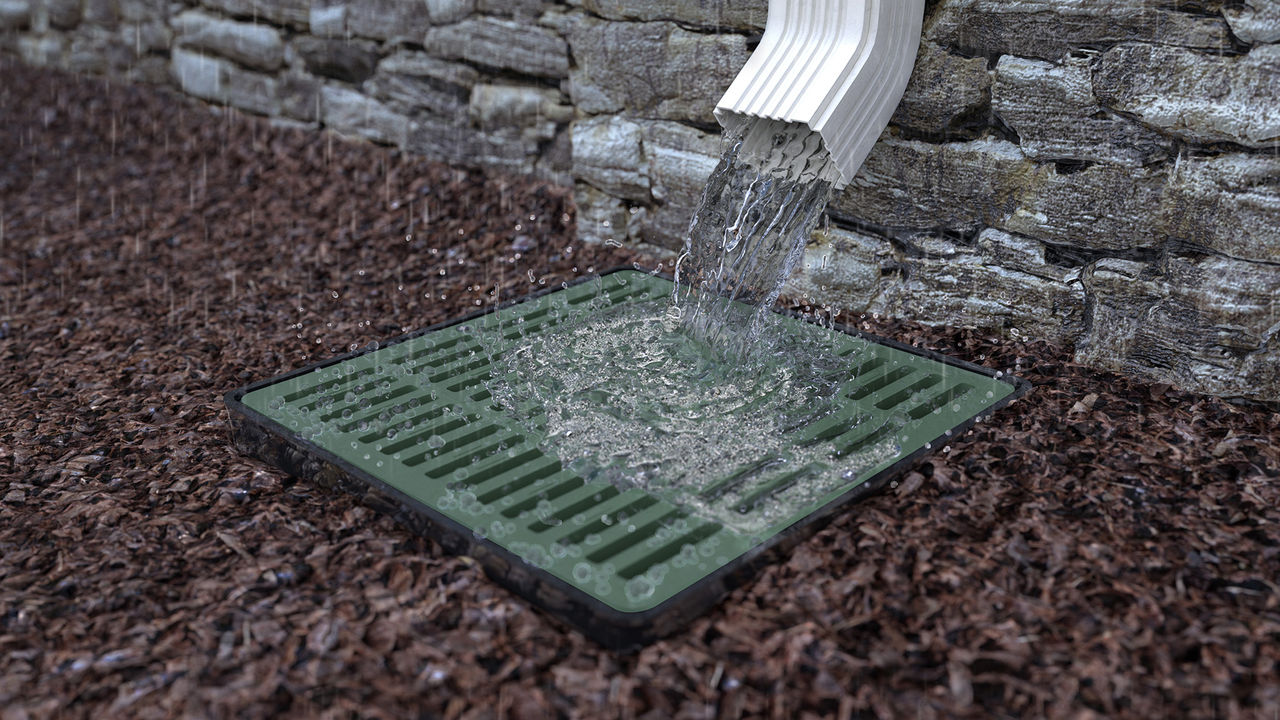
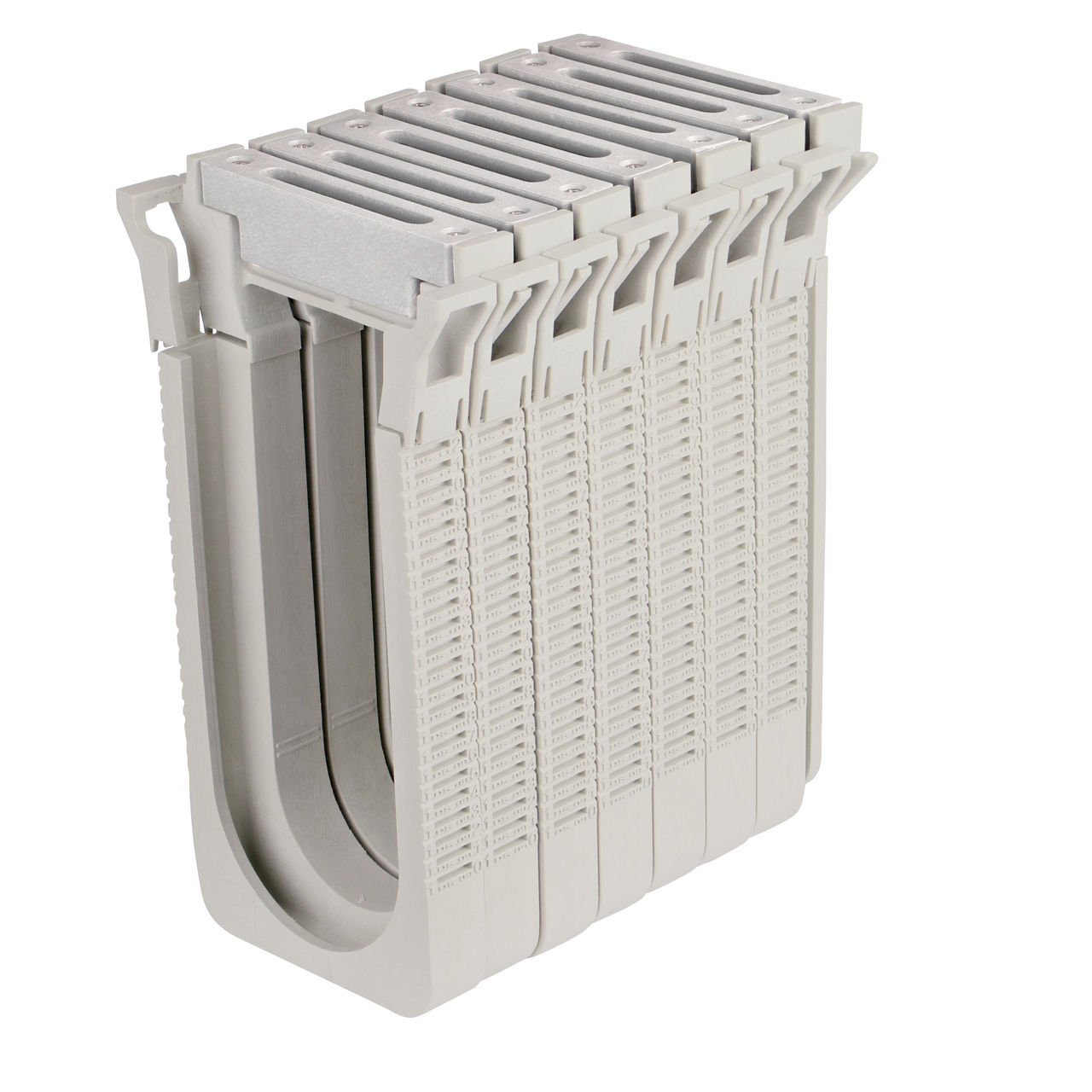
The functionality of trench drainage systems relies on straightforward hydraulic principles. Surface water enters through the grate openings and flows into the channel, where gravity directs it toward the outlet connection. NDS offers drainage solutions that have a built-in slope: Dura Slope® channel drains and BG-FILCOTEN® trench drains specifically.
For optimal performance, trench drains require careful consideration of factors including water volume, flow velocity, and debris load. Professional installation ensures that these factors are properly addressed through appropriate sizing, placement, and integration with existing drainage infrastructure.
Grating Systems and Their Importance
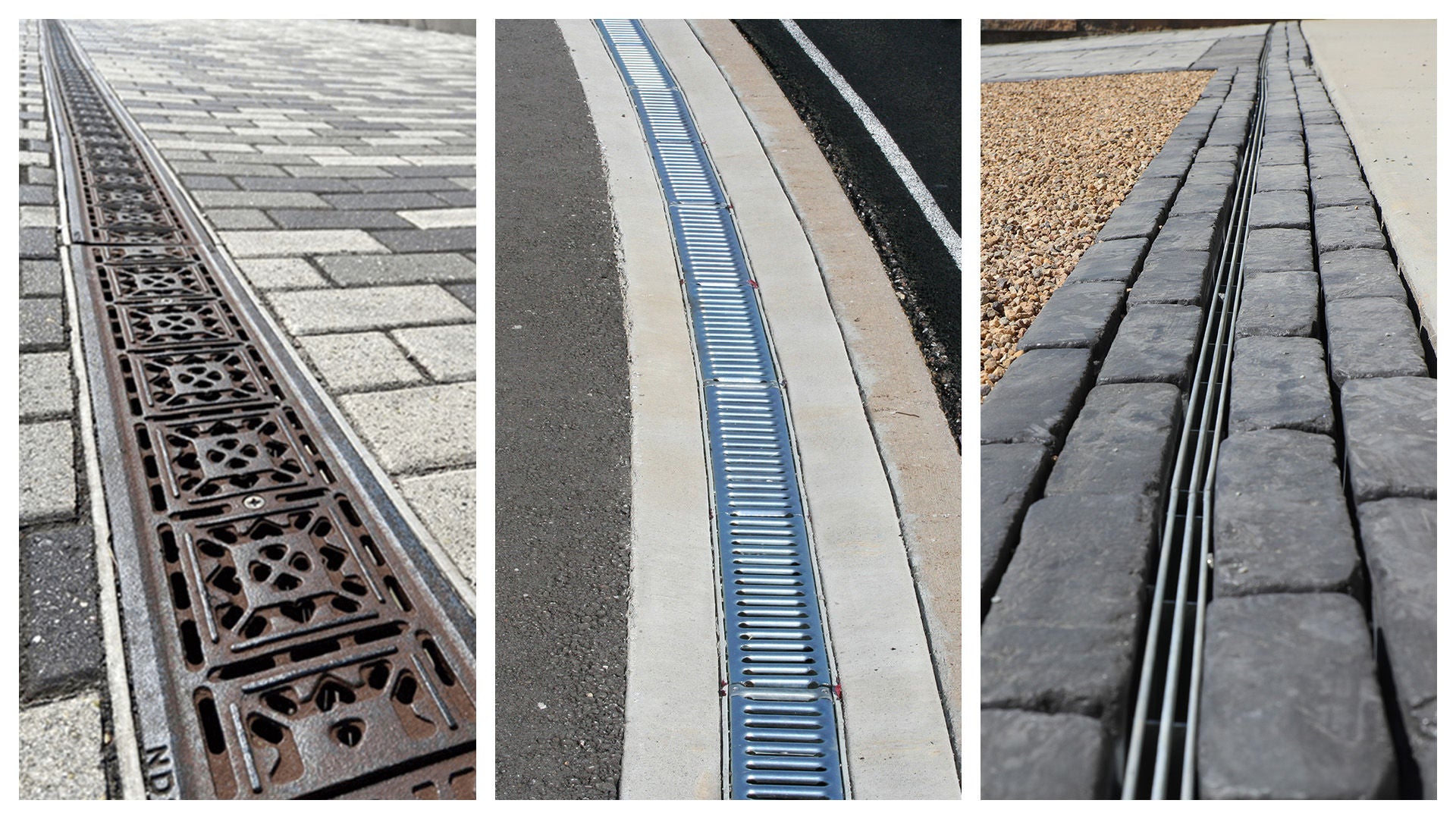
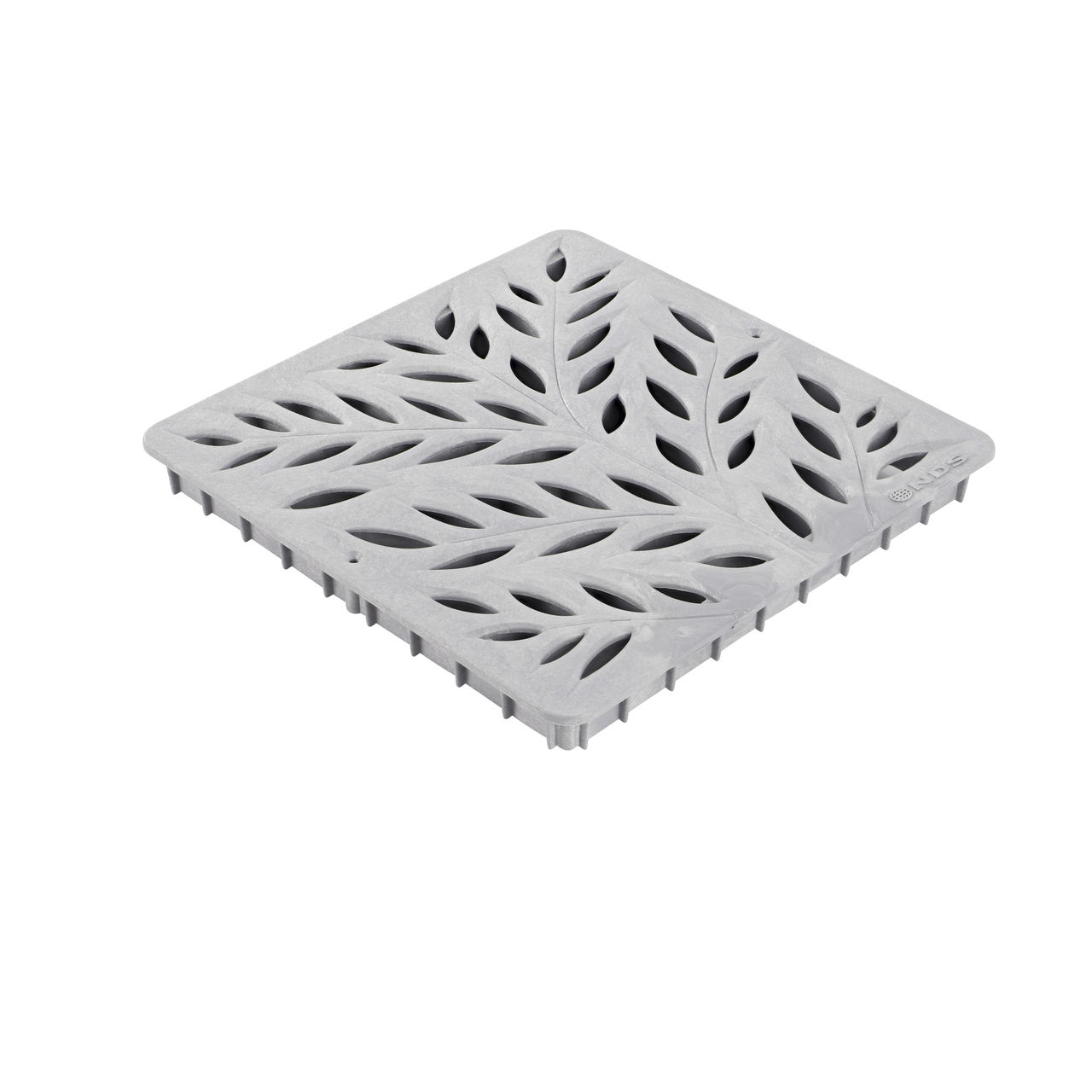
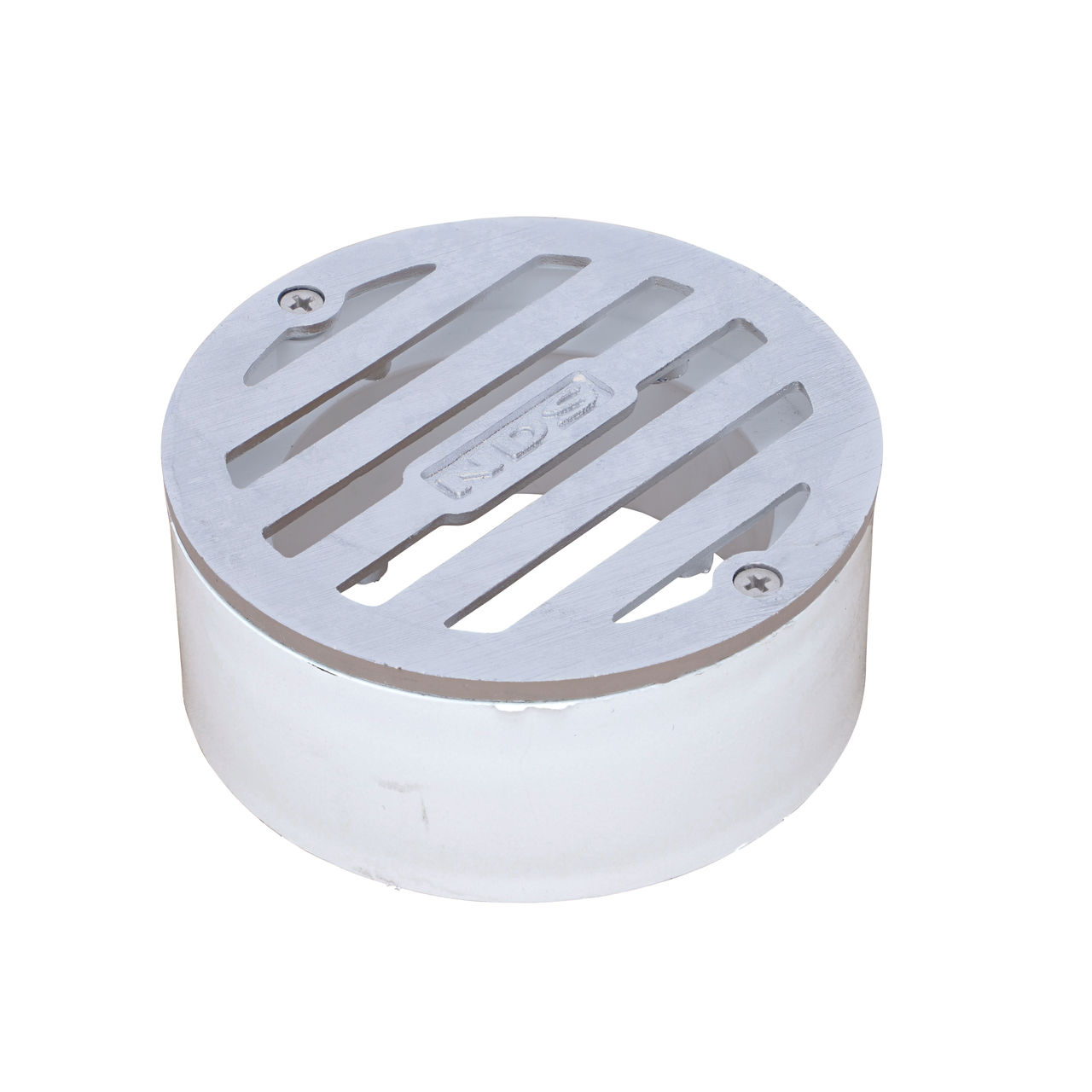
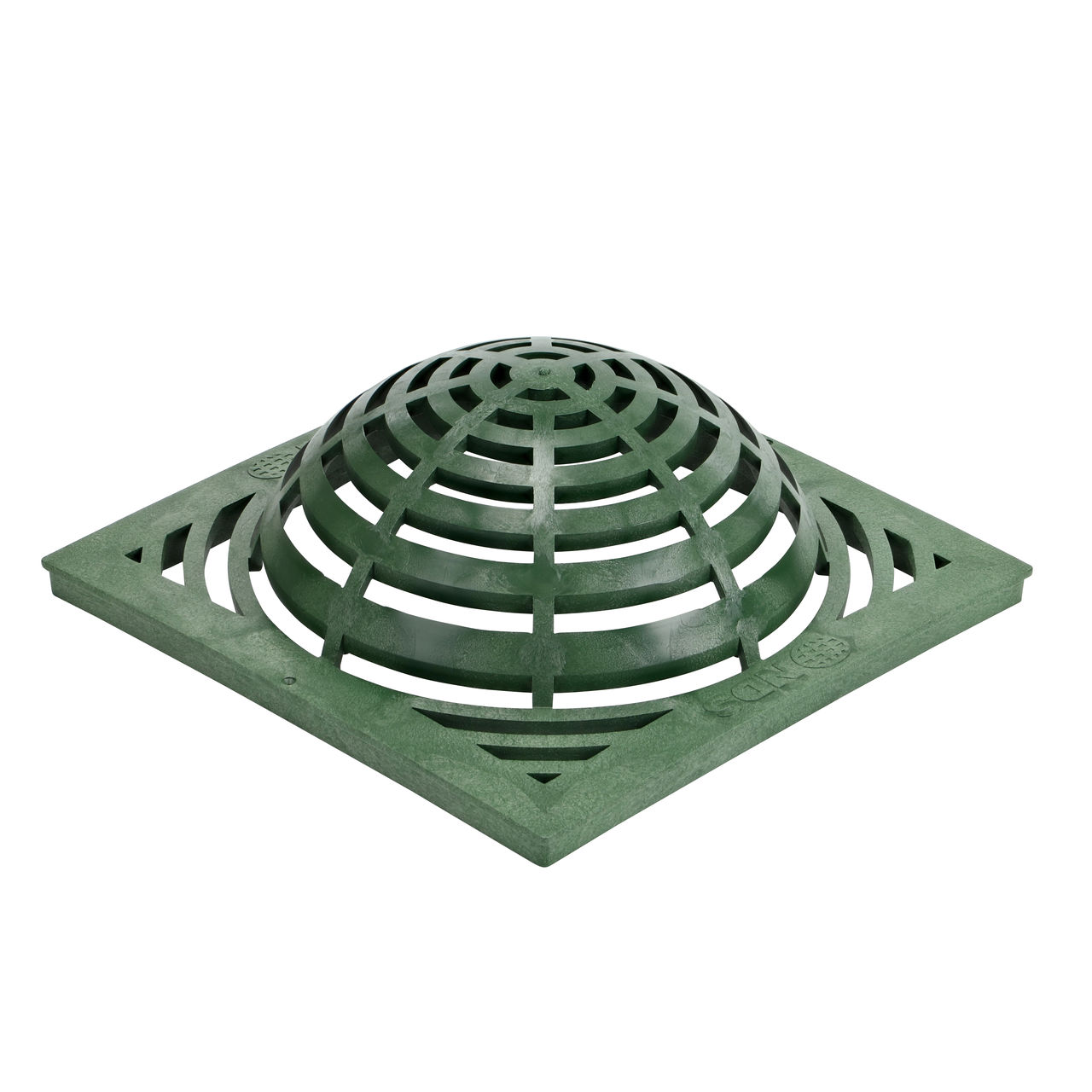
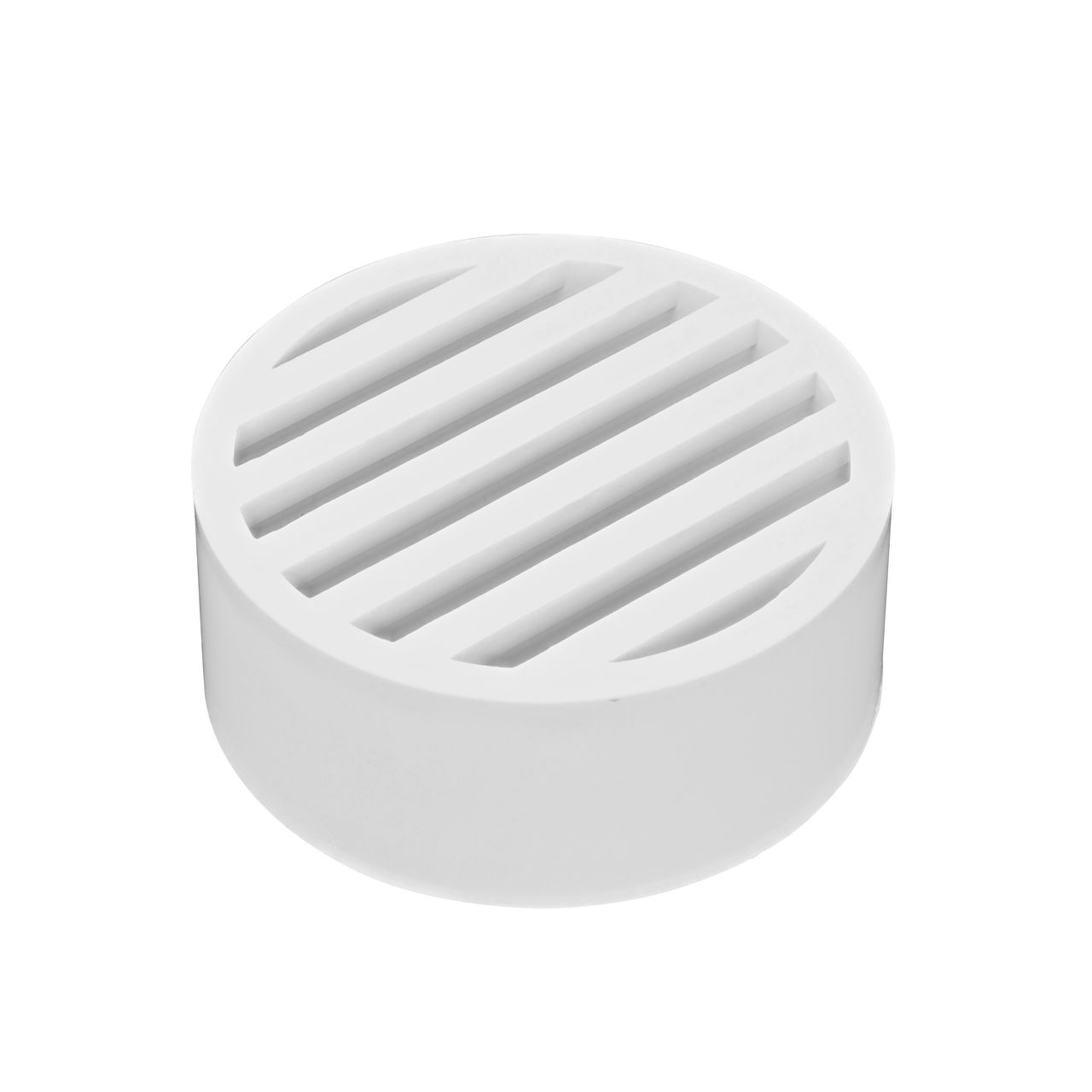
The grating component plays a key role in both performance and safety. NDS offers grates in galvanized steel, stainless steel, cast iron, and composite materials to suit different applications. Steel grates handle heavy traffic, while composite options provide corrosion resistance and easy maintenance.
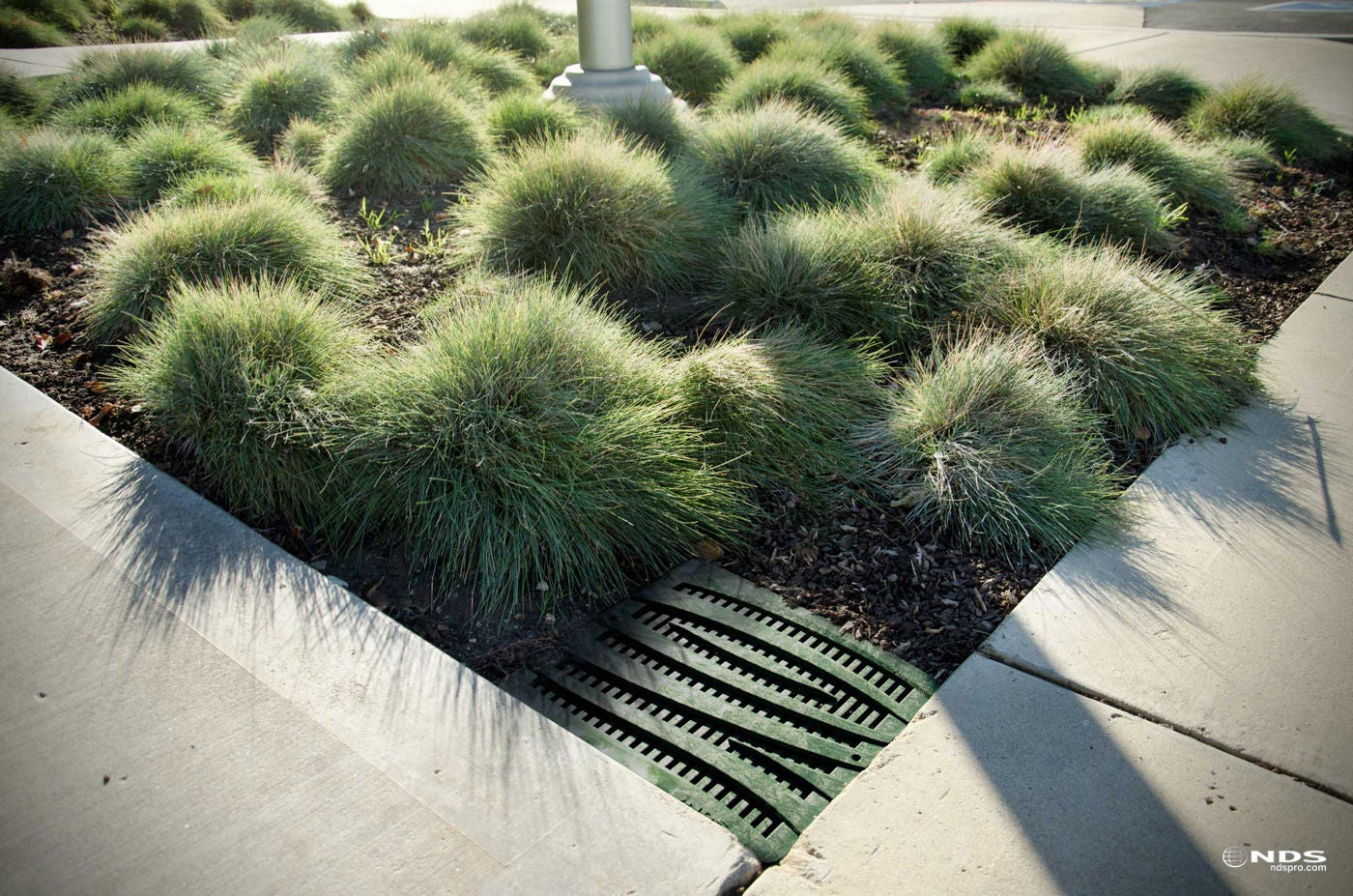
Grate design also affects efficiency and appearance. NDS Dura Slope® slot top grates feature a slim profile that blends into surrounding hardscapes, while decorative grates are available for select channels to enhance curb appeal. The design determines the open surface area for water flow while slotted styles maximize drainage, while mesh and decorative patterns improve debris control but may slightly reduce flow capacity.
Types of Trench Drains: Materials, Designs, and Applications
The diversity of available types of trench drains allows homeowners to select systems that match their specific requirements, budget, and aesthetic preferences. Understanding the various options helps ensure optimal performance and value for your drainage investment.
Trench Drain Materials
Trench drain materials significantly impact system durability, performance, and cost. Common materials include:
Polymer Concrete Systems
Polymer concrete channels offer excellent durability and chemical resistance while maintaining lighter weight than traditional concrete. For example, NDS plastic grates have UV inhibitors to help prevent fading and cracking. These systems resist freeze-thaw damage and provide smooth interior surfaces that promote efficient water flow. For residential applications, polymer concrete represents an excellent balance of performance, durability, and cost-effectiveness.
Fiberglass Systems
Fiberglass trench drains provide corrosion resistance and lightweight handling characteristics. These systems work well in environments where chemical resistance is important, such as areas exposed to de-icing salts or cleaning chemicals. However, they may have lower structural strength compared to concrete options.
Stainless Steel Systems
Stainless steel channels offer premium durability, making them ideal for applications requiring easy cleaning and long-term performance. While more expensive than polymer alternatives, stainless steel systems provide unmatched longevity and resistance to environmental factors.
Galvanized Steel Systems
Galvanized steel provides cost-effective durability for many residential applications. These systems offer good structural strength and reasonable corrosion resistance, though they may not match the longevity of stainless steel or polymer concrete options in challenging environments.
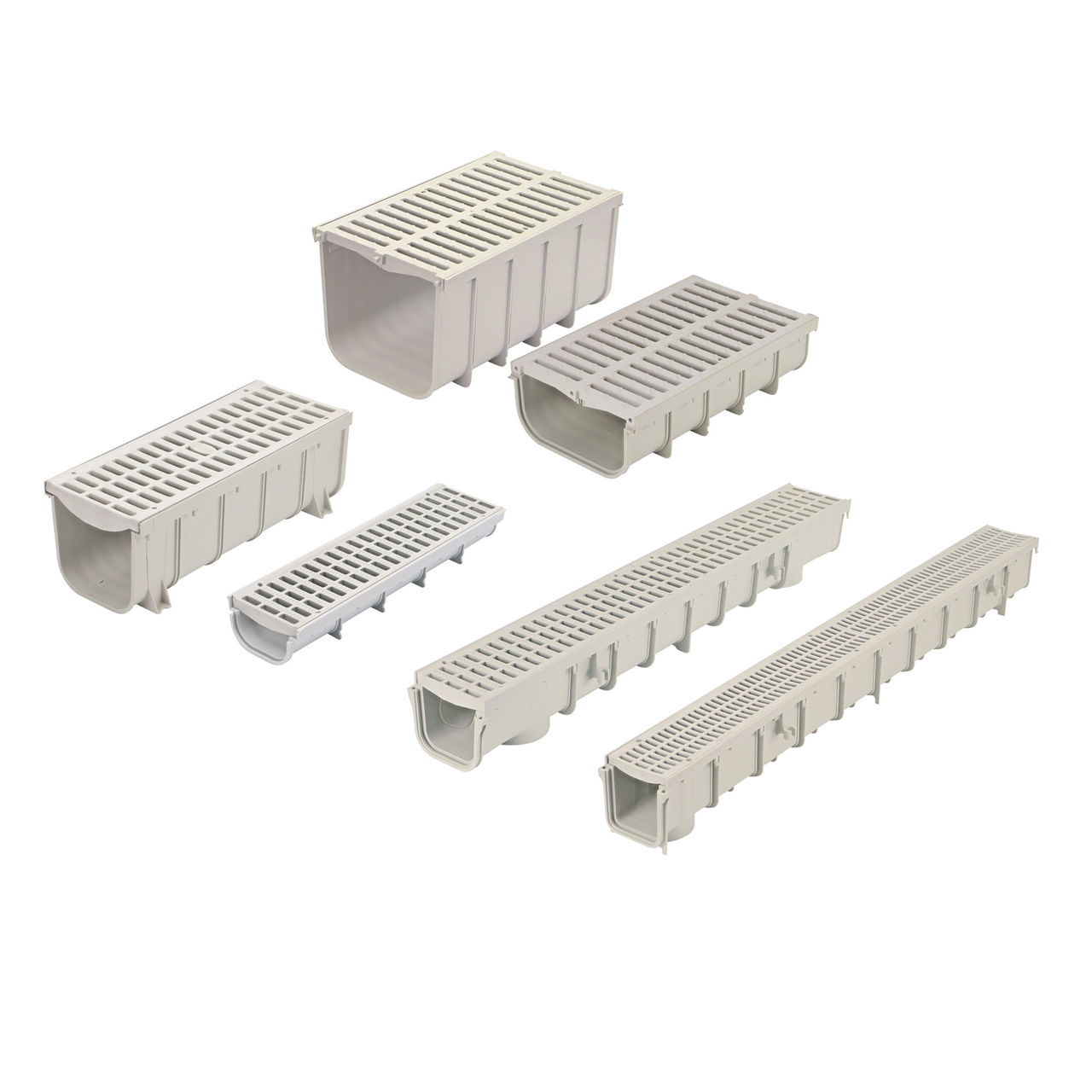
Design Variations and Configurations
Modern drainage system designs offer numerous configuration options to address specific site requirements:
- Standard Linear Systems: Straight-run installations for simple drainage needs
- Modular Systems: Interconnecting components that allow custom lengths and configurations
- Sloped Systems: Pre-formed channels with built-in slopes to ensure proper drainage
- Corner and Junction Systems: Specialized components for complex layouts
- Heel-Safe Grates: Pedestrian-friendly designs that prevent heel catching and some NDS grates are also ADA compliant too.
The modular approach allows homeowners to create custom trench drain design solutions that accommodate unique site conditions, property layouts, and aesthetic requirements. This flexibility makes trench drains suitable for diverse residential applications from simple driveway drainage to complex landscape water management.
Trench Drain Applications: Where and Why to Use Them
Trench drain applications extend far beyond basic water removal, offering homeowners versatile solutions for various drainage challenges. Understanding the appropriate applications helps determine when trench drains represent the optimal choice for your property's water management needs.
Residential Applications
Garage and Driveway Drainage
Garage floors naturally collect water from vehicles, especially during winter months when snow and ice melt create persistent moisture issues. A properly installed garage trench drain prevents water accumulation, reduces humidity, and protects stored items from water damage.
Driveway applications benefit from trench drains installed at the garage entrance or along sloped sections where water tends to accumulate. These installations prevent water from flowing into garages while managing runoff from paved surfaces.
Basement and Foundation Protection
Trench drains excel at intercepting surface water before it reaches foundation walls or basement entrances. Strategic placement around building perimeters, particularly on uphill slopes, prevents water infiltration that can lead to basement flooding, foundation damage, and mold growth.
These systems work particularly well in conjunction with existing waterproofing measures, providing an additional layer of protection against surface water intrusion.
Pool and Patio Drainage
Swimming pool areas and outdoor patios benefit significantly from trench drain installations. Pool decks require effective drainage to prevent slipping hazards and equipment damage, while patio areas need protection from standing water that can damage furniture and create safety concerns. Standing water can cause health concerns as it tends to invite the formation of mosquito breeding grounds.
Trench drains installed around pool perimeters collect splash water and rainfall, directing it away from the pool area and preventing accumulation on decking surfaces.
Benefits of Trench Drains for Homeowners
The benefits of trench drains for residential applications include:
- Foundation Protection: Surface water interception reduces hydrostatic pressure on foundation walls
- Property Value Enhancement: Effective drainage systems improve property value and marketability
- Reduced Maintenance: Preventing water damage reduces long-term maintenance requirements
- Safety Improvement: Eliminating standing water helps prevent slip hazards, ice formation, and the growth of mold and mildew that can cause discoloration. It also reduces health risks by removing breeding grounds for insects and other pests.
- Landscape Protection: Controlled water flow prevents erosion and protects landscaping investments
Solving Common Water Drainage Problems
Homeowners frequently encounter specific drainage challenges that trench drains address effectively:
Pooling Water Solutions
Pooling water solutions often require the linear collection capability that trench drains provide. Areas with inadequate slope or compacted soil benefit from trench drain installation that intercepts water across wide areas rather than relying on single collection points.
Surface Water Management
Effective surface water management requires systems that can handle variable flow conditions and debris loads. Trench drains excel in these conditions due to their continuous collection design and removable grates that facilitate maintenance.
The ability to customize system length and capacity makes trench drains adaptable to different site conditions and water volumes, providing reliable performance across diverse residential applications.

Professional Installation vs. DIY Considerations
Choosing between professional installation and DIY approaches for trench drain projects requires careful consideration of complexity, local regulations, and long-term performance requirements. While some homeowners may successfully install simple systems, most applications benefit from professional trench drain installation expertise.
When to Hire Professional Contractors
Trench drain contractors bring valuable expertise to complex installations, including:
- Site Assessment: Professional evaluation of drainage needs, soil conditions, and existing infrastructure
- System Design: Custom design that optimizes performance for specific site conditions
- Permit Management: Navigation of local building codes and permit requirements
- Excavation Expertise: Safe excavation that avoids utility lines and structural elements
- Installation Quality: Proper installation techniques that ensure long-term performance
- Integration Services: Connection to existing drainage systems and utilities
Complex projects, such as systems requiring significant excavation, utility connections, or integration with existing infrastructure, typically require professional installation to ensure optimal results and code compliance.
Professional Installation Services
A professional trench drain installation service includes site evaluation, system design, permit acquisition, excavation, installation, and testing. Professional contractors provide warranties on their work and ensure installations meet local building codes and manufacturer specifications.
When seeking contractors, homeowners should verify licensing, insurance, and experience with similar projects. References from previous customers and examples of completed installations provide valuable insights into contractor capabilities and work quality.
DIY Installation Considerations
Some straightforward trench drain installations may be suitable for experienced DIY homeowners, particularly shallow systems in stable soil conditions. However, DIY projects require careful planning, appropriate tools, and thorough understanding of installation requirements.
DIY considerations include:
- Utility Location: Professional utility marking before excavation
- Proper Slope: Ensuring adequate slope for water flow
- Structural Support: Adequate concrete support for channel stability
- Connection Requirements: Proper connection to existing drainage systems
- Code Compliance: Meeting local building code requirements
Even when considering DIY installation, a professional consultation can provide valuable guidance on design, materials, and installation techniques.
Purchasing and Sourcing Trench Drain Systems
Finding reliable trench drain suppliers and understanding pricing factors helps homeowners make informed purchasing decisions for their drainage projects. The market offers various purchasing options, from local suppliers to online retailers, each with specific advantages.
Trench Drain Manufacturers and Suppliers
Established trench drain manufacturers produce systems designed for different applications and performance requirements. Leading manufacturers offer comprehensive product lines, technical support, and warranty coverage.
When evaluating suppliers, consider factors including:
- Product Quality: Manufacturing standards and material quality
- Technical Support: Design assistance and installation guidance
- Warranty Coverage: Product warranties and performance guarantees
- Local Availability: Regional distribution and inventory
- Custom Capabilities: Ability to provide custom configurations
Regional suppliers often provide personalized service and faster delivery, while national suppliers may offer broader product selection and competitive pricing.
Online vs. Local Purchasing
The option to buy trench/channel drain systems online provides convenience and potentially competitive pricing, though local suppliers offer advantages including immediate availability, personal consultation, and reduced shipping costs for heavy items.
Trench Drain Pricing Factors
Trench drain pricing varies significantly based on materials, size, complexity, and installation requirements. Understanding cost factors helps homeowners budget appropriately for their drainage projects:
Material Costs
System materials represent a significant portion of total project costs. Plastic and Polymer concrete systems typically offer the best value for residential applications, while stainless steel commands premium pricing. Channel width and depth also impact material costs, with larger systems requiring proportionally more materials.
Installation Costs
Professional installation costs depend on excavation requirements, site access, soil conditions, and system complexity. Simple installations may cost significantly less than projects requiring extensive excavation or utility connections.
Additional Components
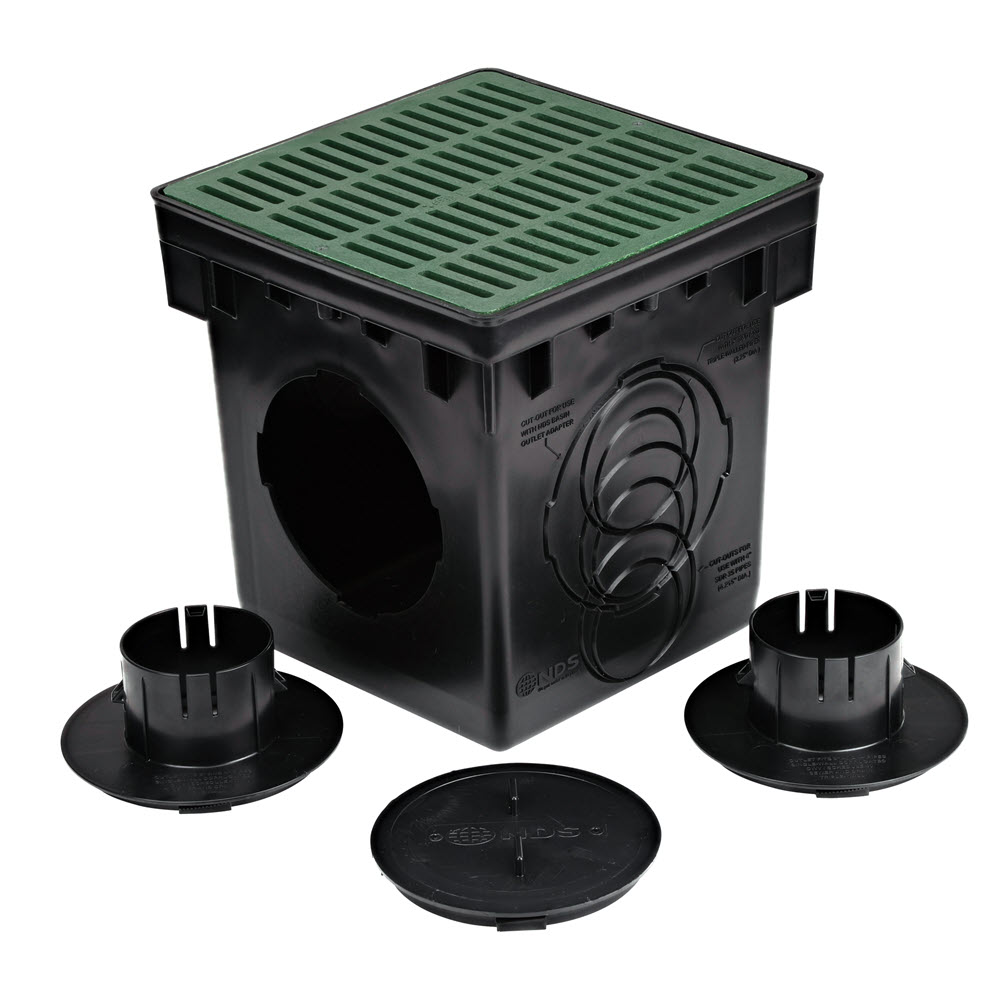
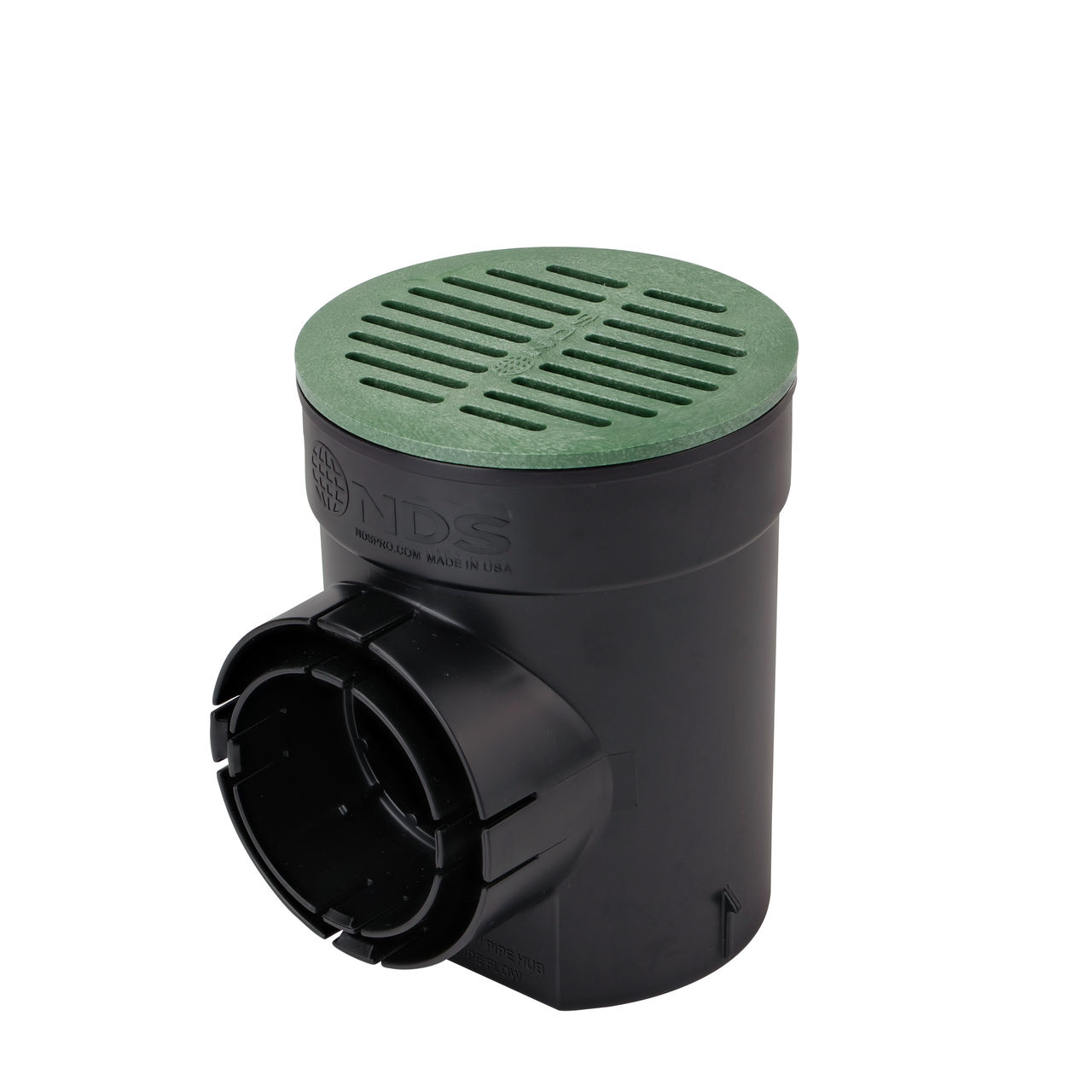
Complete systems require outlet connections, end caps, and potentially catch basins or other accessories. These components add to total system costs but are essential for proper functionality.
Obtaining multiple quotes from qualified contractors provides competitive pricing information and helps identify the best value for specific project requirements.
Maintenance, Repair, and Long-Term Performance
Proper trench drain maintenance ensures long-term system performance and prevents common problems that can compromise drainage effectiveness. Understanding maintenance requirements and potential repair needs helps homeowners protect their drainage investment.
Regular Maintenance Requirements
Effective trench drain maintenance involves several routine activities:
Debris Removal
Regular grate removal and channel cleaning prevents debris accumulation that can restrict water flow. Frequency depends on site conditions, with areas prone to leaf accumulation or sediment requiring more frequent attention.
The removable grate design facilitates maintenance, allowing homeowners to access channels for cleaning without specialized tools or extensive labor.
Inspection and Assessment
Periodic inspection identifies potential issues before they compromise system performance. Key inspection points include:
- Channel Condition: Checking for cracks, damage, or settlement
- Grate Security: Ensuring grates remain properly seated and secure
- Flow Performance: Observing water flow during rain events
- Outlet Function: Verifying downstream discharge systems operate properly
- Surrounding Areas: Checking for erosion or settlement around installations
Common Repair Issues
Trench drain repair requirements typically involve addressing specific performance issues:
Flow Restrictions
Reduced flow capacity often results from debris accumulation, sediment buildup, or downstream blockages. Regular maintenance prevents most flow restrictions, though some situations may require professional cleaning or system modifications.
Structural Issues
Settlement, cracking, or other structural problems may develop over time, particularly in areas with unstable soil or inadequate installation support. These issues typically require professional repair to restore proper function and prevent further deterioration.
Grate Problems
Damaged, loose, or missing grates compromise both system performance and safety. Replacement grates are readily available from manufacturers and suppliers, making this a straightforward repair for most homeowners.
Maximizing System Longevity
Quality systems properly installed and maintained can provide decades of reliable service with minimal intervention.
Environmental factors, including freeze-thaw cycles, chemical exposure, and traffic loads, impact system longevity. Selecting appropriate materials and designs for specific site conditions helps ensure optimal long-term performance.
Best Trench Drain Systems and Professional Solutions
Evaluation Criteria for Trench/Channel System Selection
Effective system evaluation considers multiple factors:
- Flow Capacity: Adequate capacity for anticipated water volumes
- Structural Strength: Appropriate load ratings for traffic conditions
- Material Quality: Durable materials suited to environmental conditions
- Installation Ease: Systems designed for efficient, reliable installation
- Maintenance Requirements: Reasonable maintenance needs and accessibility
- Manufacturer Support: Technical assistance and warranty coverage
Professional Solution Providers
Comprehensive trench drain solutions often require coordination between manufacturers, suppliers, and contractors. Professional solution providers offer integrated services including design consultation, system selection, and installation coordination.
Trench drain consultation services help homeowners navigate system selection, ensuring chosen solutions match specific site conditions. This professional guidance can prevent costly mistakes and ensure optimal system performance.
Many solution providers offer complete project management, from initial assessment through final installation and commissioning. This comprehensive approach provides homeowners with single-source accountability and streamlined project execution.
Custom Design Capabilities
Custom trench drain design accommodates unique site conditions and aesthetic requirements. Custom solutions may involve specialized materials, non-standard configurations, or integration with existing landscape elements.
While custom systems typically cost more than standard products, they provide optimized performance and appearance for specific applications. Professional design services ensure custom solutions meet performance requirements while maintaining cost-effectiveness.
Conclusion: Making Informed Decisions About Trench/Channel Drainage
Understanding trench/channel drains and how these systems address common drainage challenges empowers homeowners to make informed decisions about their property's water management needs. From basic channel drain functionality to complex installation considerations, trench/channel drains offer versatile solutions for diverse residential applications.
The key to successful trench drain implementation lies in matching system characteristics to specific site requirements. Whether addressing standing water issues in your garage or designing integrated surface water management systems, trench drains provide proven performance and reliability.
Professional guidance from experienced trench drain contractors and reputable suppliers ensures system selection, installation, and maintenance practices that maximize performance and value. The investment in quality drainage systems pays dividends through reduced water damage risk, improved property value, and enhanced safety and usability of outdoor spaces.
For homeowners dealing with recurring water drainage problems, trench drains represent a proactive solution that addresses water management at the source rather than managing consequences after problems develop. The wide variety of available systems, materials, and configurations ensures suitable solutions for virtually any residential drainage challenge.
As you consider your property's drainage needs, remember that effective water management is an investment in your home's long-term value and your family's safety and comfort.
Take action to address your drainage challenges by consulting with qualified professionals who can assess your specific needs and recommend appropriate solutions. With proper planning, quality products, and professional installation, trench drainage systems provide decades of reliable service and protection for your property investment. Learn more at ndspro.com.