


How to Prepare Your Home for El Niño Rains
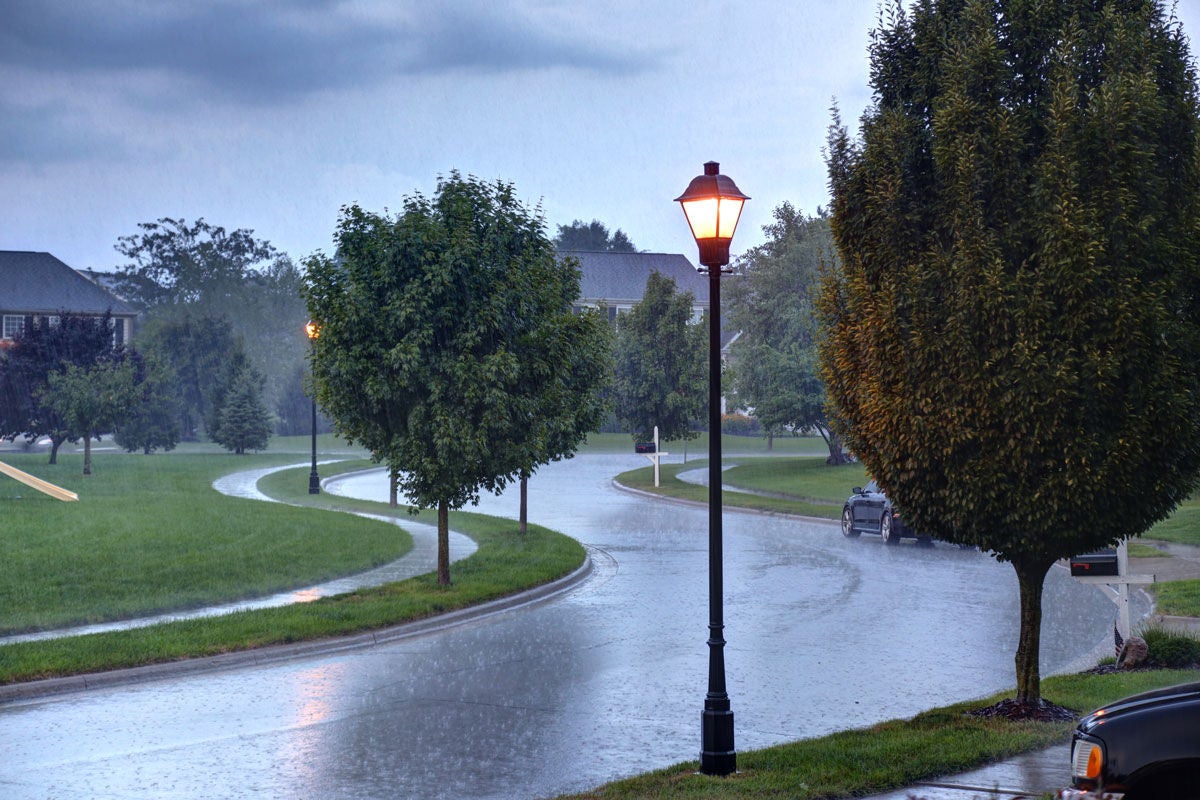
A large storm looms over a suburban neighborhood
El Niño means a high chance of wetter-than-normal conditions across parts of the United States. These heavy, prolonged storms can strain your outdoor drainage system and cause problems around your home, burdening you with the stress of cleaning up the mess and making costly repairs.
The best time for El Niño home preparation is before the storms arrive, while the ground is dry and outdoor work can be done more easily. Wet weather often delays projects and the best drainage contractors may be swamped with jobs at the peak of the season. Taking a few preventative steps now can help you prepare your home for heavy rain—and protect your property for years to come.
5 warning signs your property may be at risk
As you walk around your yard and the exterior of your home, make a note of areas that have had trouble handling storms in the past. Small drainage issues can turn into major problems down the road—so don't wait for the first big storm to hit.
Here are five common problem areas to look for and how to get them storm-ready.
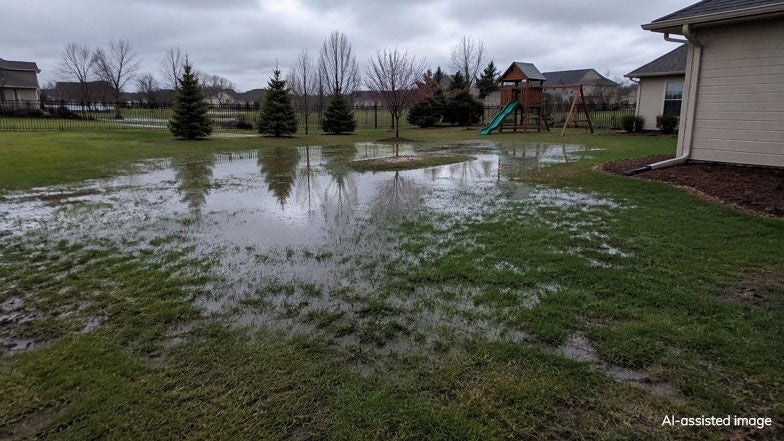
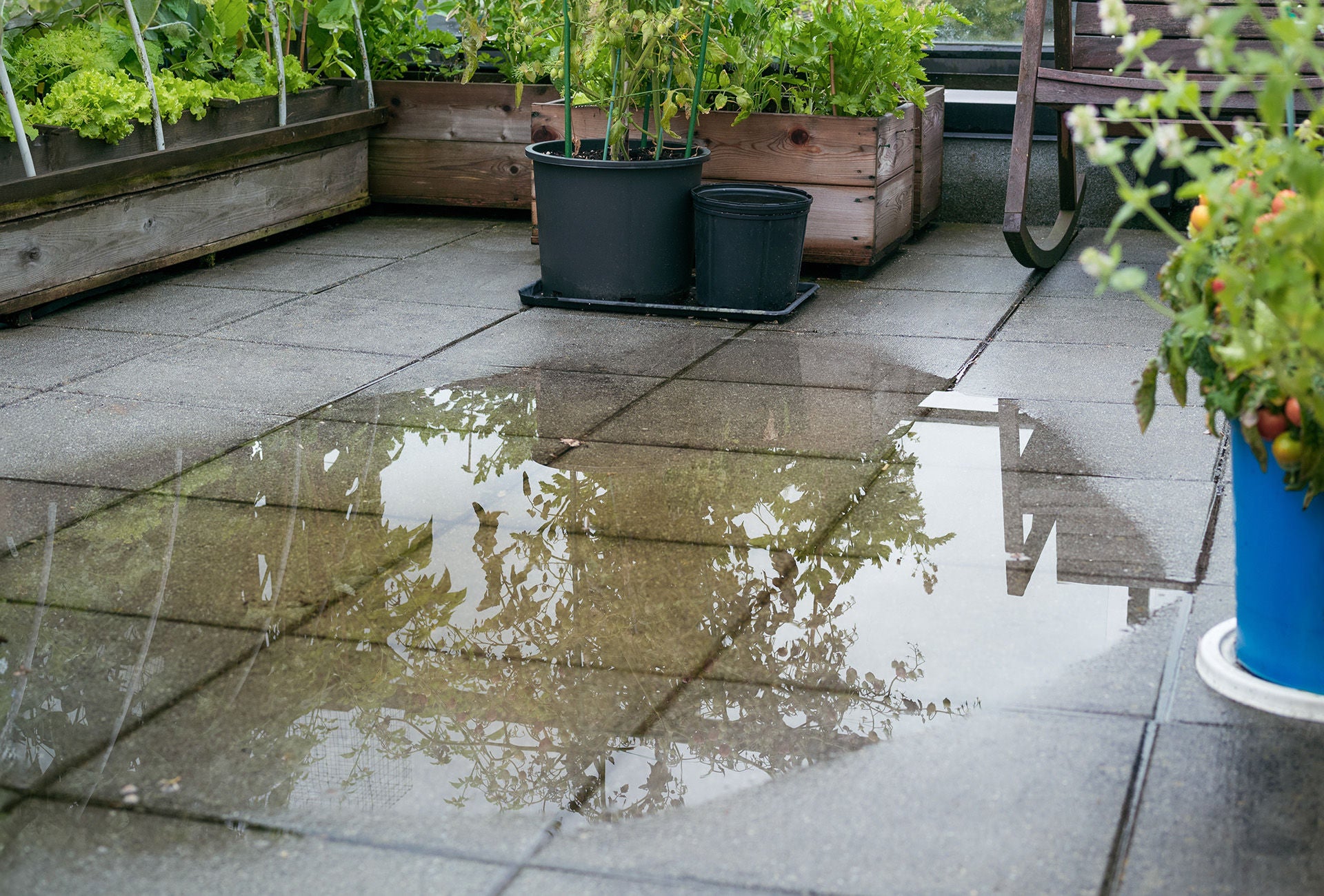
Persistent puddles are one of the most common problems after a storm
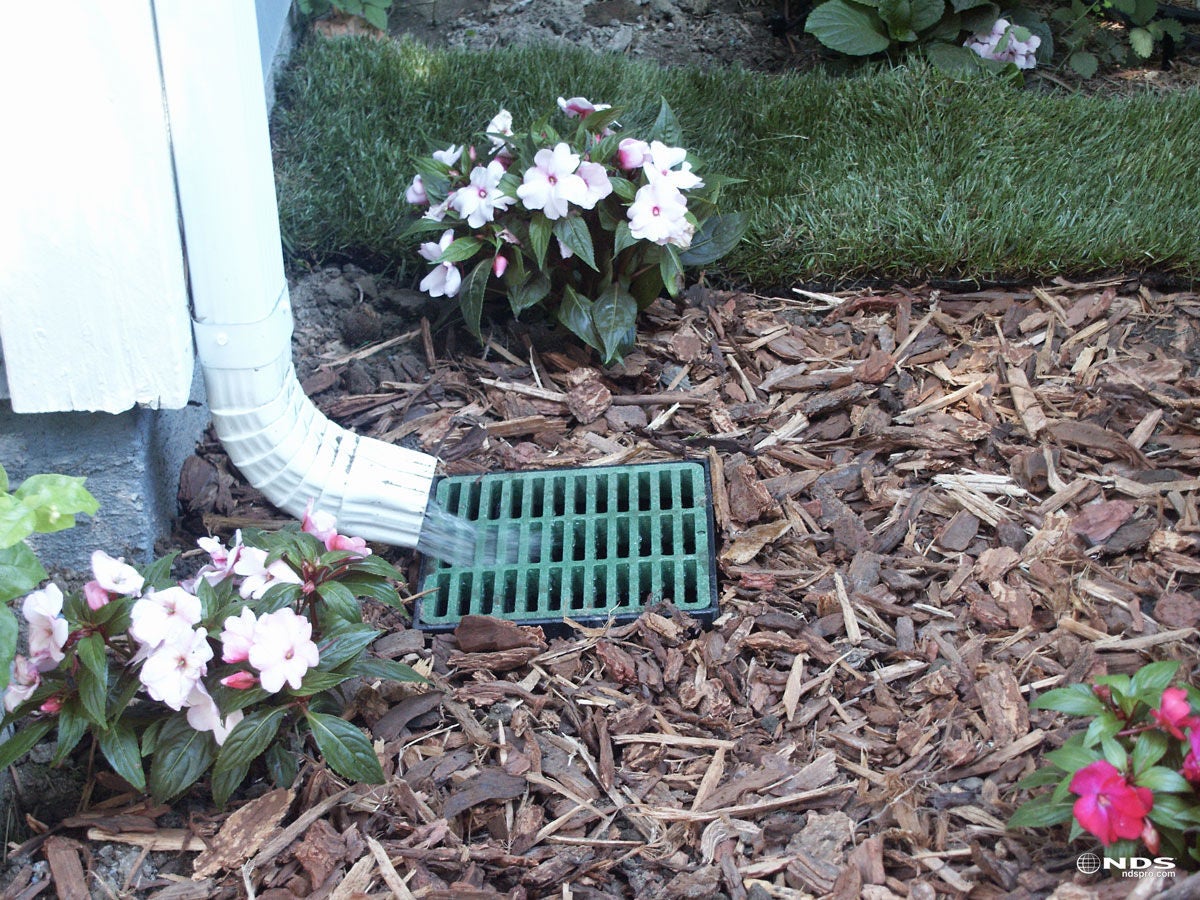
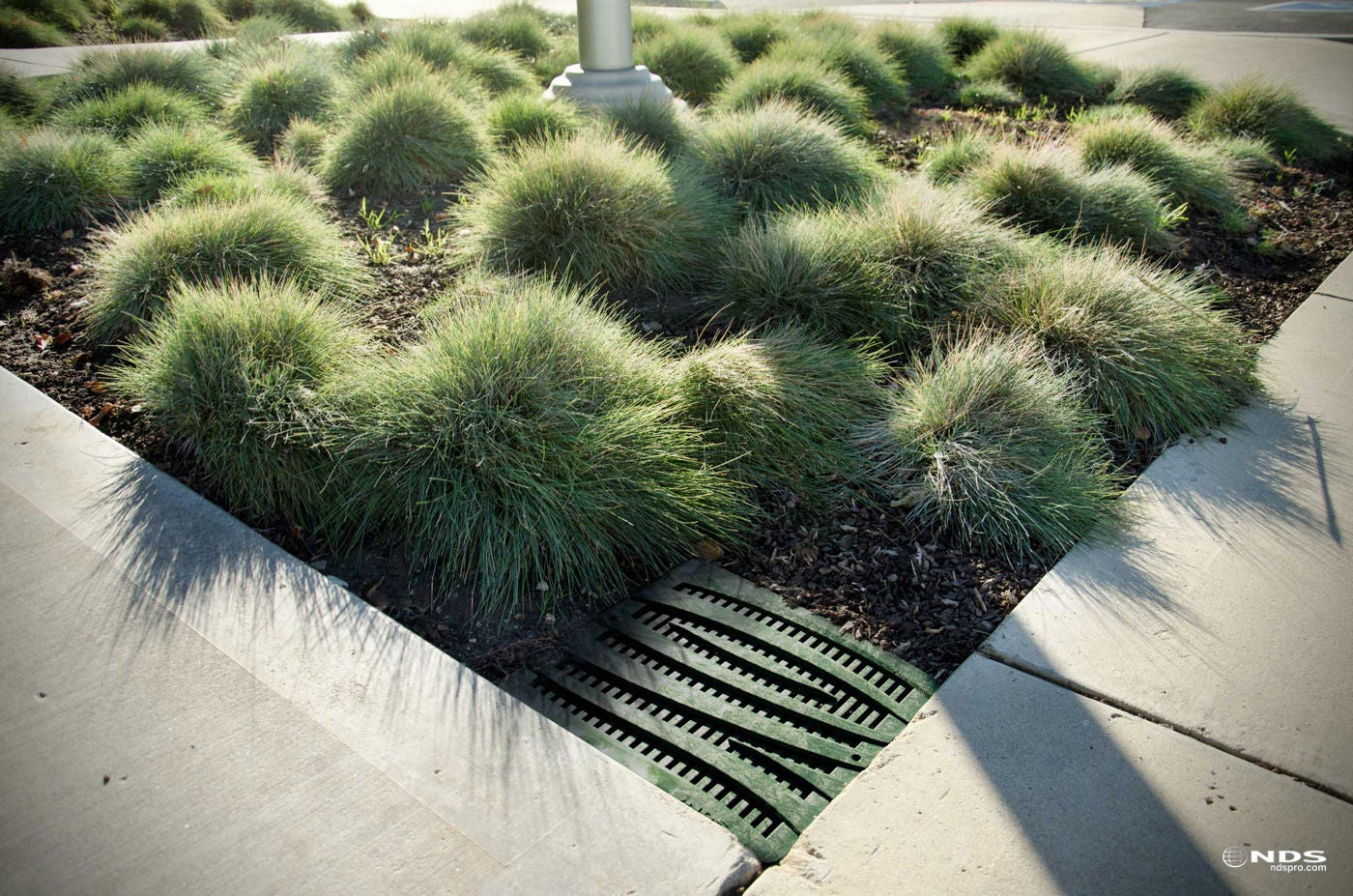
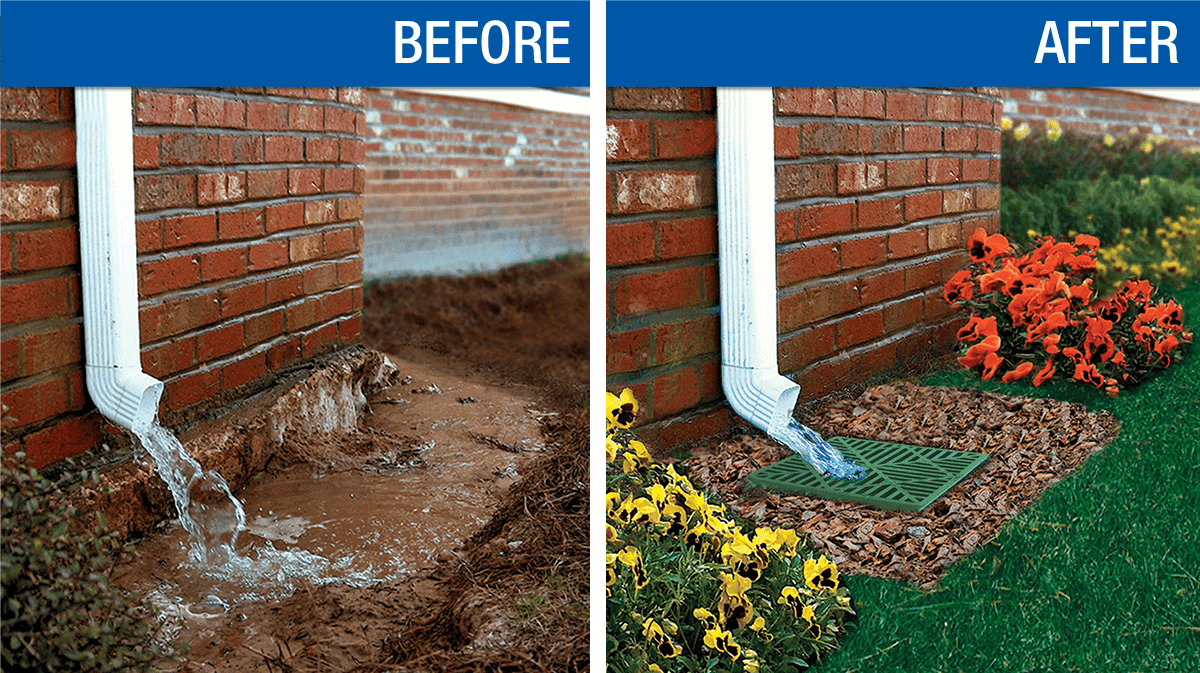
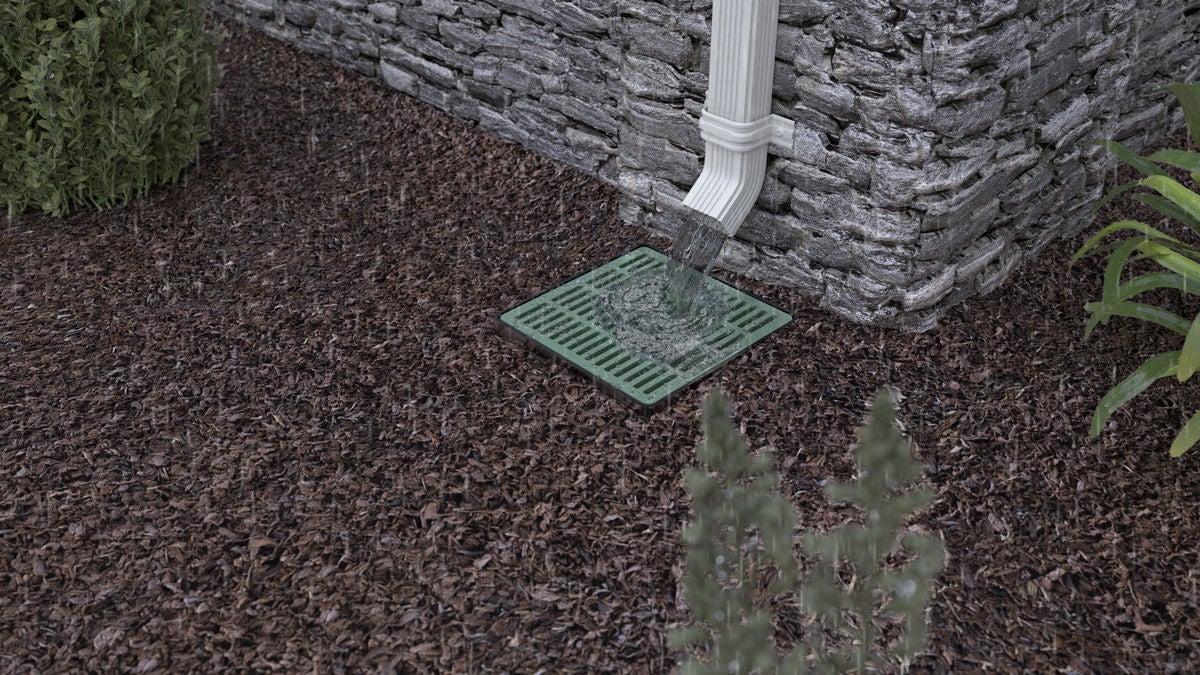
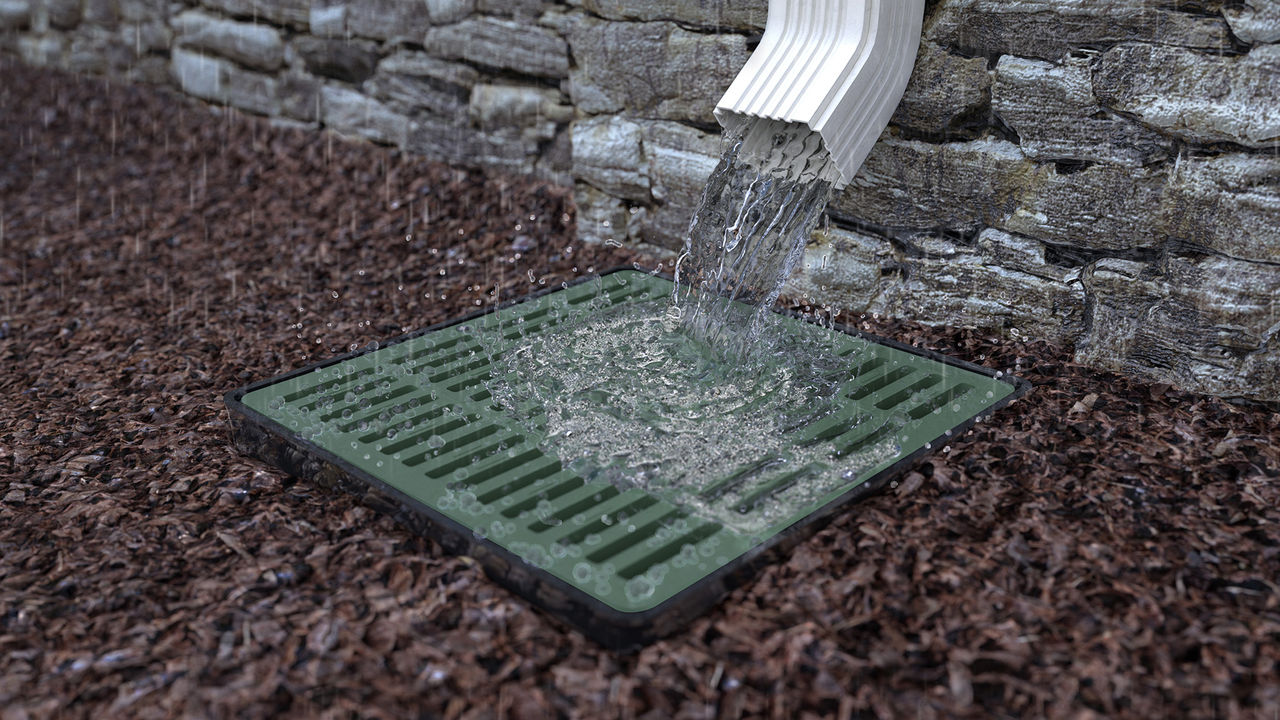
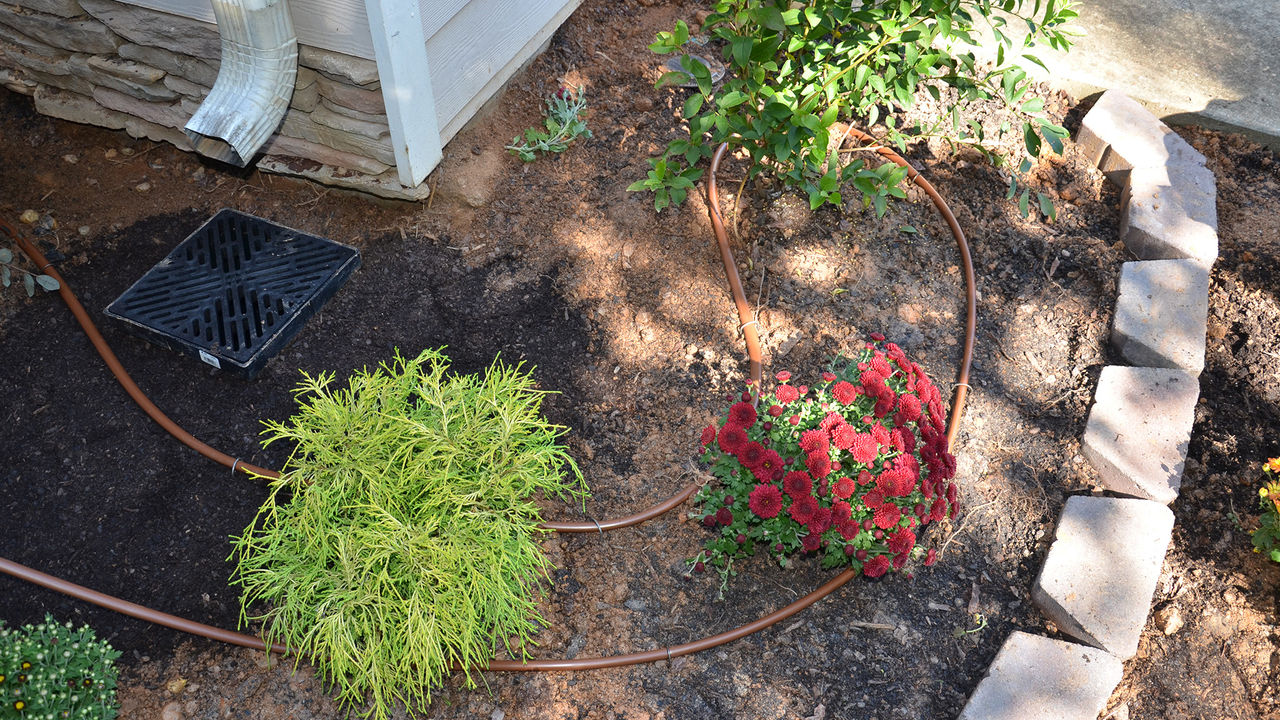
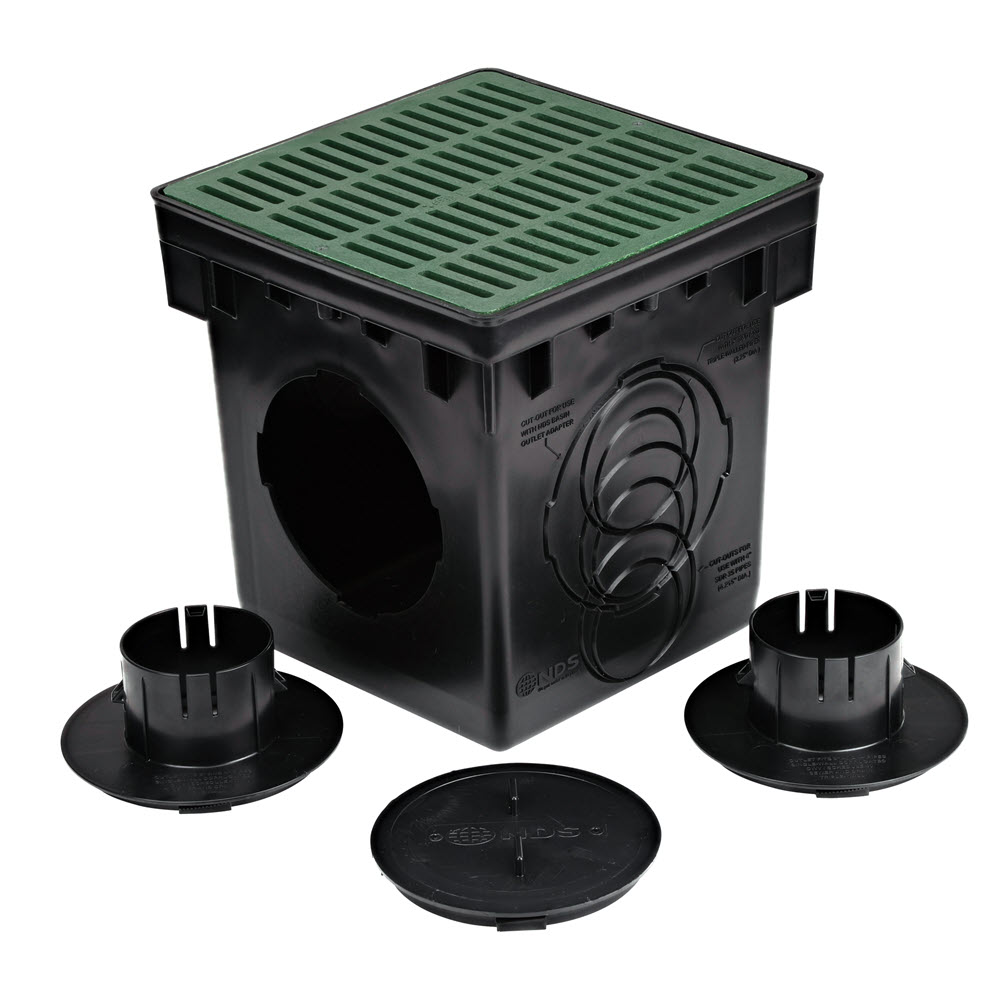
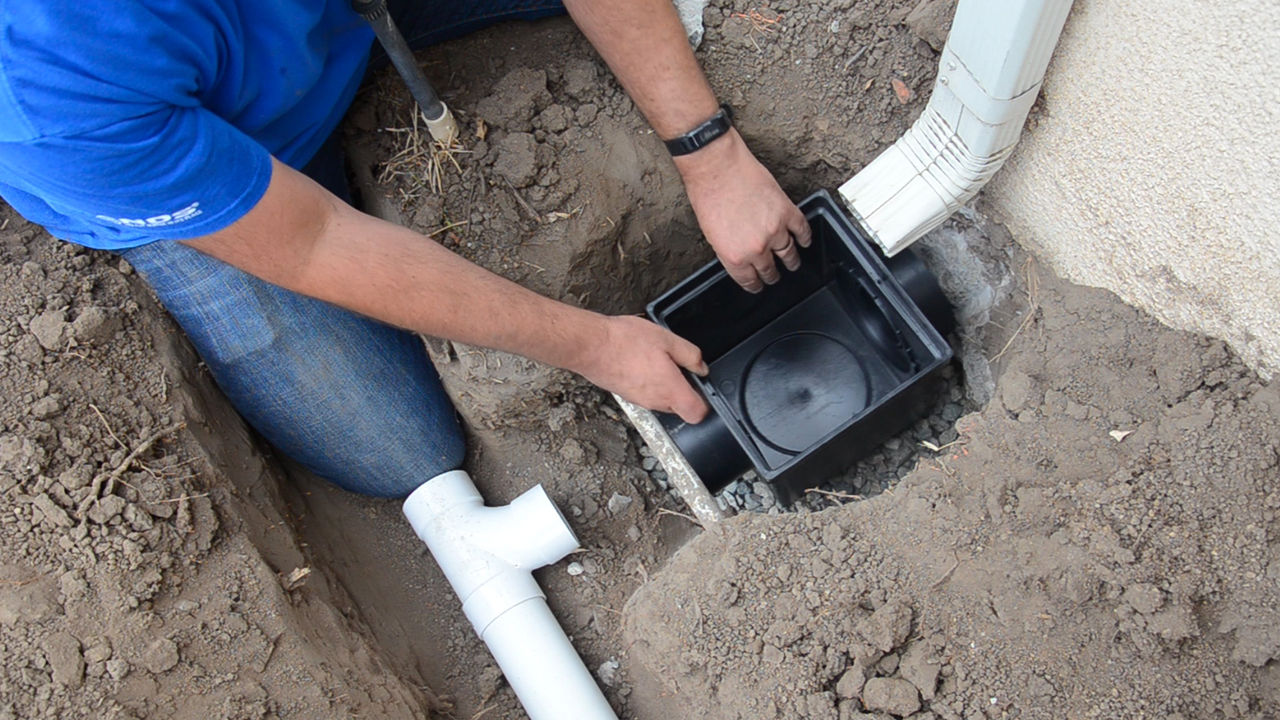
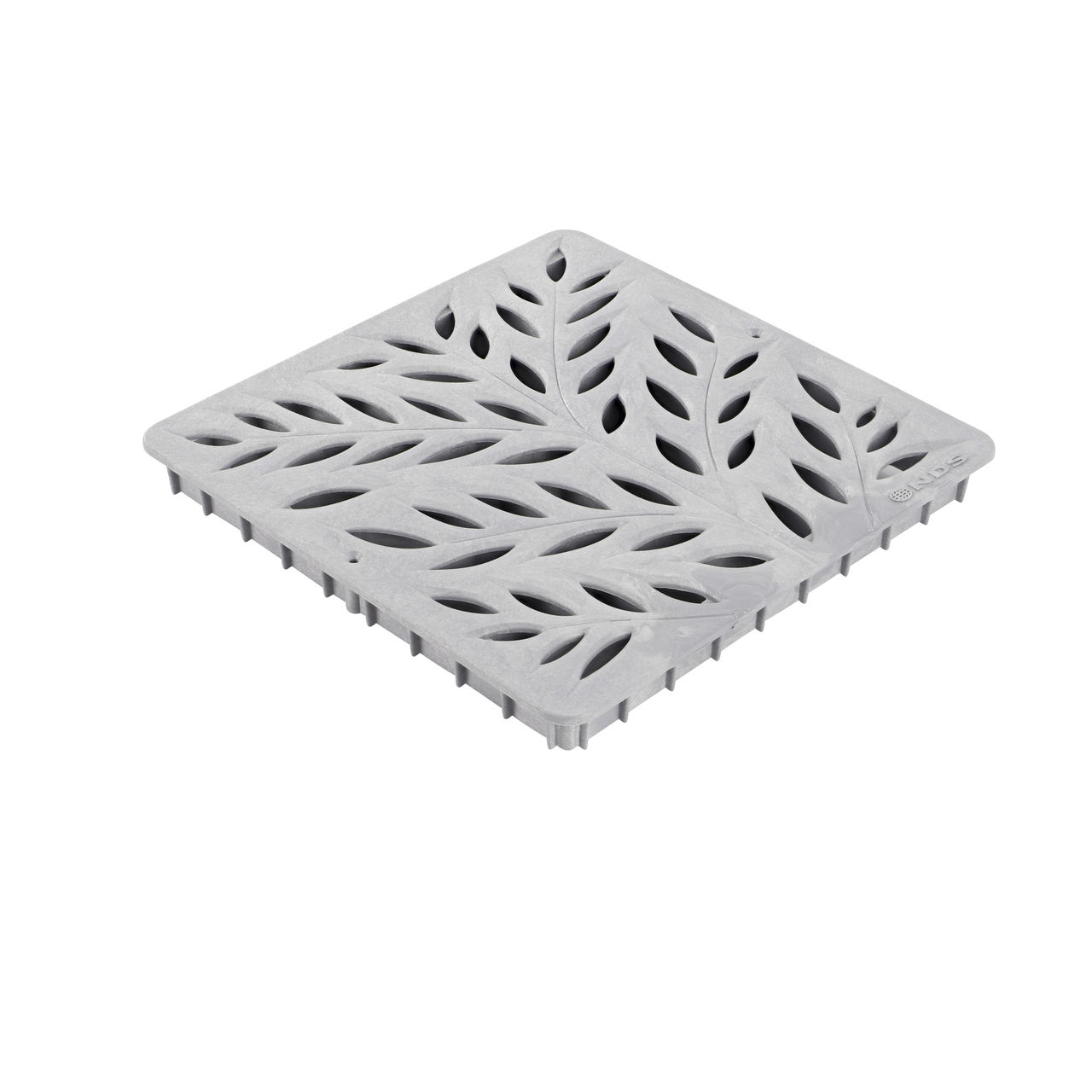
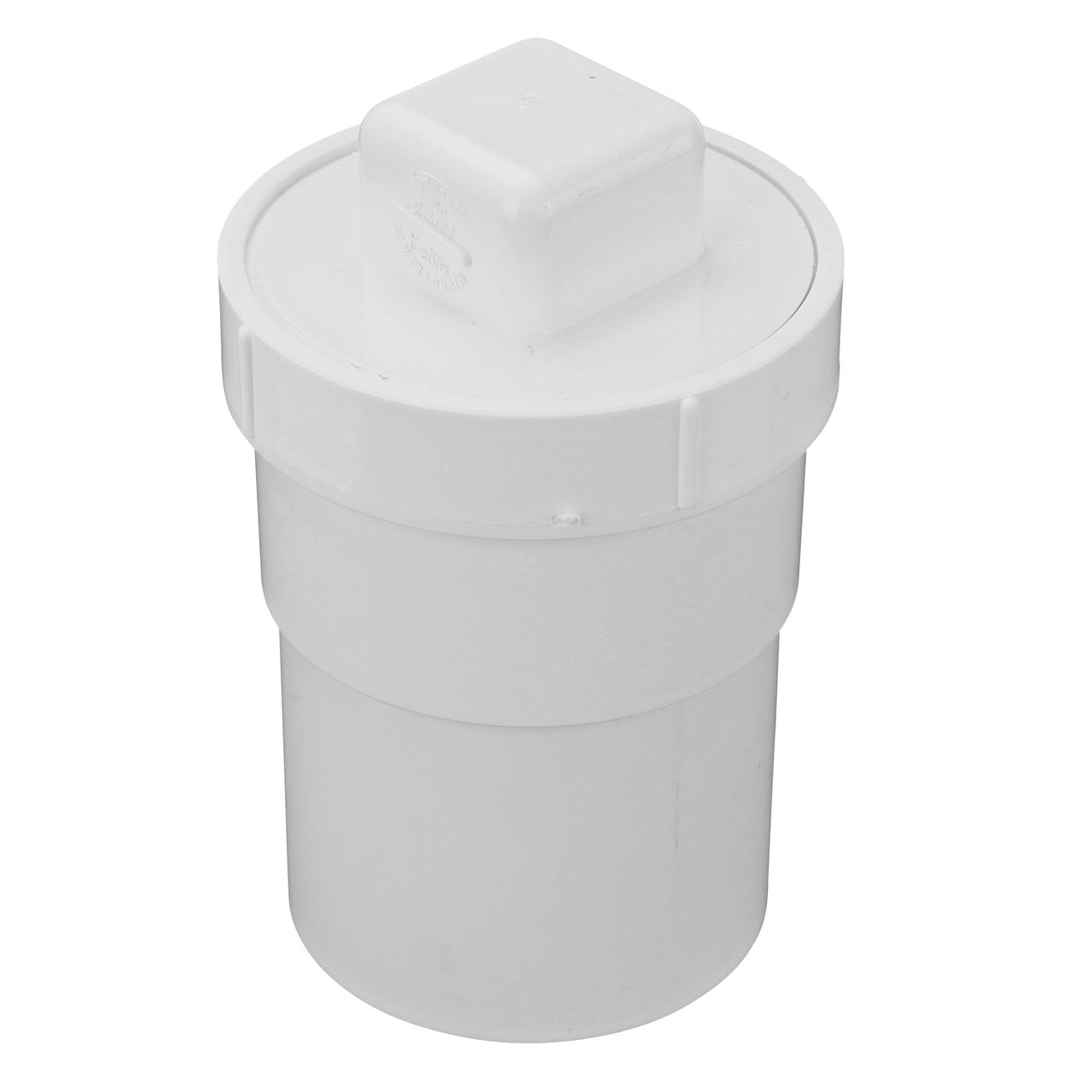
A square catch basin effectively captures water at the base of a downspout
1. Downspout runoff
Does stormwater from your gutter downspouts pool near your home? The water can damage foundation plantings, cause washouts, and even seep inside.
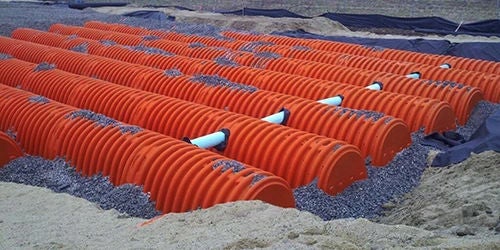
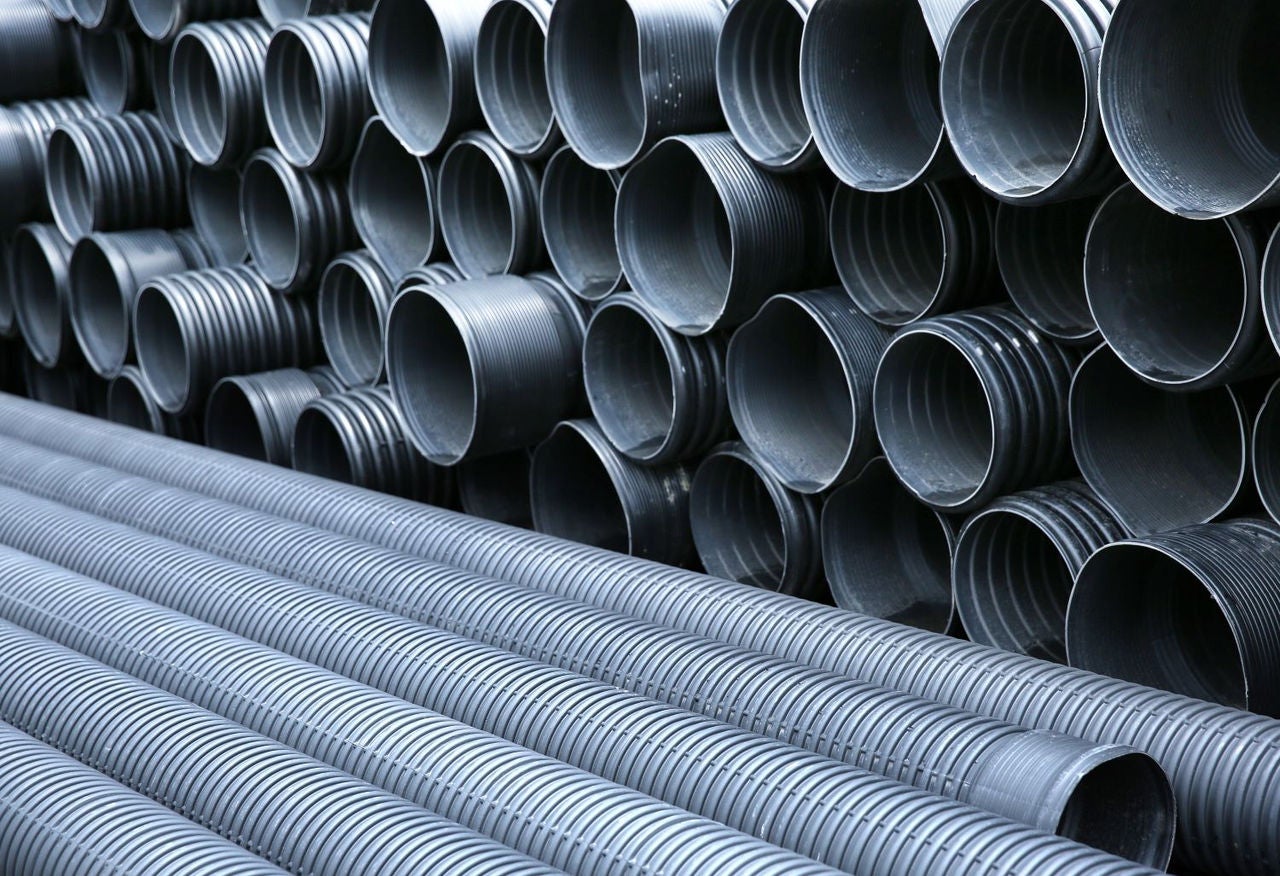
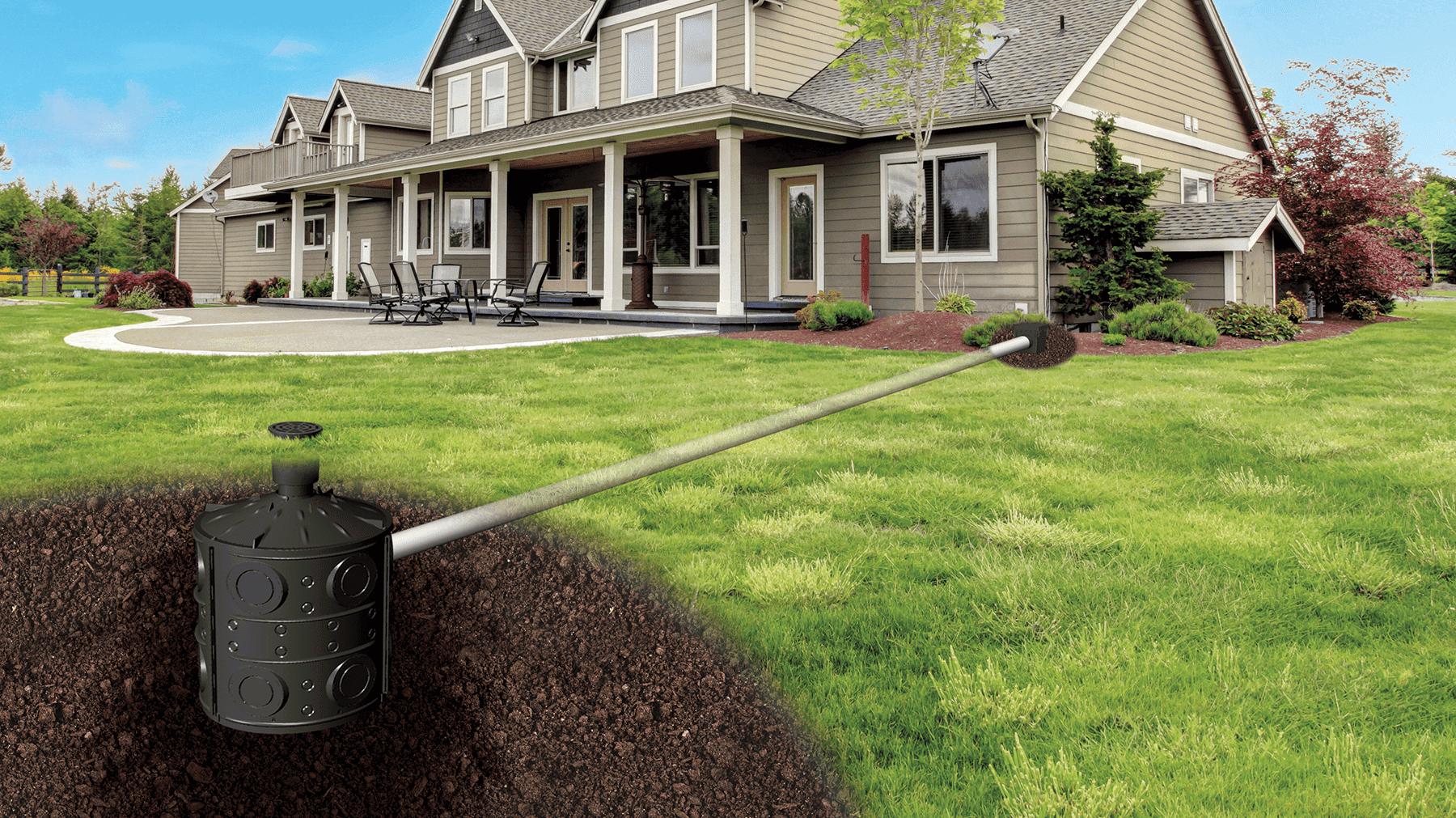
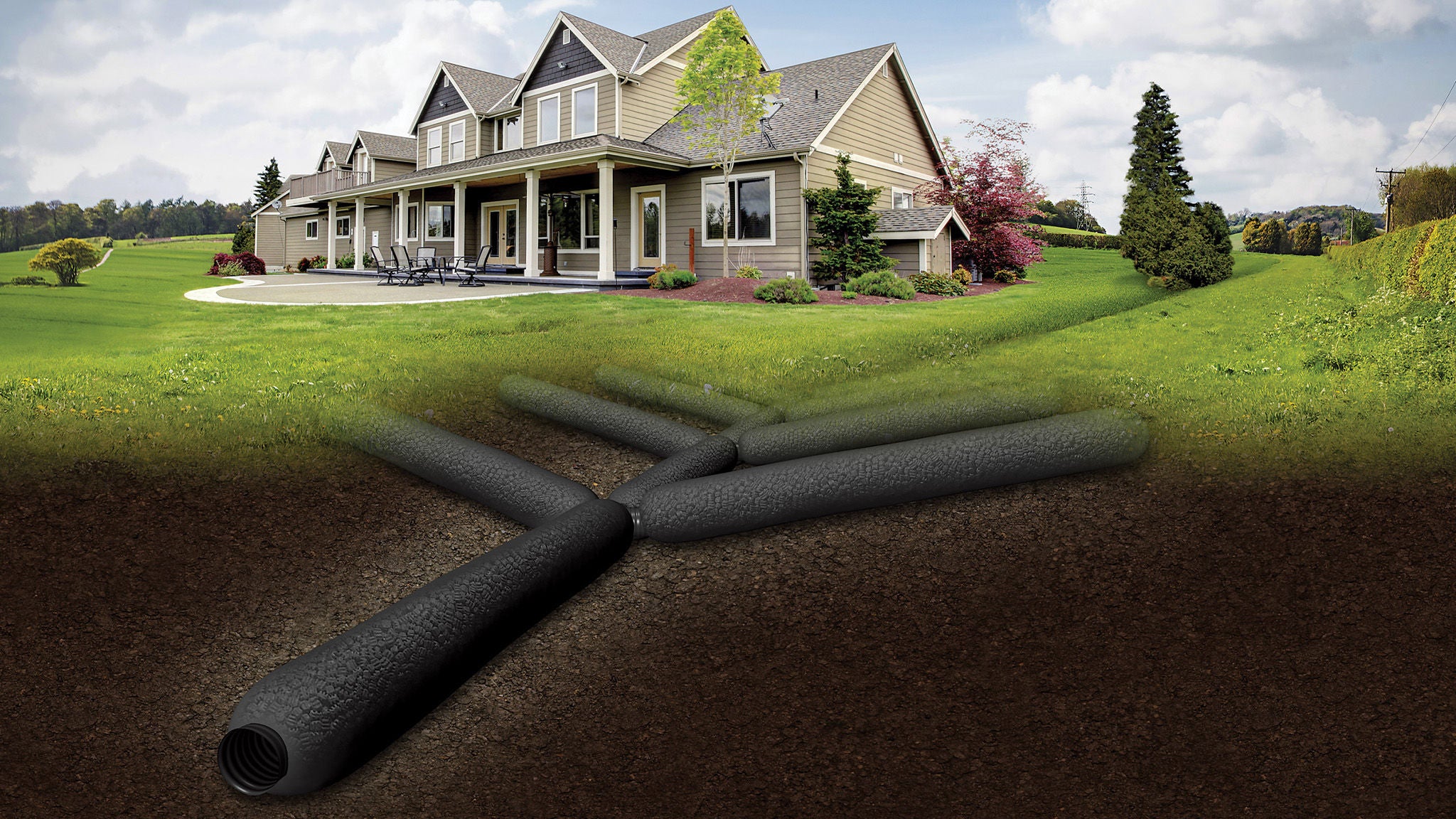
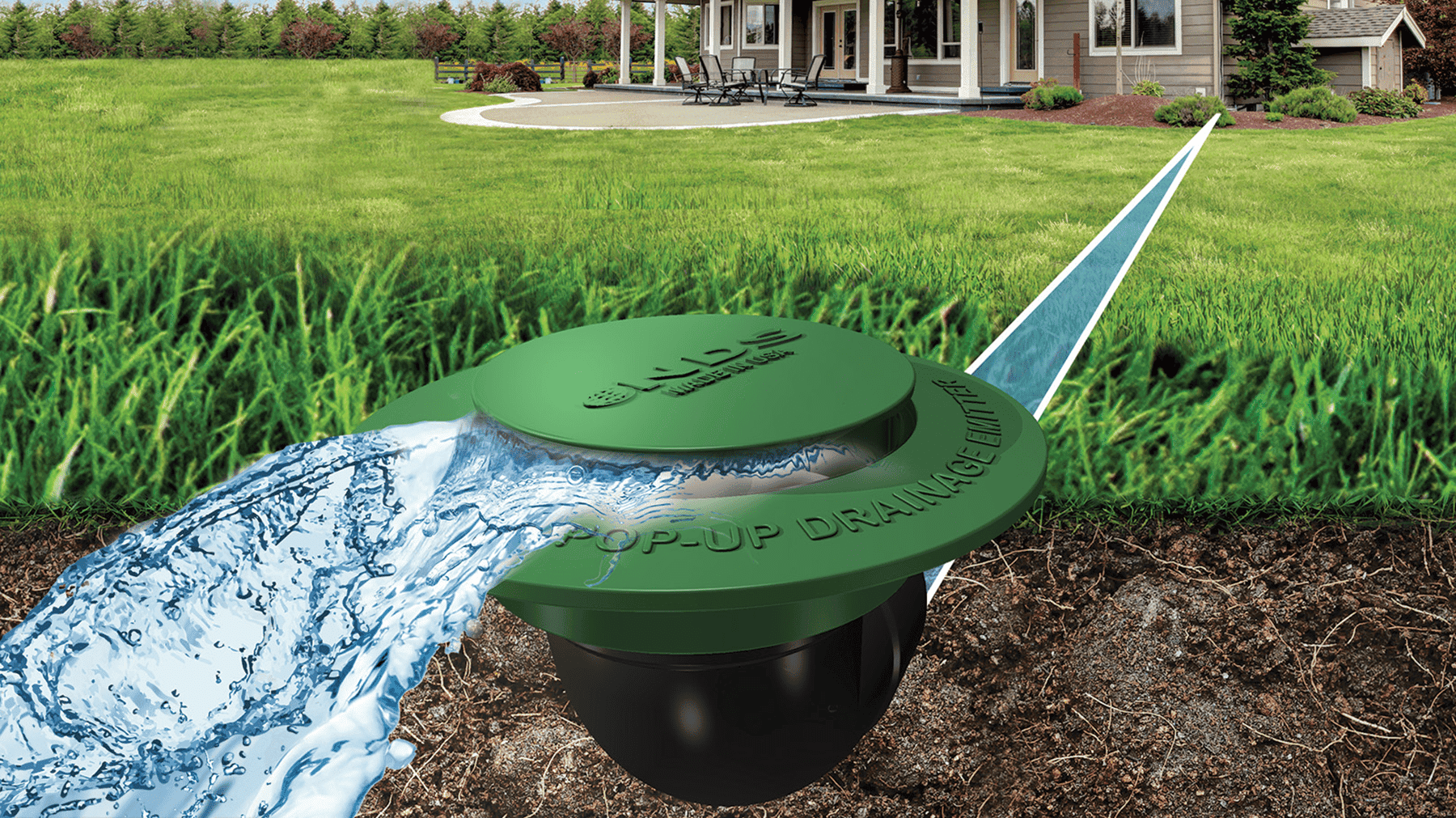
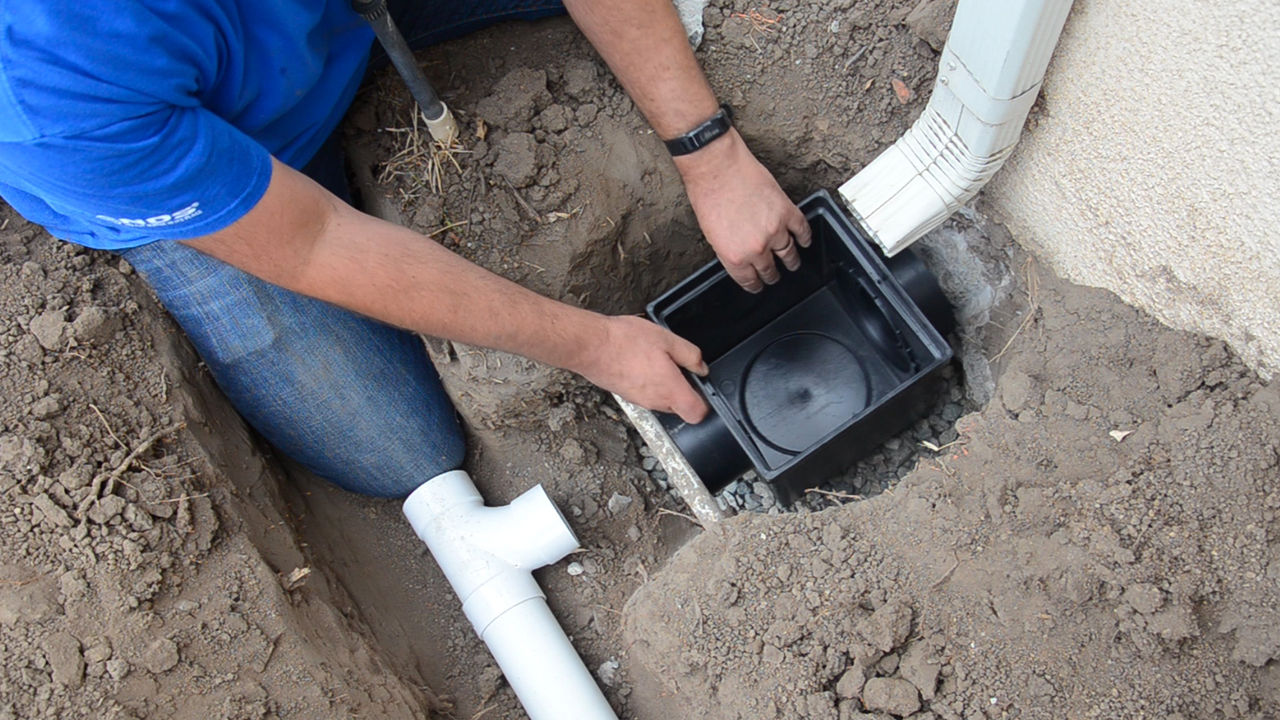
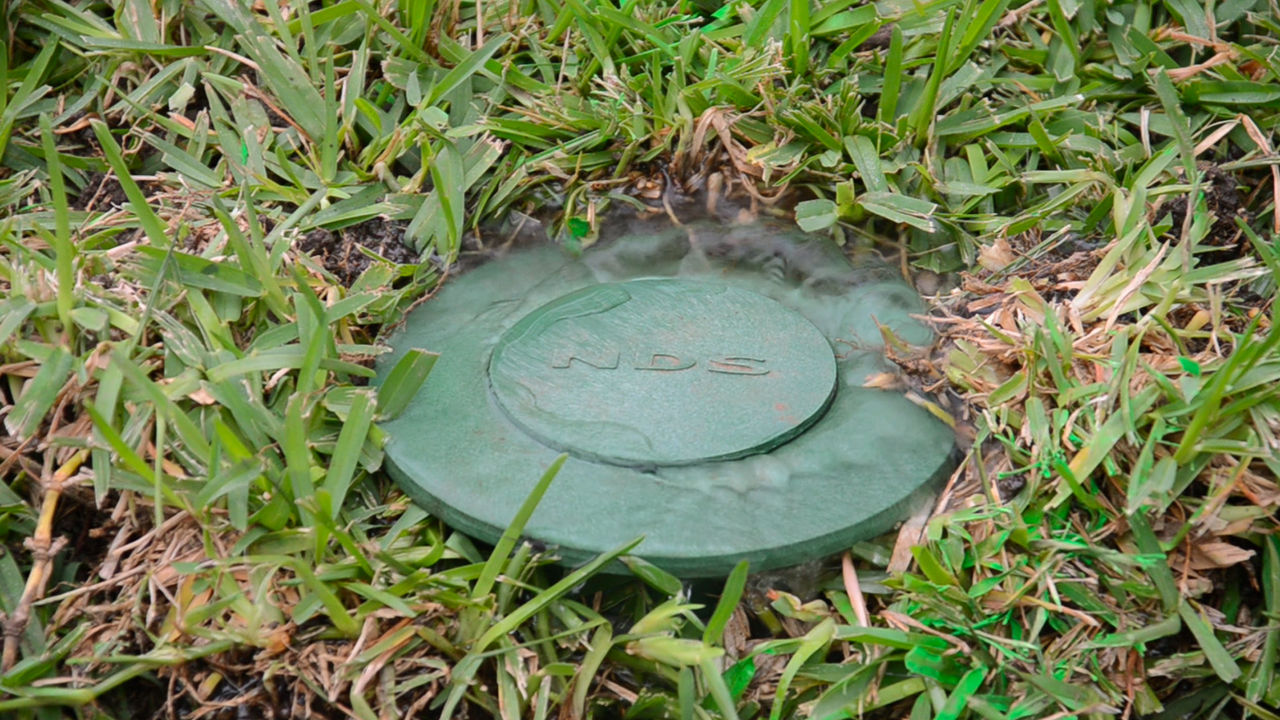
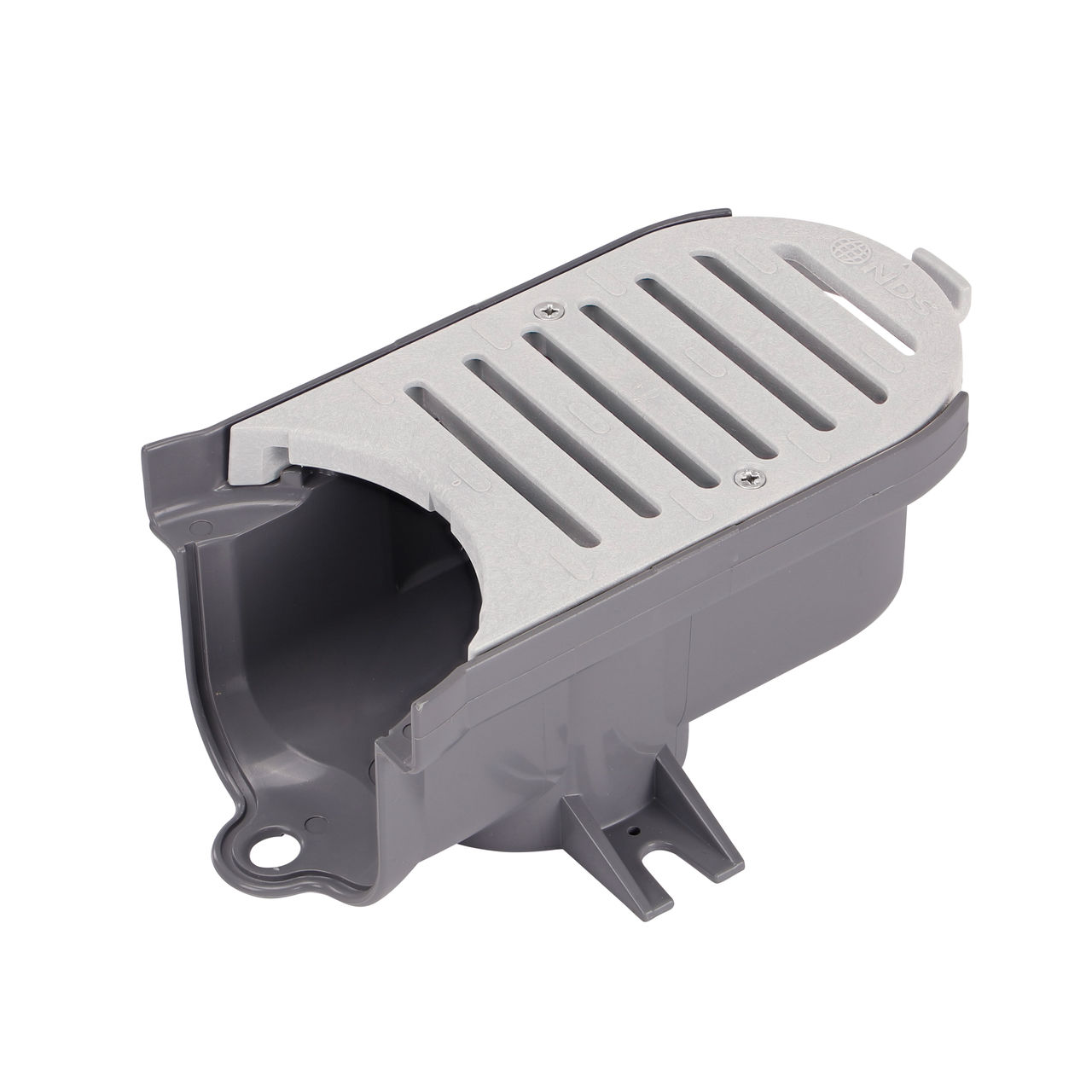
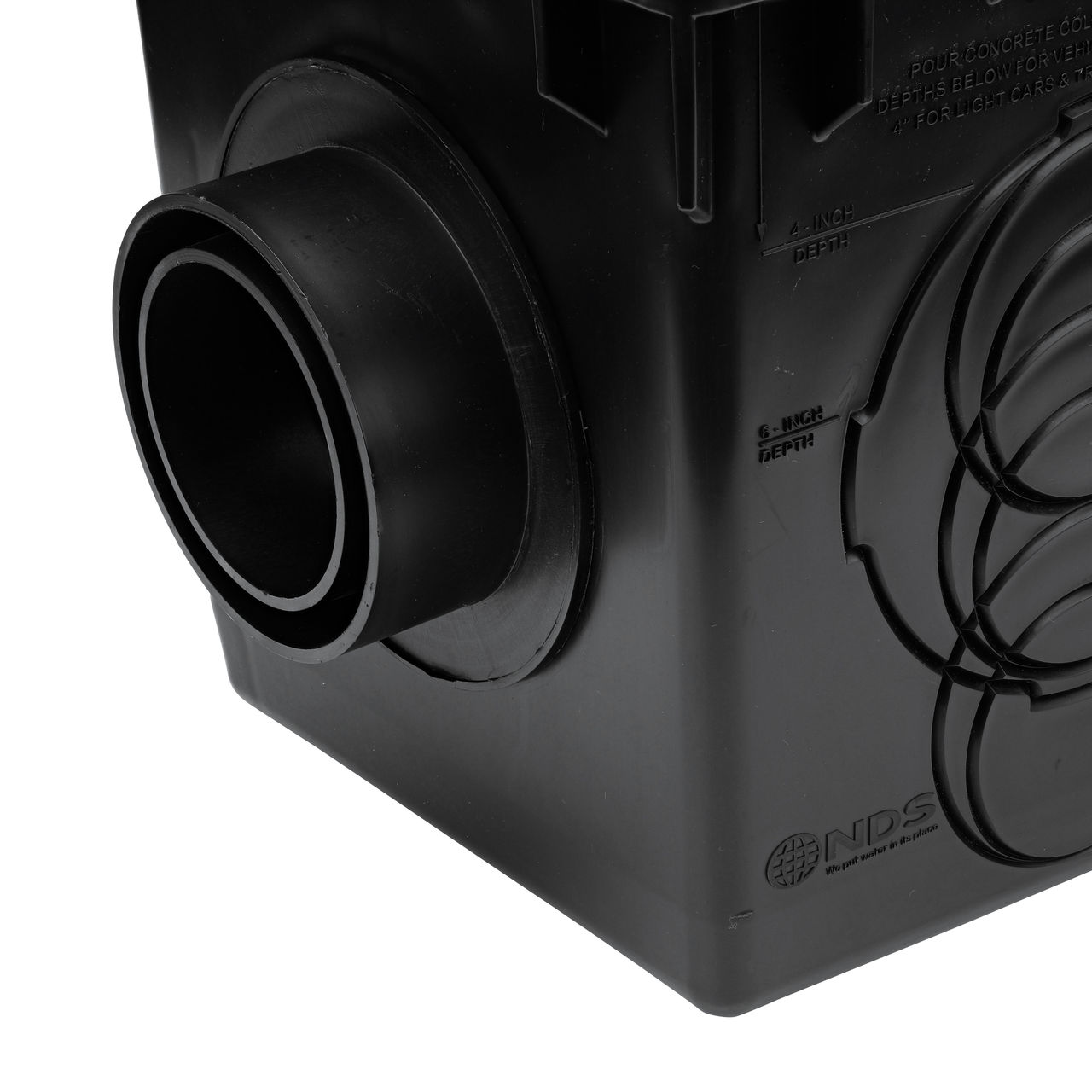
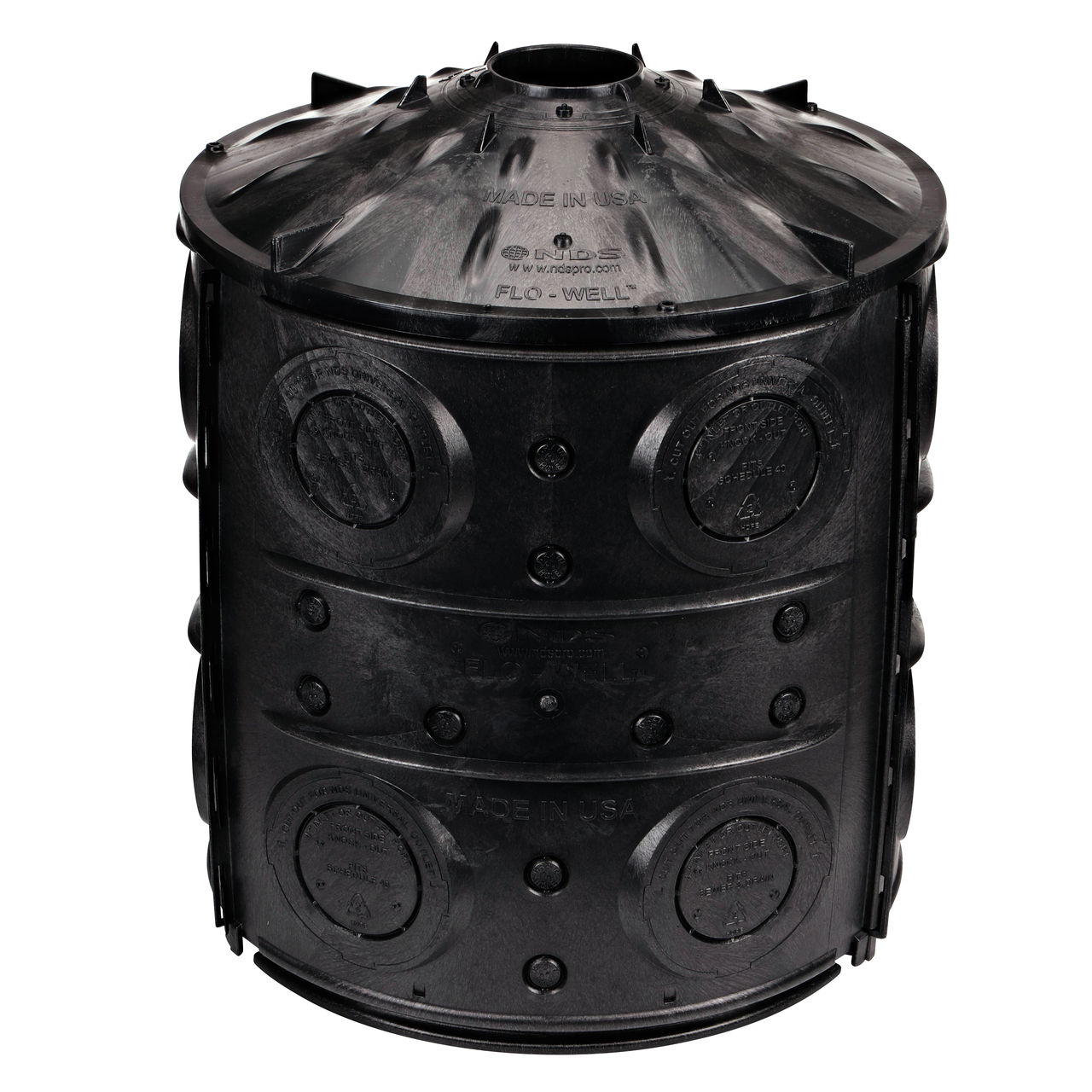
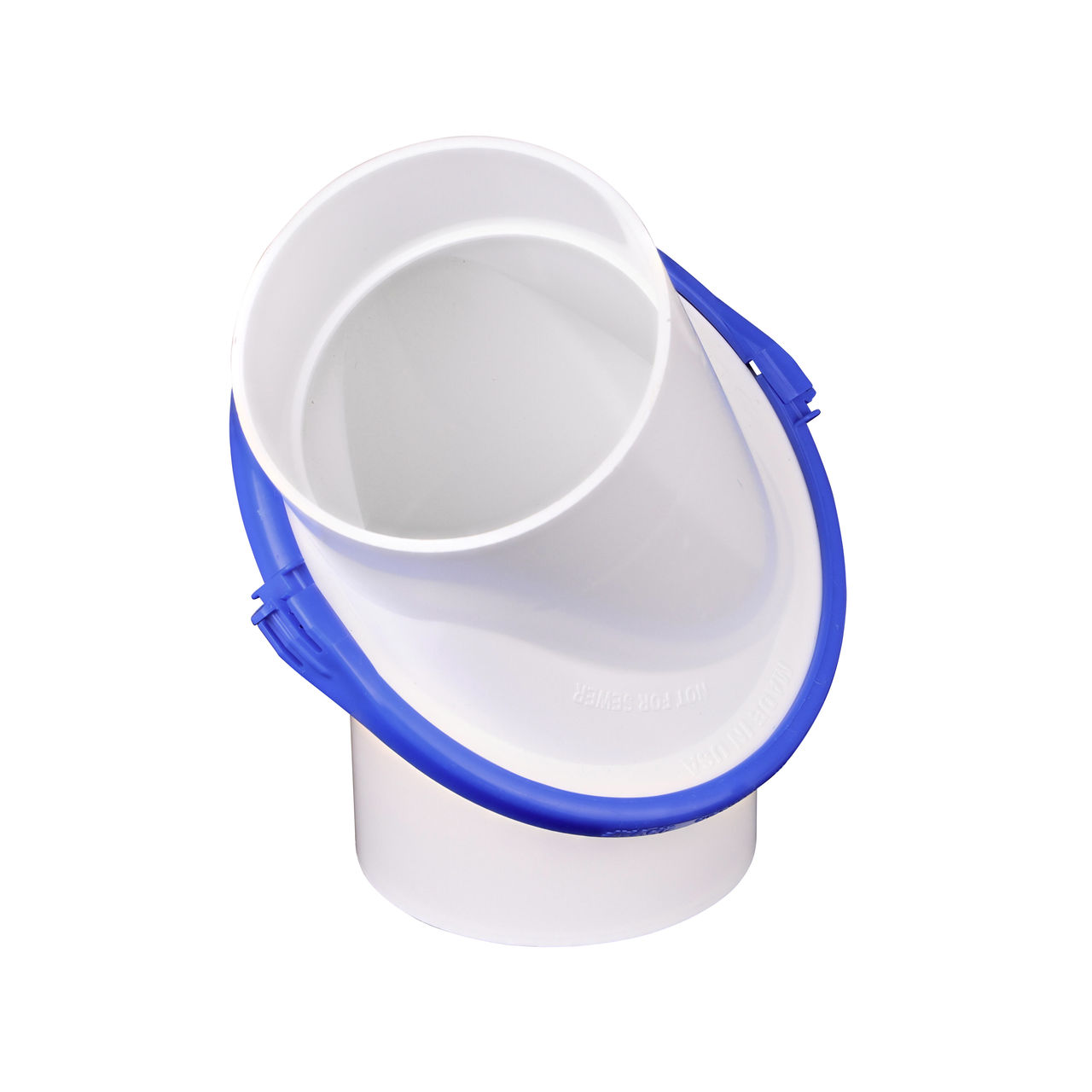
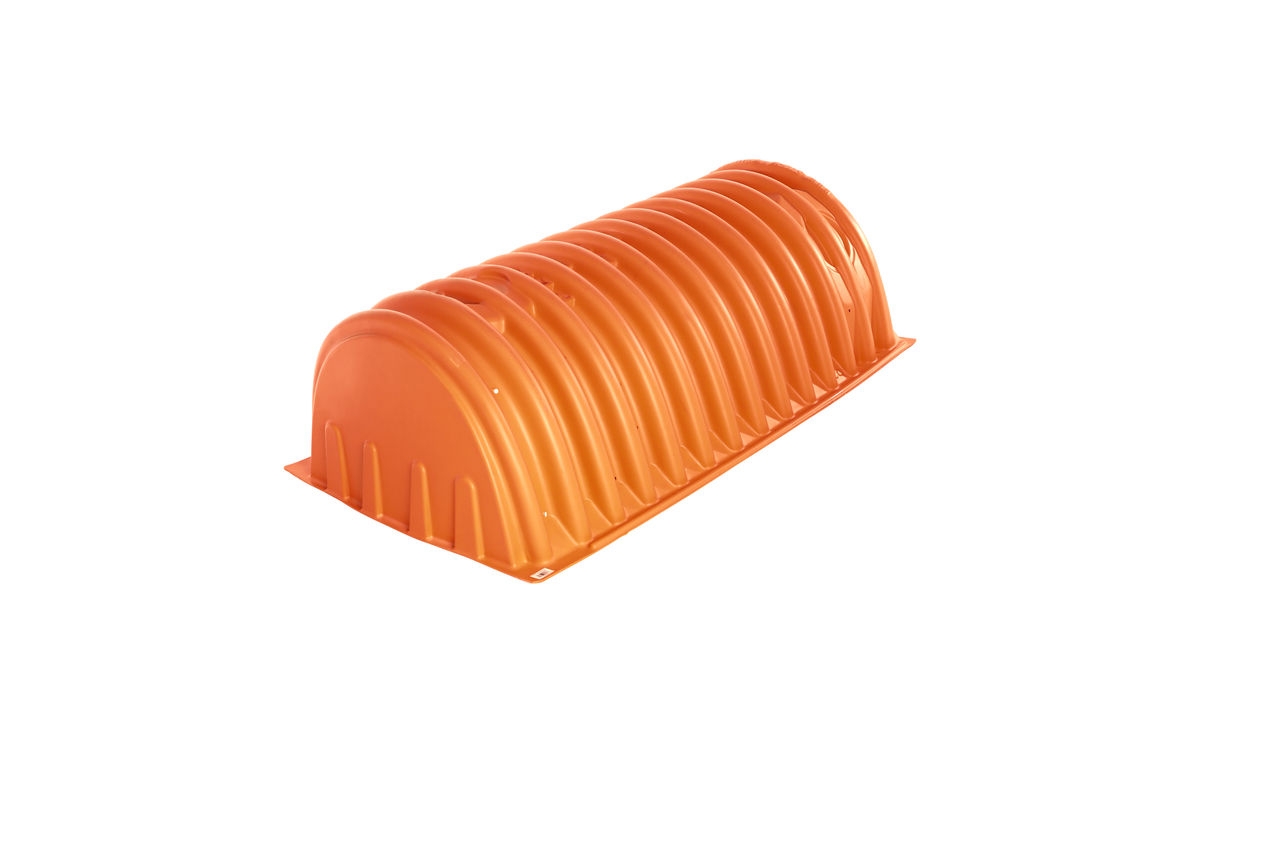
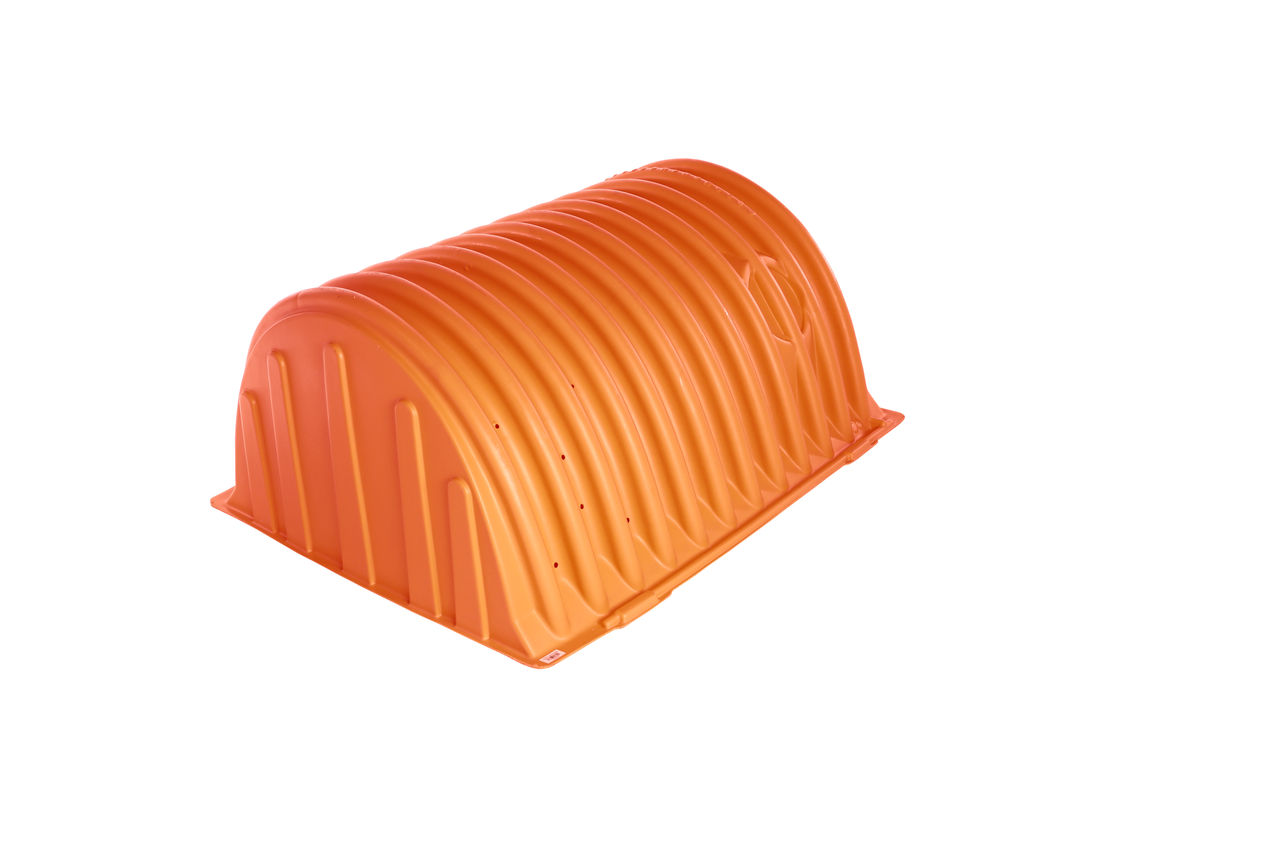
A downspout drainage system can help prevent these problems from intensifying during an El Niño storm. This typically includes a catch basin to capture the water at the base of the downspout. The water can be carried downstream through underground piping then released through a pop-up emitter or temporarily detained and released gradually back into the ground using a dry well.
2. Standing water in the yard
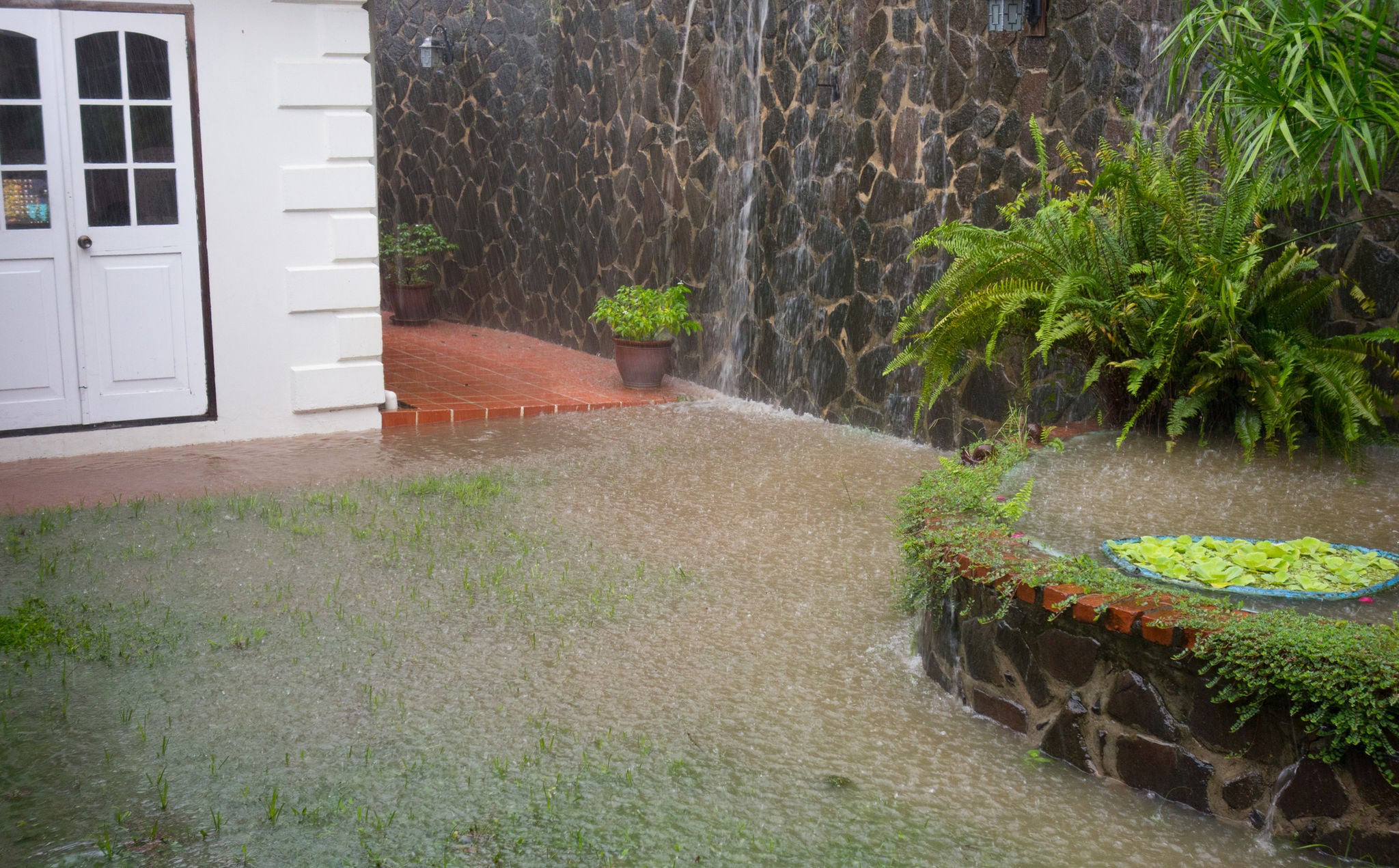
Have you noticed soggy grass and muddy areas in your yard after it rains? Turf may turn yellow or start to decay and cause musty odors.
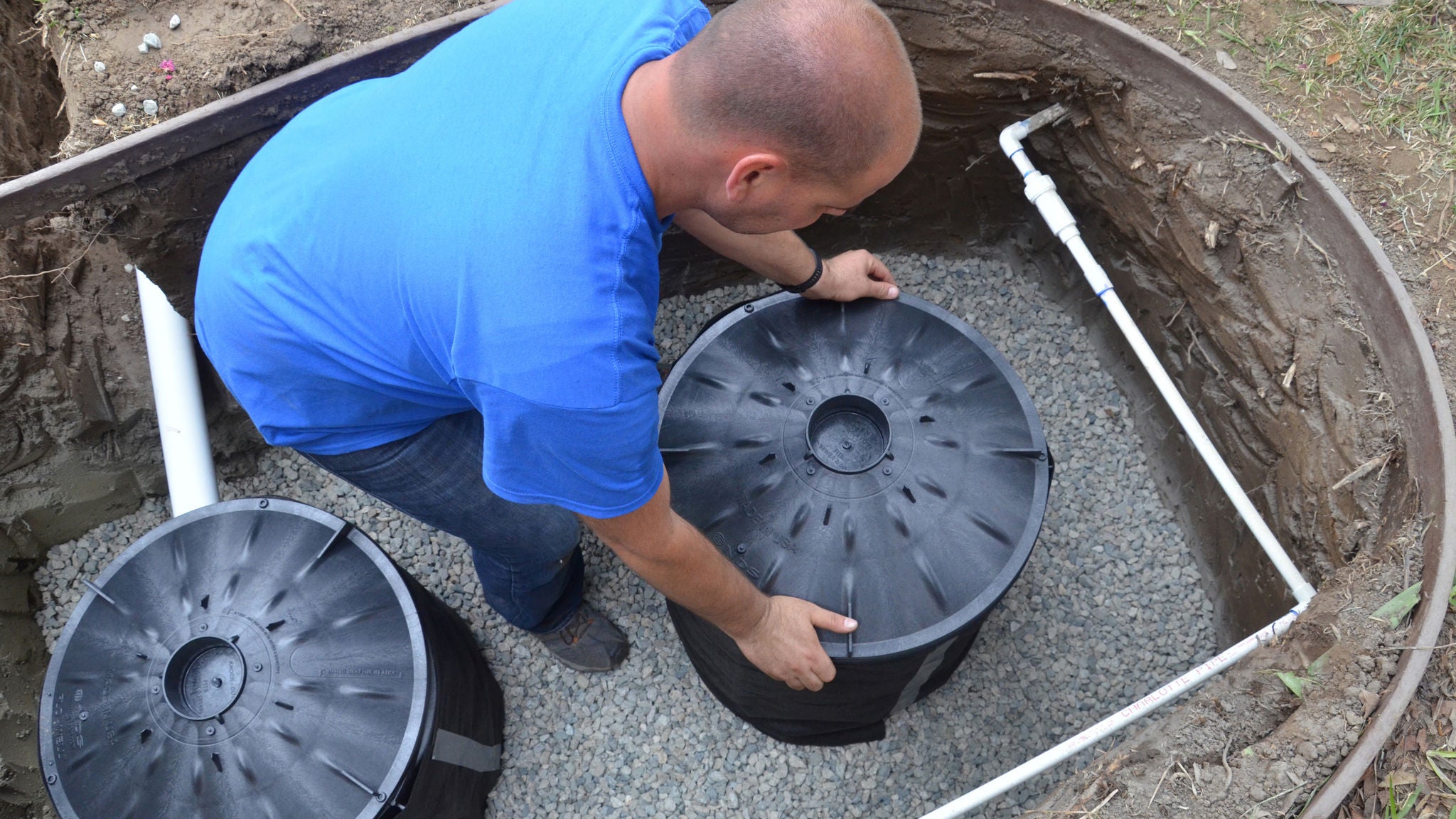
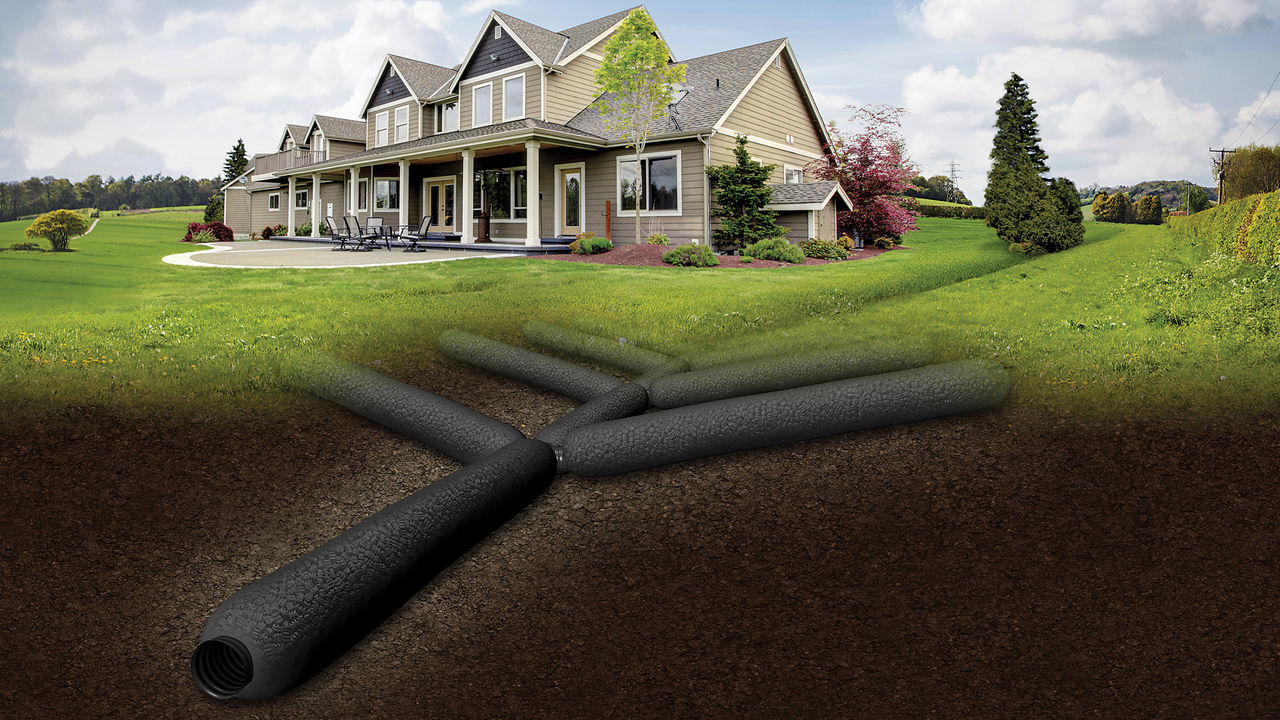
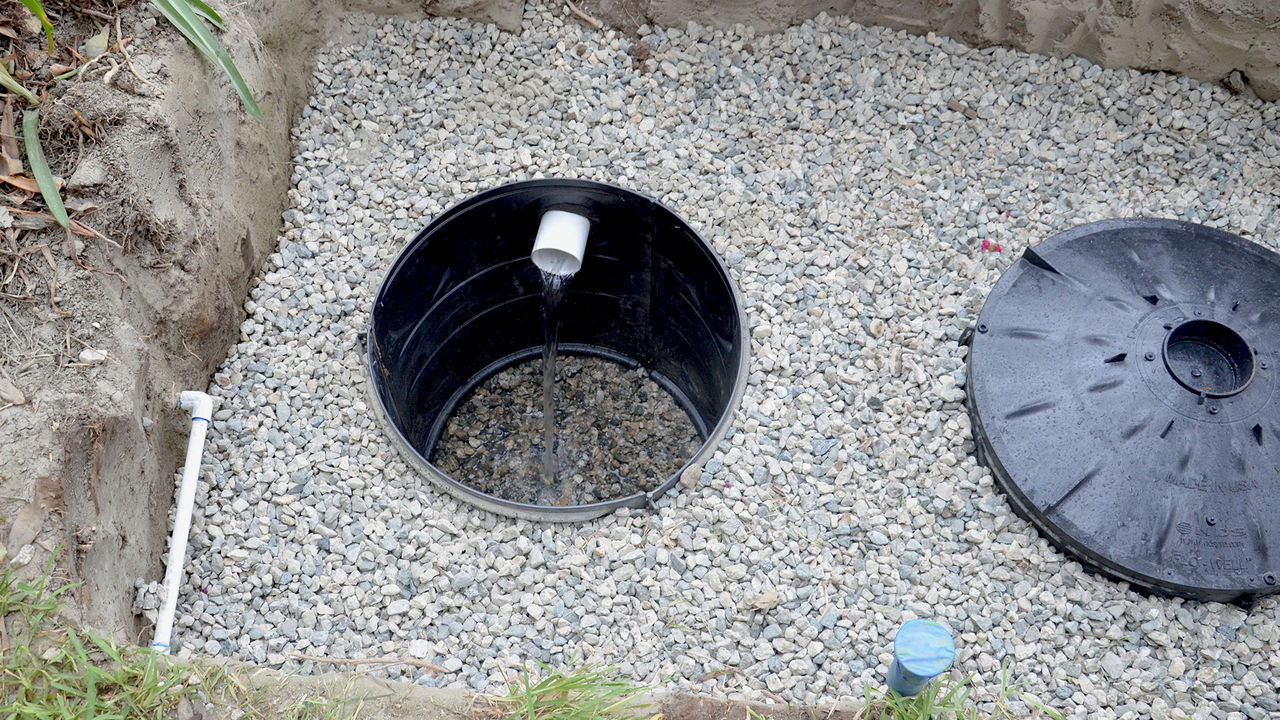
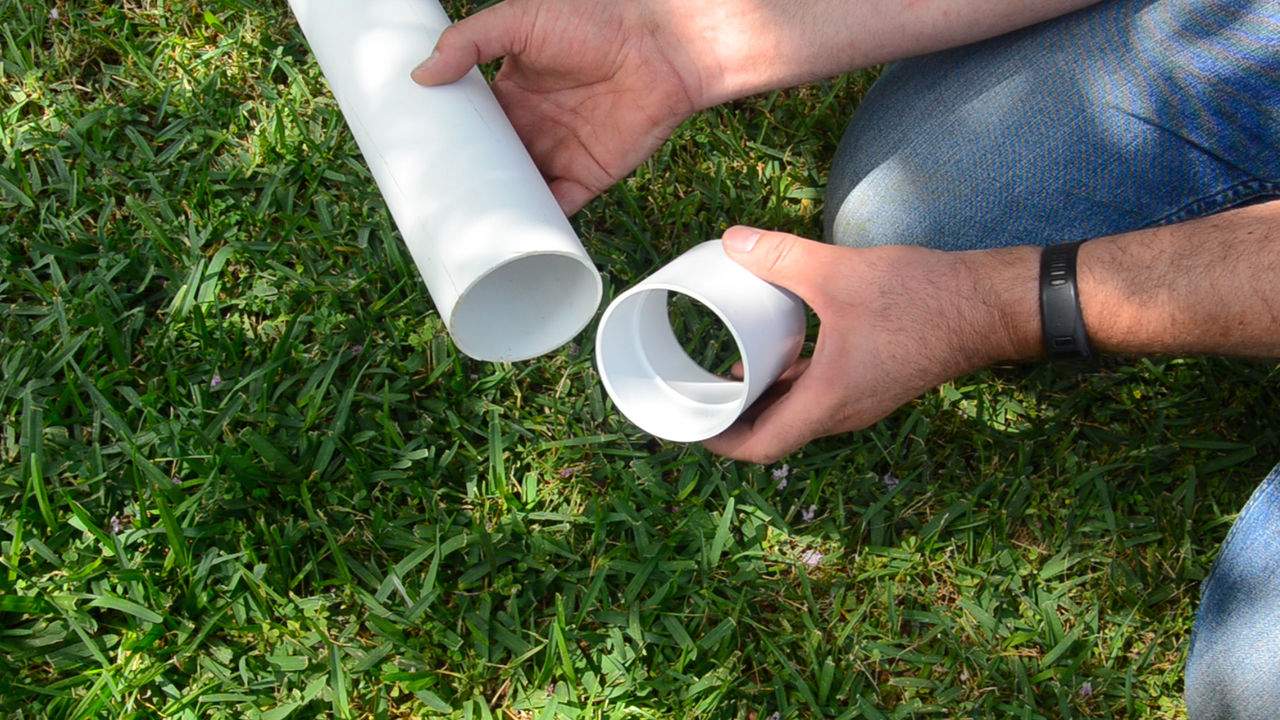
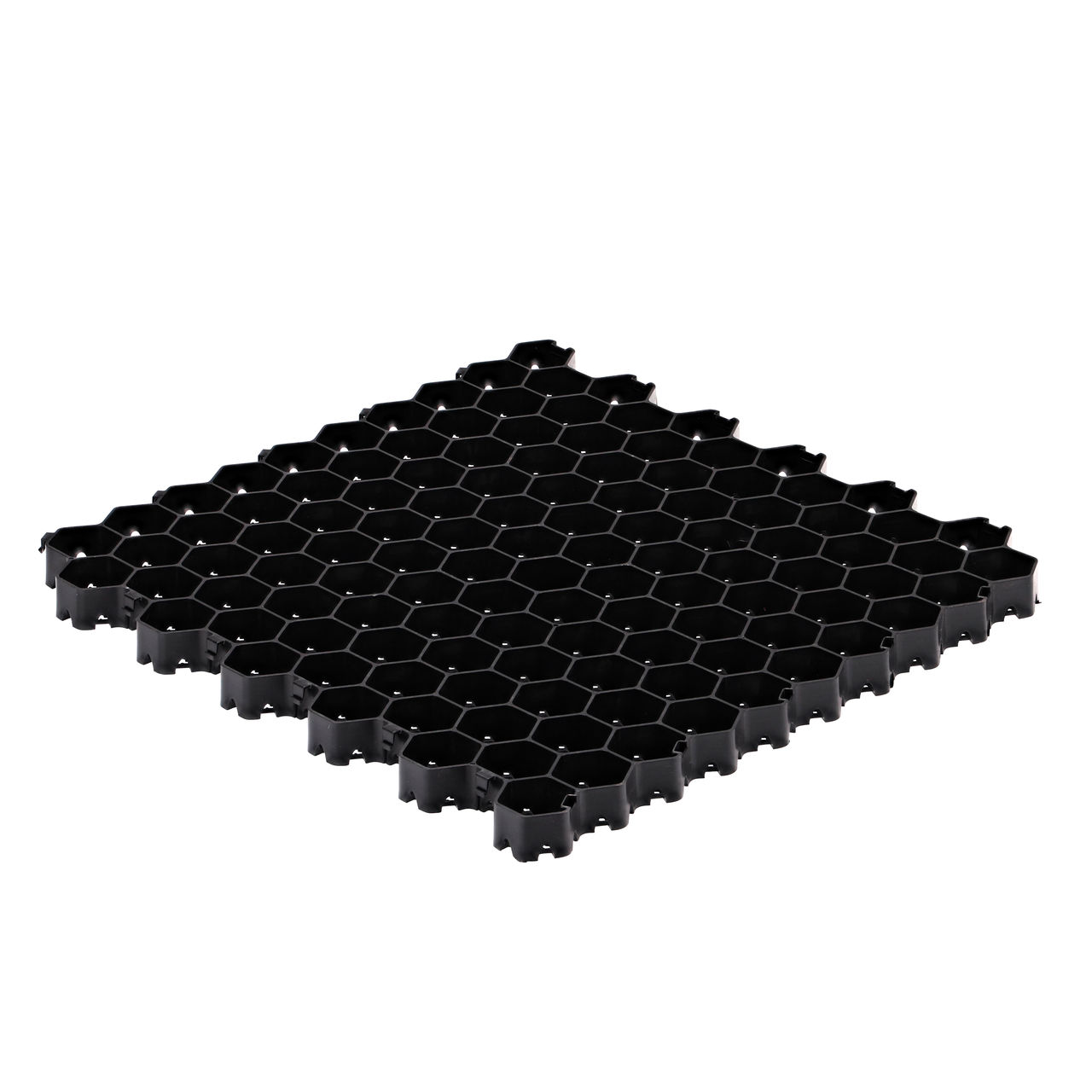
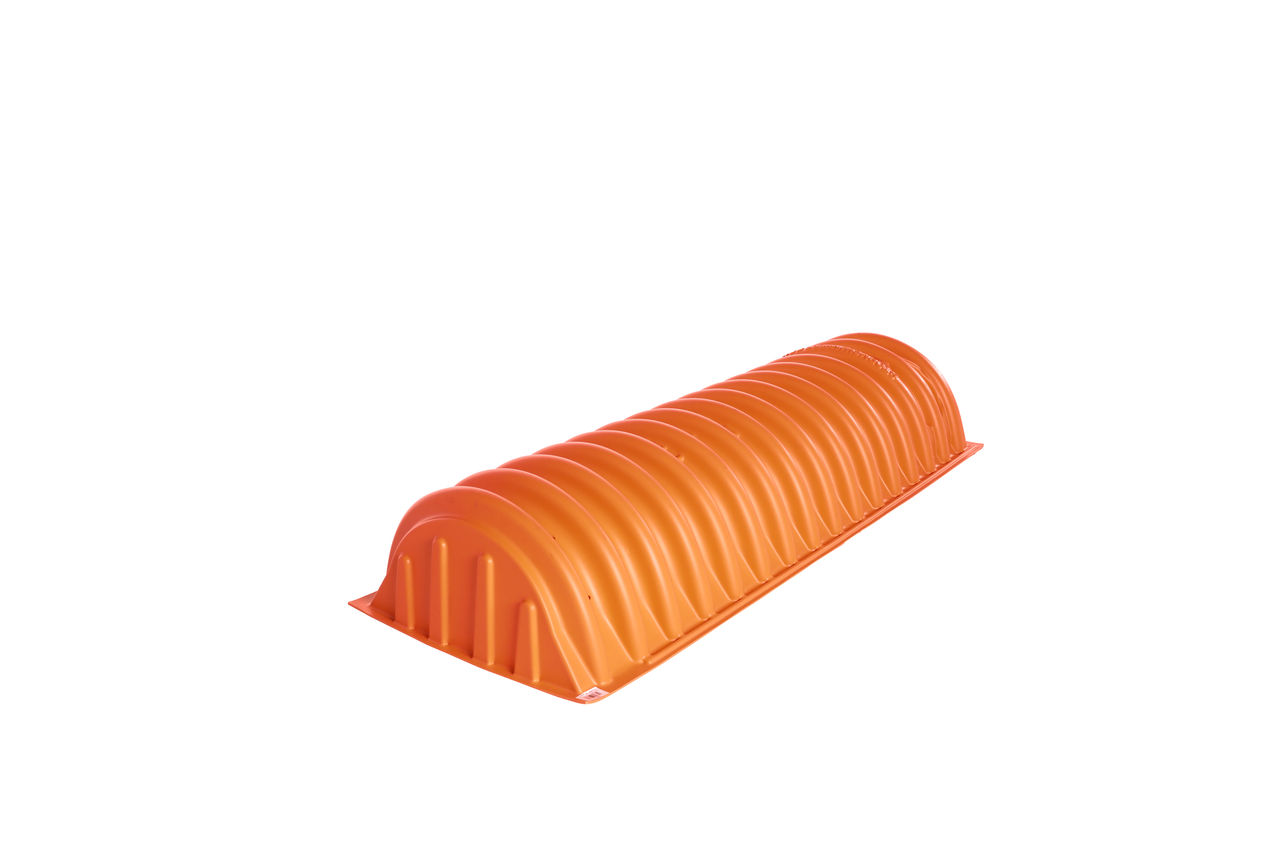
Improving your yard drainage starts with collecting rainwater at a low point. The water can be temporarily detained and allowed to filter slowly into the ground or directed to a part of your property where it can be released without causing damage. Your setup may include a combination of products such as a catch basin, dry well, French drain, and drain pipe. This 1-minute video tutorial walks you through each step.
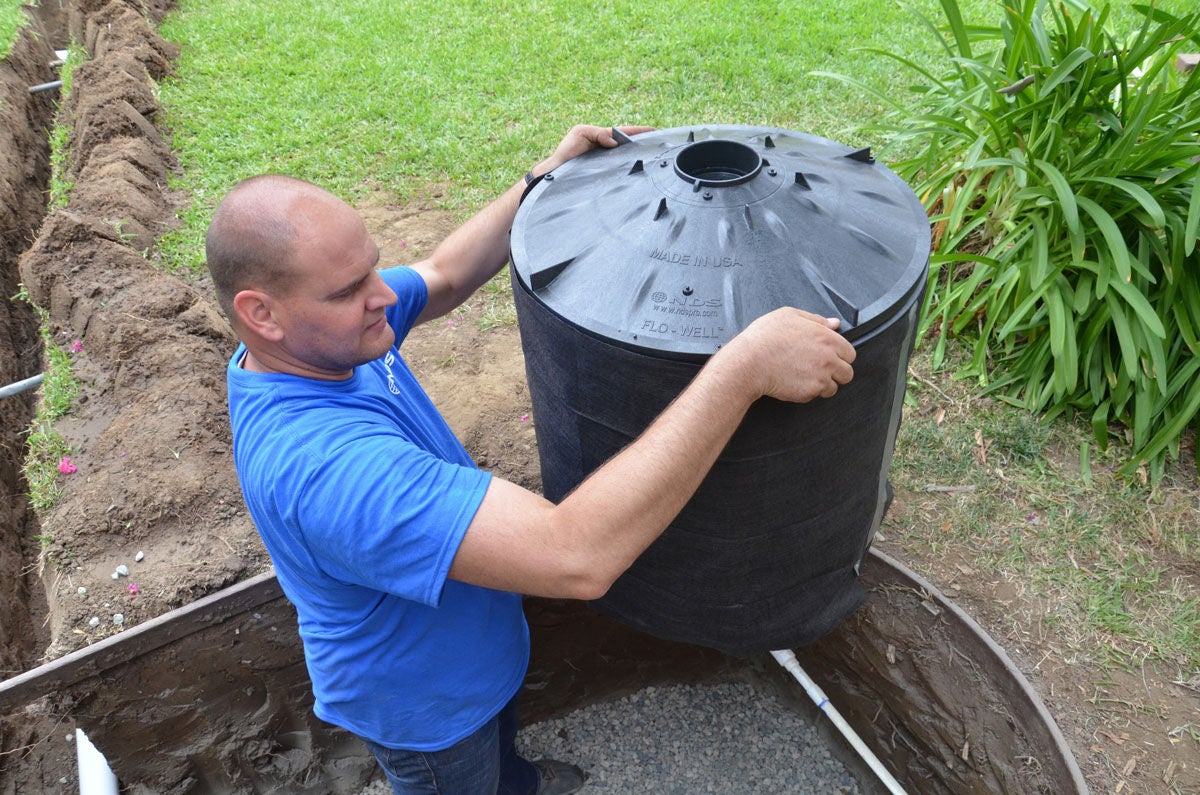
Installing an NDS Flo-Well® dry well in a backyard
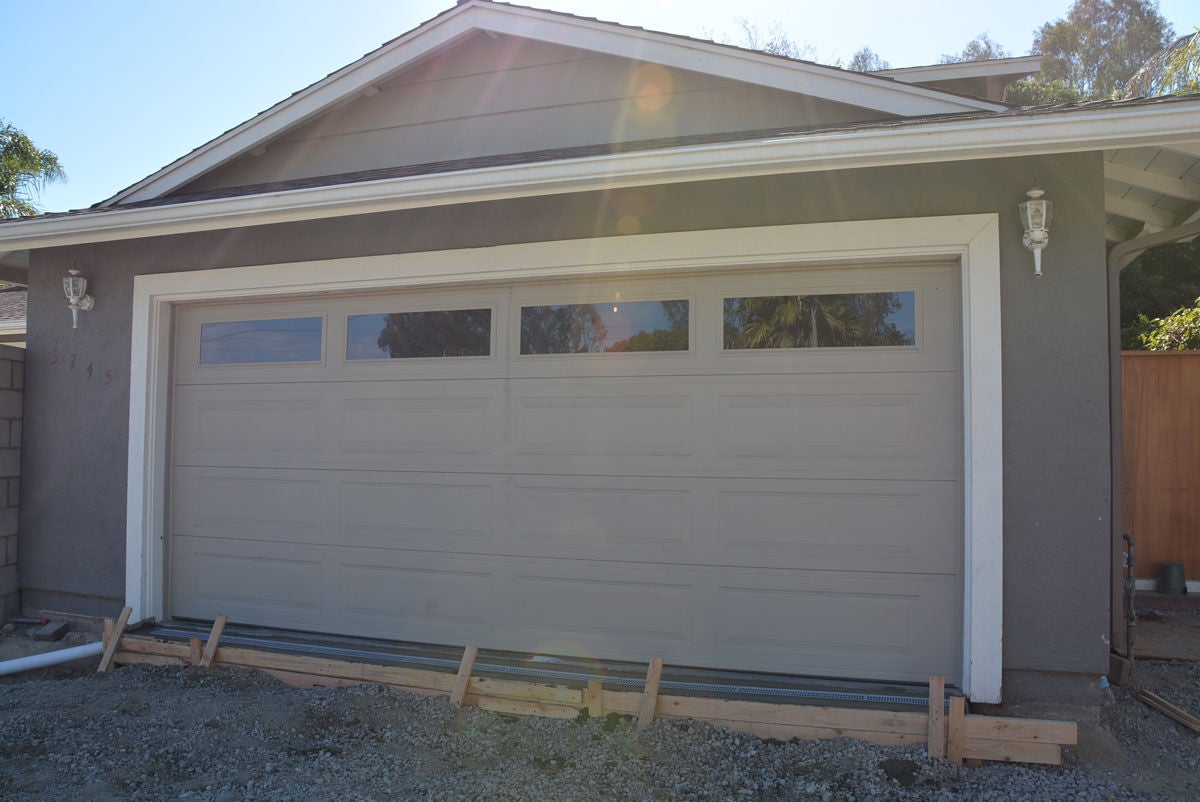
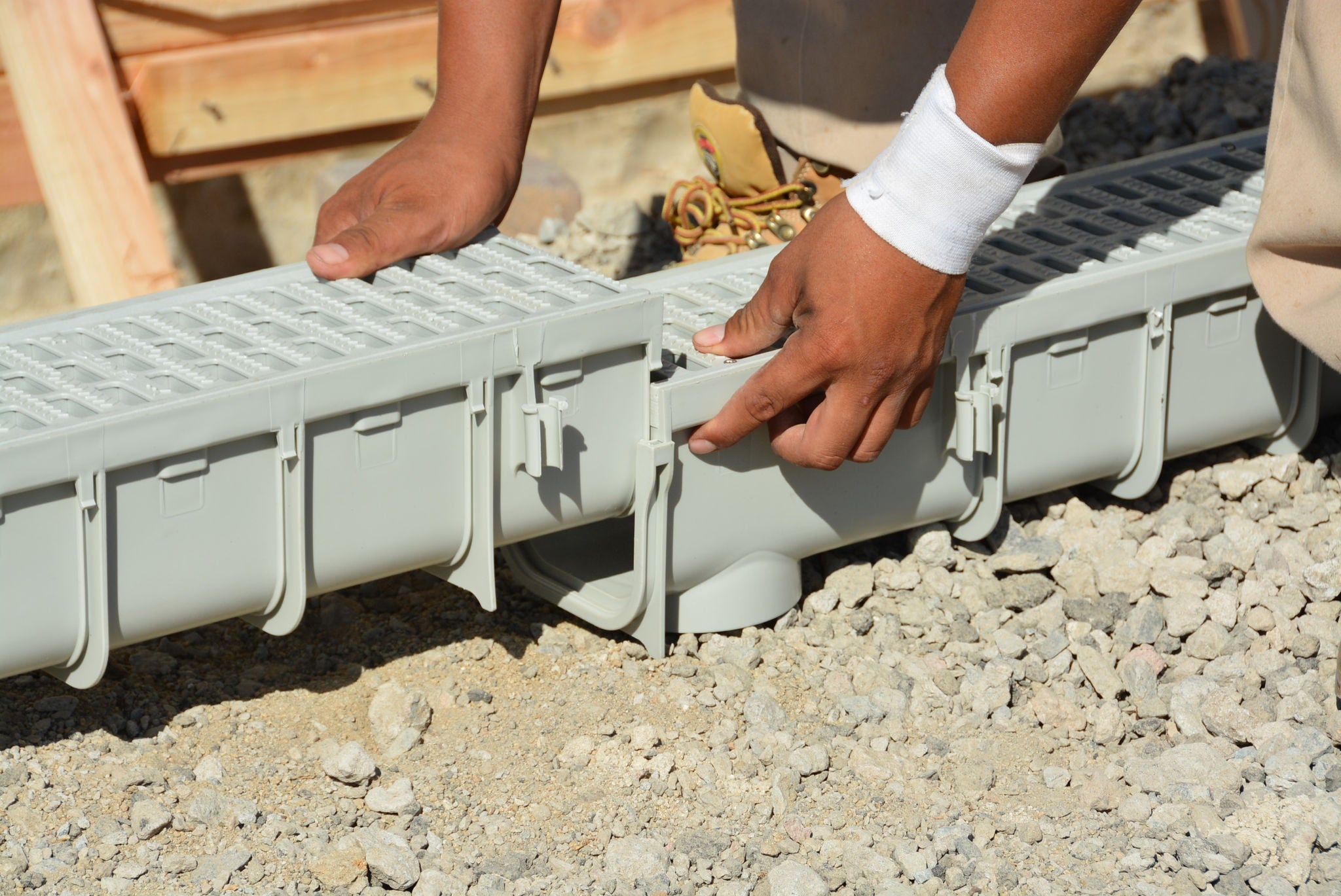
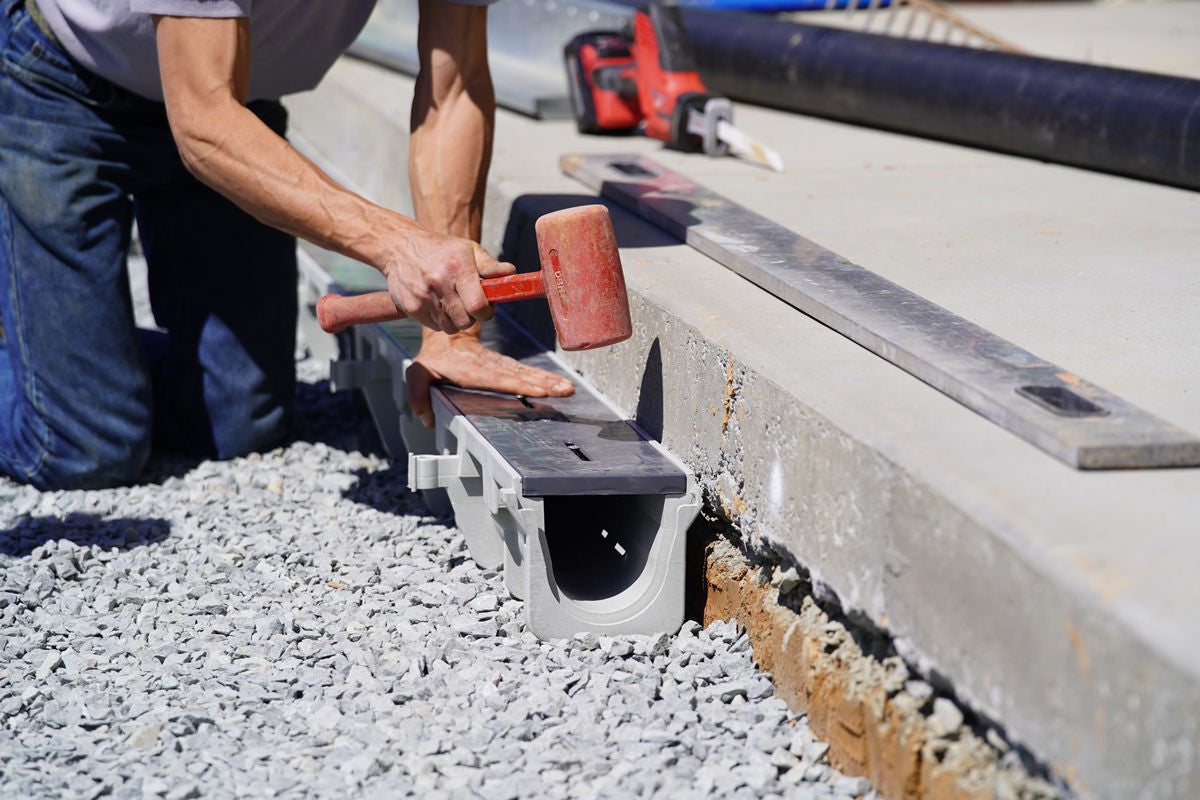
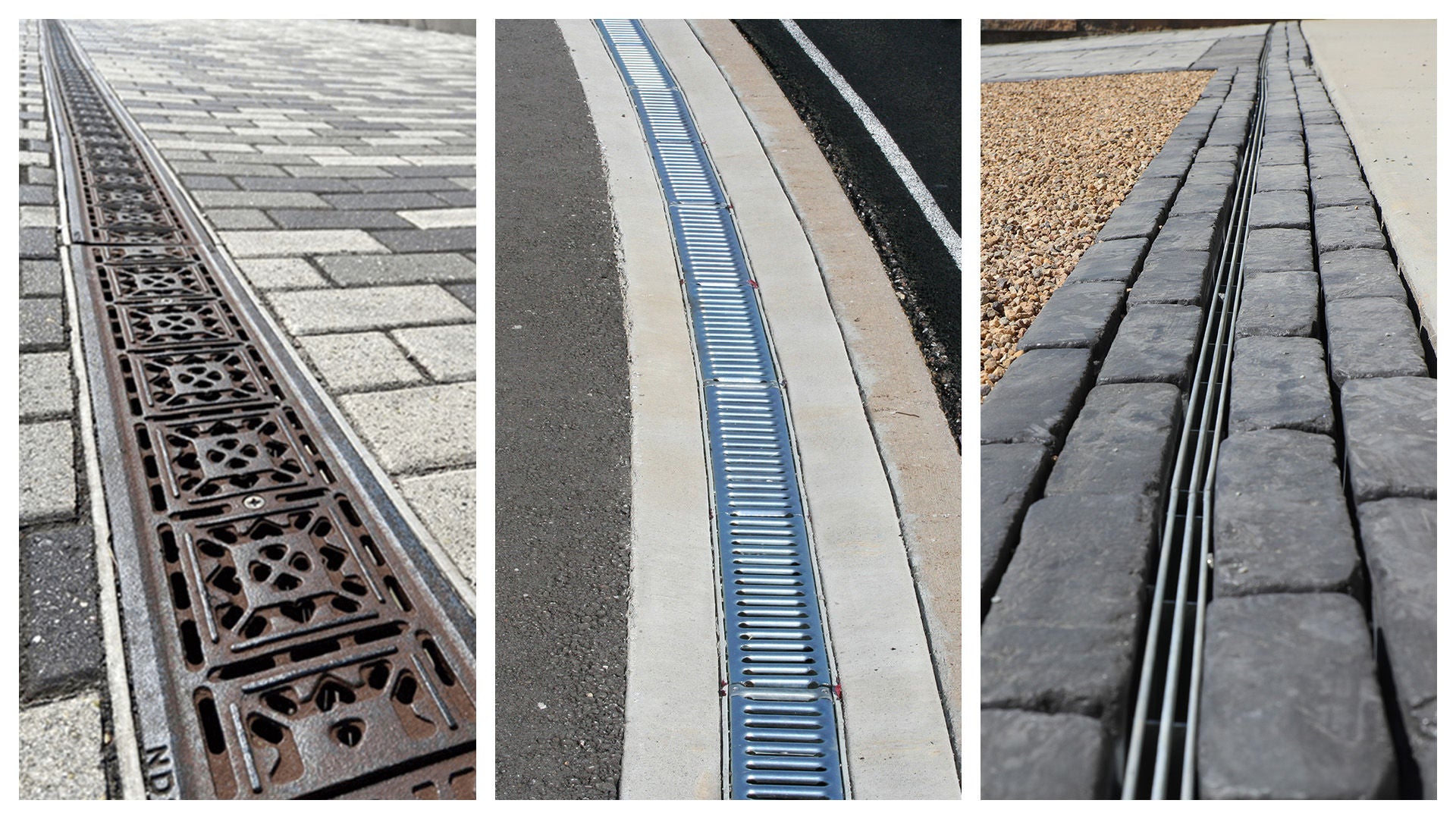
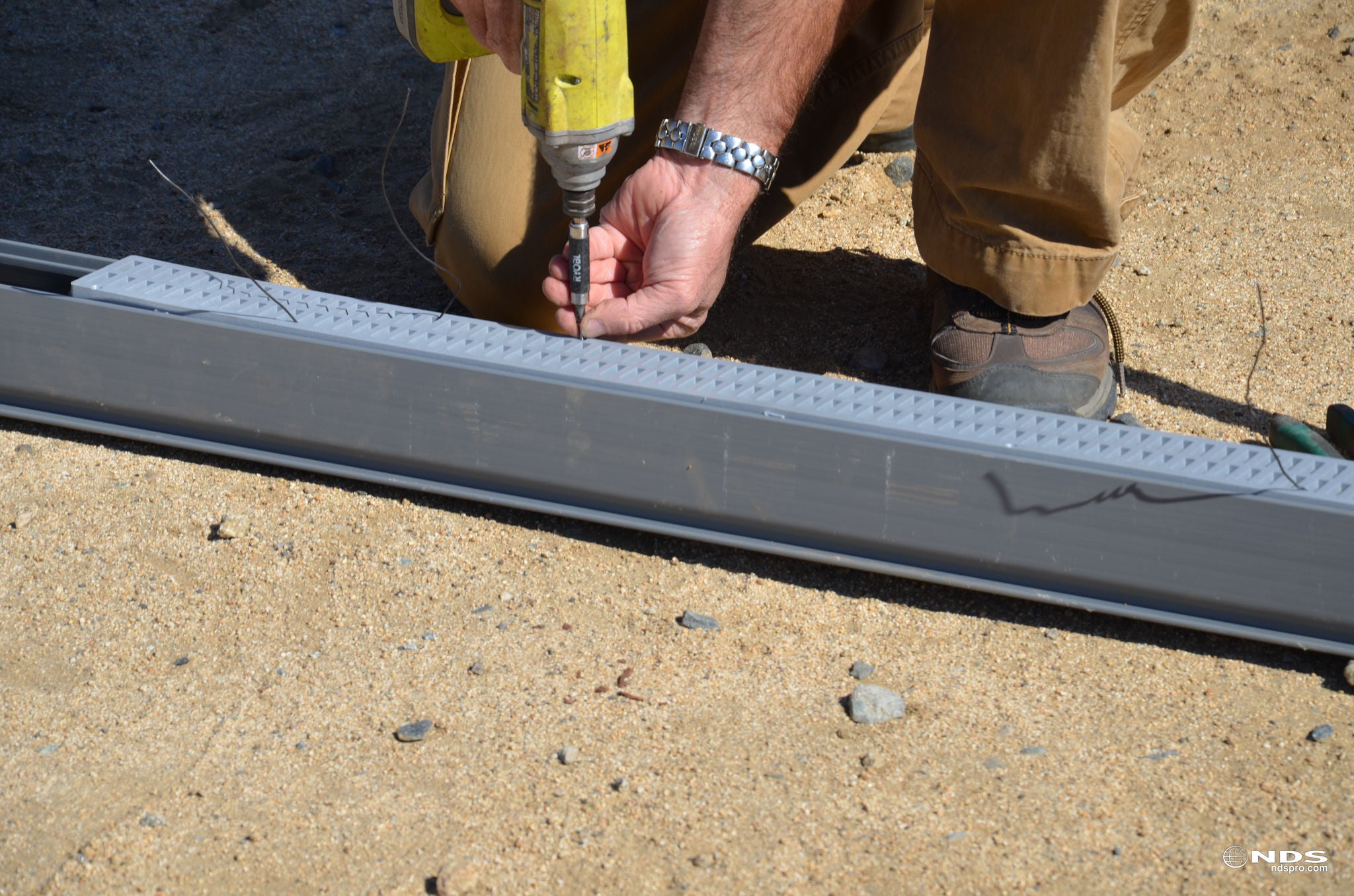
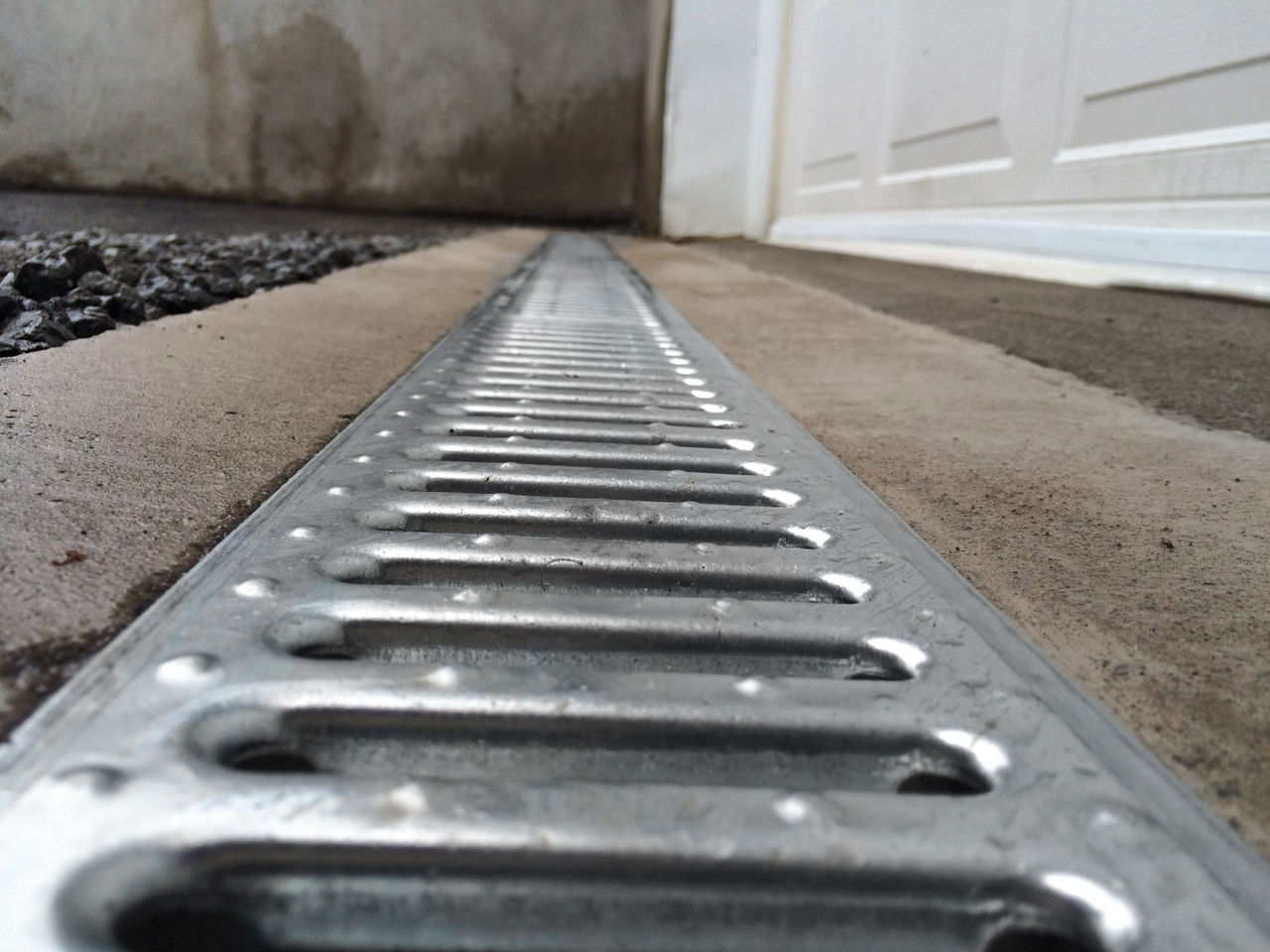
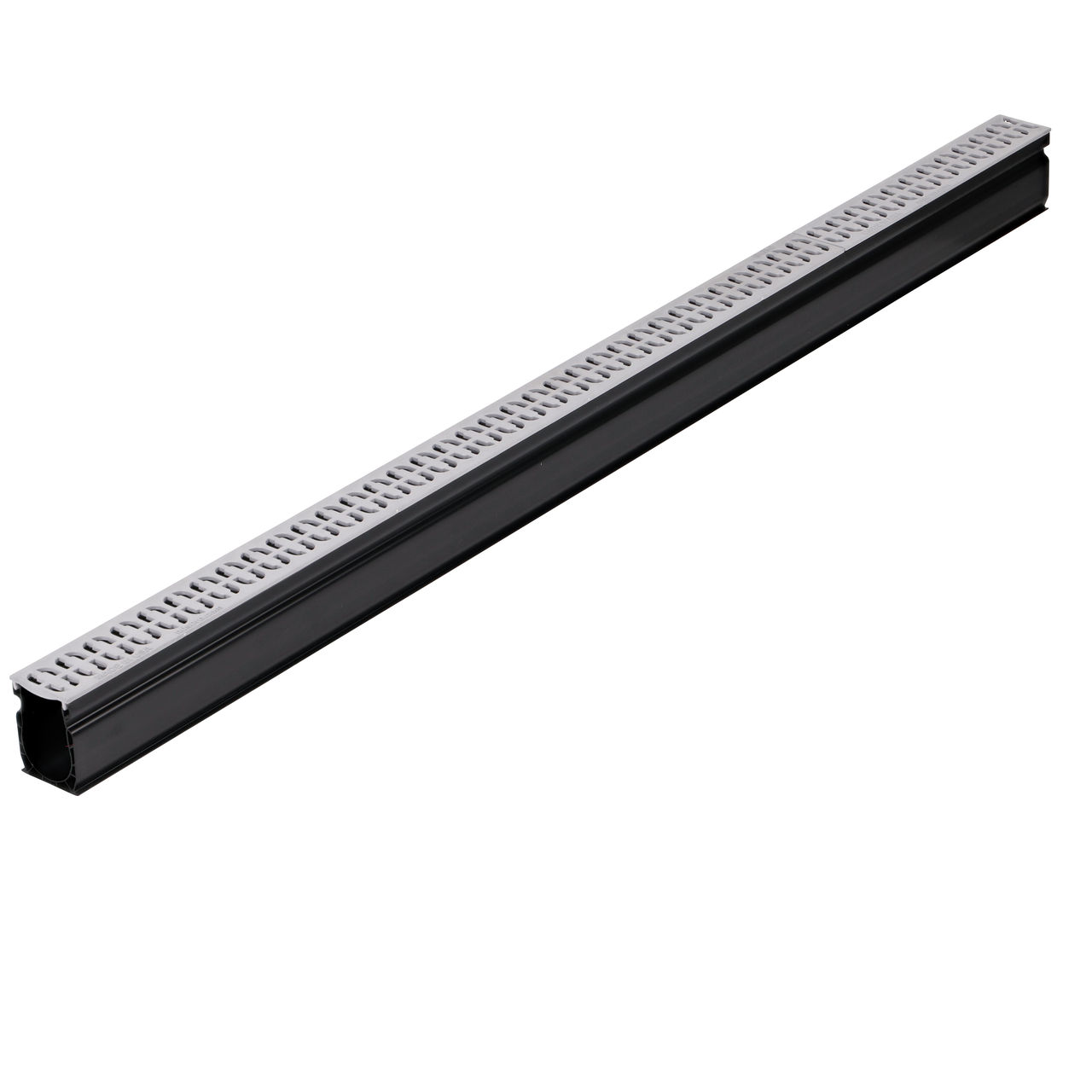
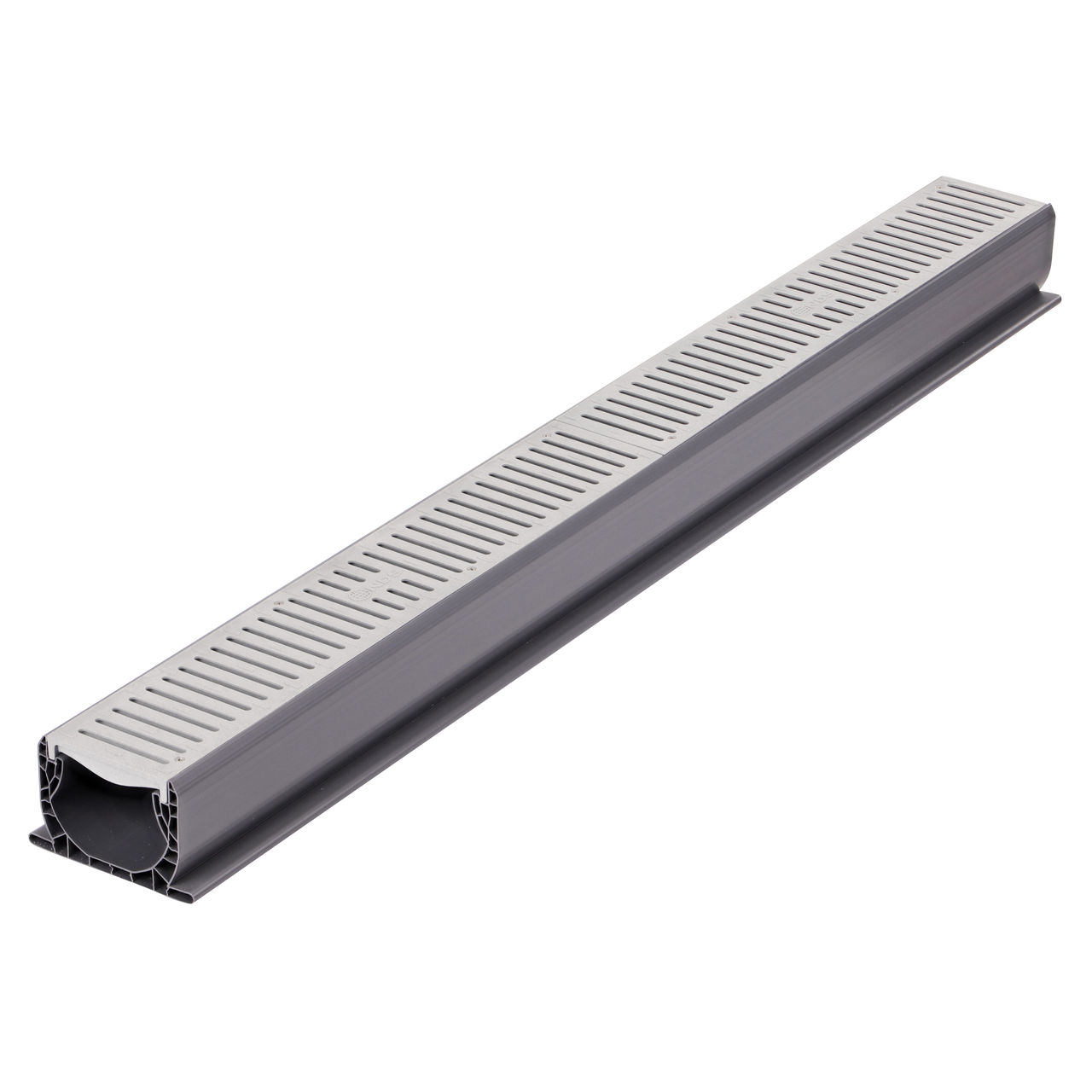
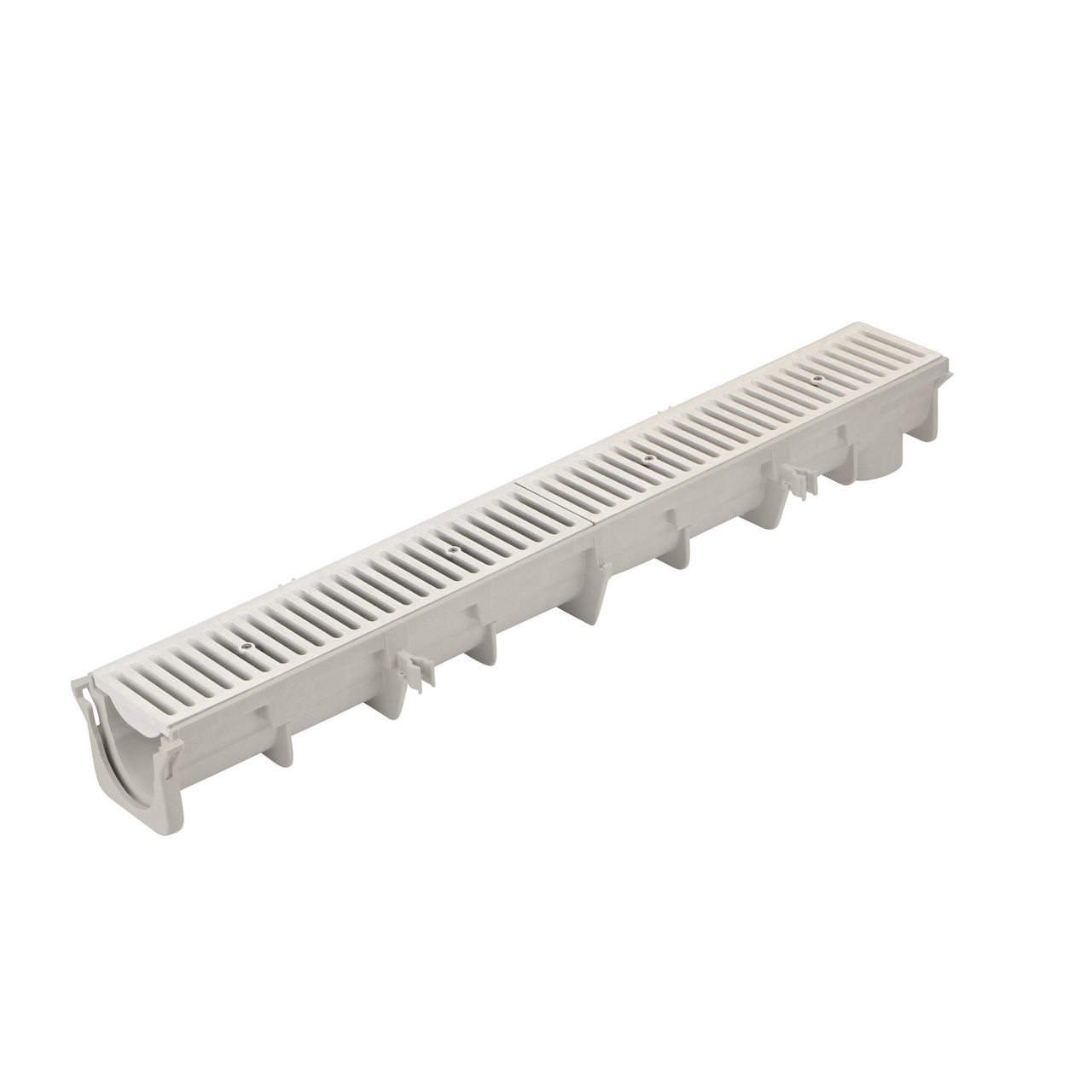
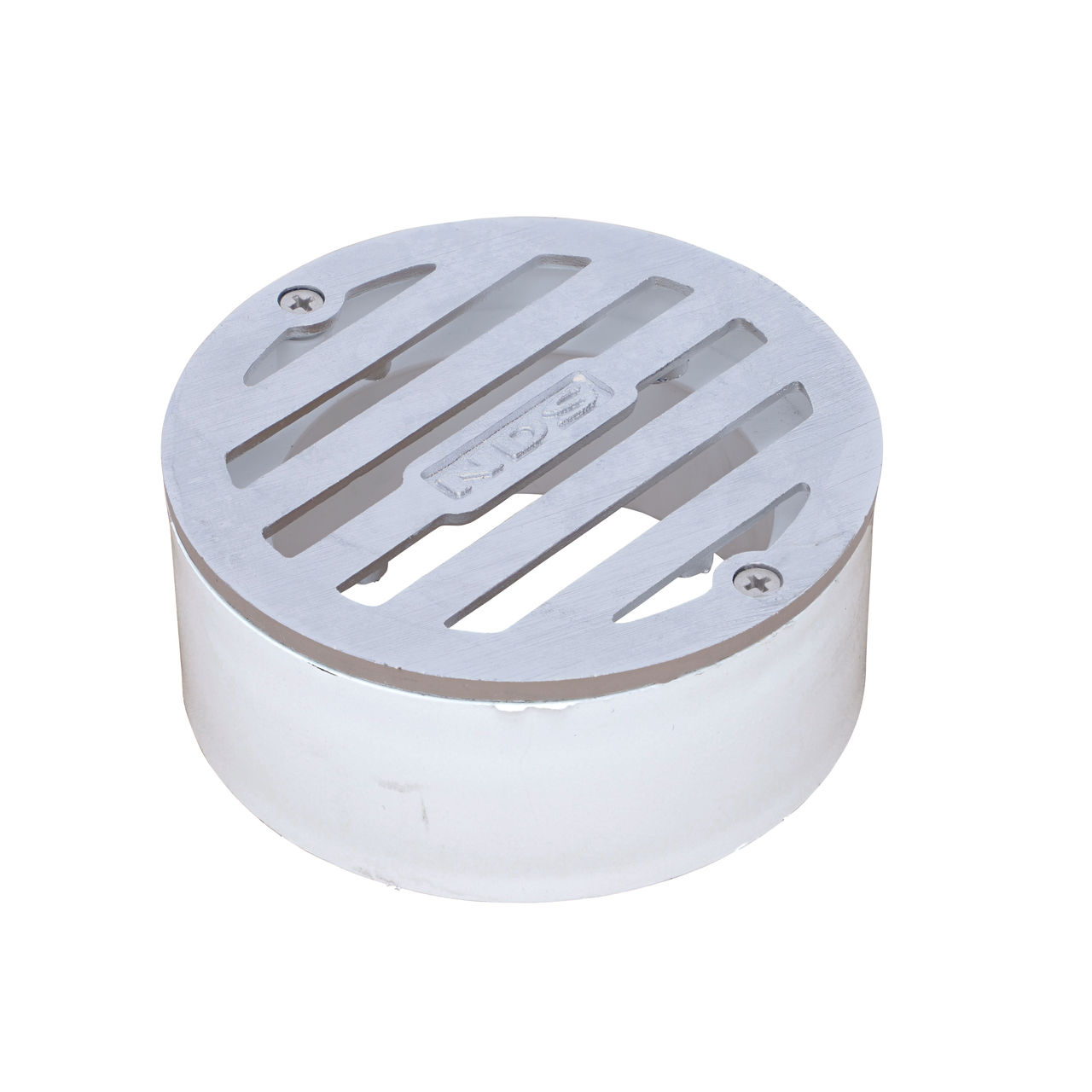
The NDS Spee-D® channel drain can help keep stormwater out of the garage
3. Driveway or patio runoff
Are your hardscape surfaces covered in puddles long after the storm ends? The water may find its way into your garage or home—carrying soil and debris along with it.
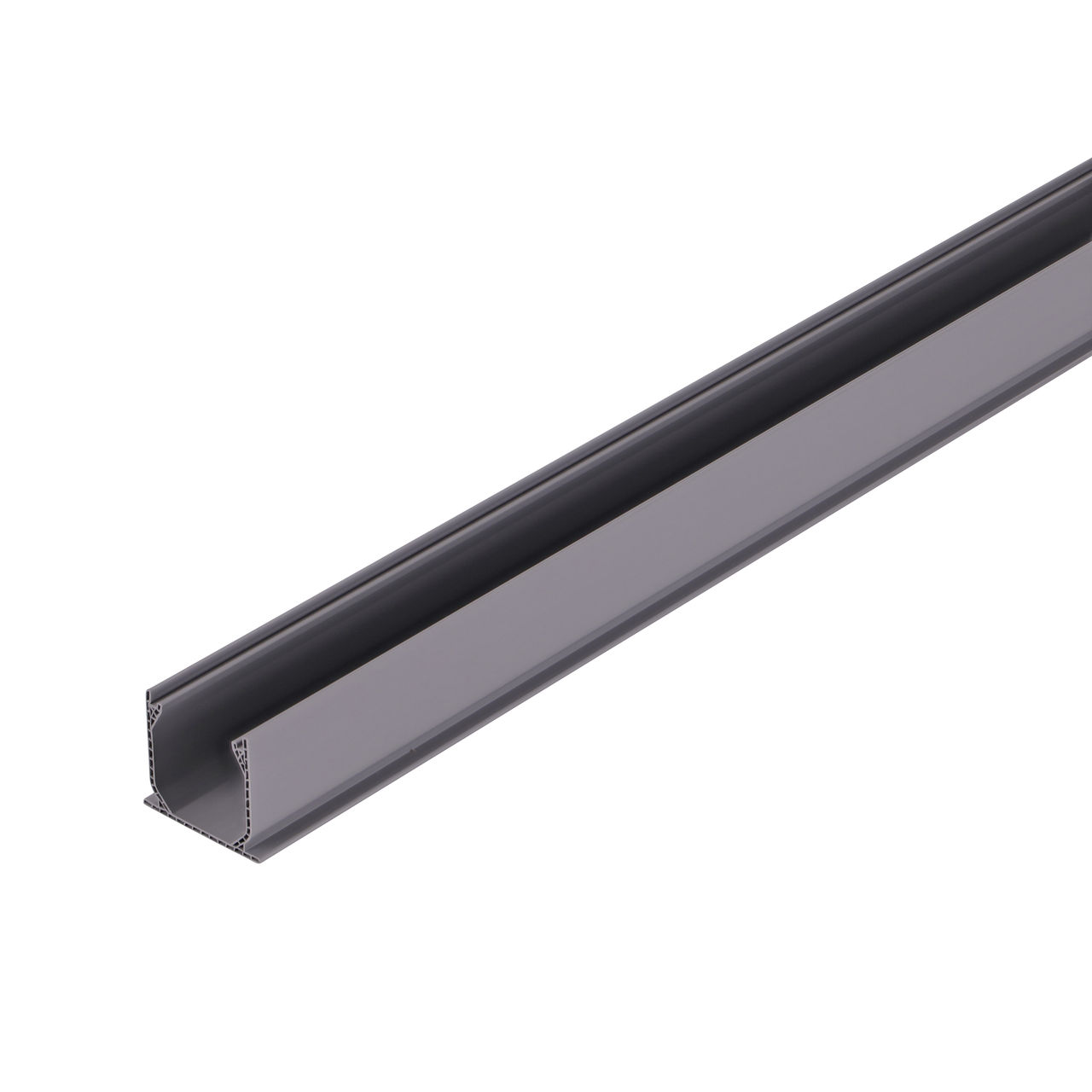
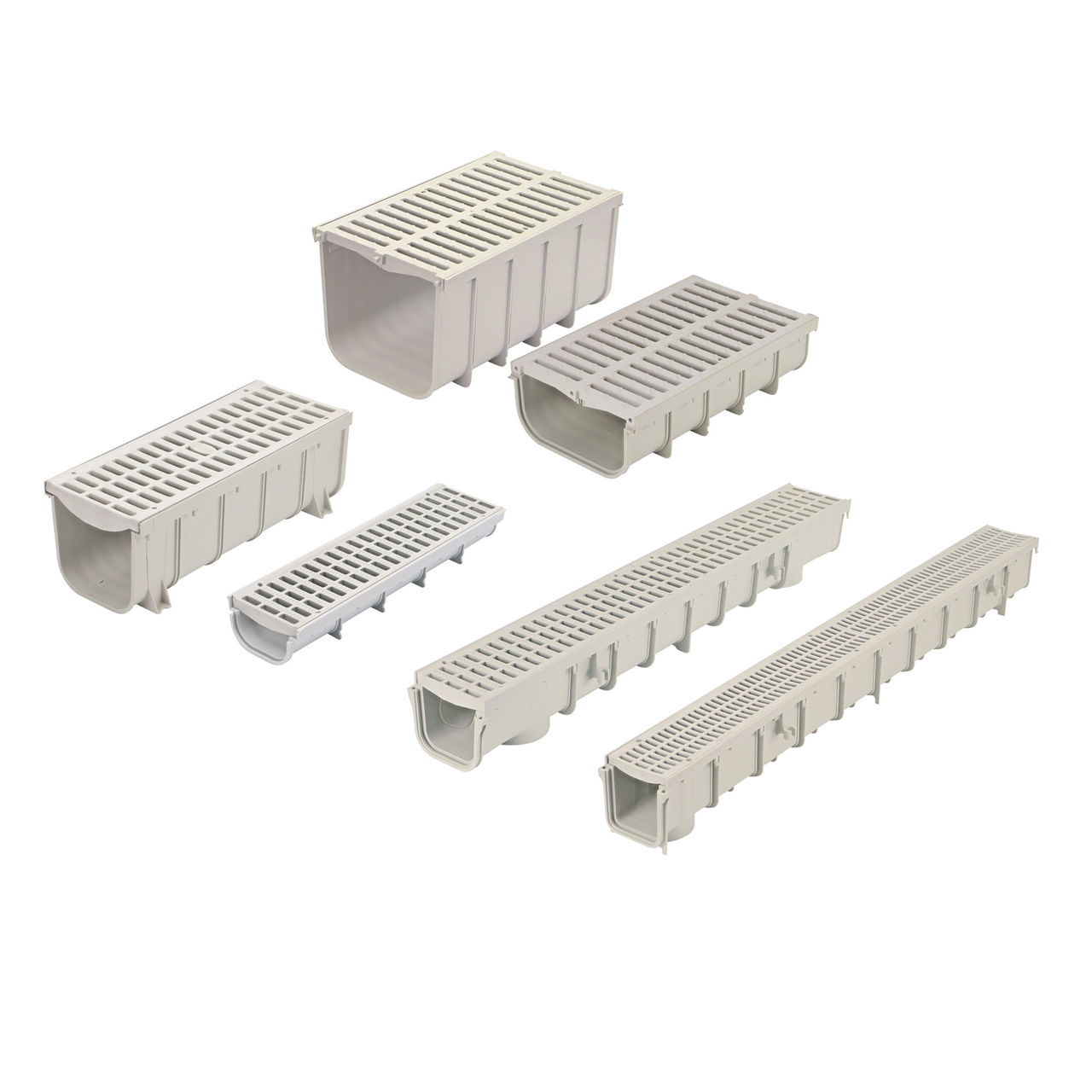
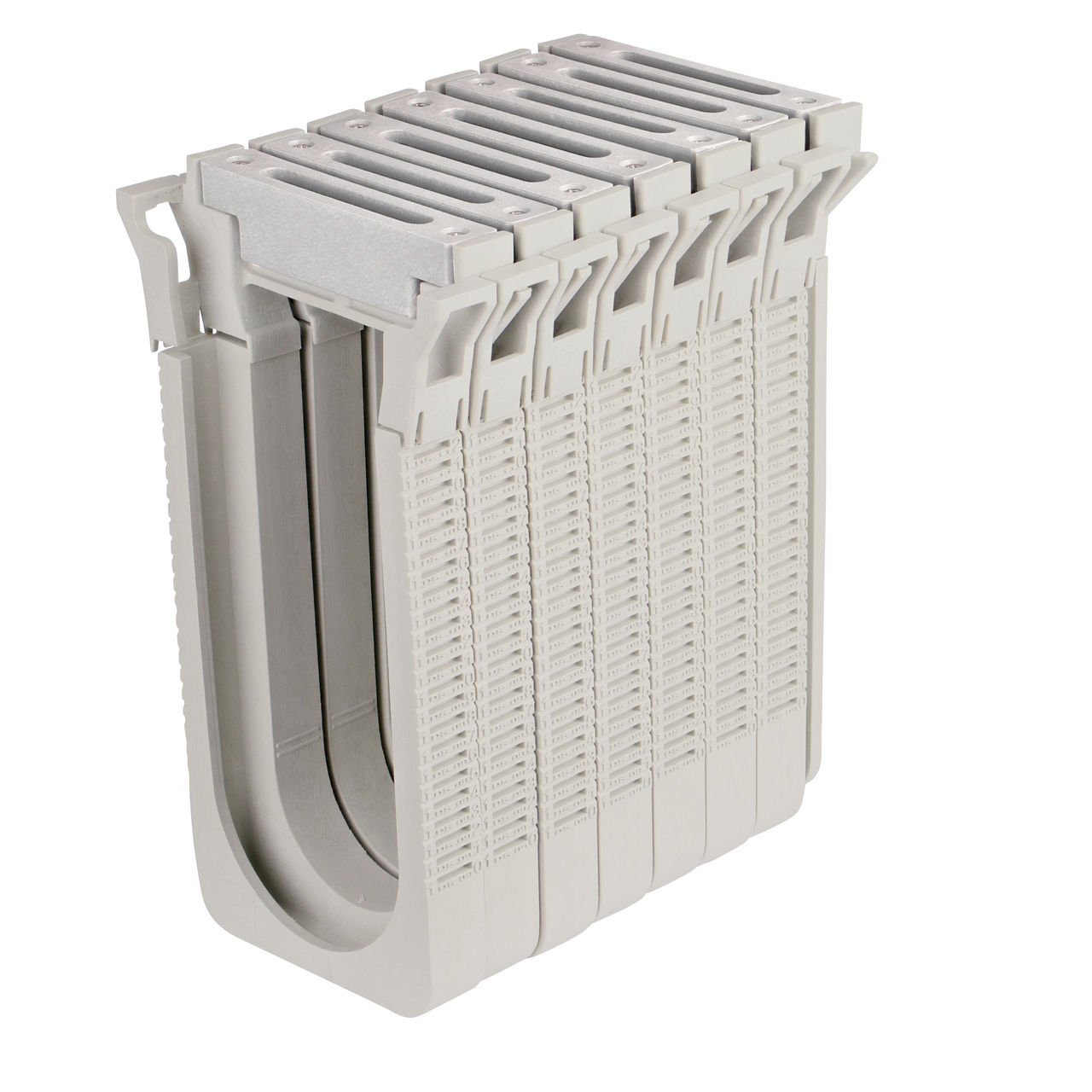
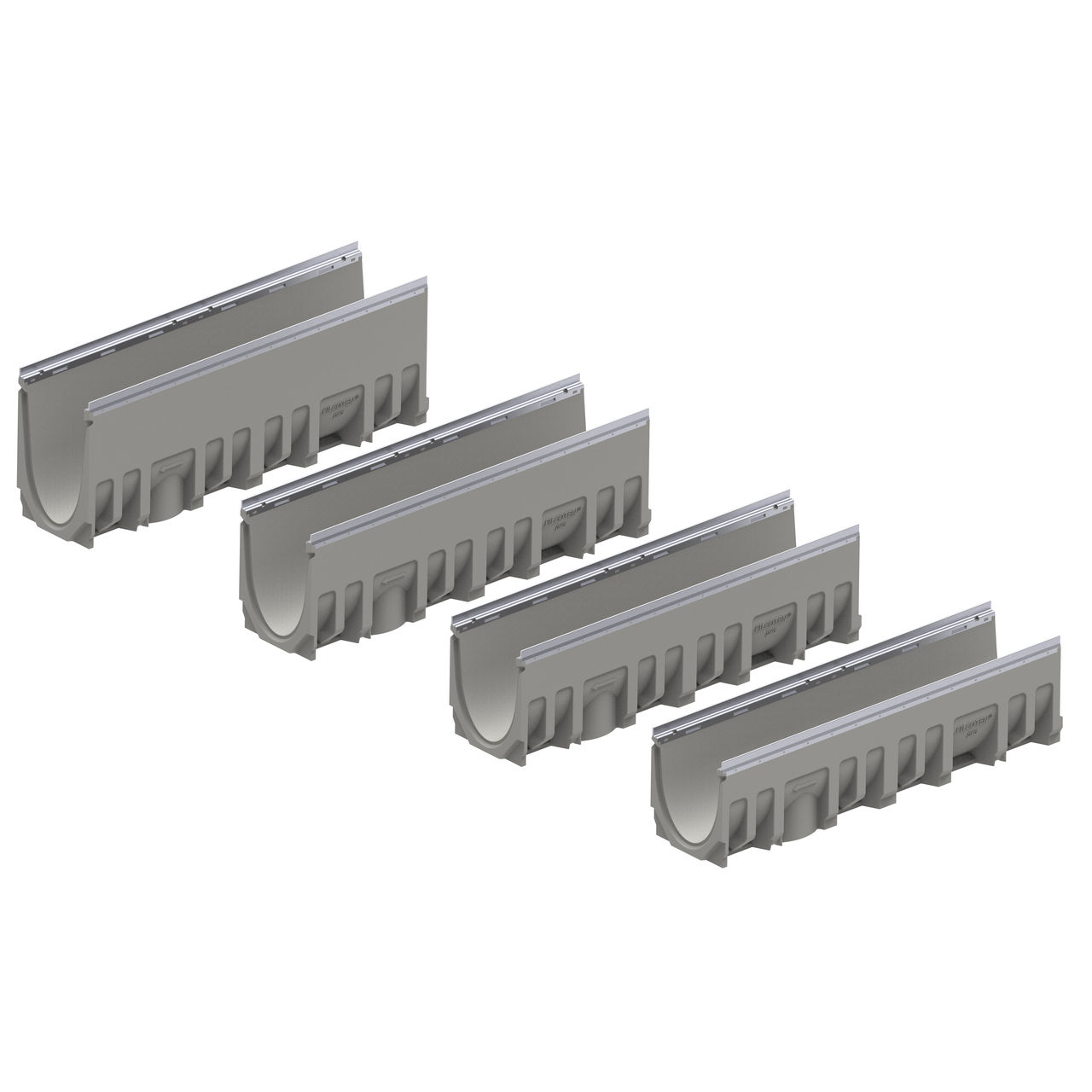
During an El Niño rain event, runoff accumulates fast and increases the likelihood of problems on hard, impermeable surfaces. You can help avoid damage by installing a channel drain, which is a long, narrow drainage system designed to intercept water before it reaches vulnerable areas. The water is carried away through drain pipe, then released downstream using a pop-emitter.
4. Water near the home’s foundation
Have you seen pooling in this area or signs of water damage like cracks and mildew stains?
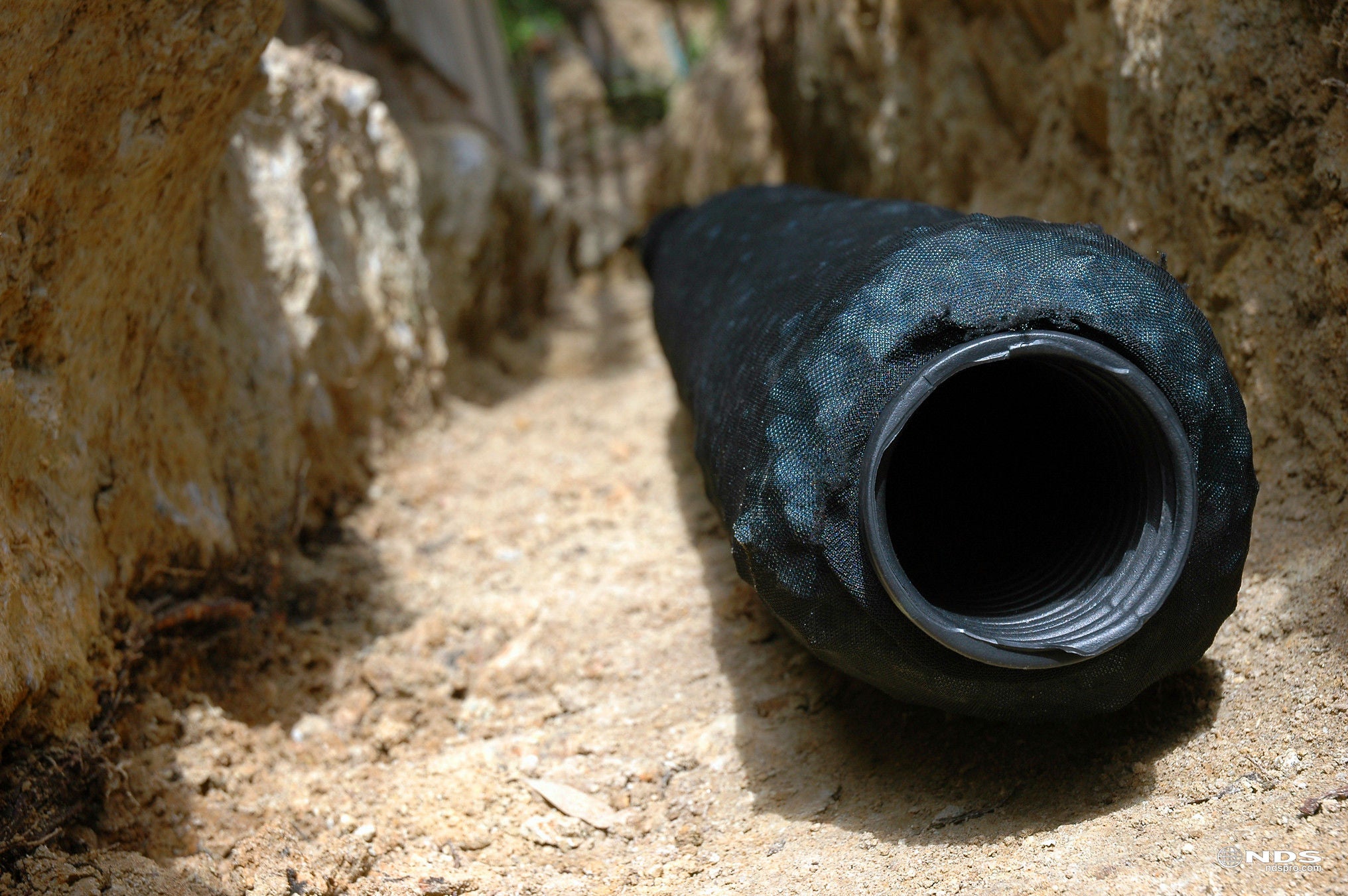
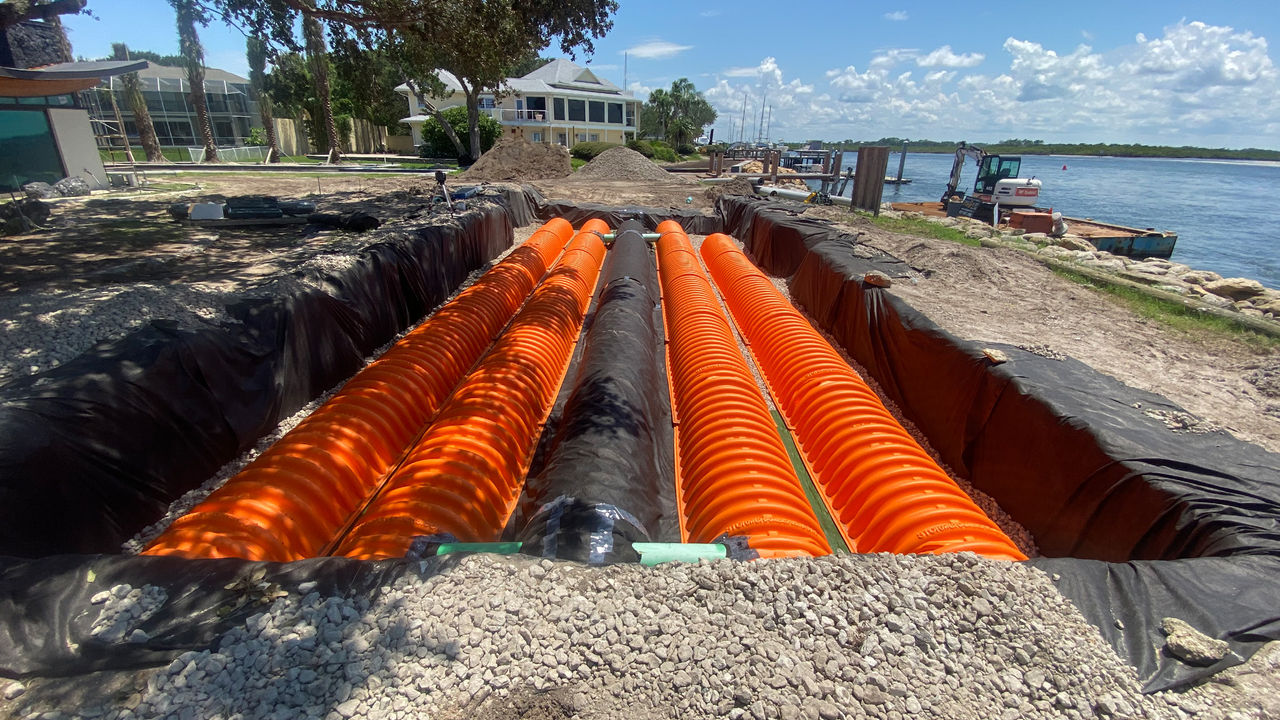
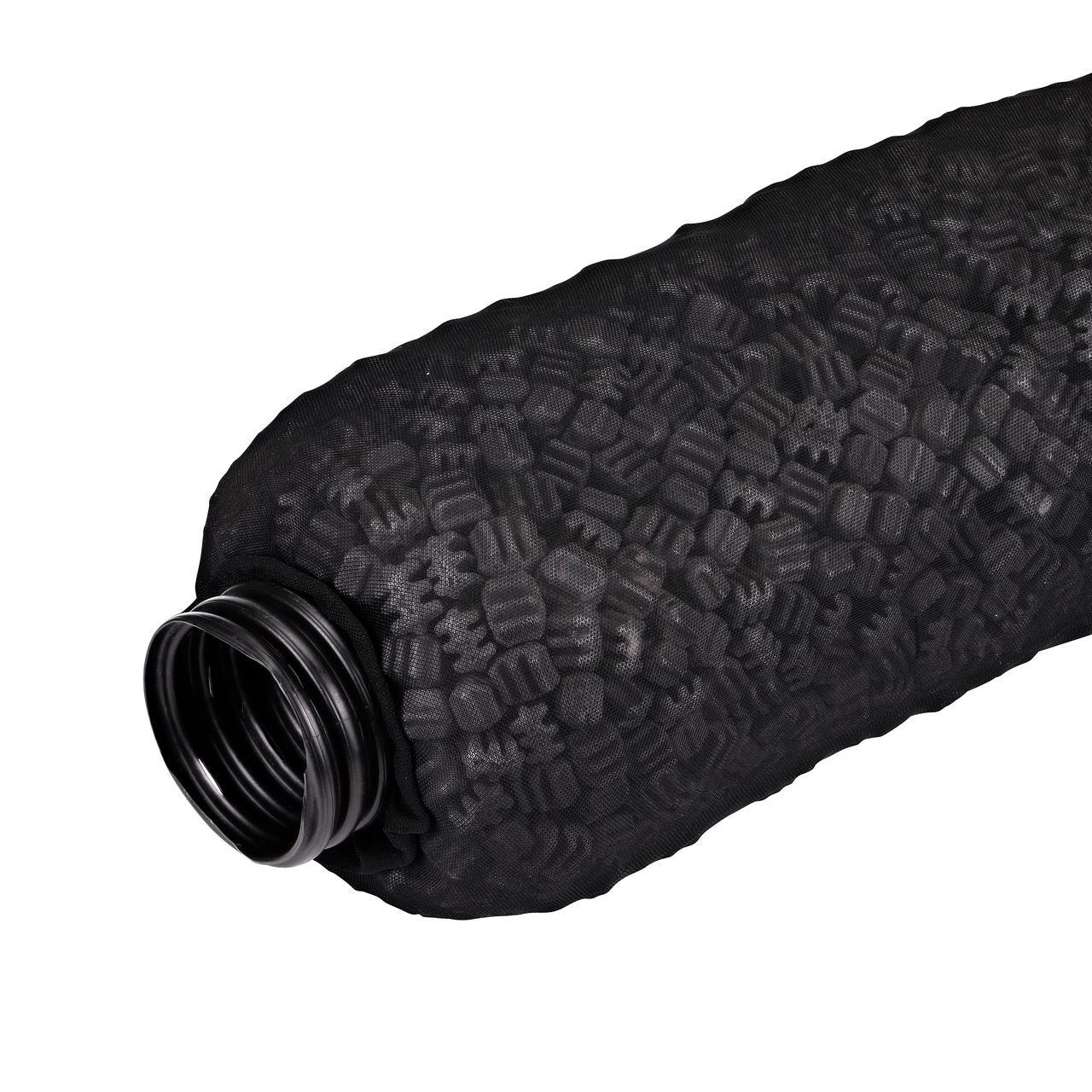
Whether in the form of puddles, high groundwater, or a combination of both, water that collects near the foundation can cause structural degradation and even enter the home's interior—damaging floors, walls, and more. A gravel-filled French drain or engineered French drain solution works by capturing excess water and relieving pressure on the foundation. The water can be slowly released into the surrounding soil or directed through drain pipe to a discharge point.
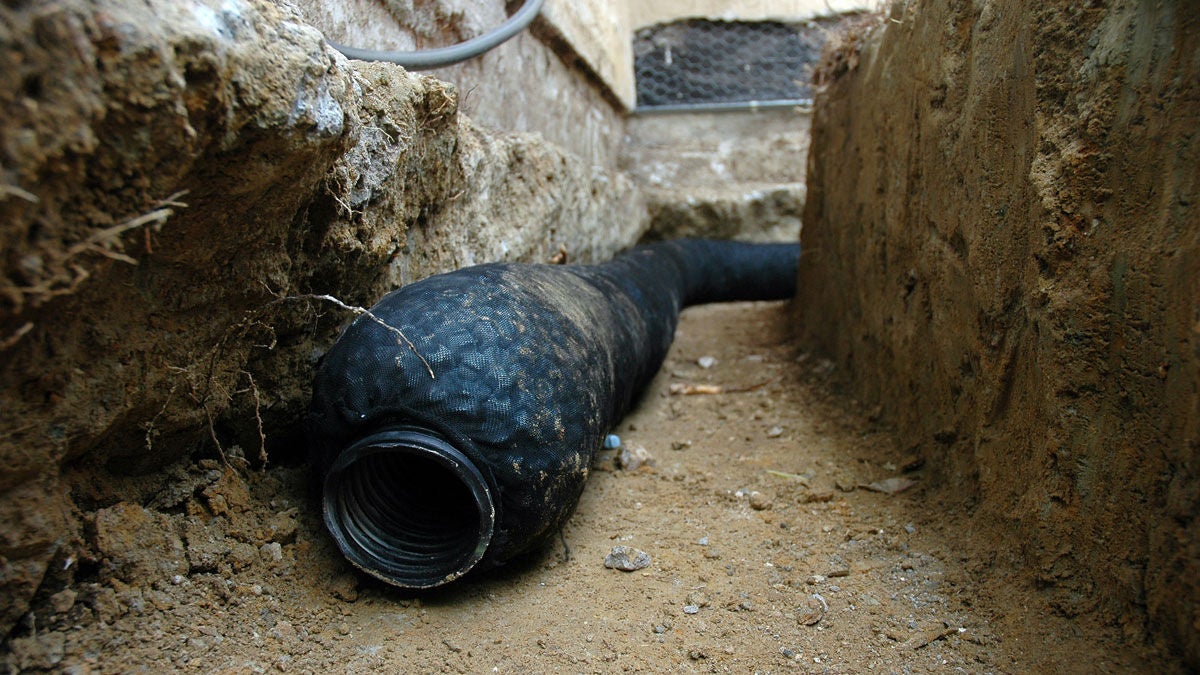
Installing a French drain to help prevent foundation damage
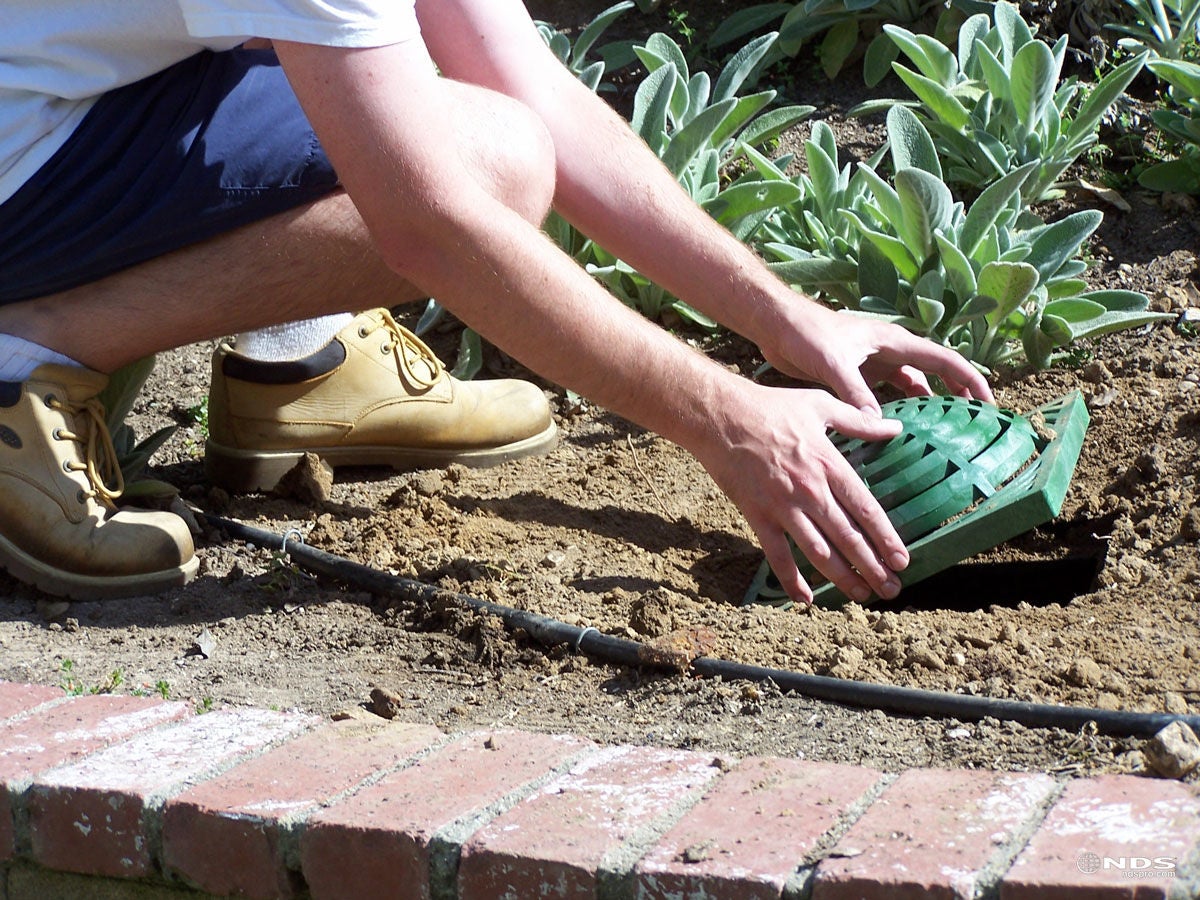
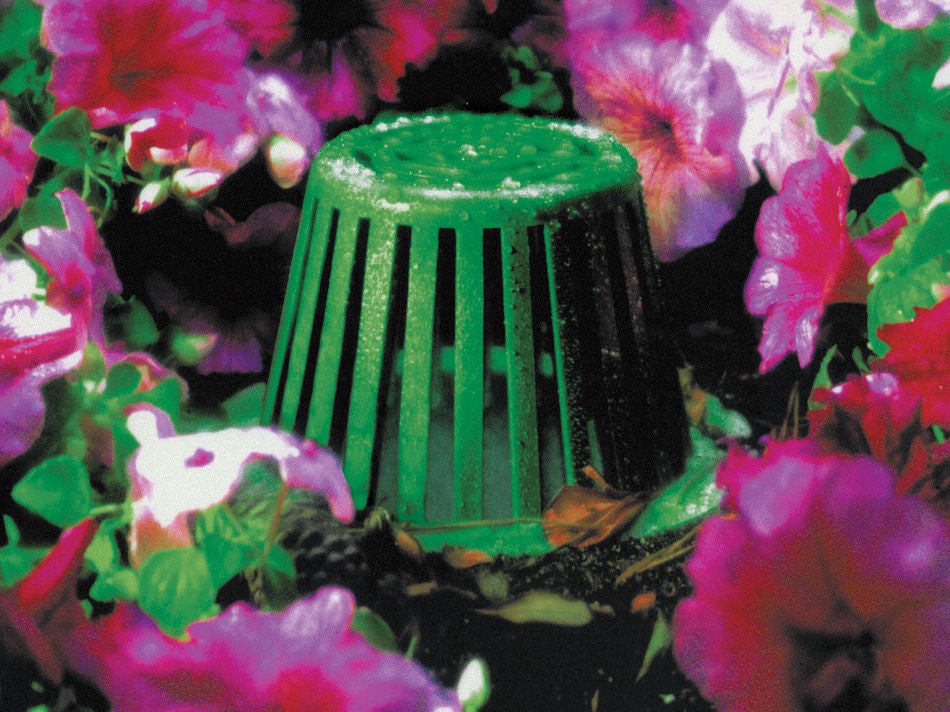
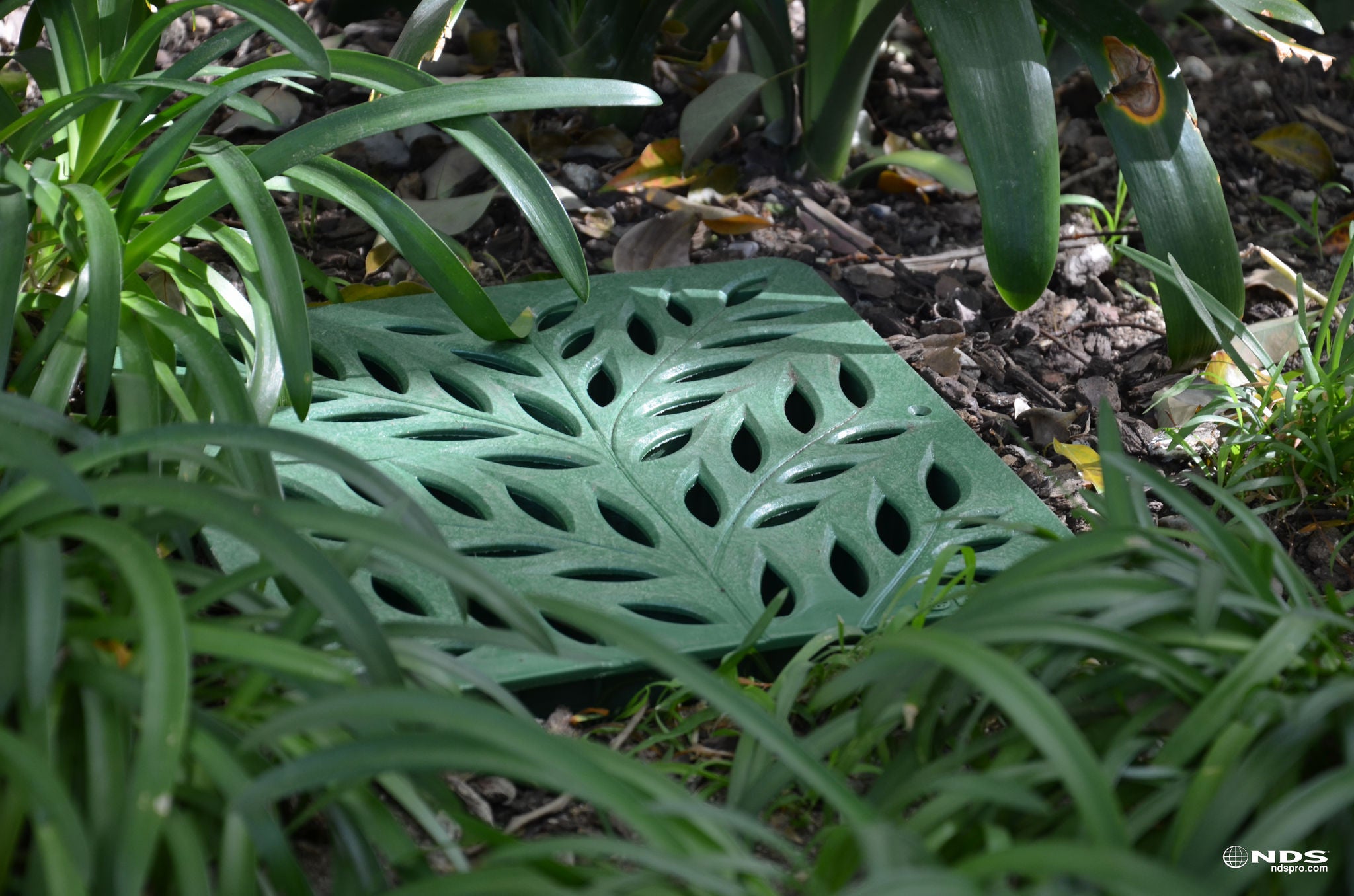
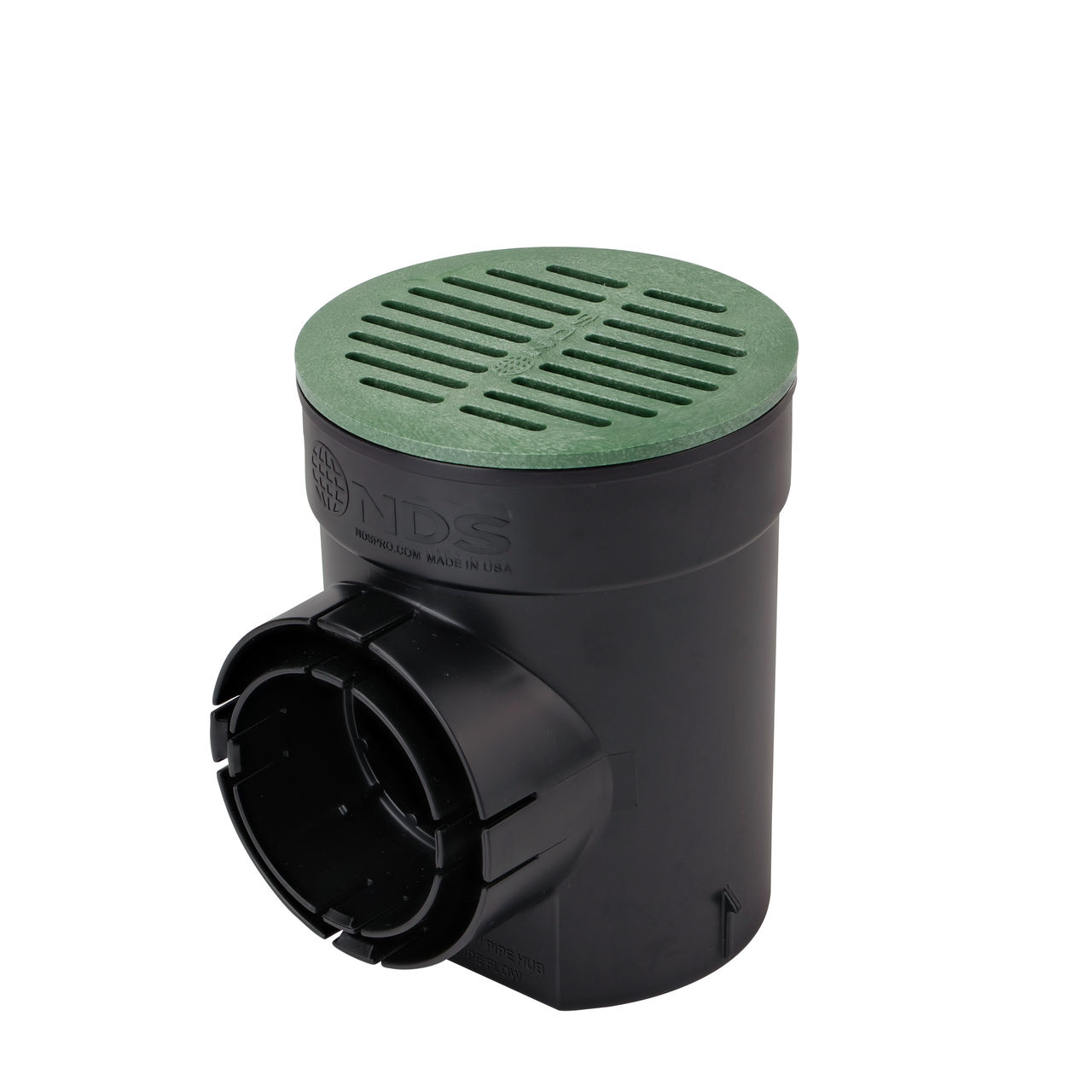
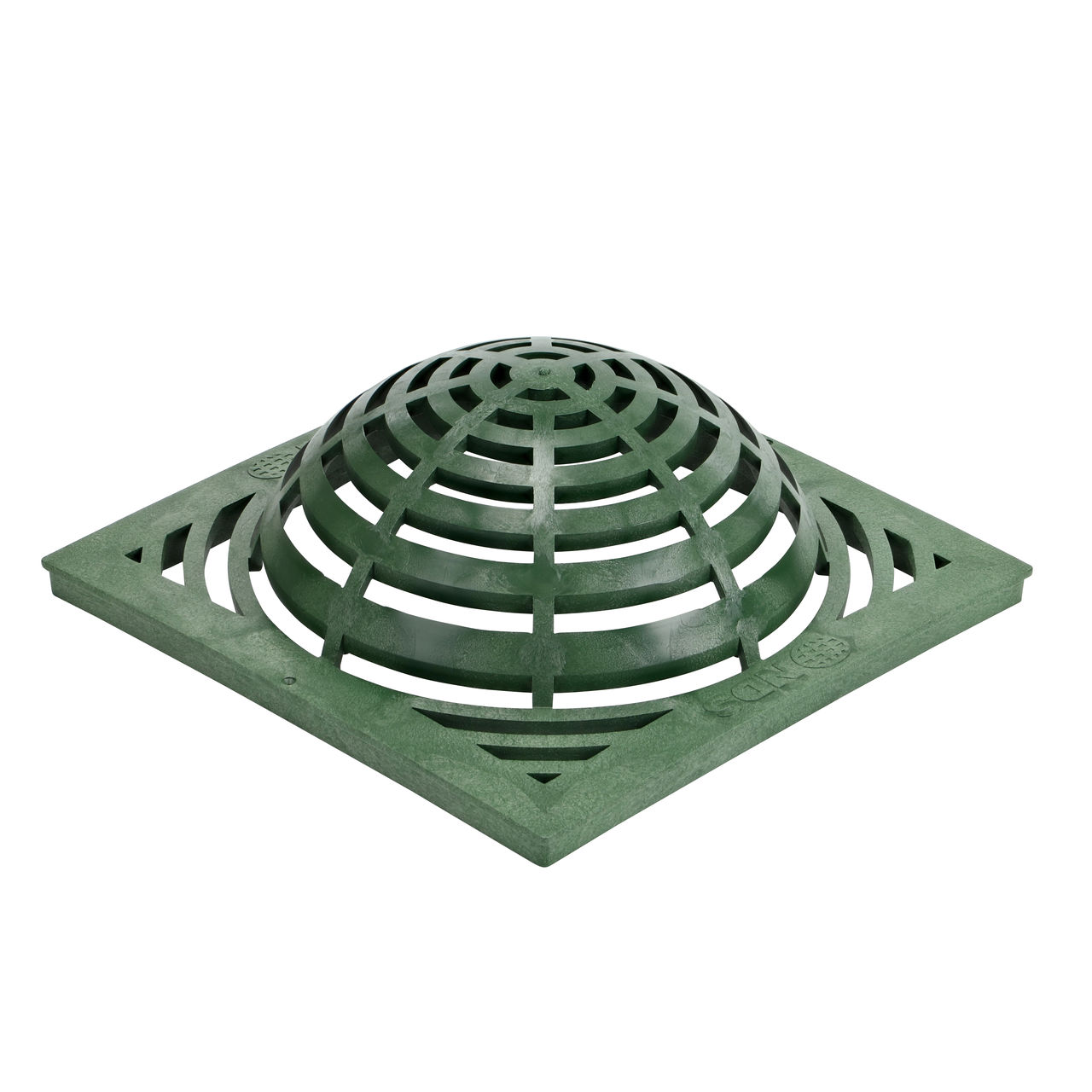
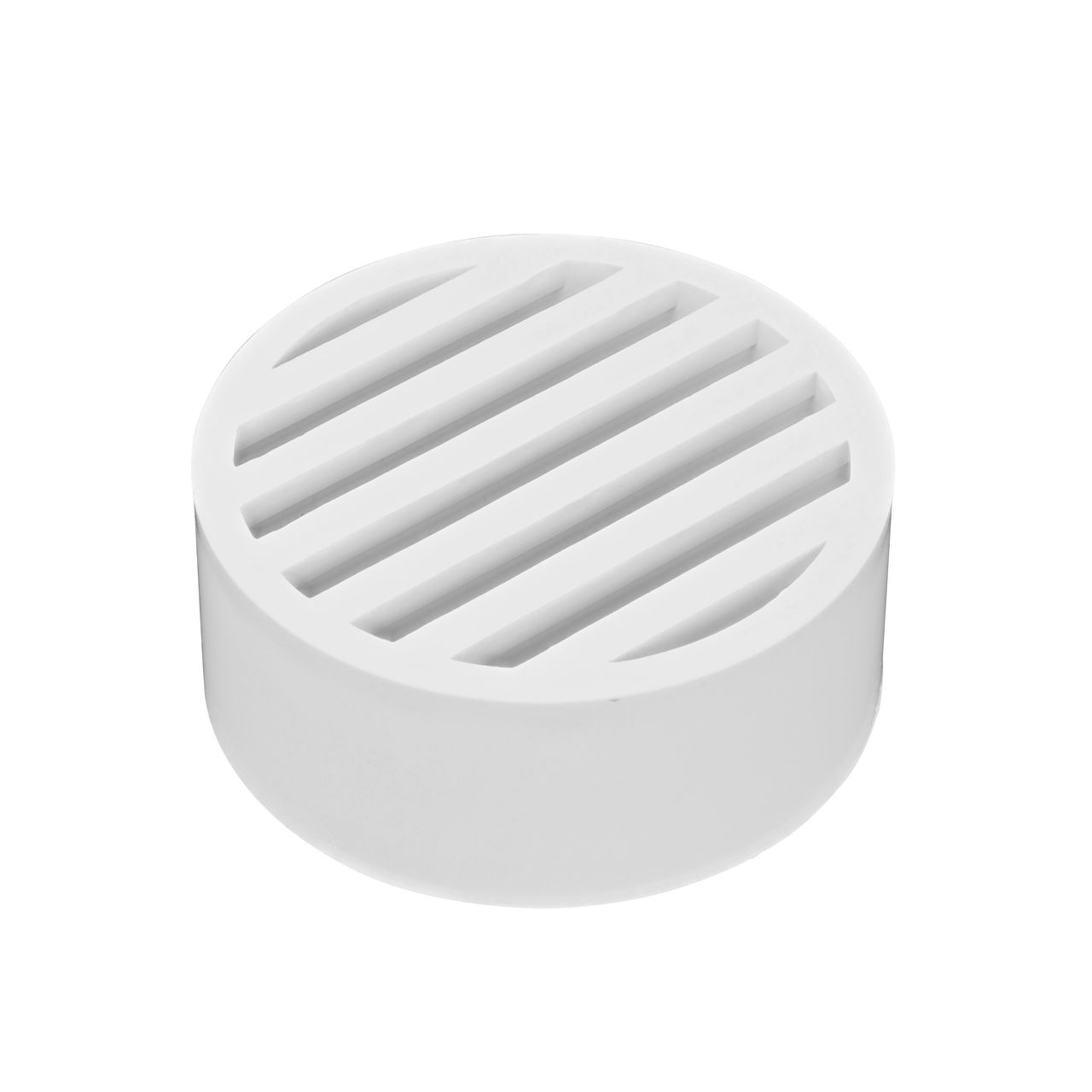
Atrium grates block debris at the base and let water flow through the top
5. Drenched flowerbeds
Do your landscape beds fill with rainwater—suffocating plants, damaging adjacent structures, and giving insects the ideal place to breed?
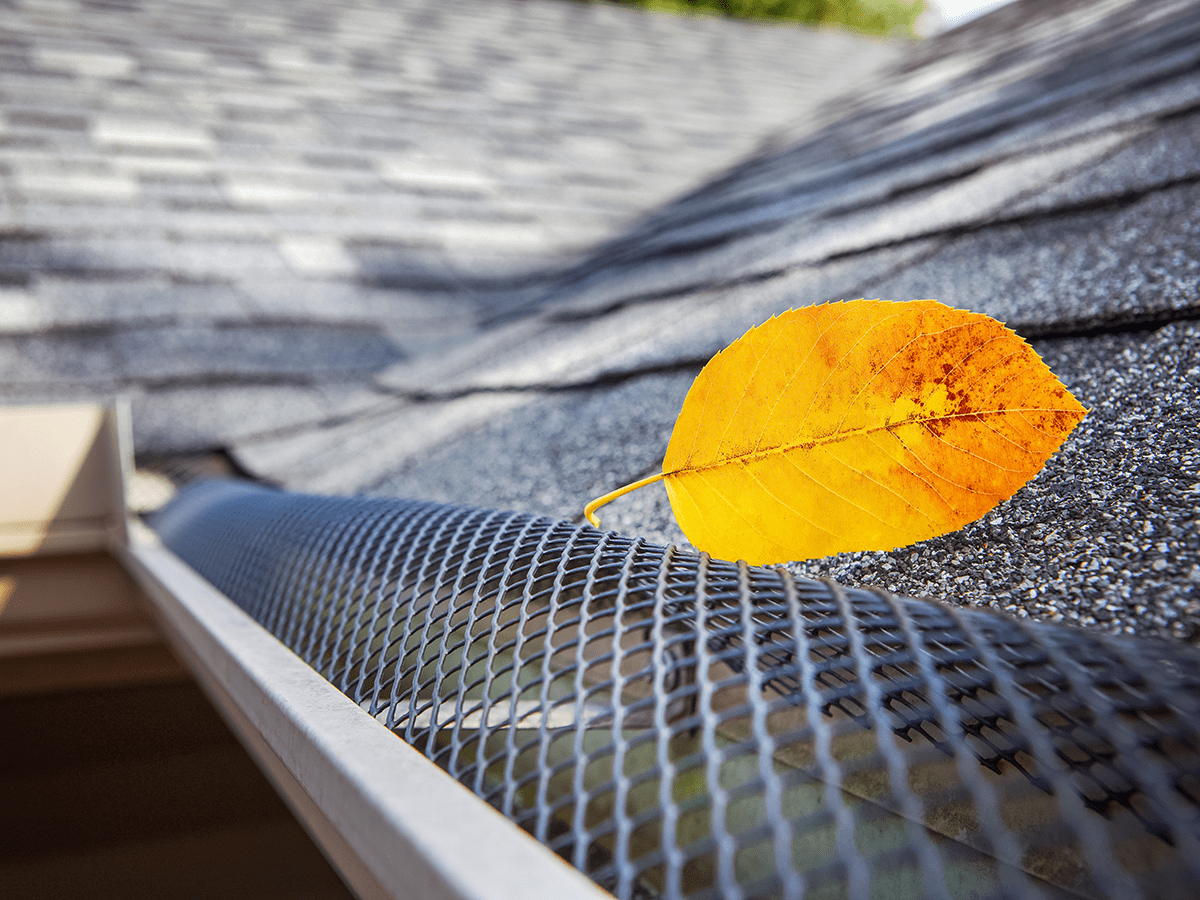
A catch basin topped by a domed atrium grate is an ideal solution for managing rainwater in landscaped areas, while keeping mulch and leaves from getting into your drainage system. Drain pipe is used to carry the water to a part of your property where it can be safely released through a pop-up emitter.
TIP: Check out our Detect and Solve Common Drainage Problems video for an overview of issues you might see around your property. Note that projects involving concrete work, extensive excavation, or precise calculations may require the help of a trained drainage professional.
Get ahead of El Niño—make drainage improvements now
Fixing your drainage problems before the rain arrives will help you prevent potential damage from this year's storms and wet weather in the future. Reach out to the NDS support team for expert guidance about DIY projects or search our FIND-A-PRO directory to find a stormwater management pro near you.