




























What Is Stormwater Management and Its Benefits?

Heavy rainfall can overwhelm neighborhoods, carry pollution into waterways, and strain local ecosystems. An effective solution to these problems is stormwater management: a coordinated approach that controls, cleans, and directs rainwater runoff in ways that protect people, property, and the environment.
This guide explains what stormwater management is, why it matters, the benefits it brings, the systems and practices involved, and the latest trends shaping its future.
What is stormwater management and why is it important?
Storm water management refers to the planning, design, and implementation of practices that control and treat runoff generated by rain or snowmelt.
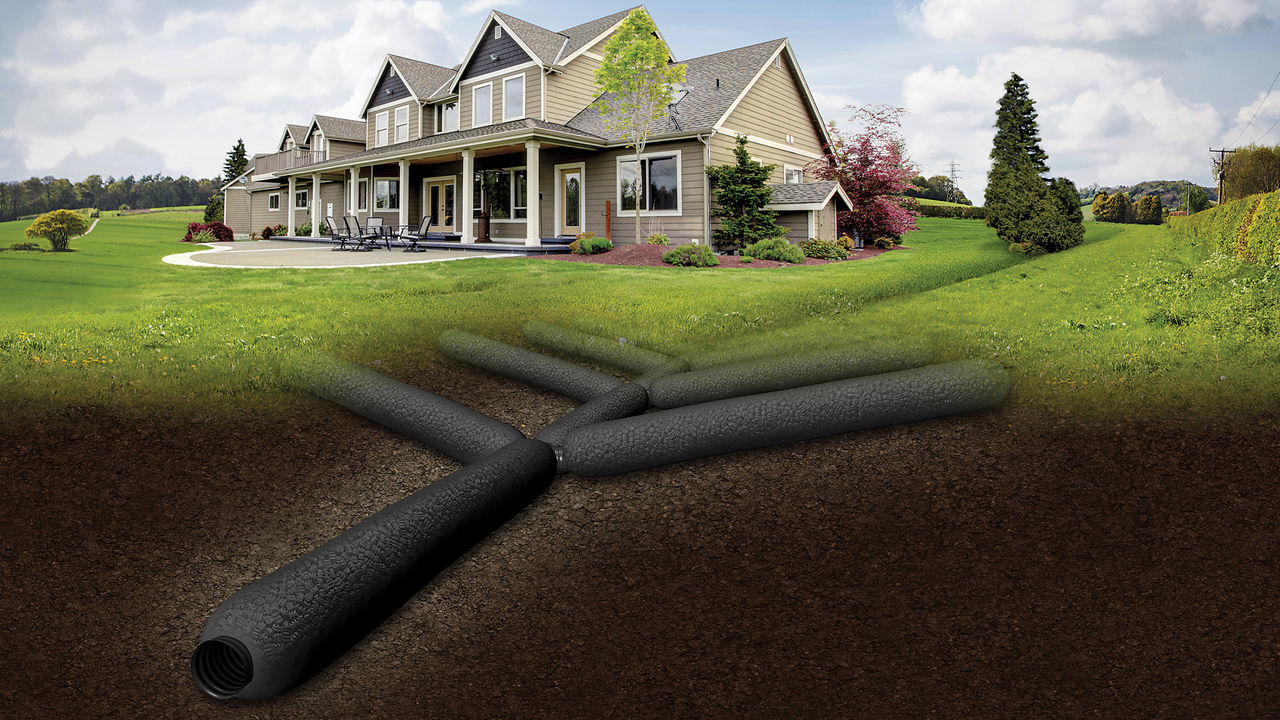
A stormwater management system ensures that runoff is collected, conveyed, and managed through one or more approaches depending on site conditions and regulatory requirements.
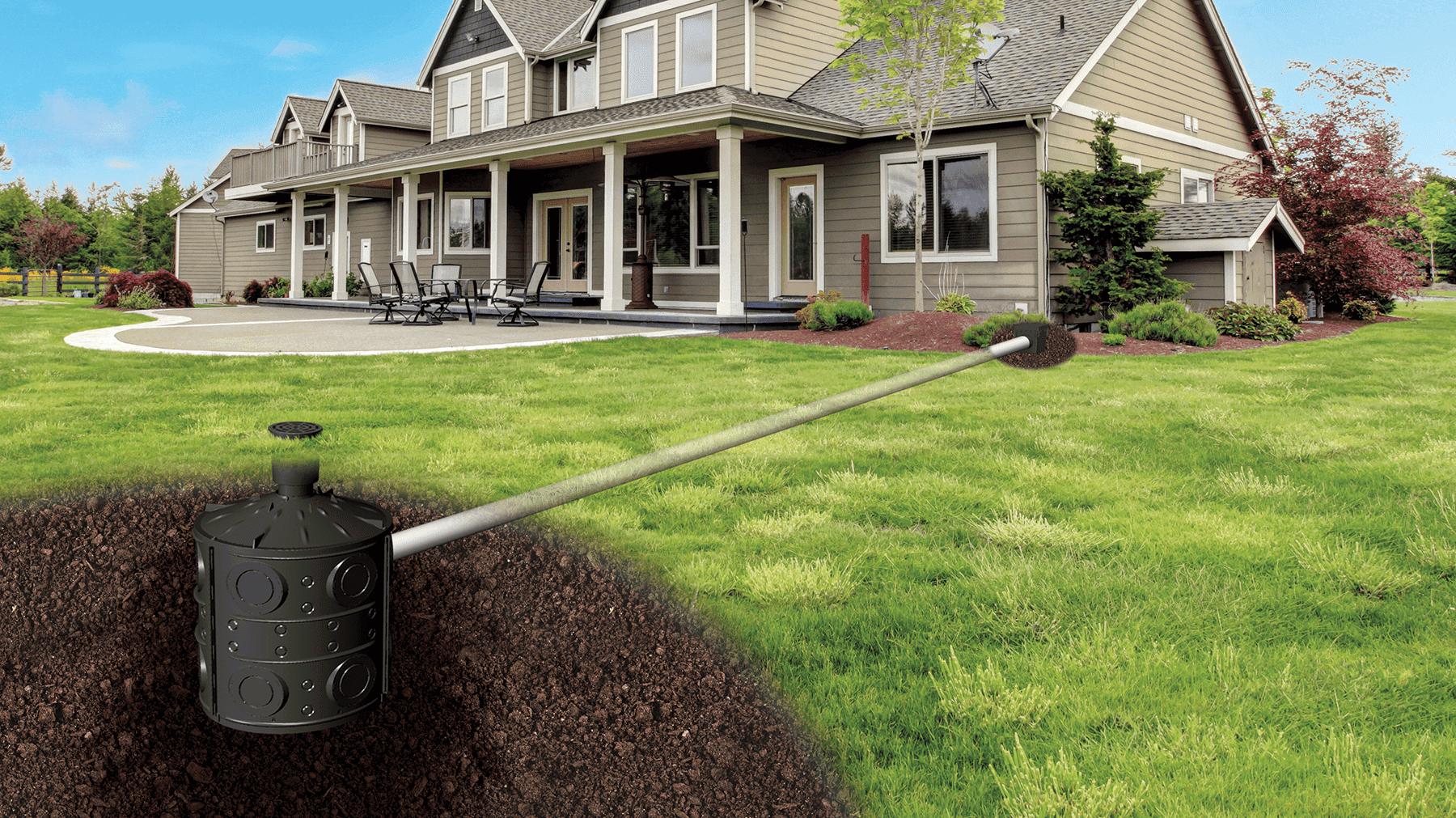
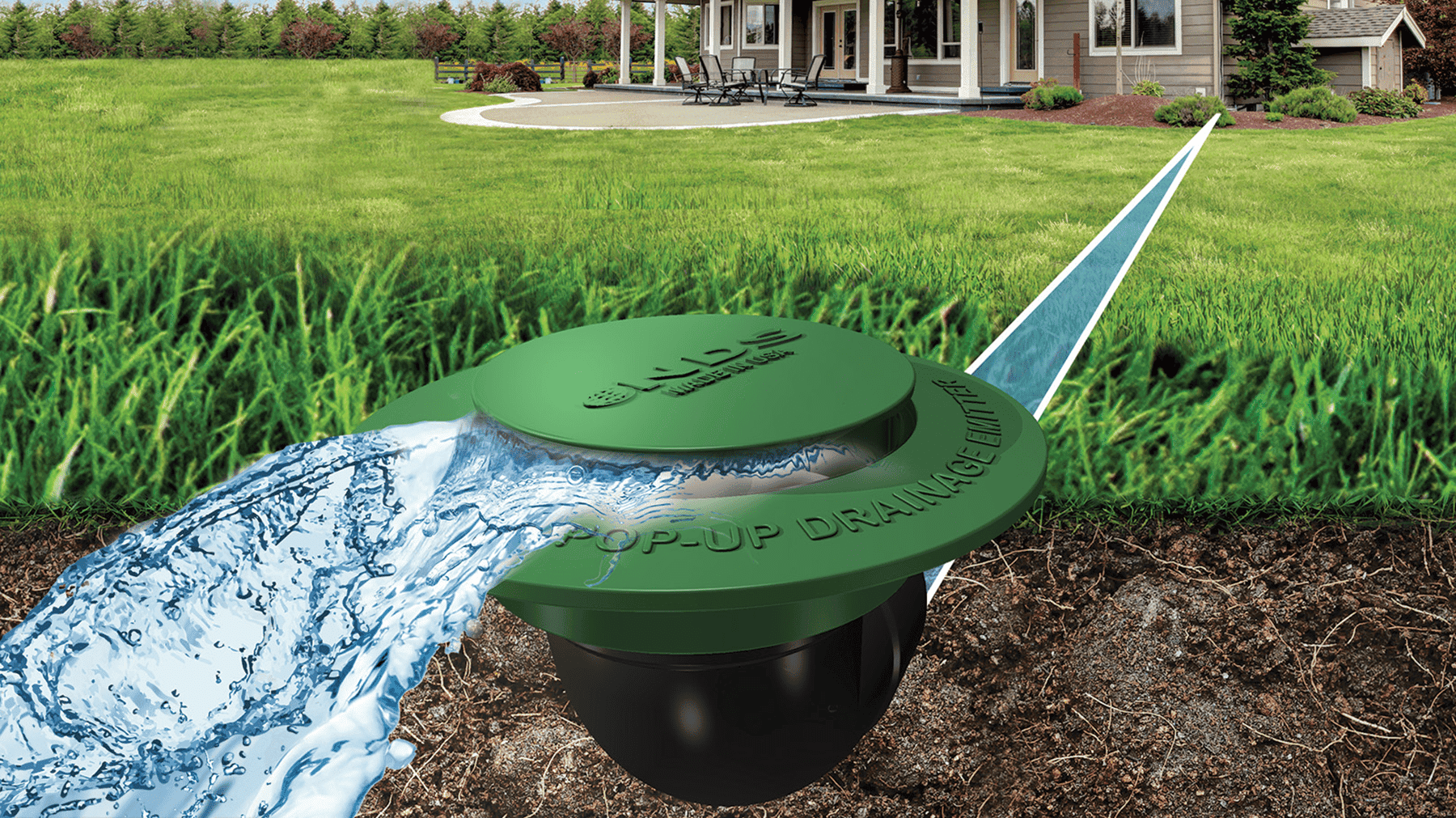
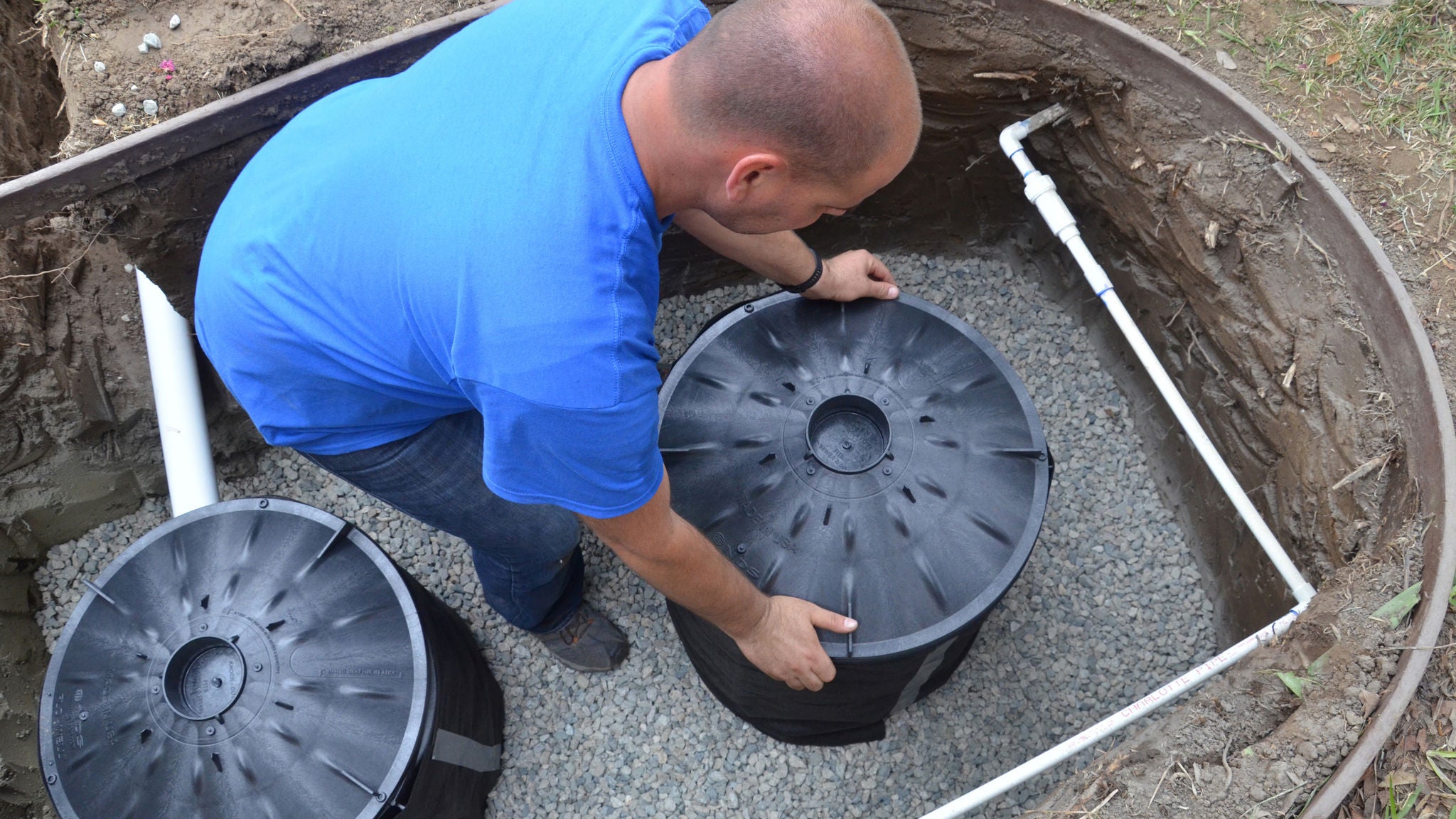
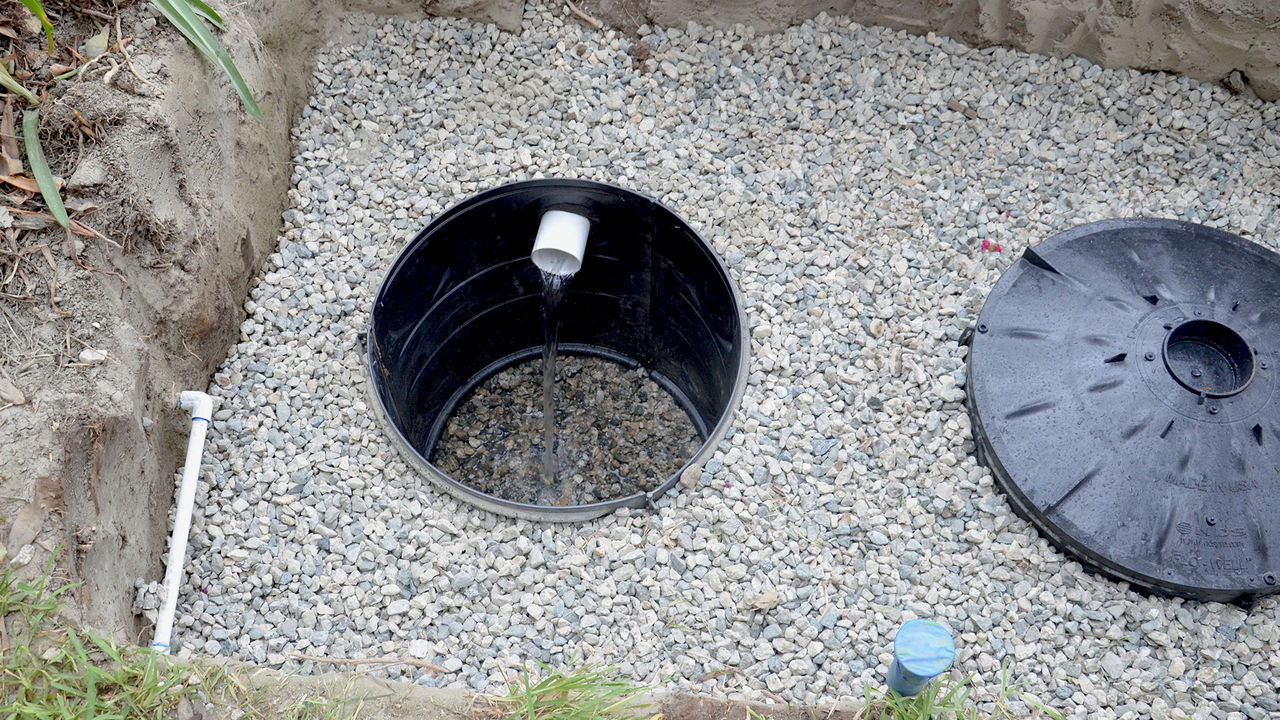
These approaches include treating and discharging runoff to a receiving water body, detaining or retaining water in ponds or underground storage, infiltrating runoff into the ground through devices such as infiltration basins or dry wells, or capturing water for reuse on site—rather than allowing uncontrolled flow that can cause flooding, erosion, or water pollution.
Components of stormwater management systems
A complete stormwater management plan incorporates several interconnected elements:
Collection systems
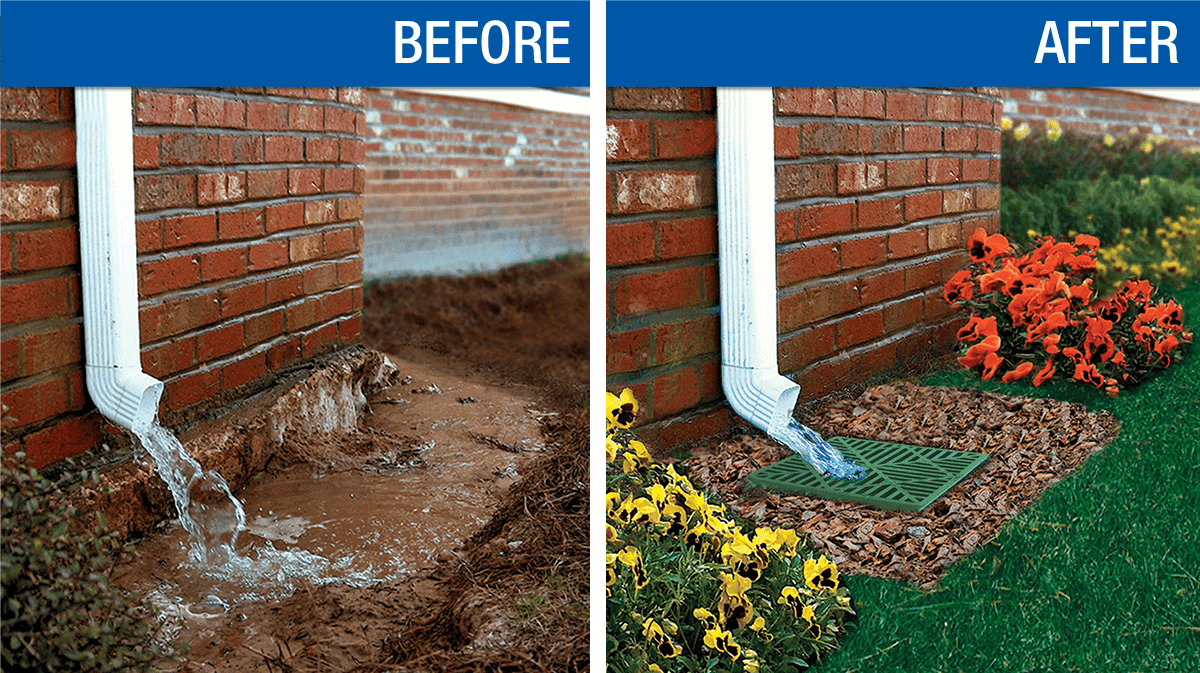
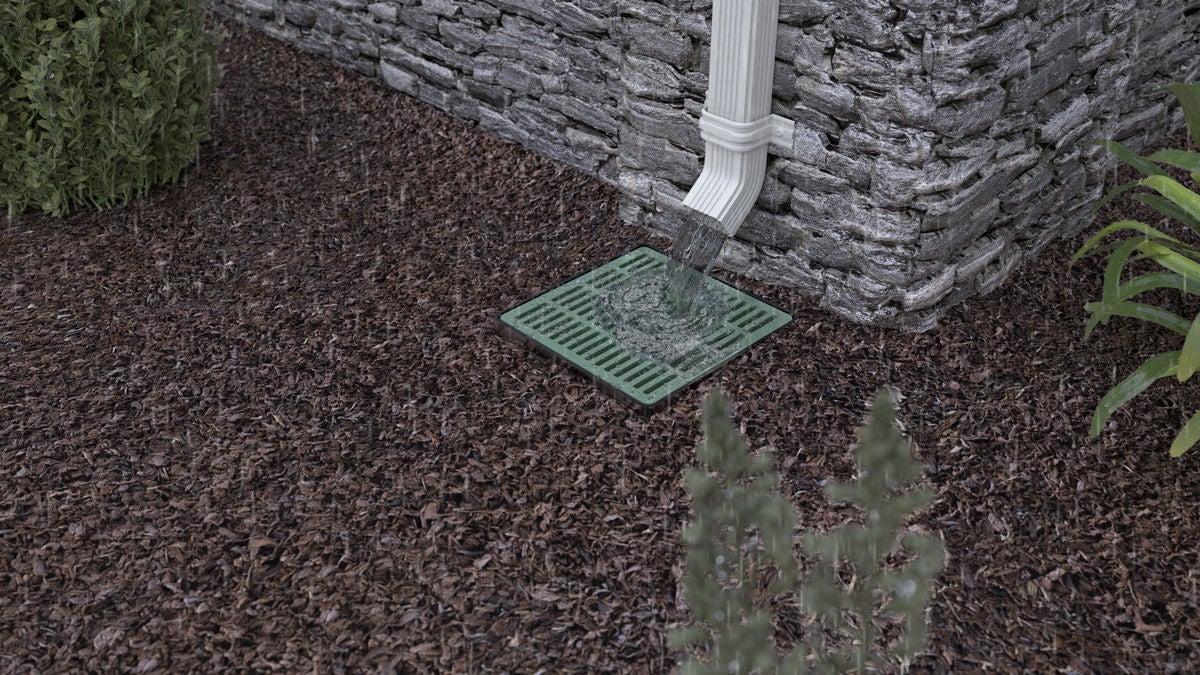
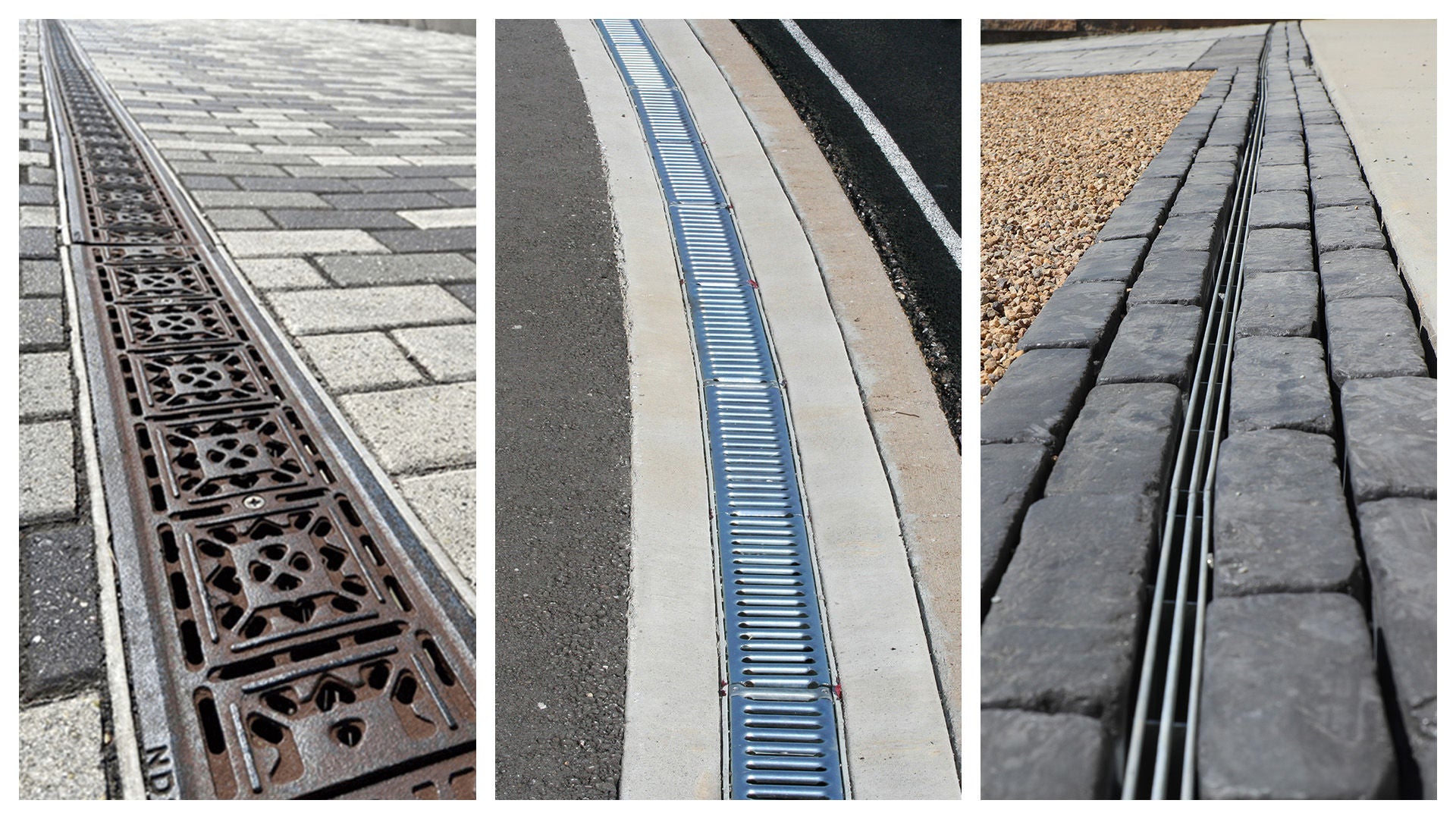
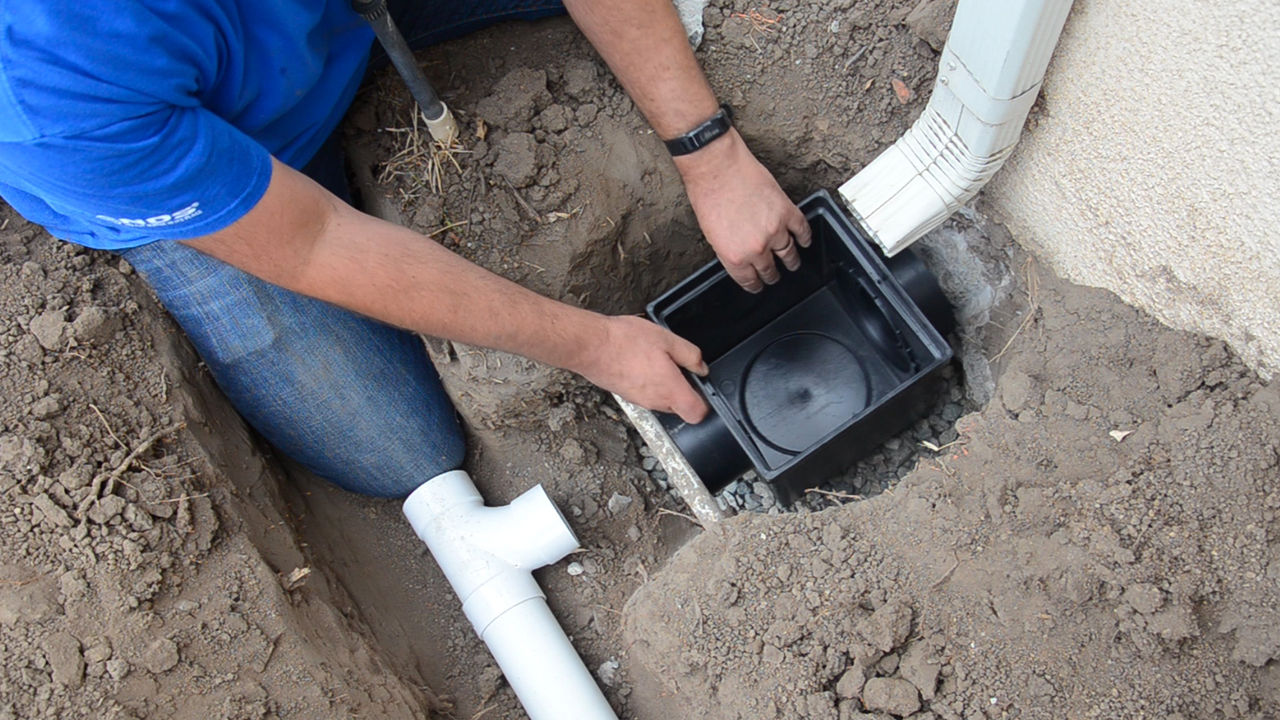
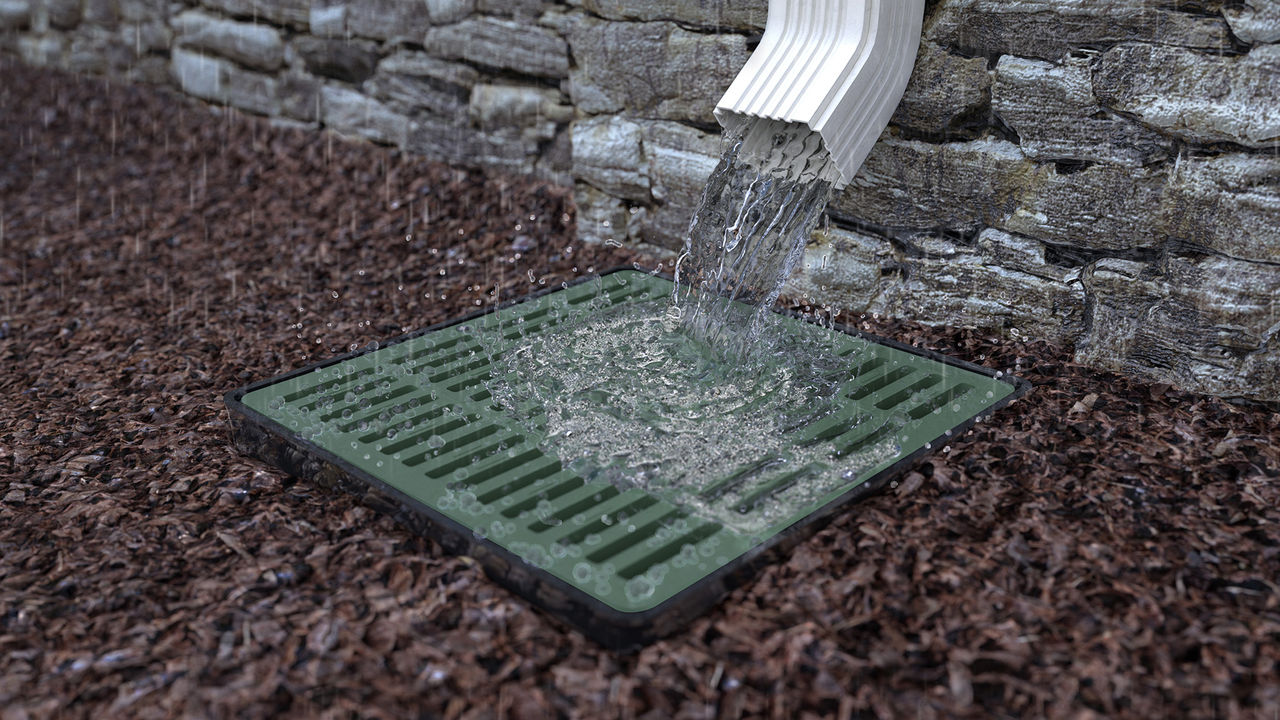
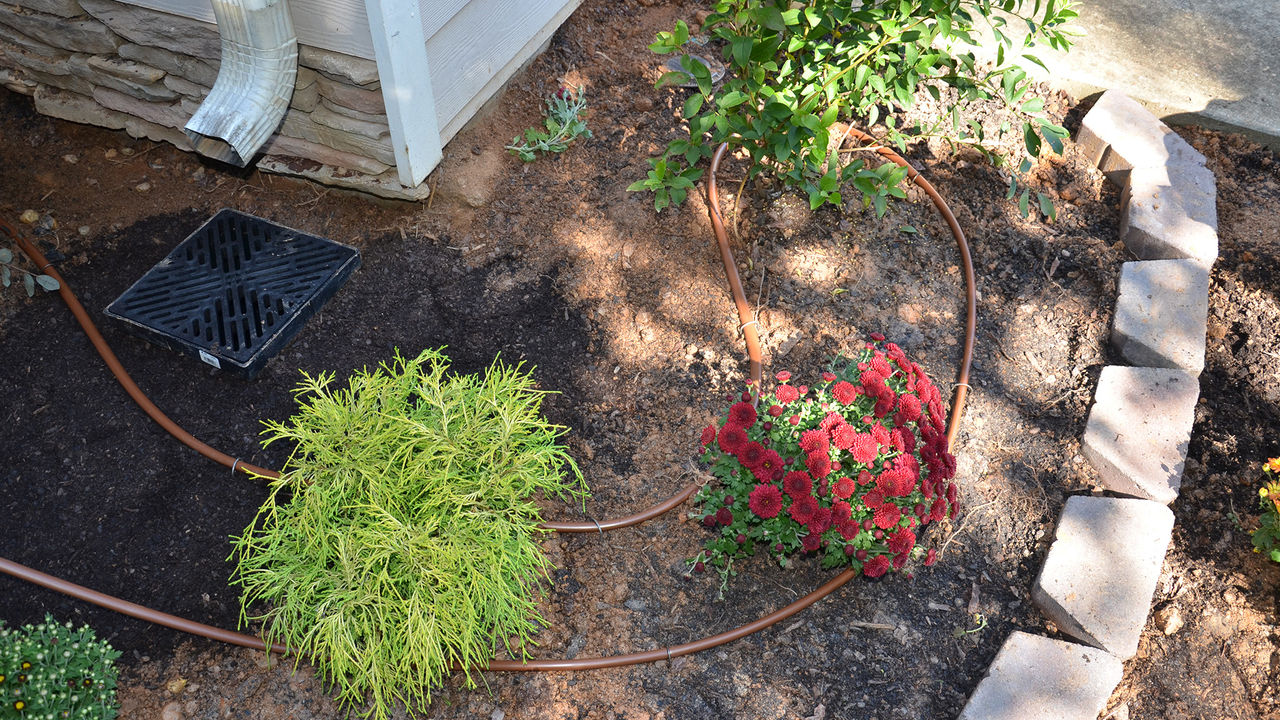
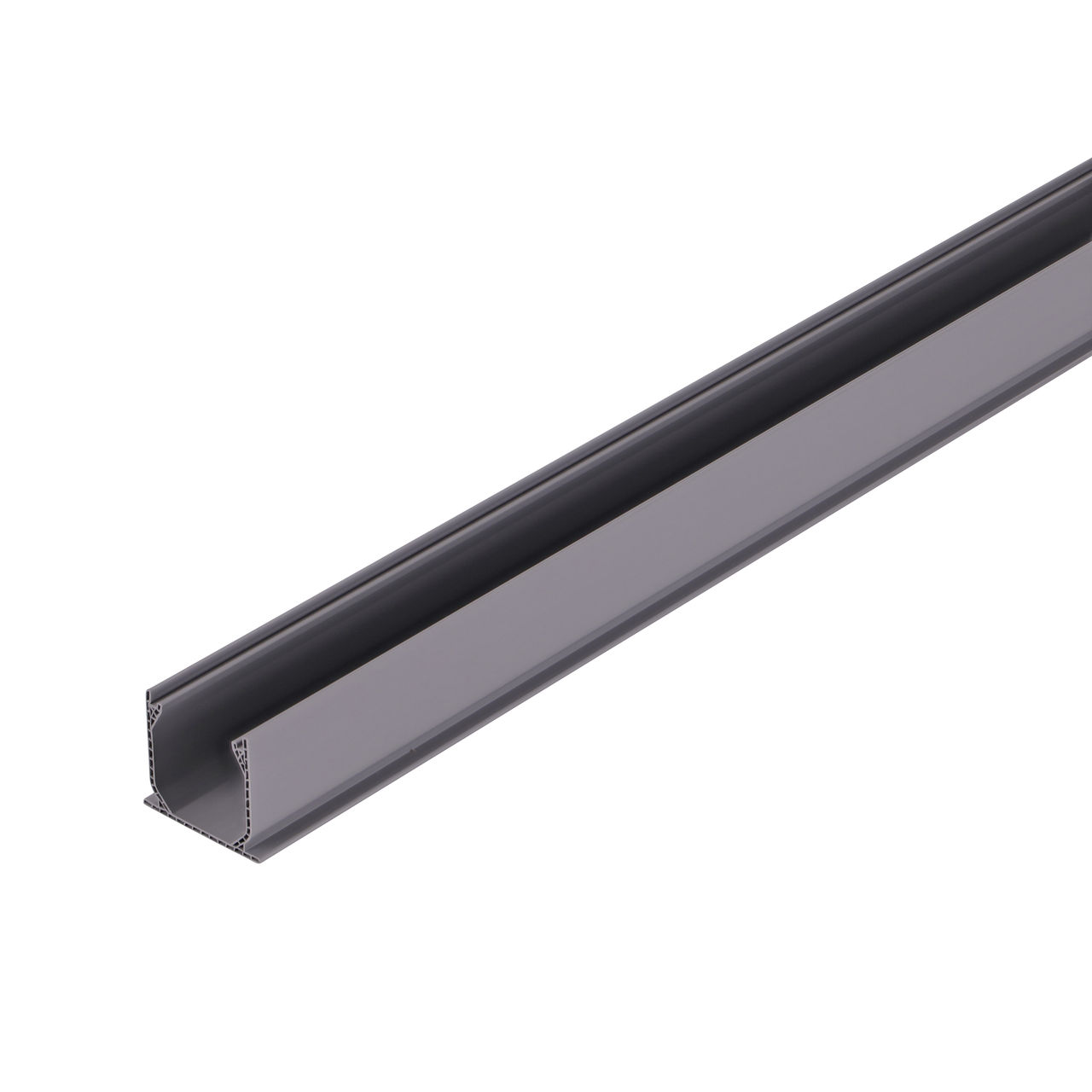
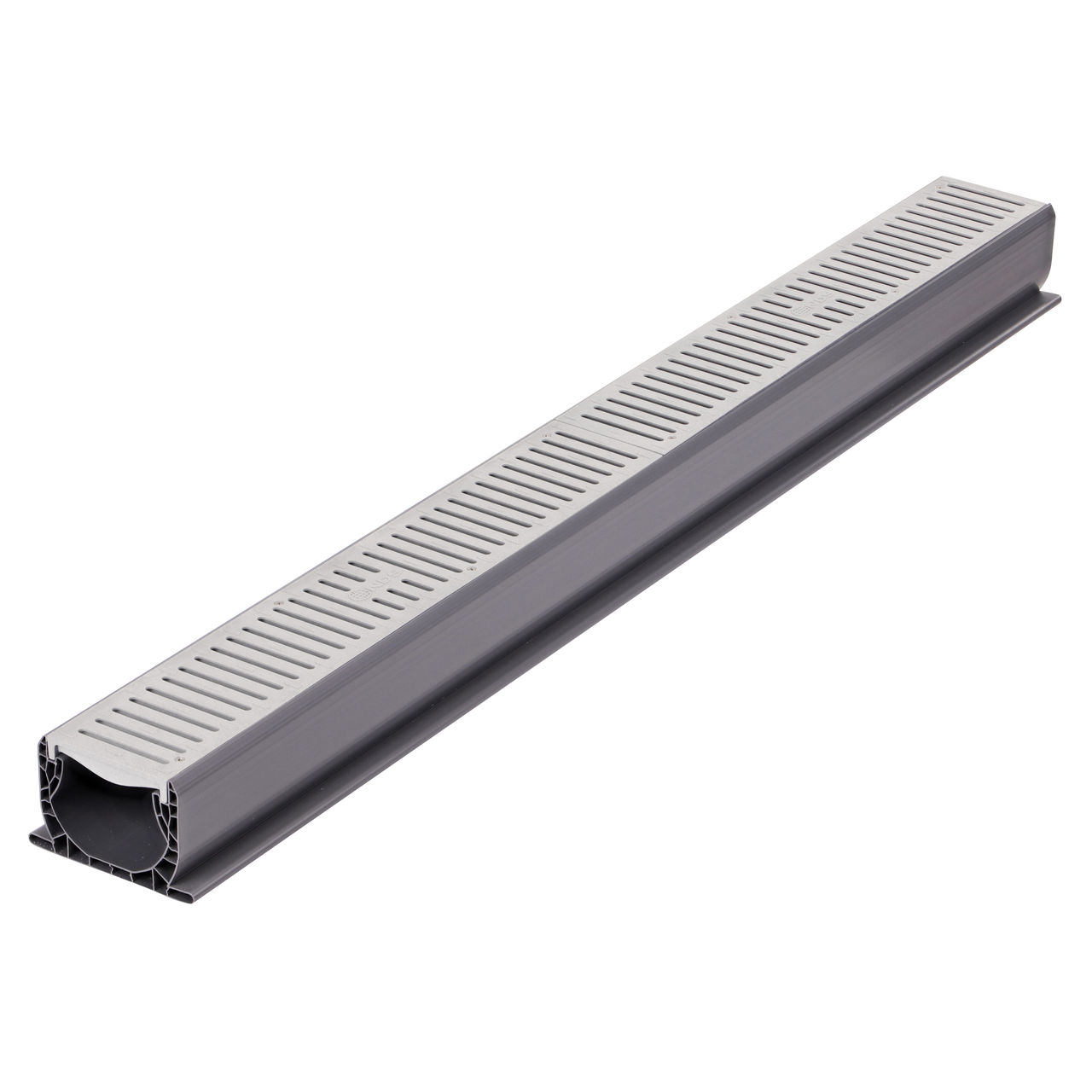
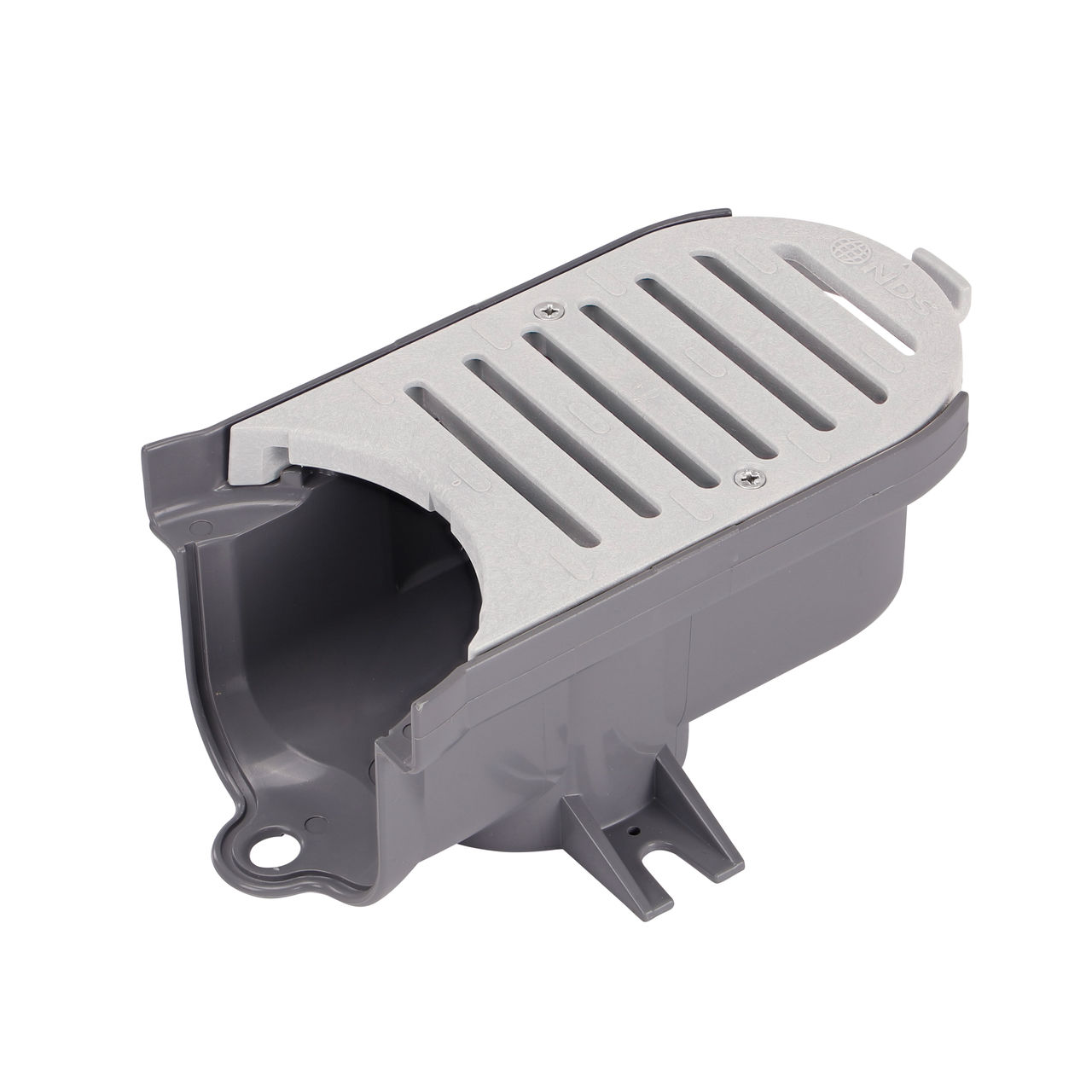
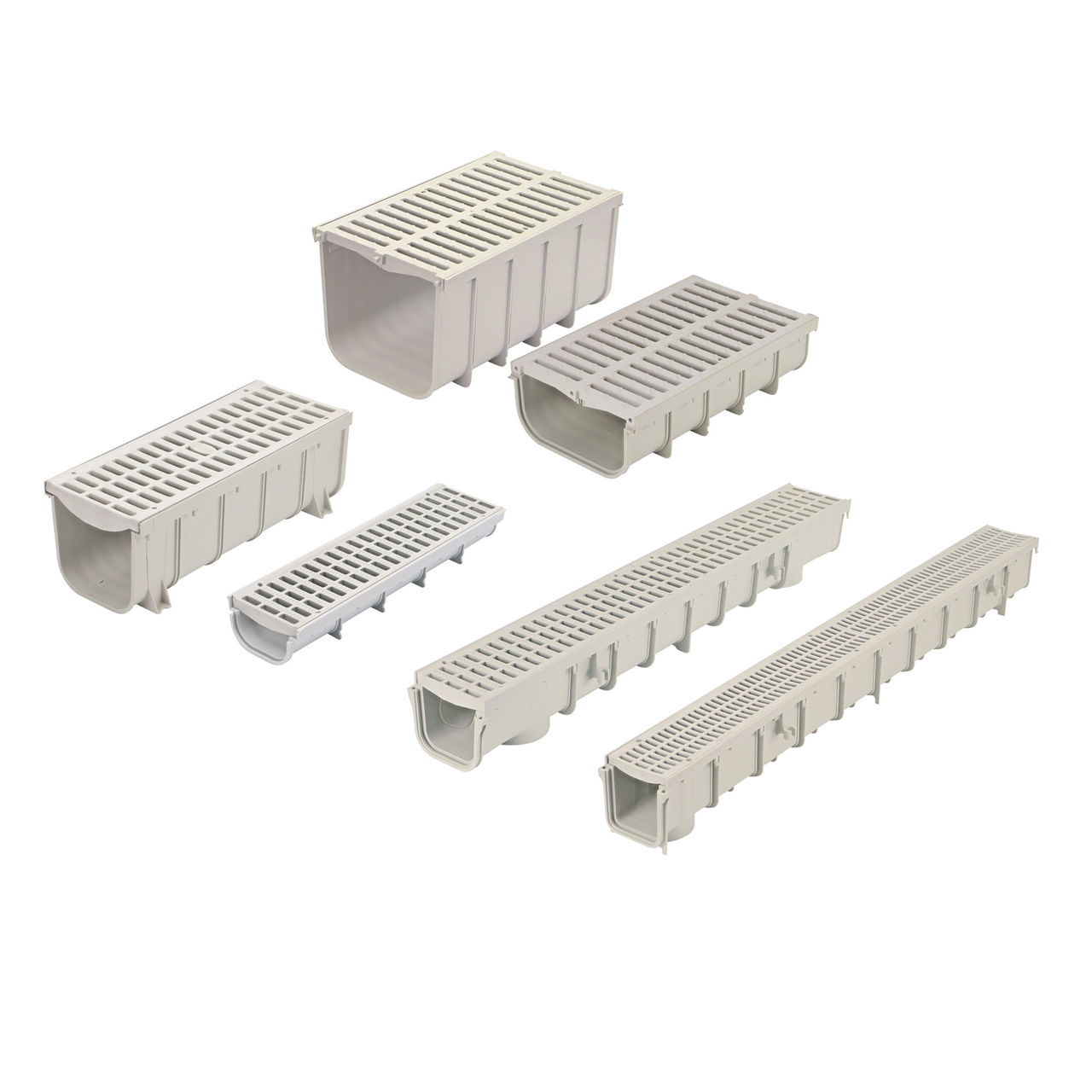
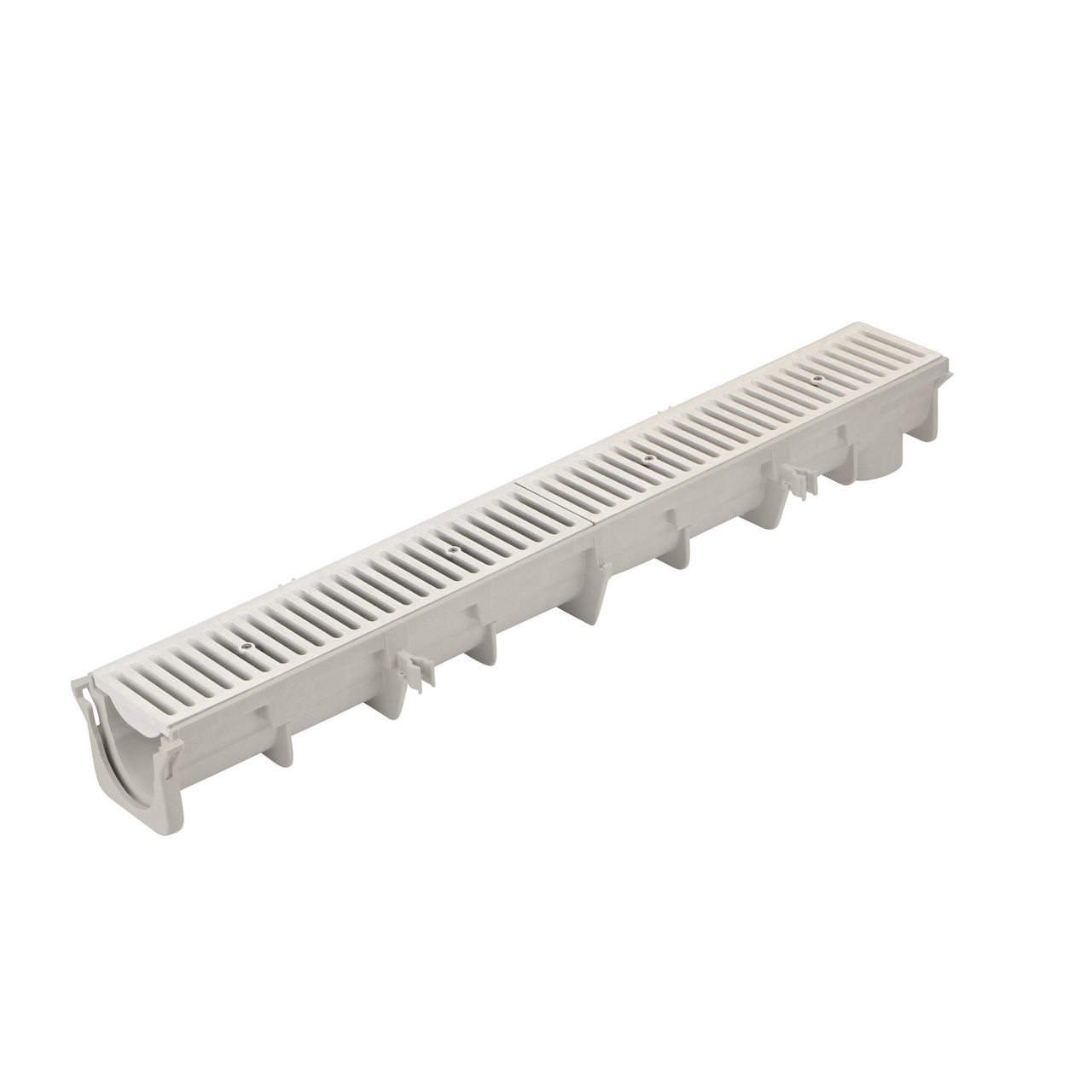
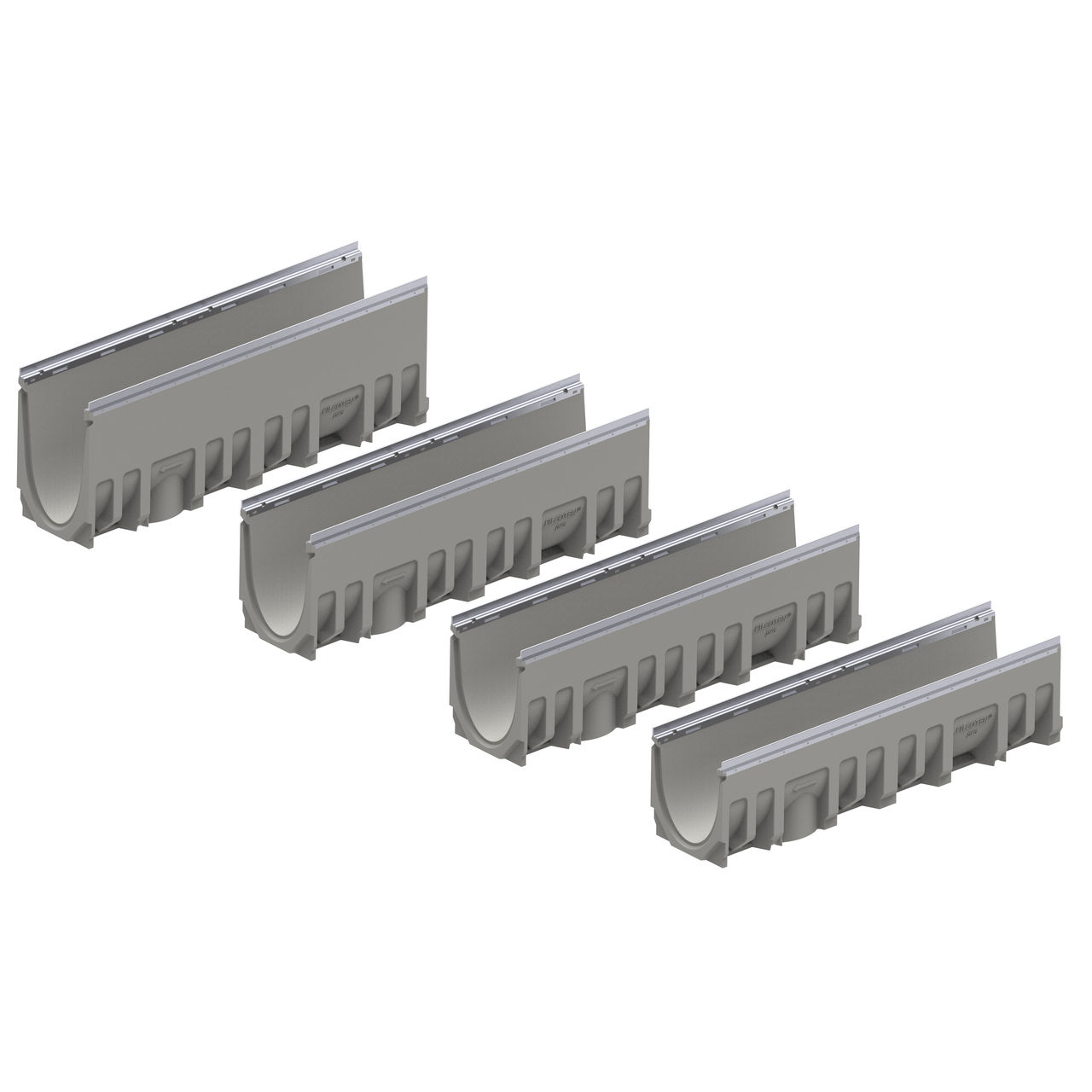
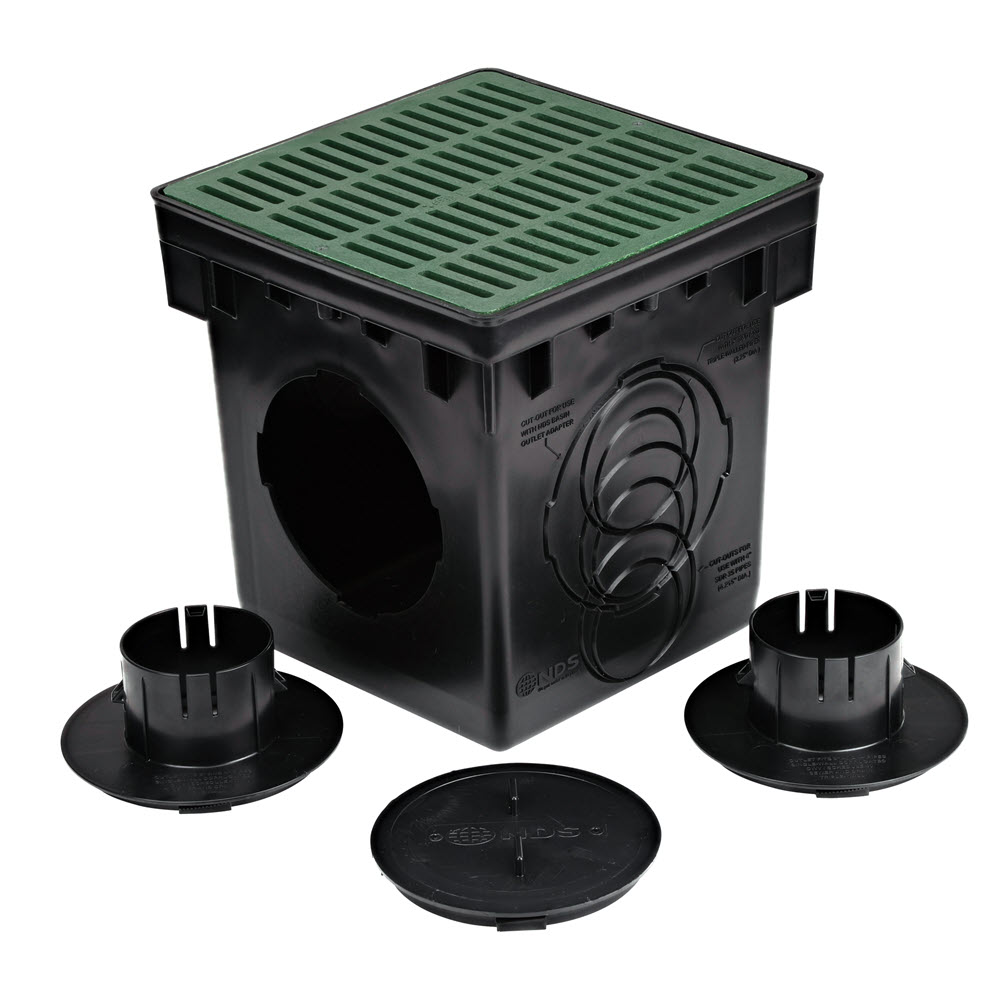
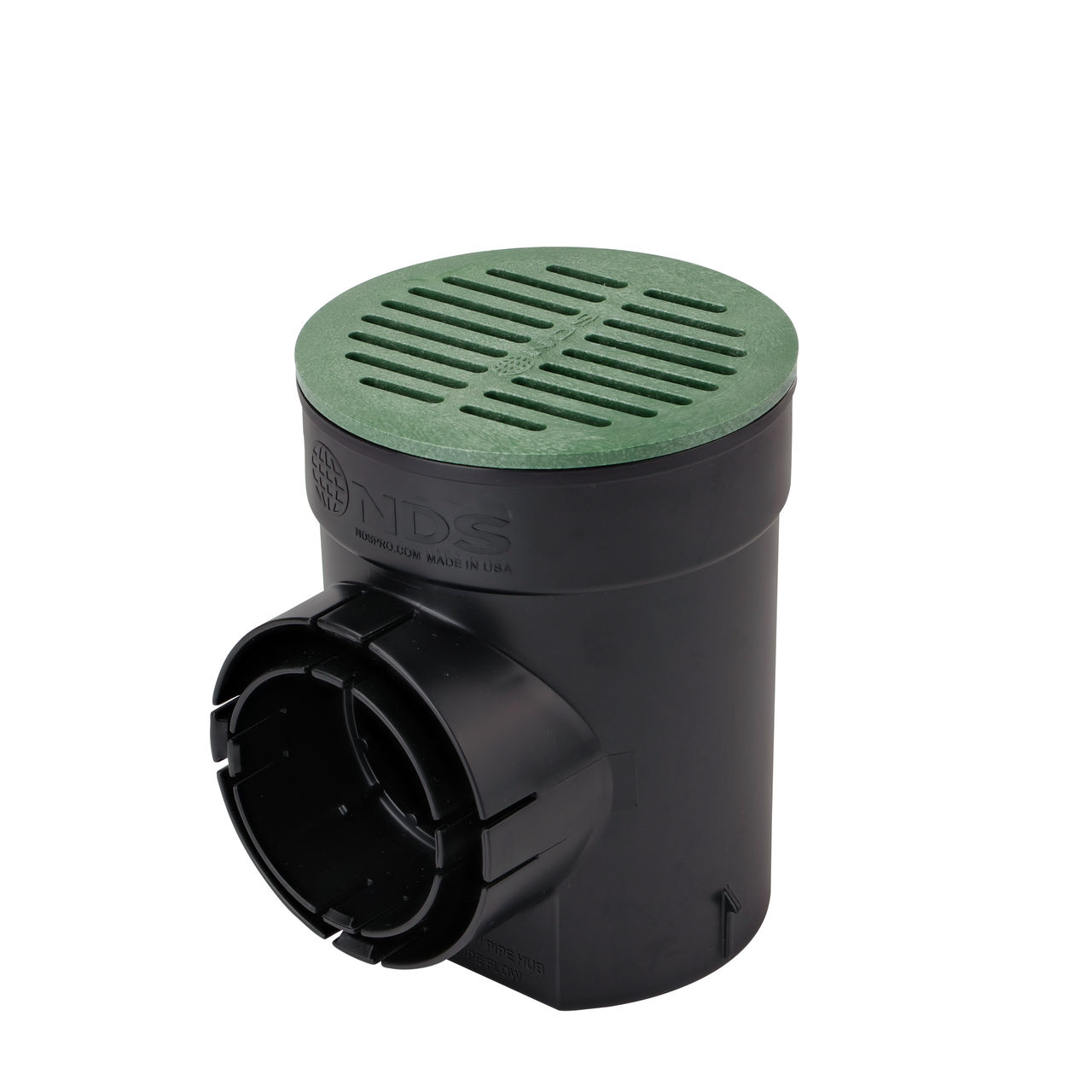
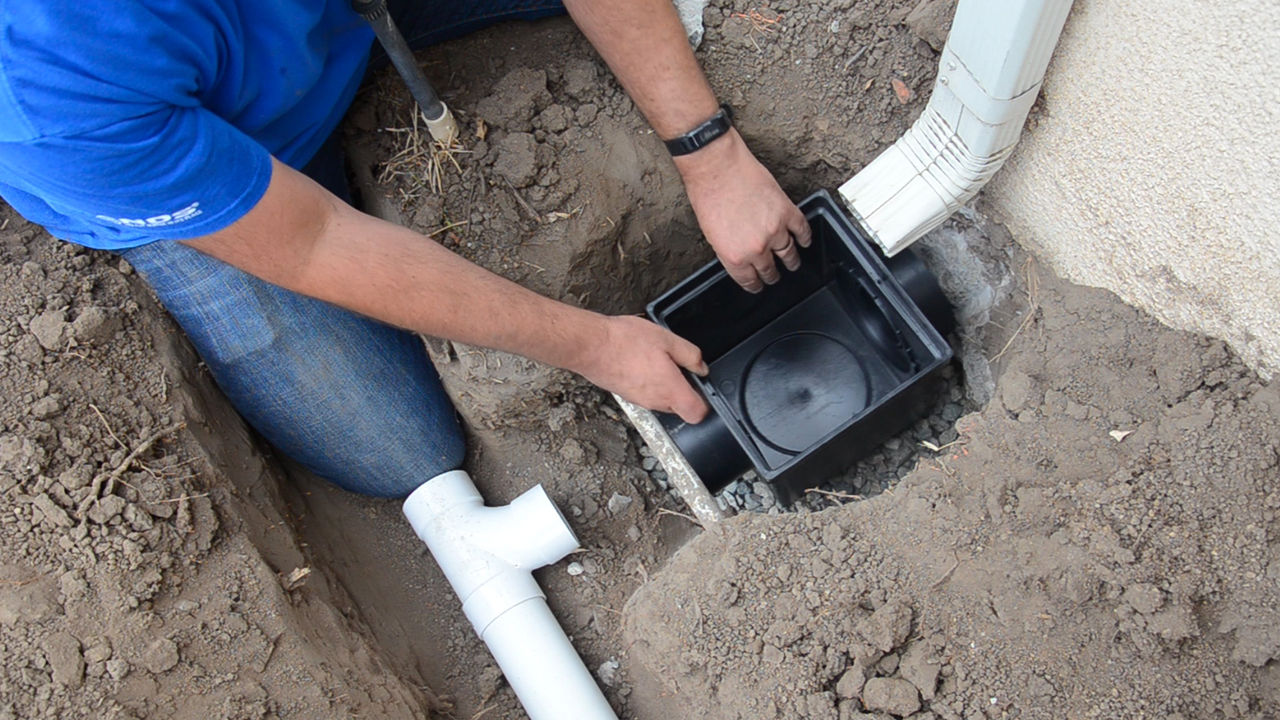
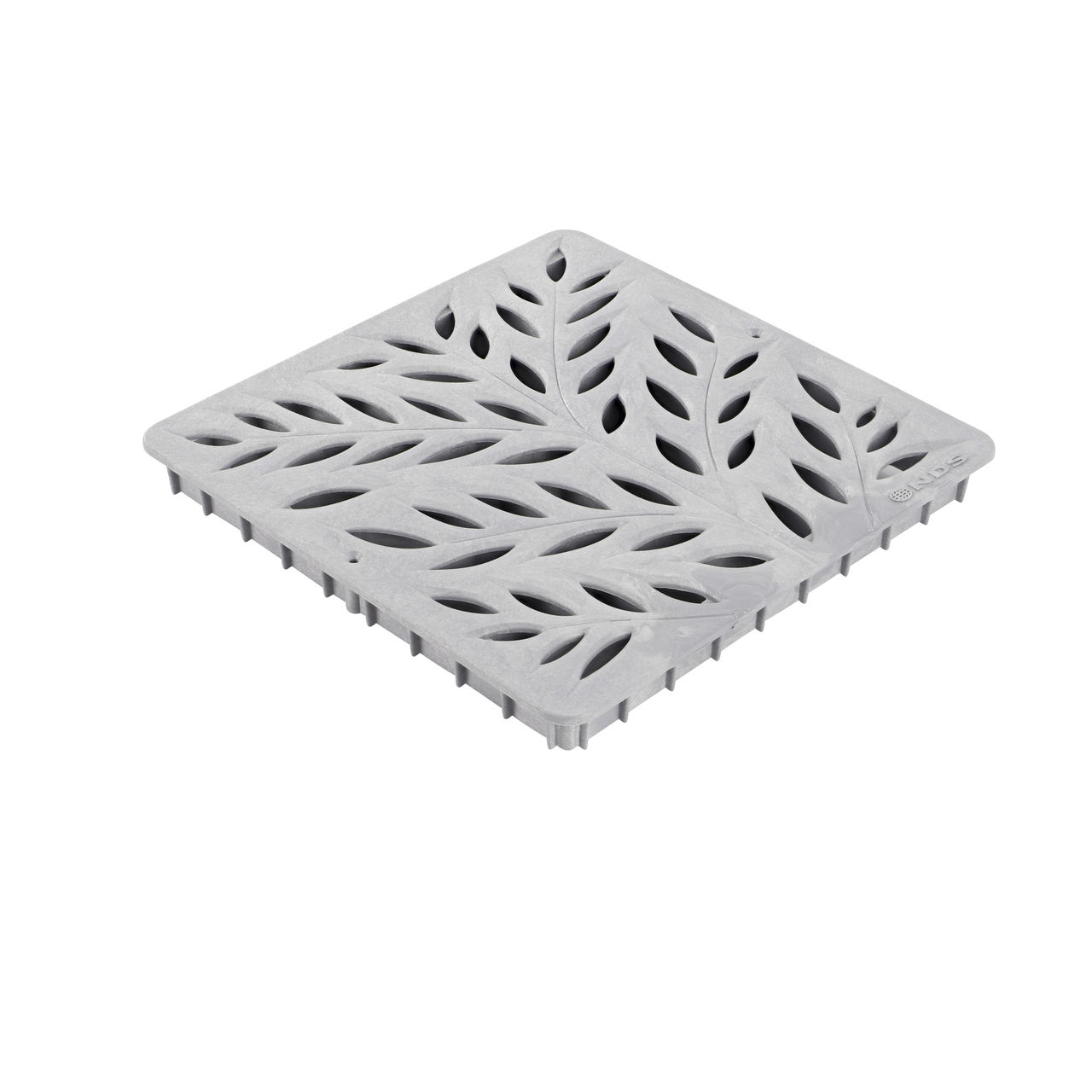
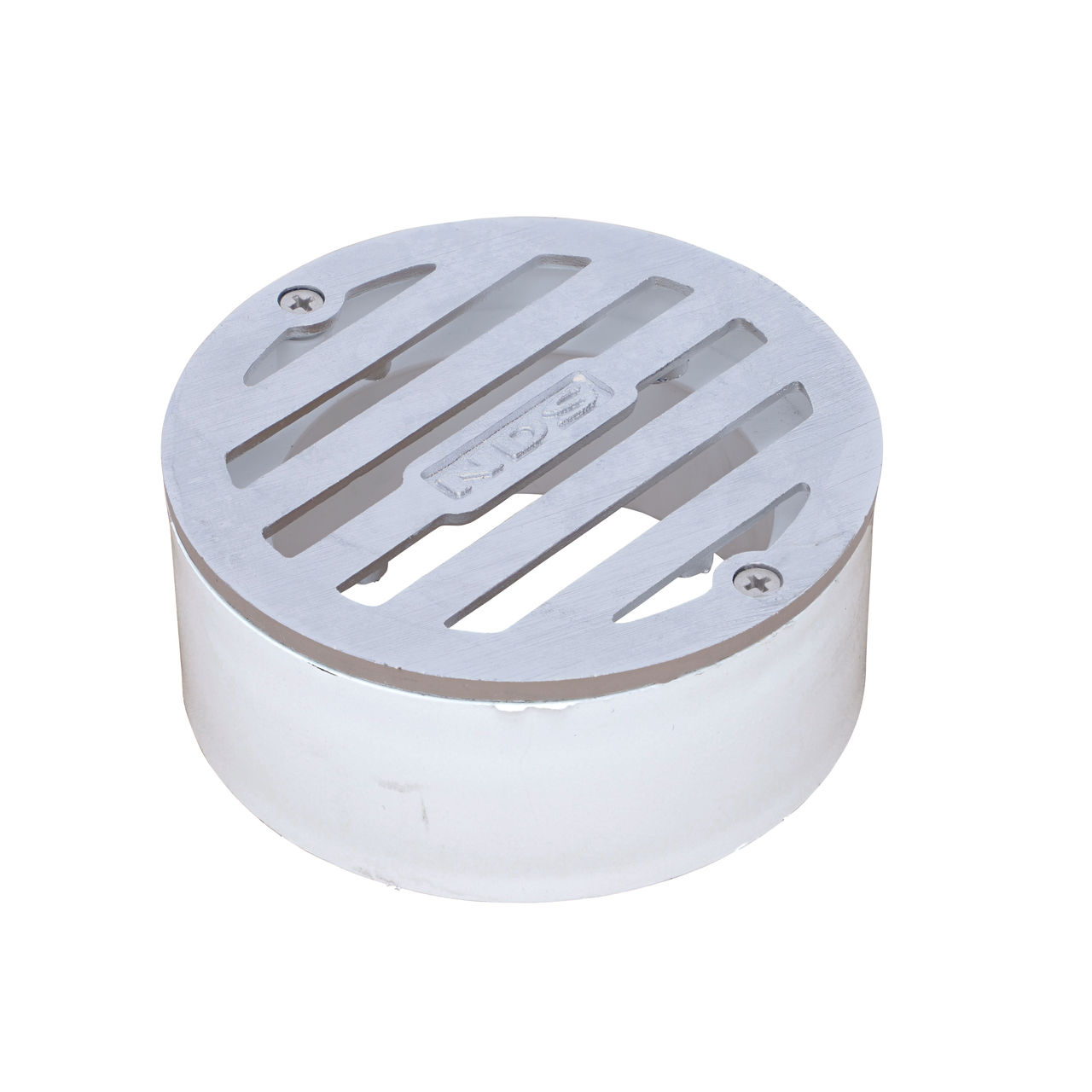
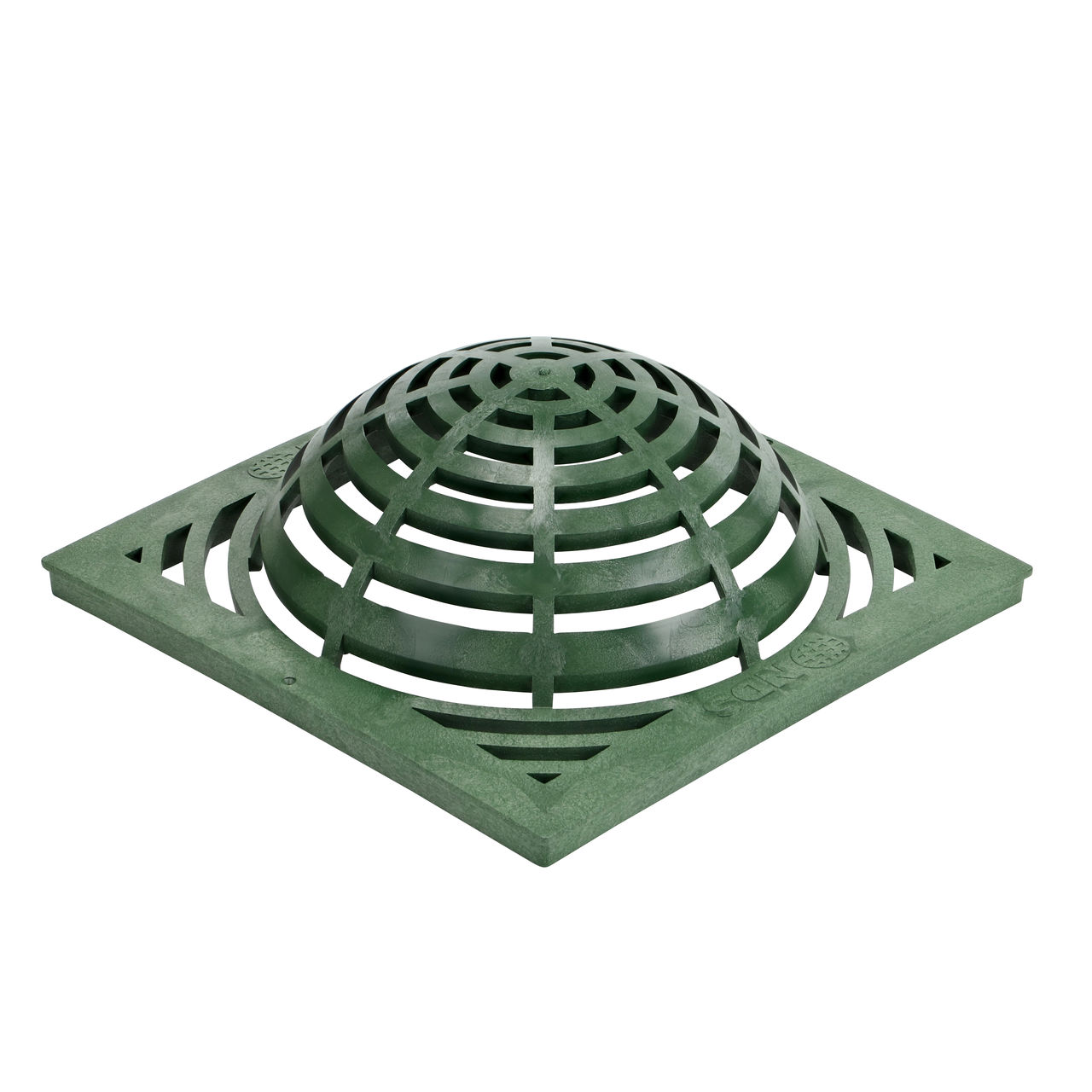
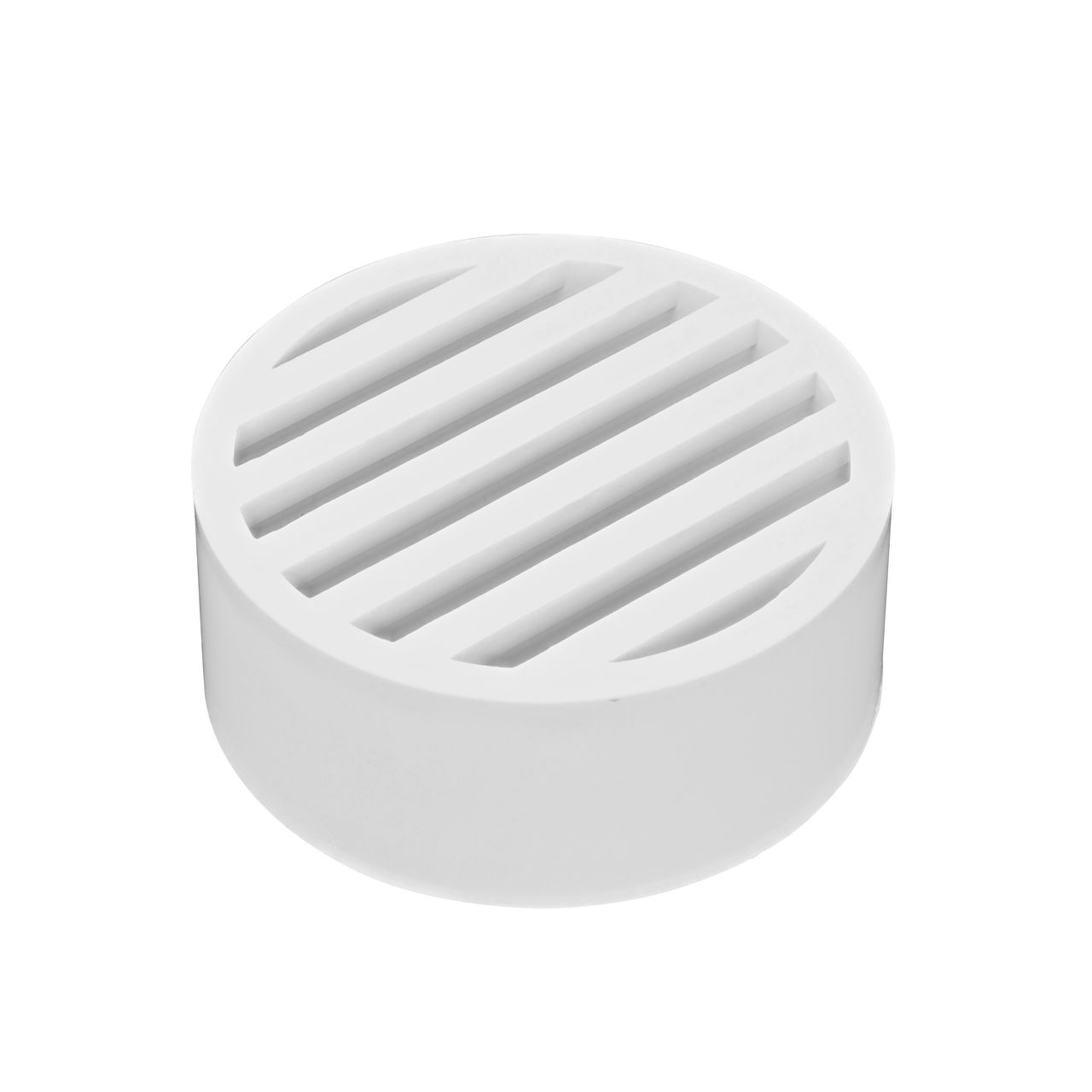
- Gutters, catch basins, channel drains, and inlets that capture rainfall from rooftops, streets, and parking lots.
Conveyance systems
-
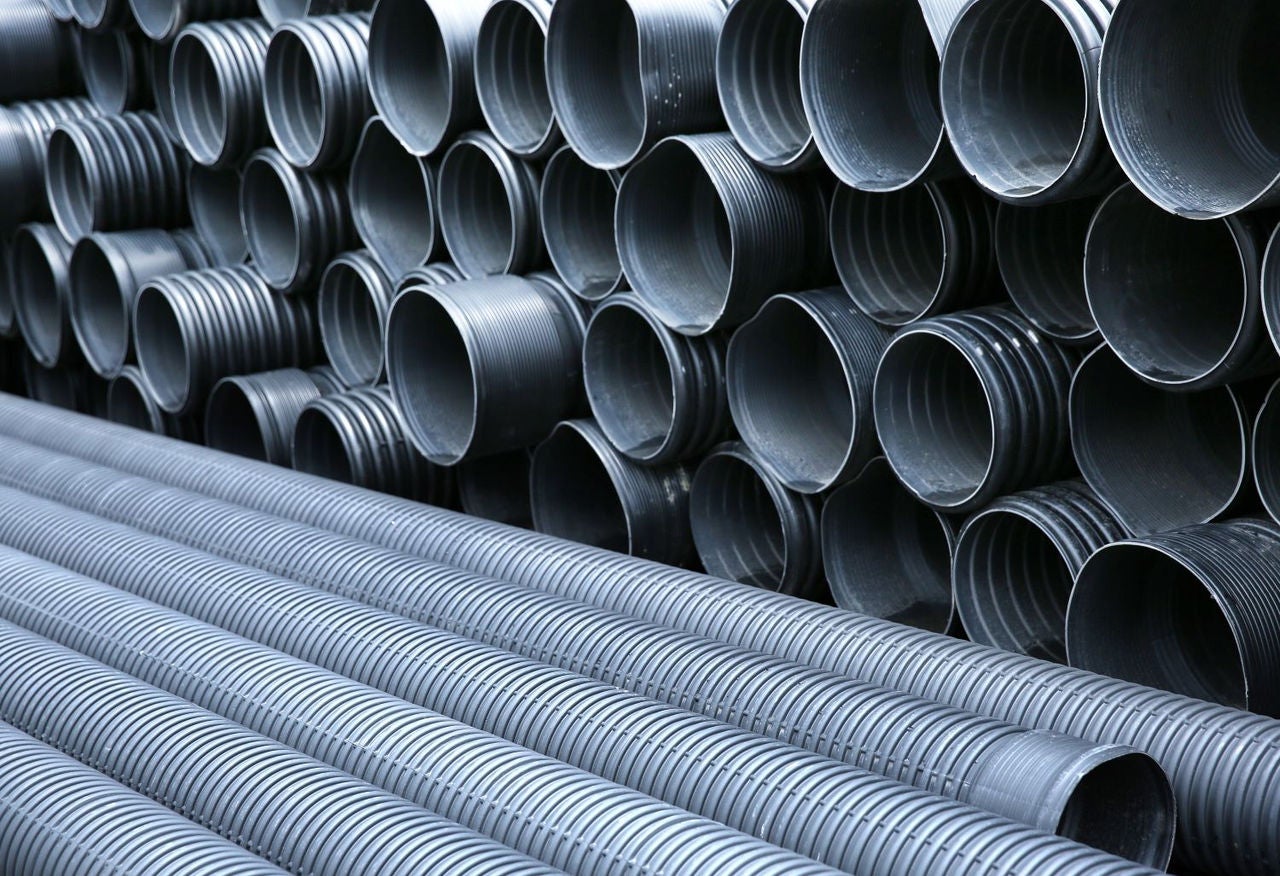
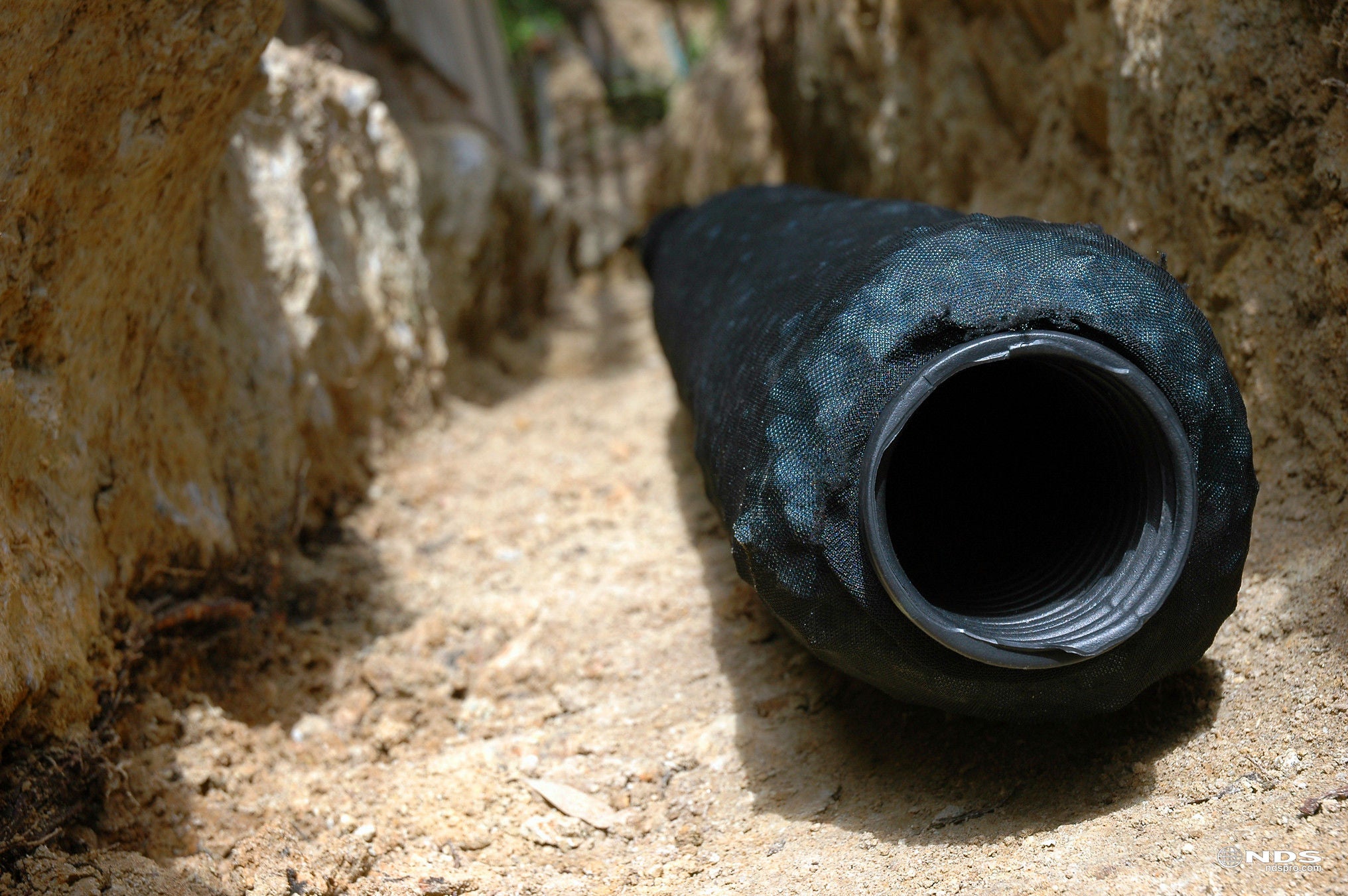
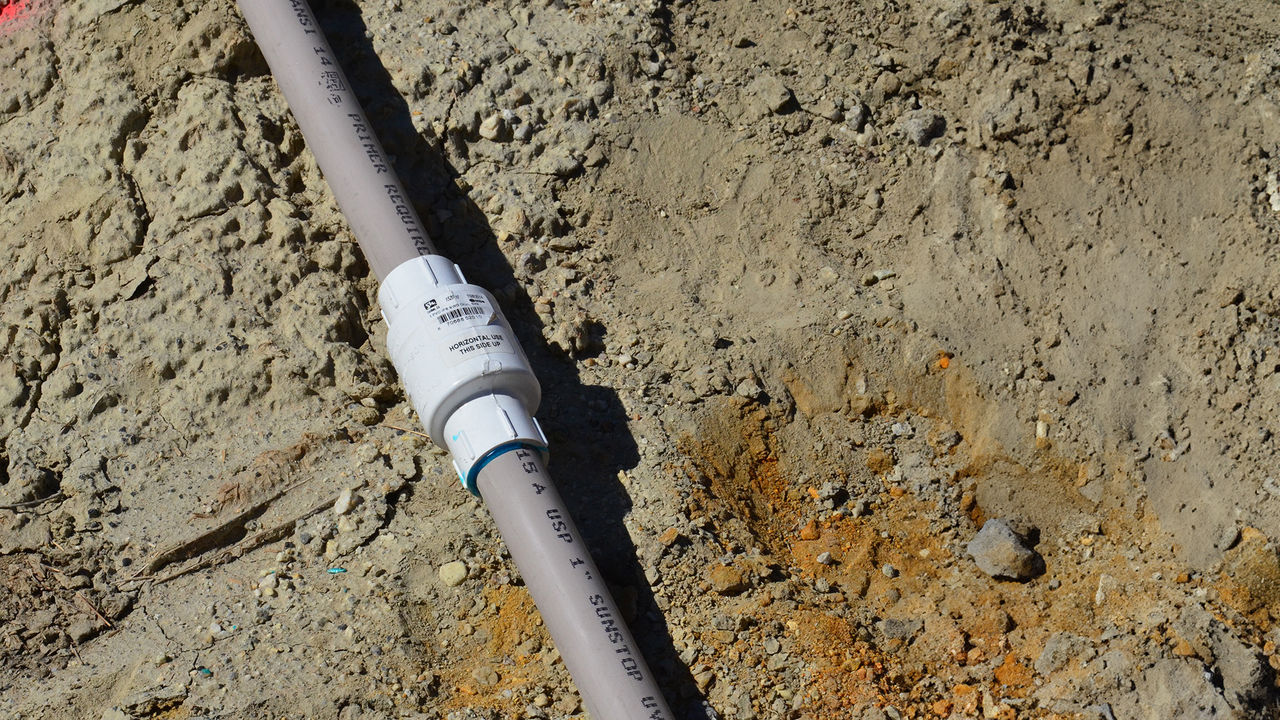
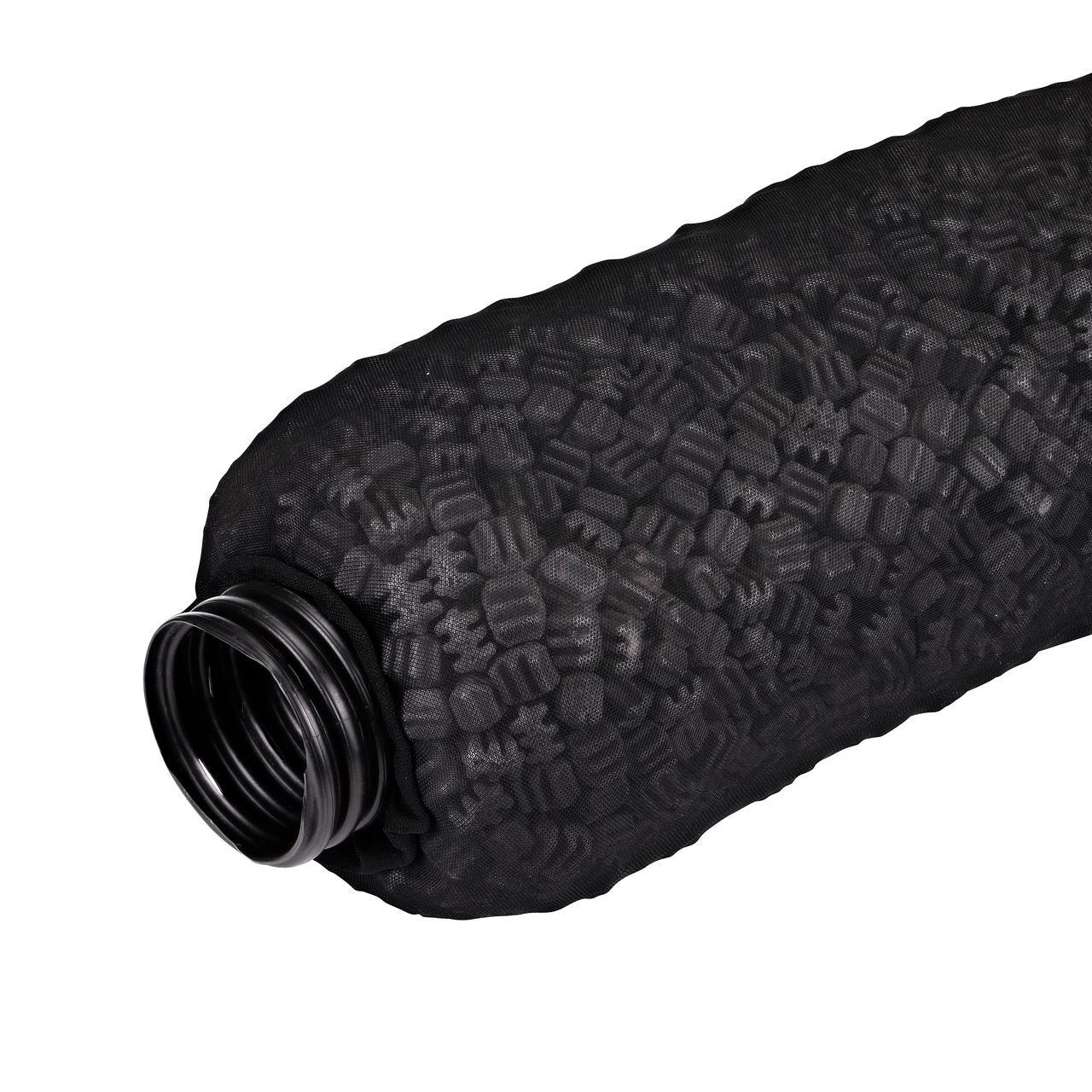
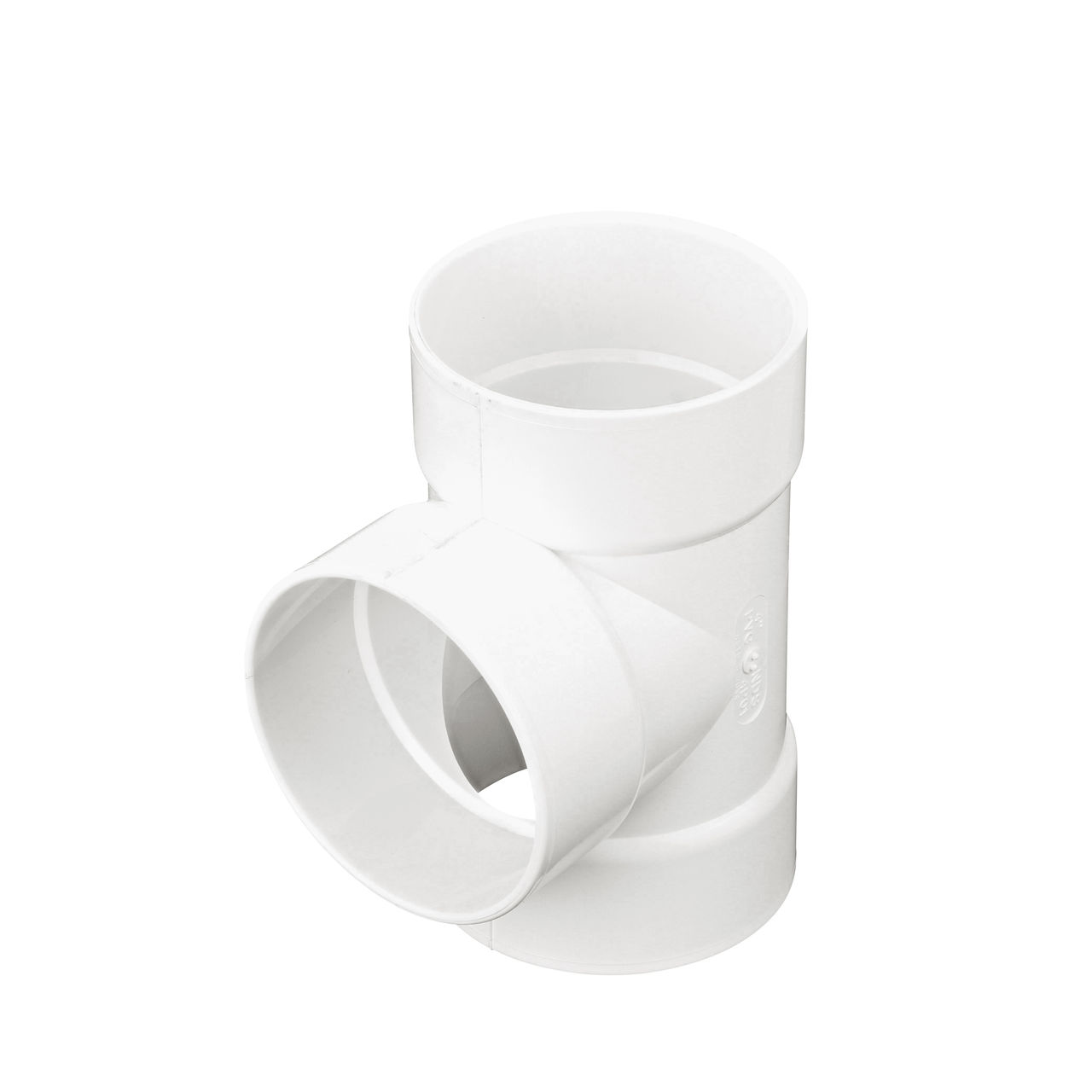
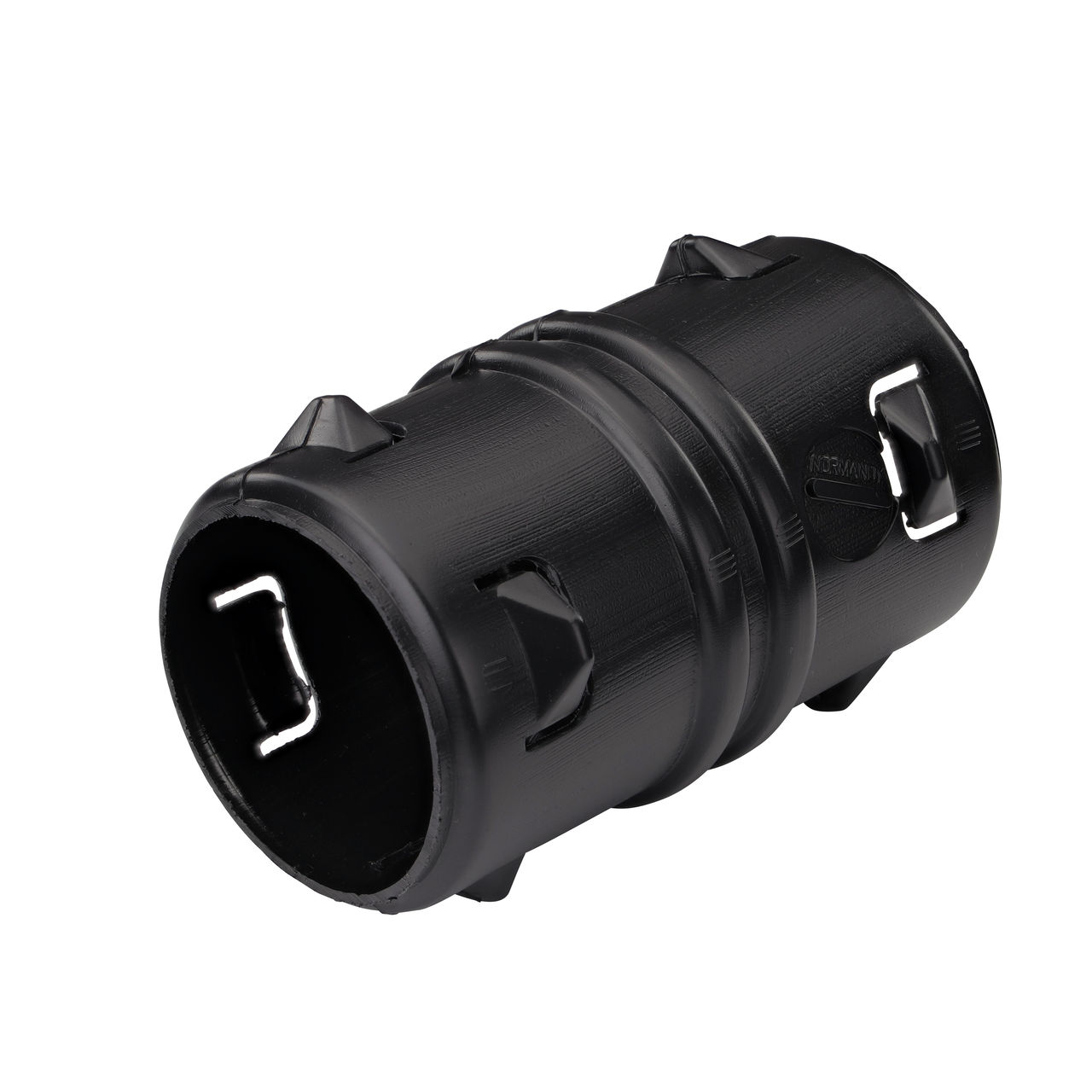
Pipes, open channels, and culverts that move stormwater safely to treatment or storage facilities.
Treatment systems
-
Filters, wetlands, and sediment basins that remove pollutants such as oil, chemicals, and trash before water reaches rivers or lakes.
Storage facilities
-
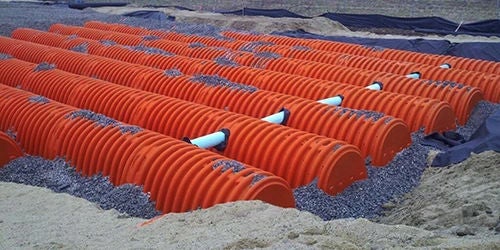
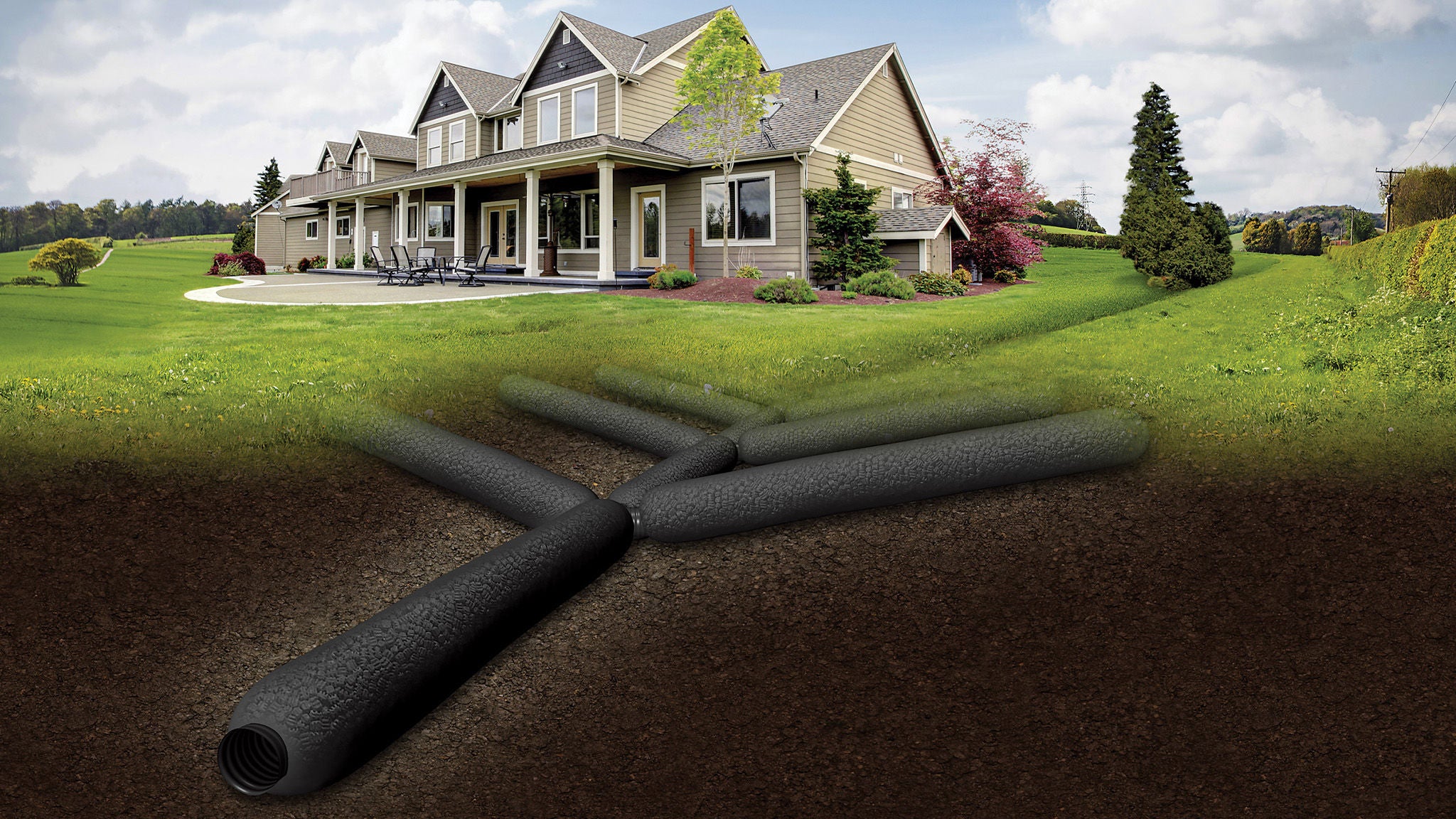
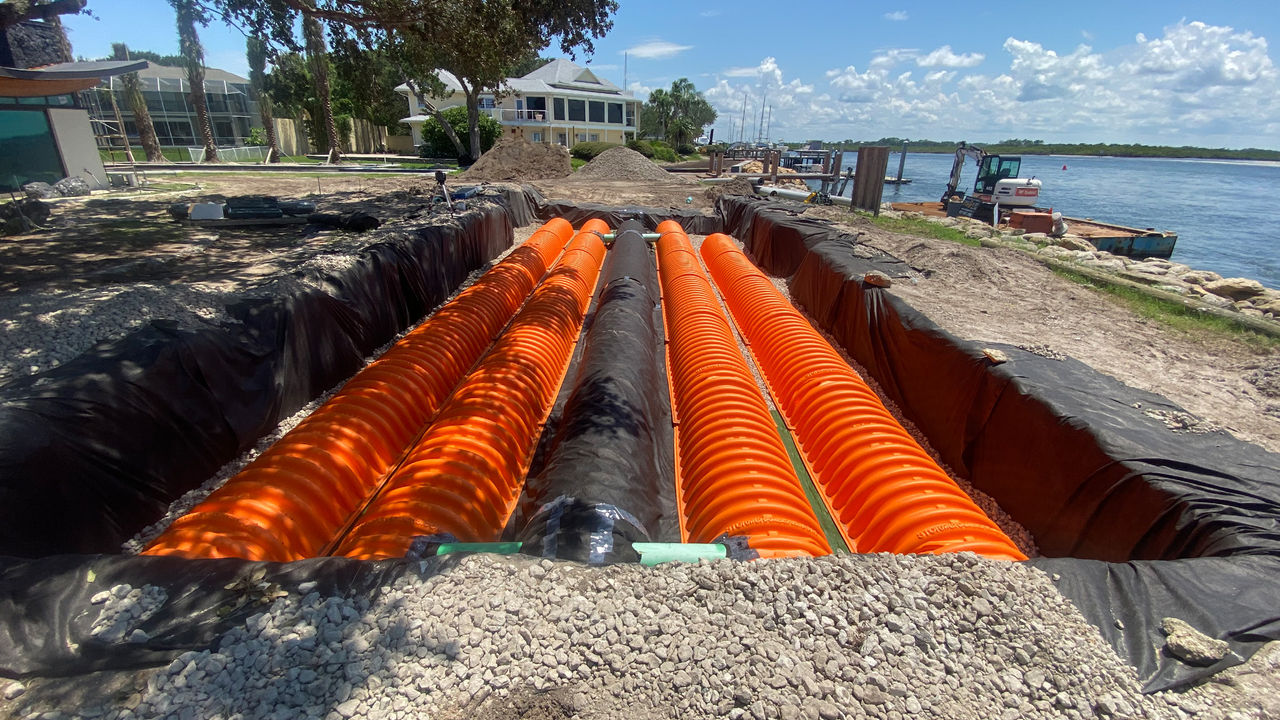
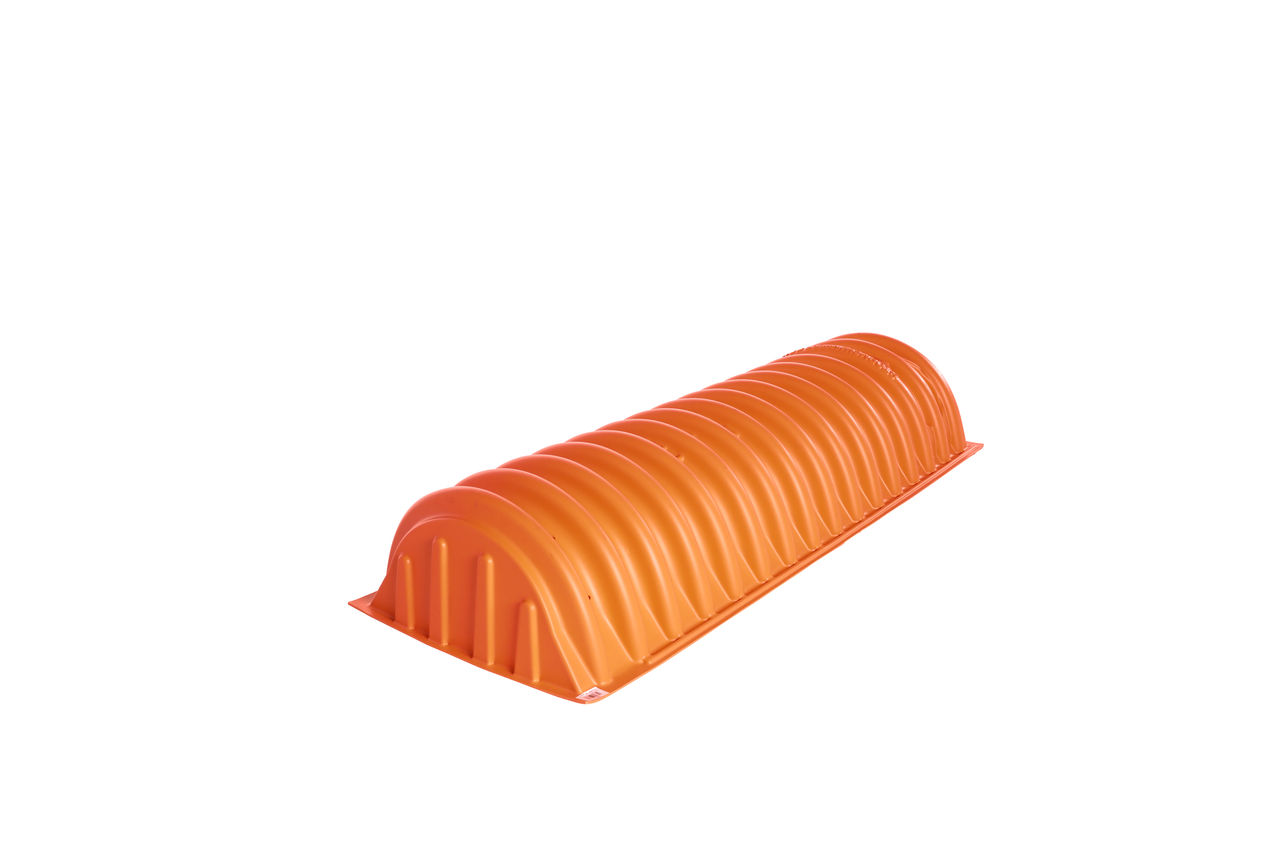
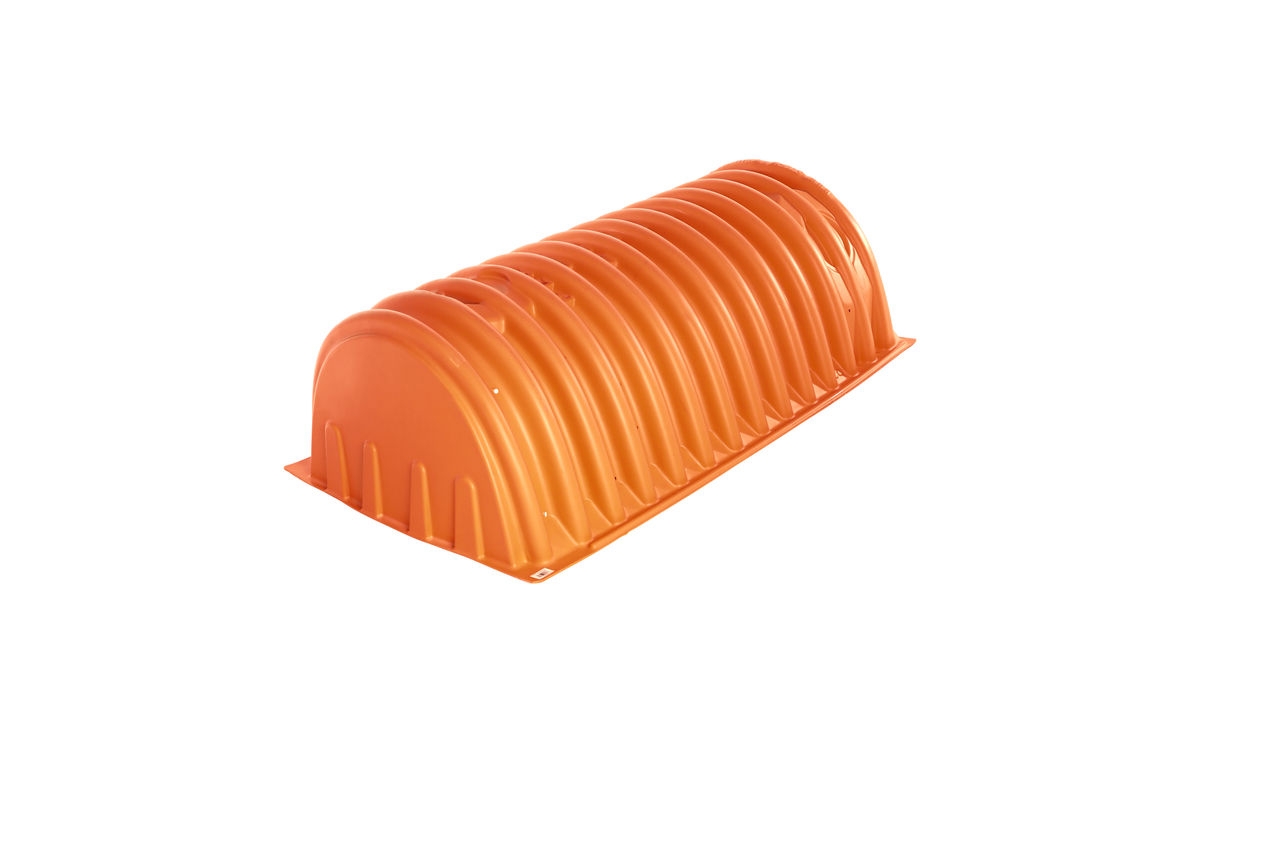
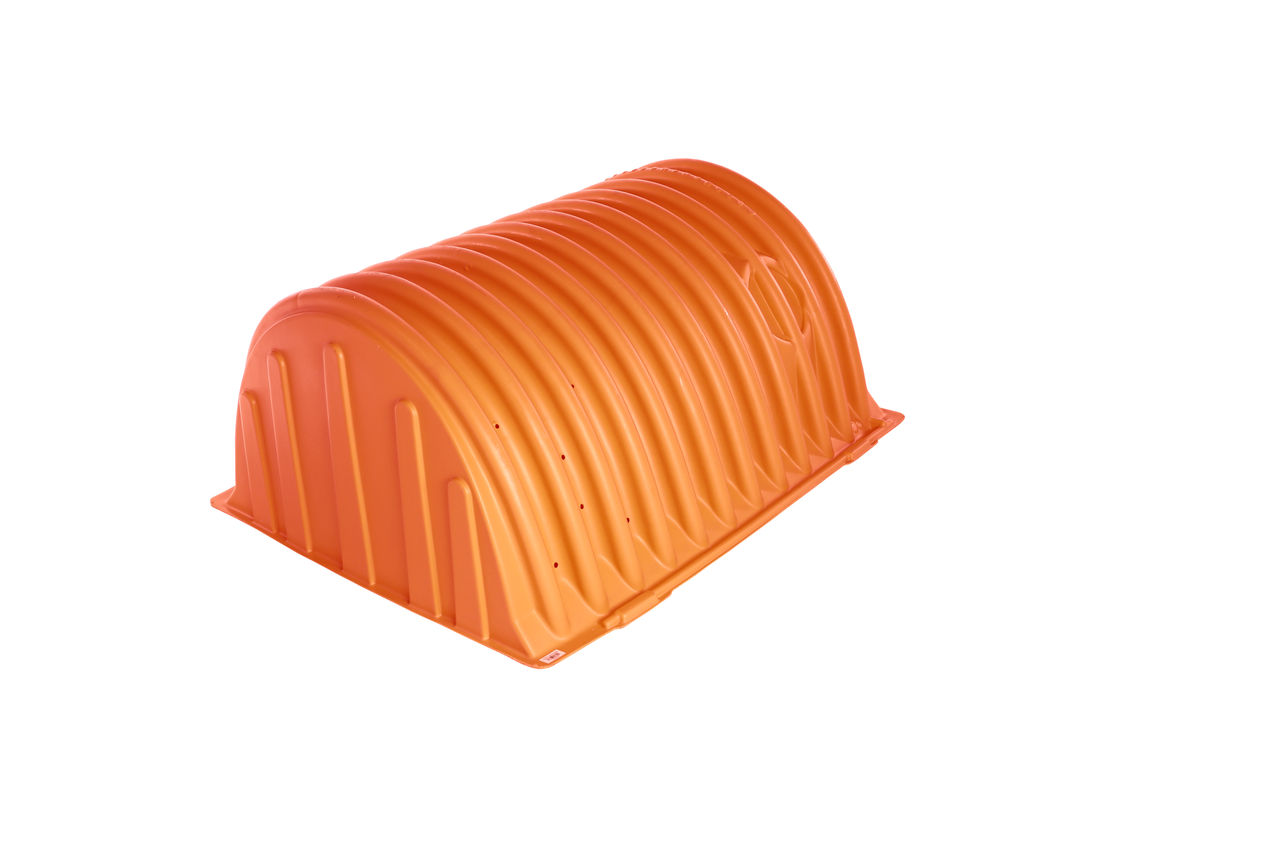
Detention ponds, underground tanks, retention basins, and storm chambers that temporarily hold water, releasing it slowly to prevent flooding and recharge groundwater.
Importance of managing stormwater effectively
-
Protects public safety and infrastructure: Helps prevent streets, homes, and businesses from being damaged by uncontrolled runoff.
-
Reduces water contamination: Helps capture and treat runoff before it pollutes rivers, lakes, and coastal waters.
-
Maintains ecological balance: Helps sustain wetlands, streams, and habitats that depend on steady, clean water flow.

Key benefits of stormwater management
Pooling prevention and control
By slowing and redirecting runoff, stormwater management systems reduce the risk of water pooling that can endanger property and lives.
Water quality improvement
Treatment features such as wetlands, sand filters, or swales help:
-
Remove oils, fertilizers, and heavy metals.
-
Filter out sediment and debris.
-
Protect drinking water sources and recreational waters from contamination.
Habitat preservation and biodiversity
Healthy stormwater management supports aquatic and riparian ecosystems, maintaining the balance needed for fish, amphibians, birds, and other wildlife.
Groundwater recharge
Infiltration basins and permeable surfaces allow stormwater to soak into the soil, replenishing aquifers that provide long-term water supply.
Regulatory compliance
A well-designed stormwater management plan ensures communities meet local, state, and federal regulatory requirements such as MS4 (Municipal Separate Storm Sewer System) permits in the United States. This helps avoid penalties while promoting sustainable growth.
Common stormwater management practices
Best management practices (BMPs)
BMPs are strategies used to minimize runoff impacts such as:
-
Structural BMPs: detention ponds, infiltration basins, vegetated swales, channel drains
-
Non-structural BMPs: zoning rules that limit impervious surfaces, public education campaigns, and pollution prevention programs
Green infrastructure solutions
-
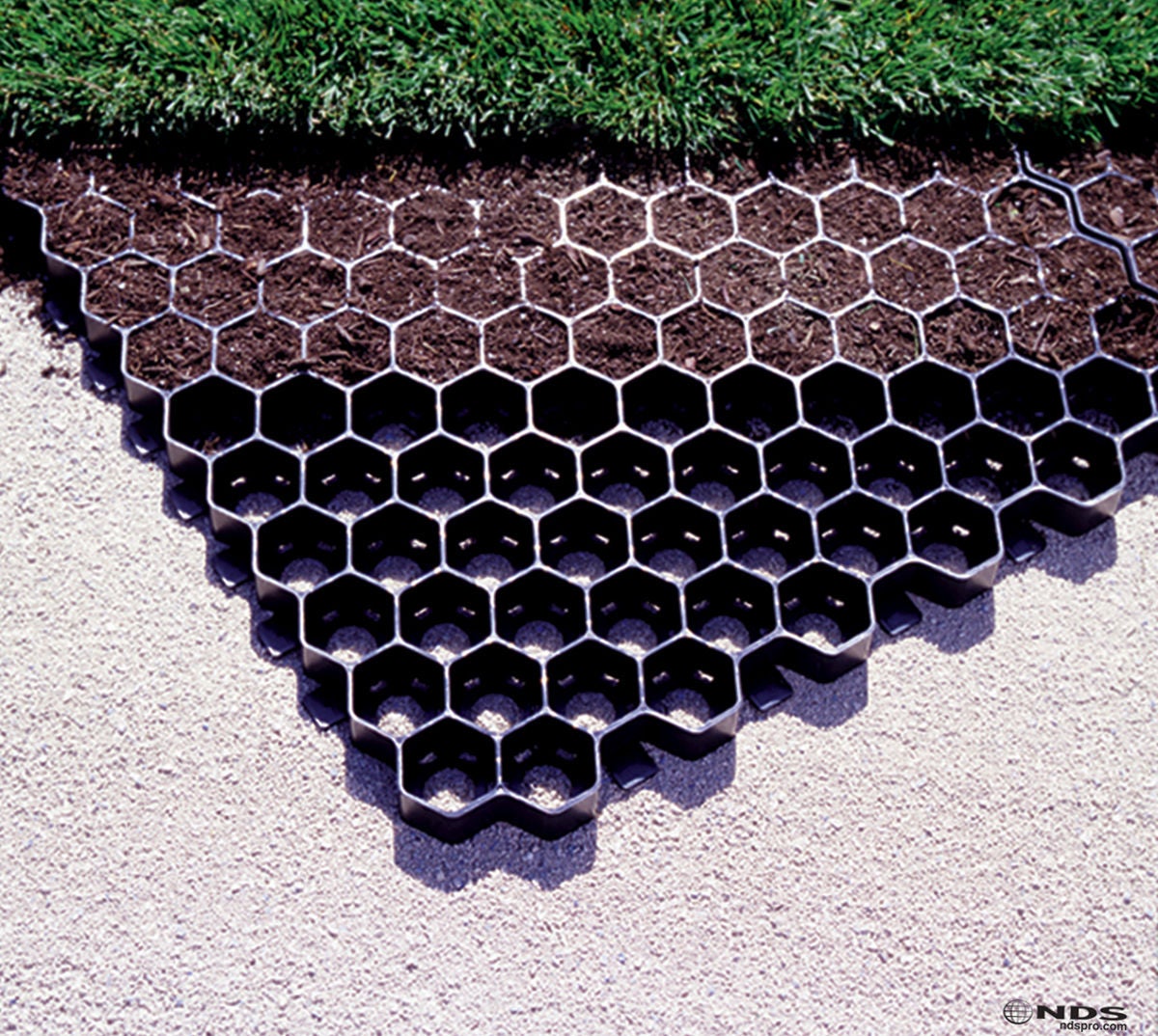
Permeable pavements: solutions such as permeable pavers that allow water to seep through roads and sidewalks
-
Rain gardens and bioswales: landscaped depressions that absorb and filter runoff
-
Green roofs and urban tree canopies: capture rainwater, cool cities, and slow runoff
Retention and detention basins
-
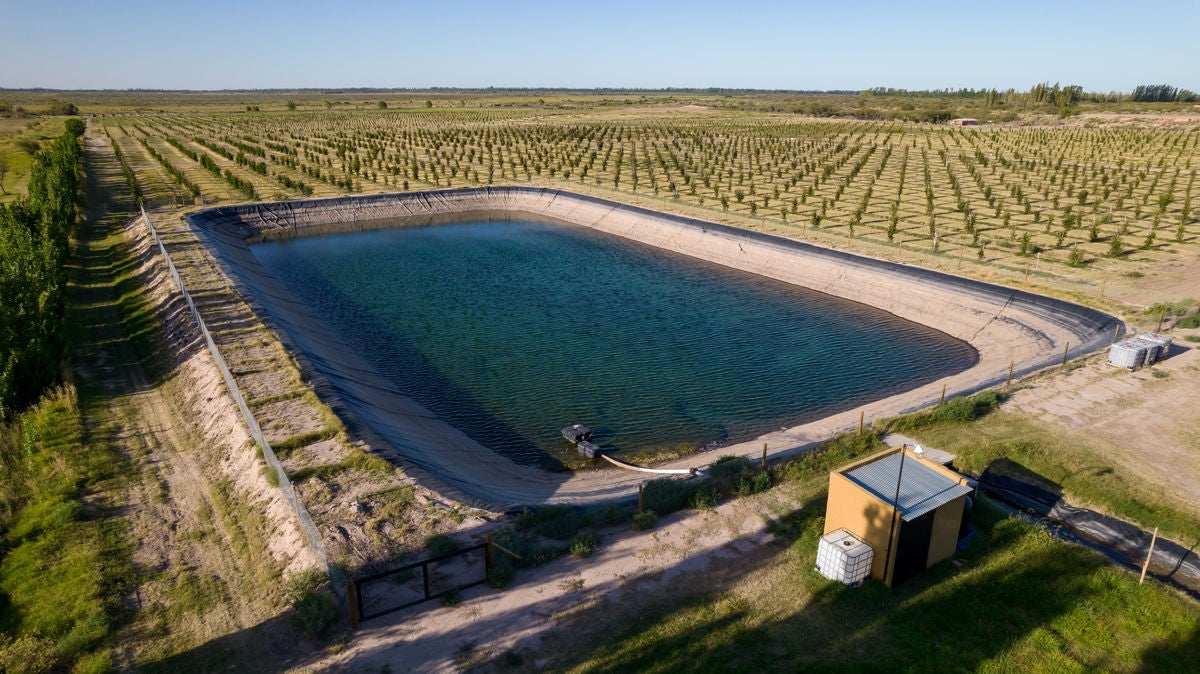
Retention basins hold water permanently, creating ponds that improve water quality
-
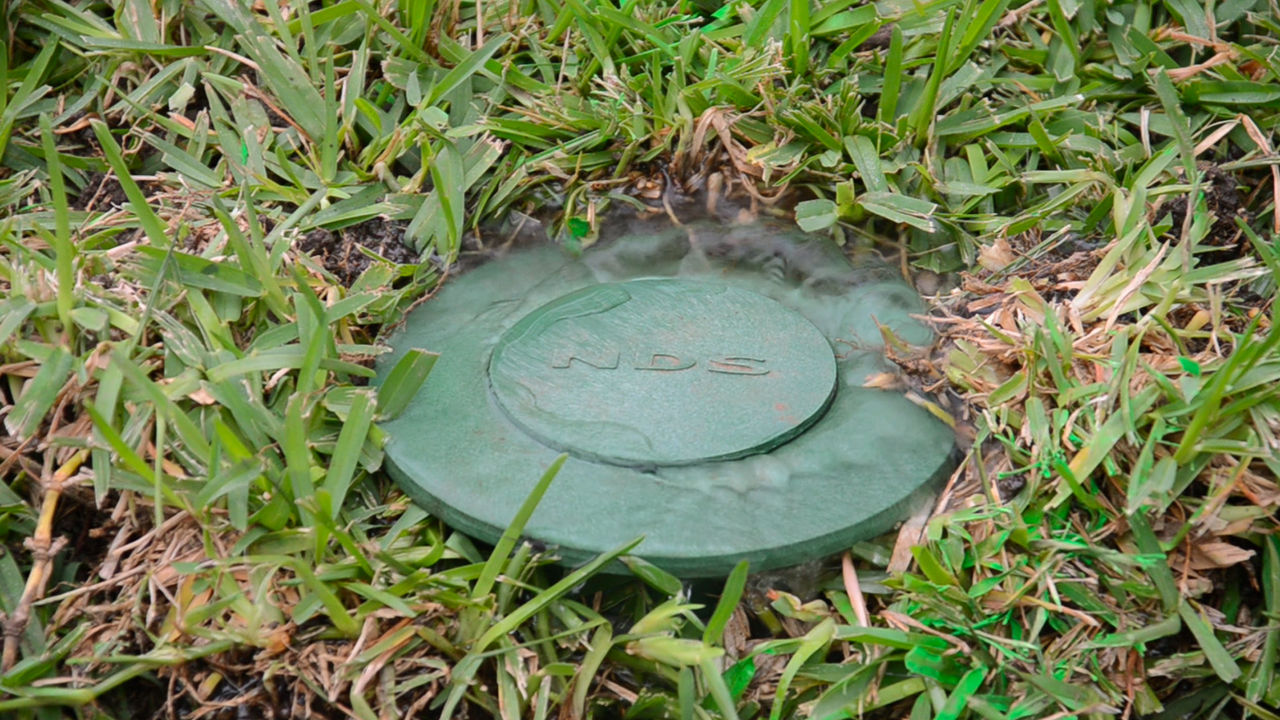
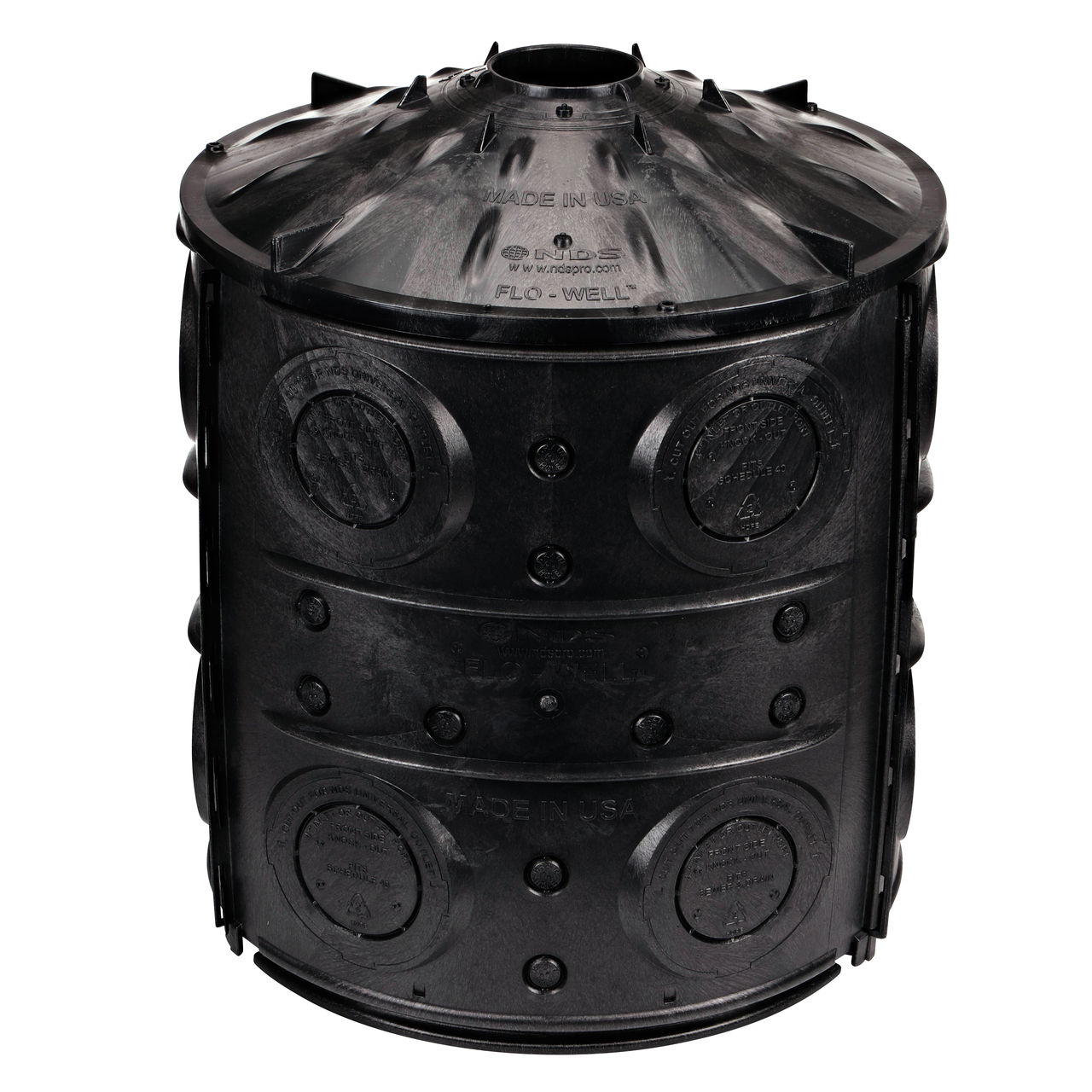
Detention basins such as dry wells store water temporarily, releasing it slowly to reduce peak runoff
Low impact development (LID)
LID emphasizes site design techniques that mimic natural hydrology, such as:
-
Cluster developments that preserve open space
-
Reduced impervious surfaces to increase infiltration
Challenges in stormwater management
Urbanization and its impact
More pavement and rooftops mean less natural infiltration, leading to larger volumes of runoff that strain existing systems.
Climate change effects
-
More frequent and intense storms create higher runoff volumes.
-
Rising sea levels complicate stormwater systems in coastal areas.
Aging infrastructure
Many cities rely on stormwater pipes and culverts installed decades ago. These older systems may be undersized or deteriorating, requiring costly upgrades.
Regulatory and compliance issues
Municipalities must meet stormwater discharge permits and balance environmental requirements with urban development needs.
Public awareness and engagement
Effective stormwater management depends on community participation. Educating residents about proper disposal of waste, reducing chemical use on lawns, and maintaining private drainage structures is essential.
Emerging trends and innovations
Smart stormwater systems
New technologies use real-time sensors to track water levels, flow rates, and pollutant loads. Data-driven monitoring improves decision-making and reduces maintenance costs.
Nature-based solutions
Communities are restoring wetlands, daylighting buried streams, and creating floodplains to manage water naturally.
Integrated water management
Stormwater management is increasingly linked with drinking water supply, wastewater treatment, and irrigation systems. This holistic approach improves resilience and efficiency.
Public-private partnerships
Collaborative funding and maintenance models bring together government agencies, developers, and community organizations to share responsibility and cost.
Frequently asked questions about stormwater management
What is stormwater management?
Stormwater management is the practice of collecting, conveying, treating, and storing runoff from rainfall or snowmelt to reduce water pooling and protect water quality.
What is a stormwater management system?
A stormwater management system is the network of capture devices, gutters, pipes, basins, wetlands, and storage facilities that handle runoff from the point it falls to where it is released or infiltrated.
What is a stormwater management plan?
A stormwater management plan is a detailed document outlining the strategies, designs, and practices a community or development will use to control runoff, reduce pollution, and comply with regulations.
Why is stormwater management important?
It protects public safety, prevents property damage, reduces pollution in natural waters, supports ecosystems, and ensures compliance with water quality regulations.
Conclusion: stormwater management for property protection and environmental health
A strong stormwater management plan can help with damage prevention, water quality protection, habitat conservation, and regulatory compliance. By combining traditional practices with innovative solutions, stormwater management systems can handle today’s challenges while preparing for future ones.
Whether through green infrastructure, smart technology, or community engagement, effective stormwater management ensures cleaner waterways, safer neighborhoods, and sustainable growth. You can learn more about our stormwater solutions at ndspro.com.