


Get Ahead of El Niño: Help Homeowners Fix Drainage Issues Now
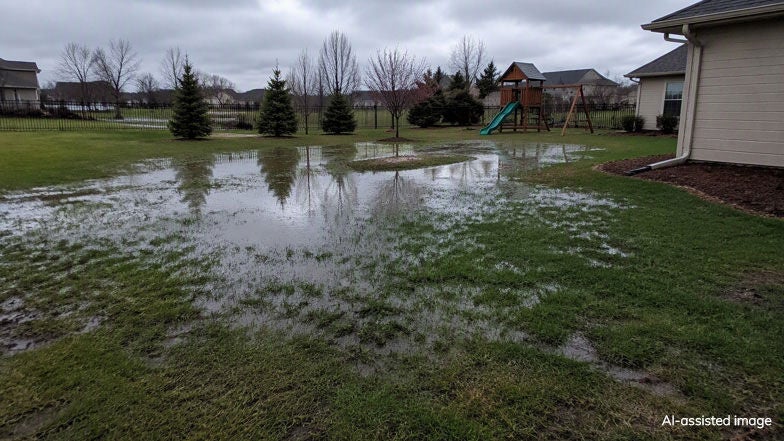
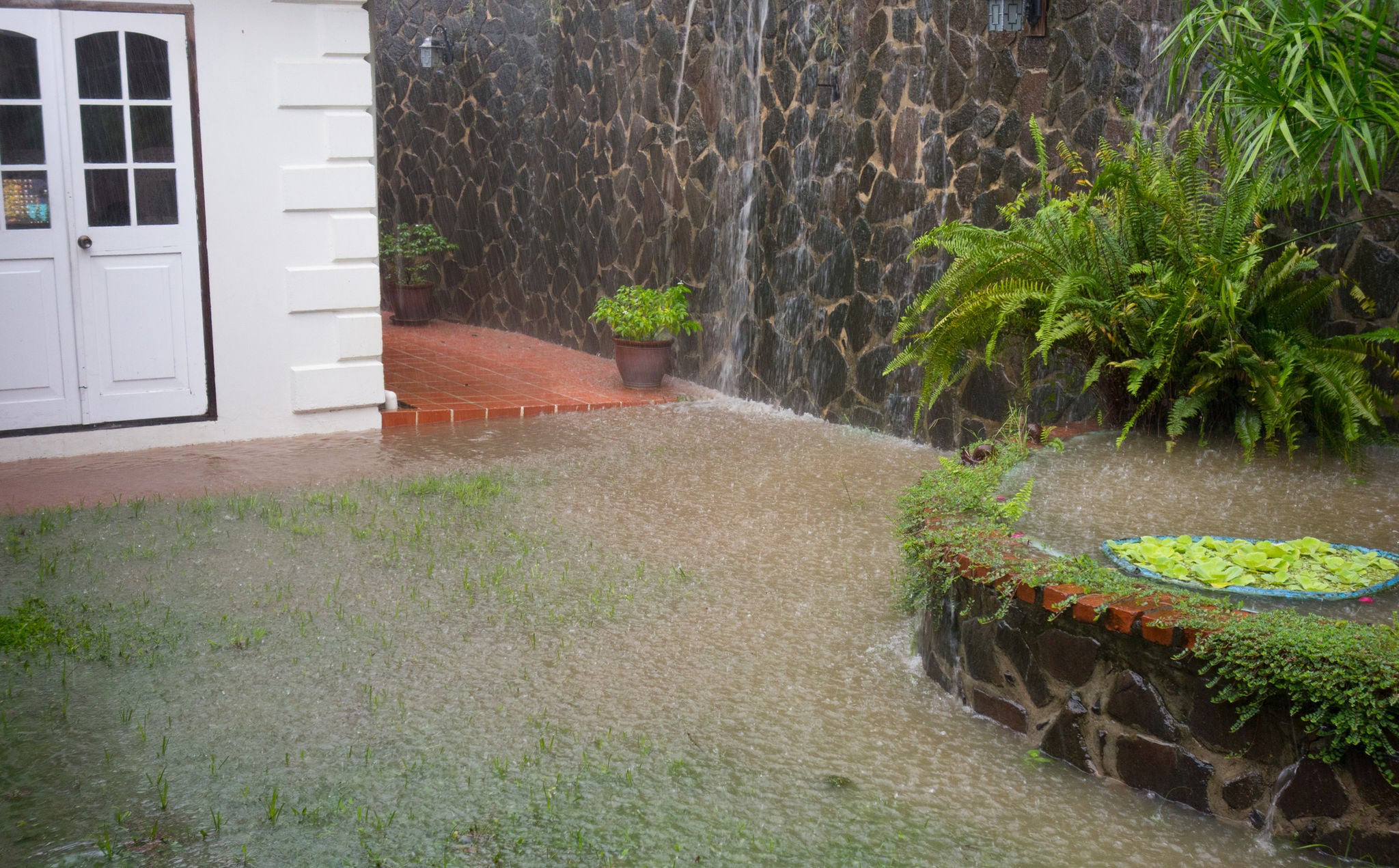
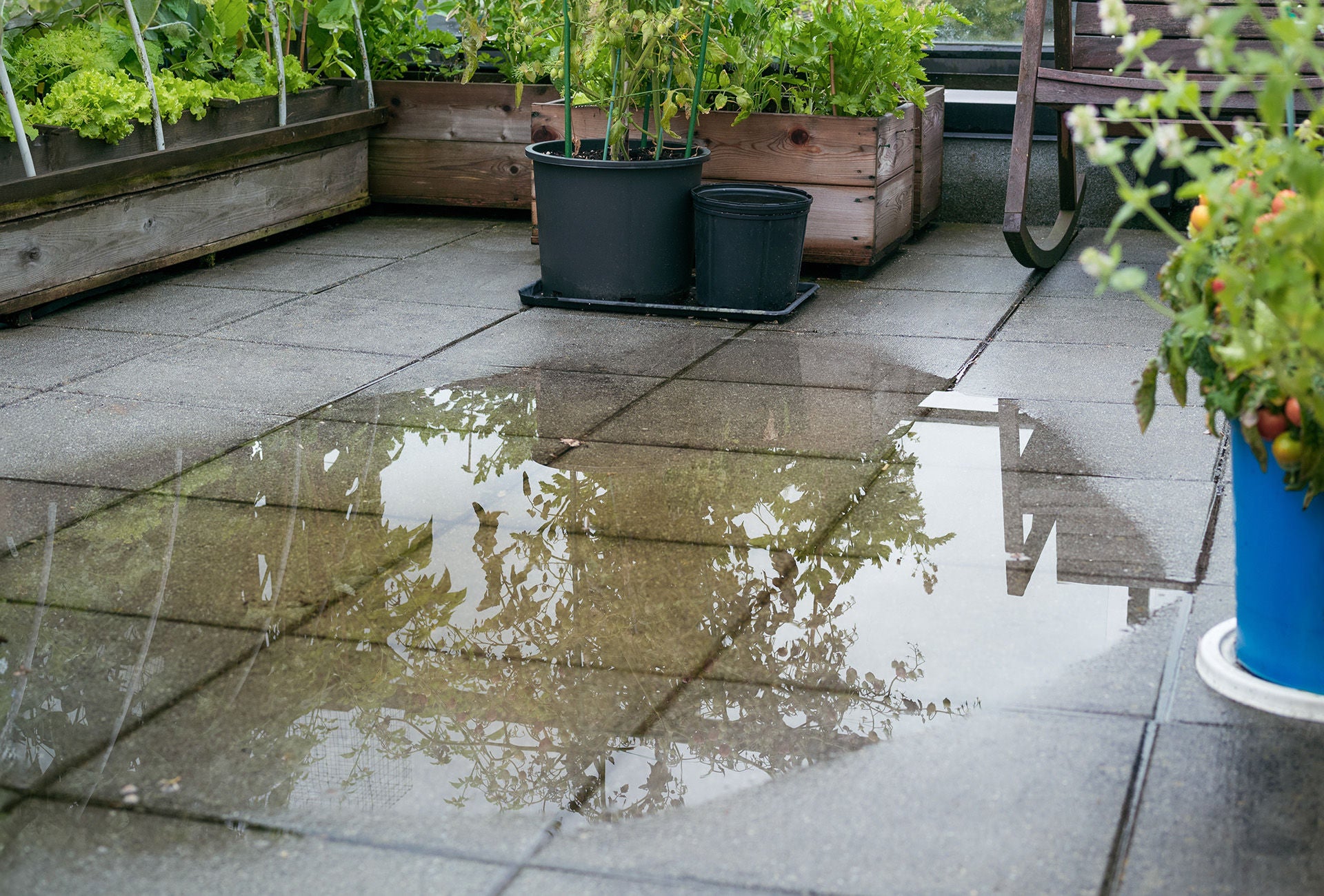
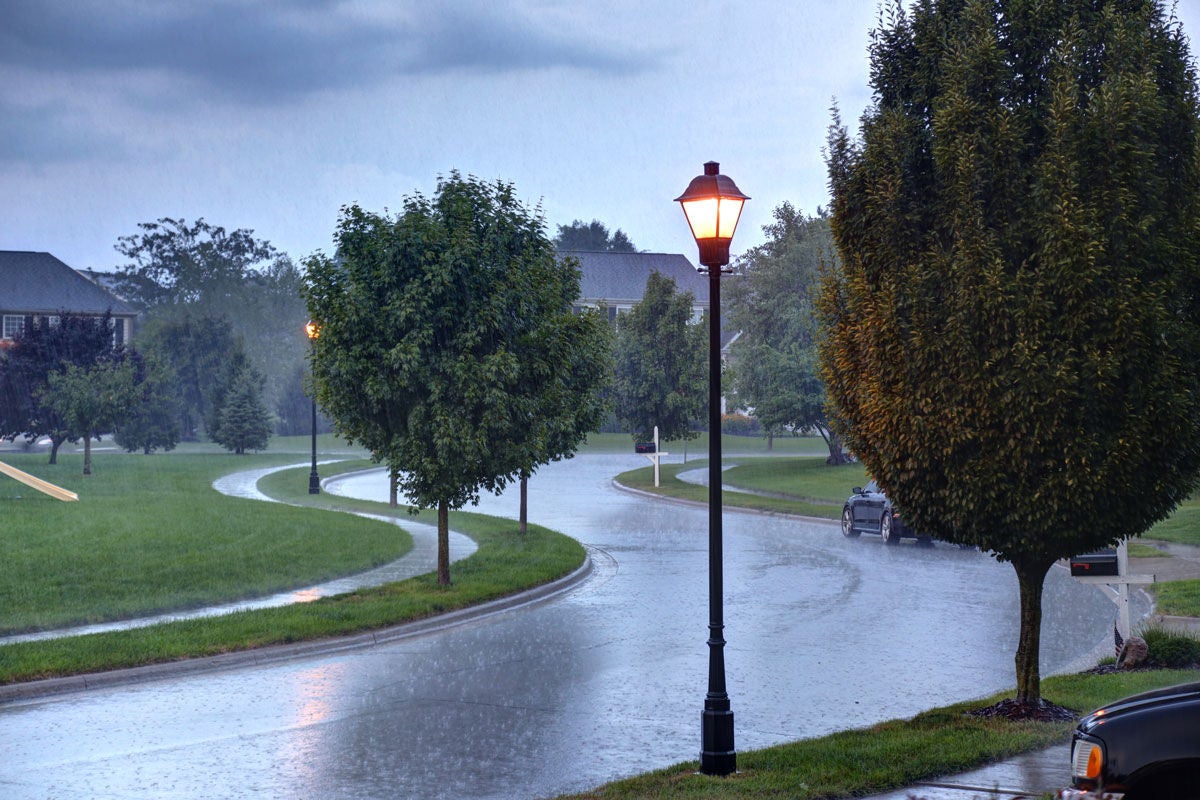
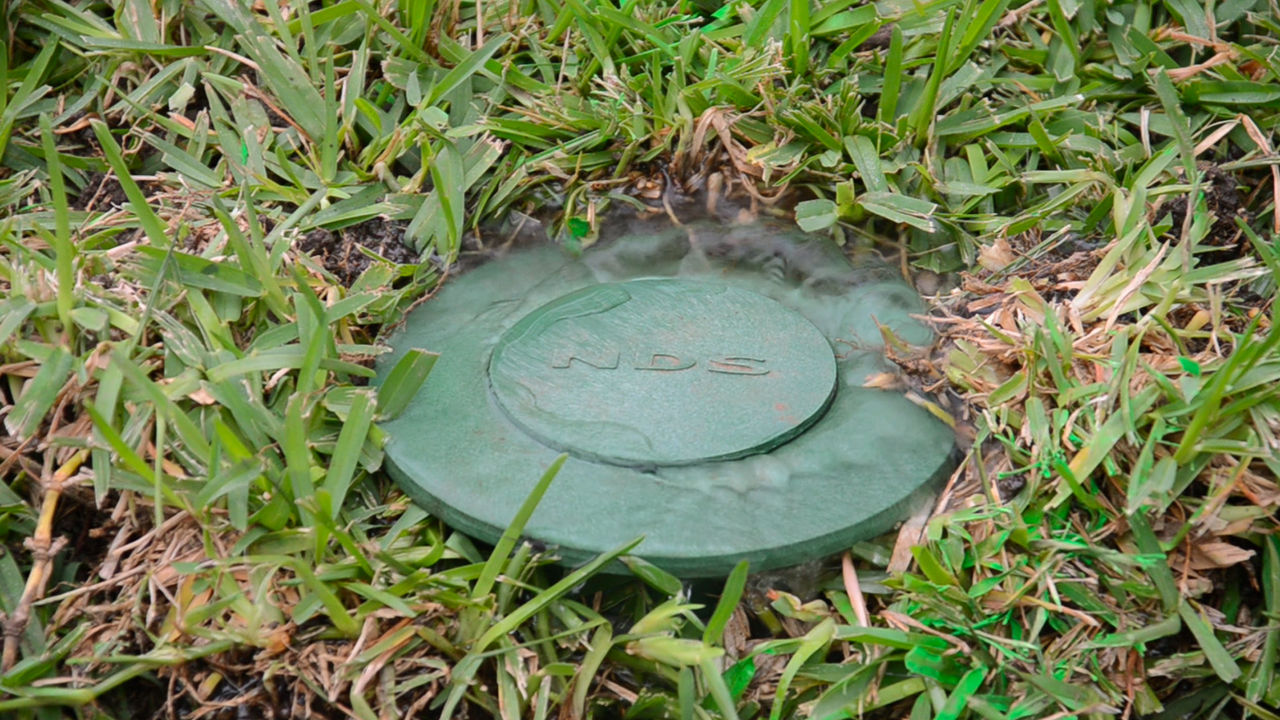
Water that lingers 24 hours after rain is a sign of drainage problems
El Niño typically brings wetter-than-normal winter conditions to parts of the United States. These heavy, prolonged rains can intensify drainage problems for many homeowners—and lead to a surge in calls to contractors like you.
This contractor's guide covers how to get ahead of the increased demand and help homeowners address their drainage challenges before the rain hits. It includes best practices for identifying potential stormwater problems, discussing drainage issues with homeowners, and designing effective solutions so you can position yourself as a trusted professional for El Niño drainage projects.
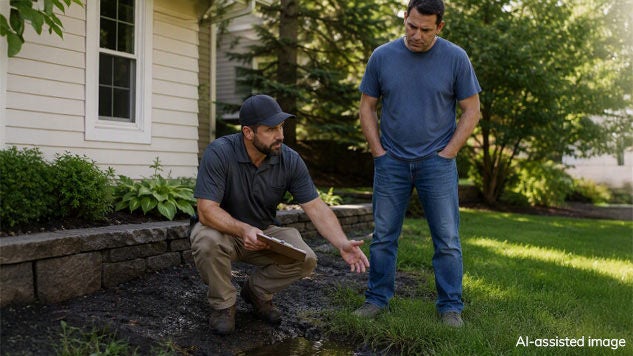
Add drainage services to your current projects
Discussing El Niño drainage concerns with your clients doesn't necessarily require a separate call. When you're on site for renovation projects or routine maintenance, you can help your clients get storm-ready by pointing out potential problems and proposing proactive water management solutions. Homeowners are often receptive to addressing issues that are discovered when other work is already in progress on their property.
Helping your clients prepare proactively instead of reacting to storm damage can build trust, earn repeat business, and lead to more referrals. It also means you can plan your time strategically, avoid scrambling to fit in emergency repairs, and work comfortably while the ground is dry.
PRO TIP: Remind your clients that the best time for addressing drainage is before storm season arrives and the damage has already been done. Planned work is often less disruptive than emergency repairs or rushed jobs and dry weather makes it easier for projects to stay on schedule.

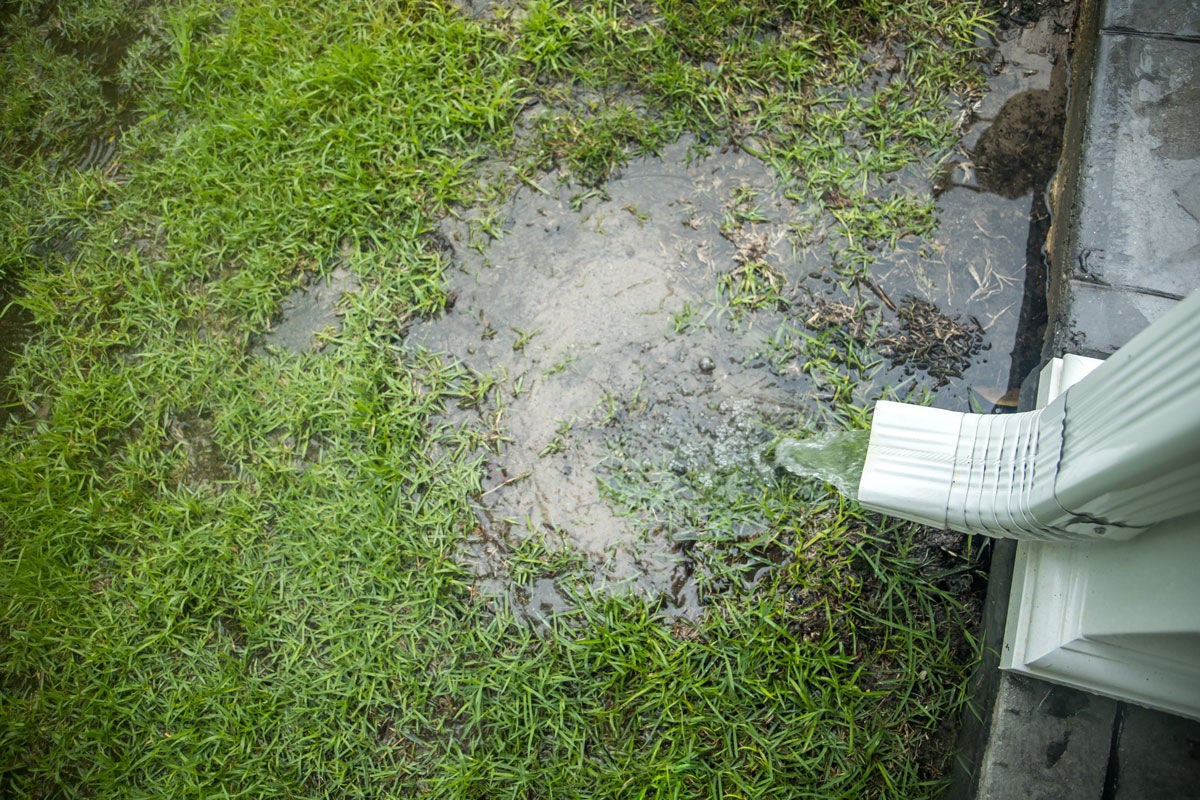
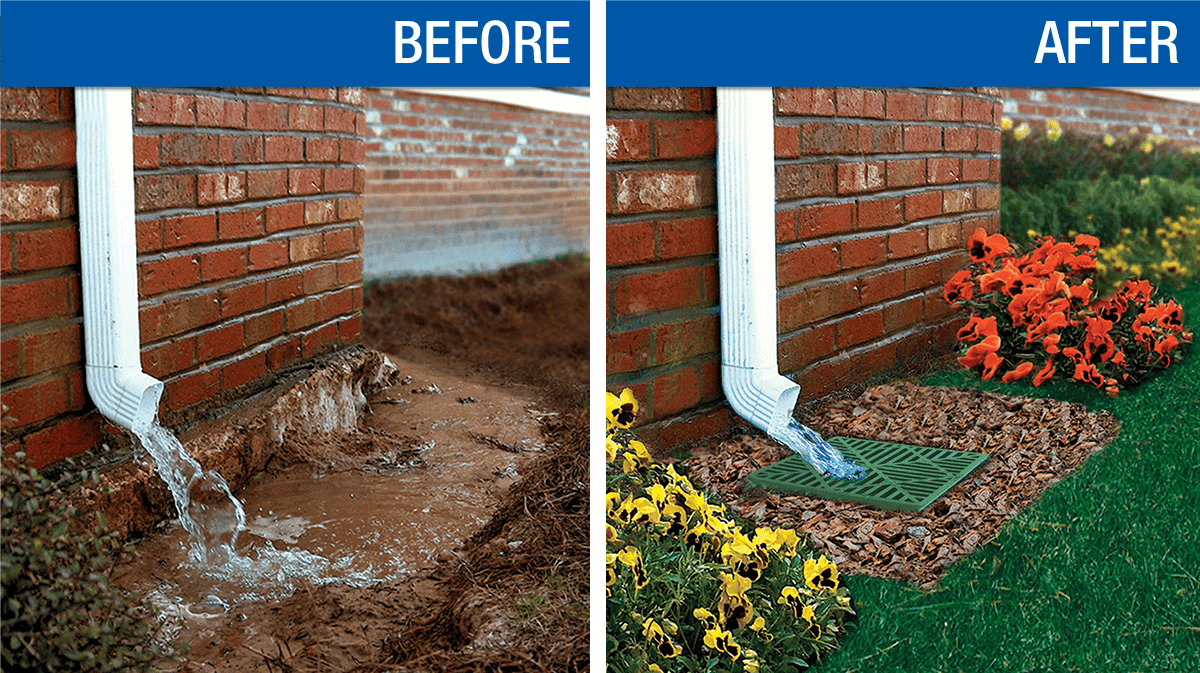
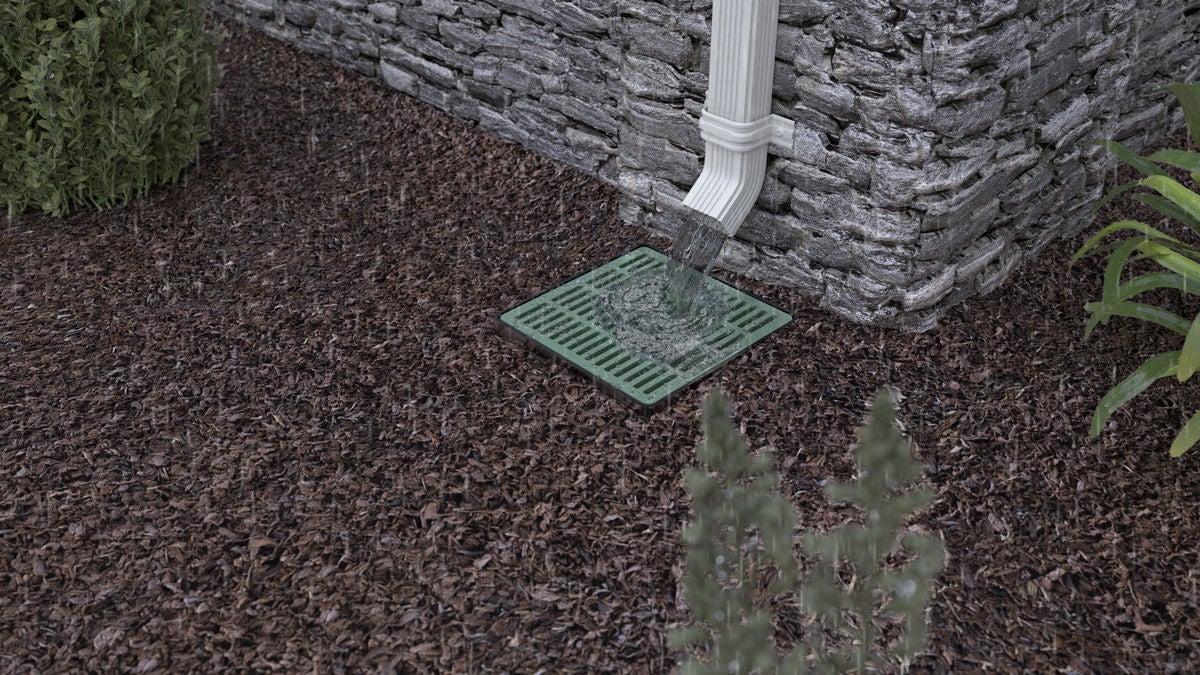
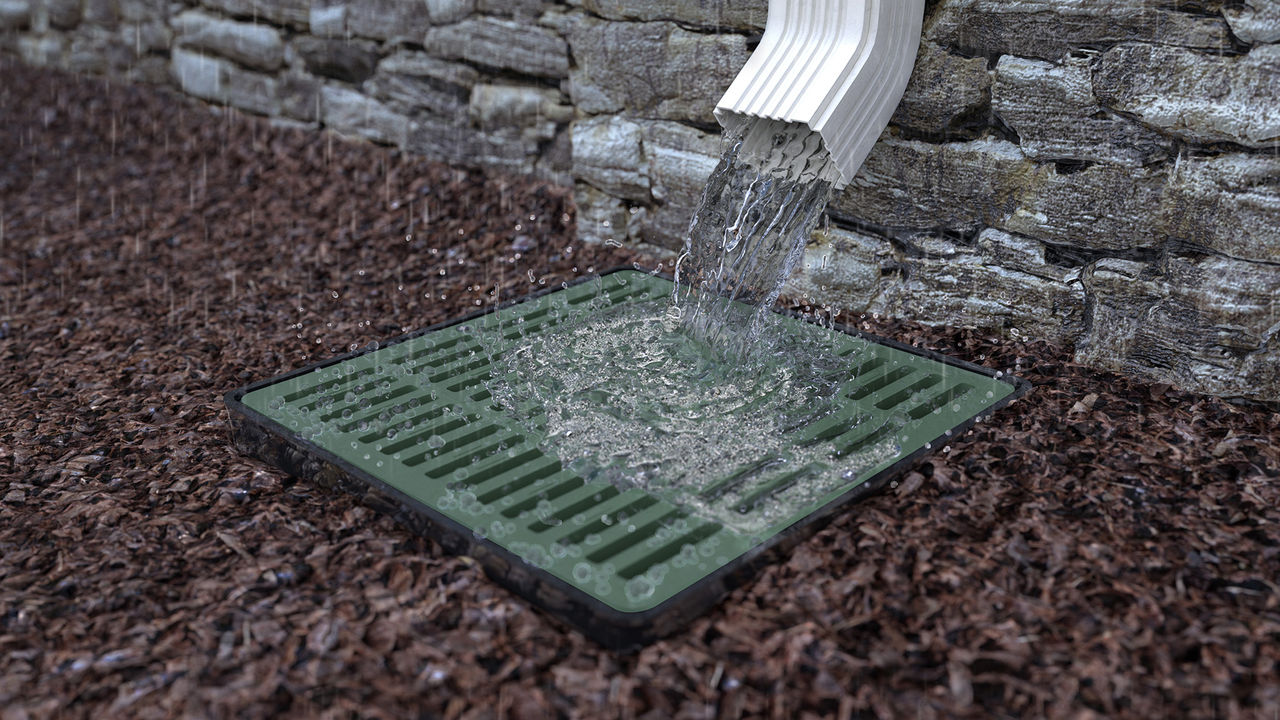
Downspout runoff pooling near the home can lead to structural damage
Look for hidden risks and problems El Niño could worsen
Standing water, runoff, and other drainage challenges often go unnoticed until a storm reveals them. This is an opportunity for you to catch these potential issues early, help homeowners prepare for the storms, and turn it into more business for you. With your help, homeowners can also prevent minor drainage concerns from causing bigger problems and extensive damage when El Niño weather arrives.
PRO TIP: Use the NDS Property Assessment Checklist to help document problems areas, identify opportunities to manage stormwater, and use your findings to recommend an effective drainage solution for the site.
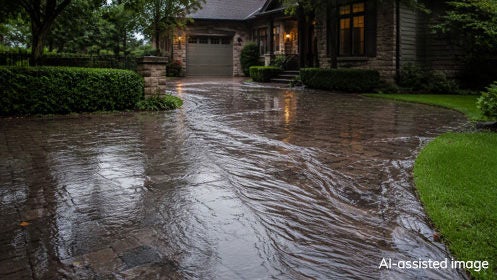
This driveway is causing runoff to pool near the home
Focus on 5 signs of inadequate drainage
Start the conversation with homeowners by asking how their property has handled stormwater in the past. Pay attention to areas where runoff historically collects and where it could travel toward the home. For more information about key areas of concern, watch our Detect and Solve Common Drainage Problems video.
1. Heavy runoff from downspouts - Roof runoff discharged directly at the base of a home can contribute to water damage in foundations and crawl spaces.
2. Standing water on lawn - Water that remains more than 24 hours after rainfall can indicate inadequate runoff management. Prolonged standing water can kill turf, increase the chance of disease and fungus, and lead to mosquito problems.
3. Driveway and patio runoff - Water sheeting across patios, driveways, and walkways can lead to lingering puddles, debris flow, and damage to adjacent structures.
4. Water next to the foundation - Water that consistently collects around the home can lead to erosion and structural damage.
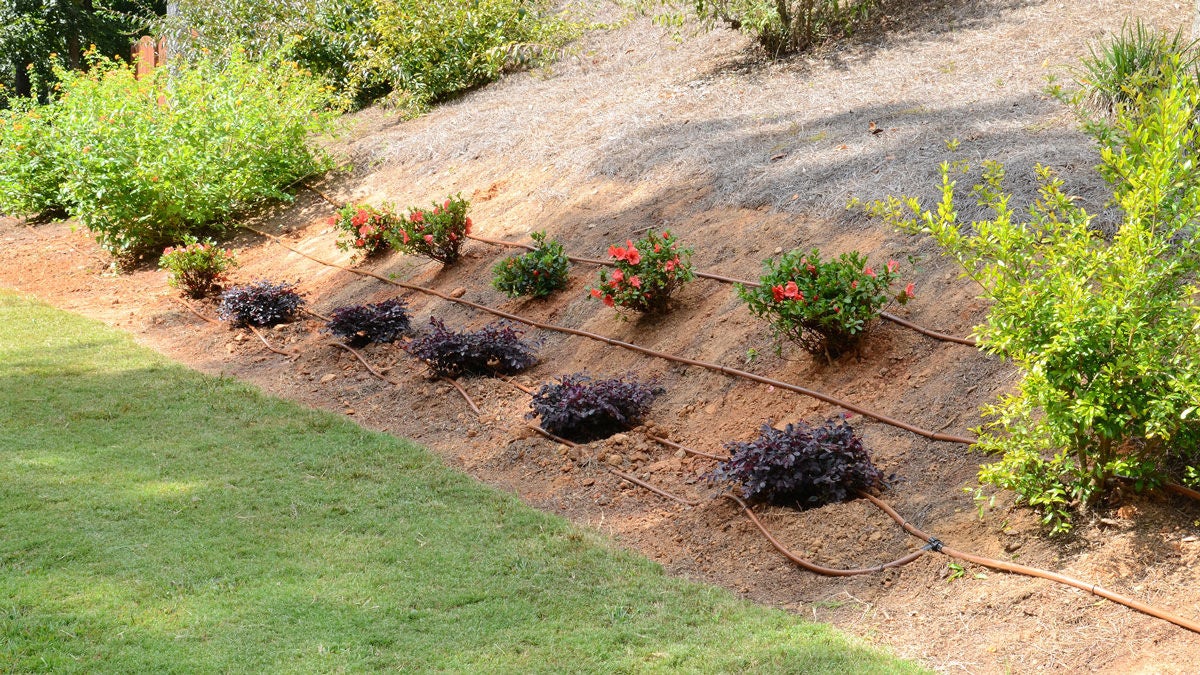
5. Drenched flowerbeds - Over-saturated soil can suffocate plants, create musty odors, and give insects a place to breed.
PRO TIP: When meeting with homeowners, talk about visible runoff symptoms they've already seen as well as warning signs they may have missed. Reassure them that their problems are solvable and that they've made the right choice by addressing issues now—before they get worse.

A well-designed drainage system keeps outdoor spaces usable, even after heavy rain
Fix drainage problems with the right solutions
With proven products and a clear plan, you can effectively manage runoff and help protect properties from water damage during heavy El Niño rains—and beyond. Here's how to evaluate critical problem areas and get them storm-ready using tried and true drainage solutions.
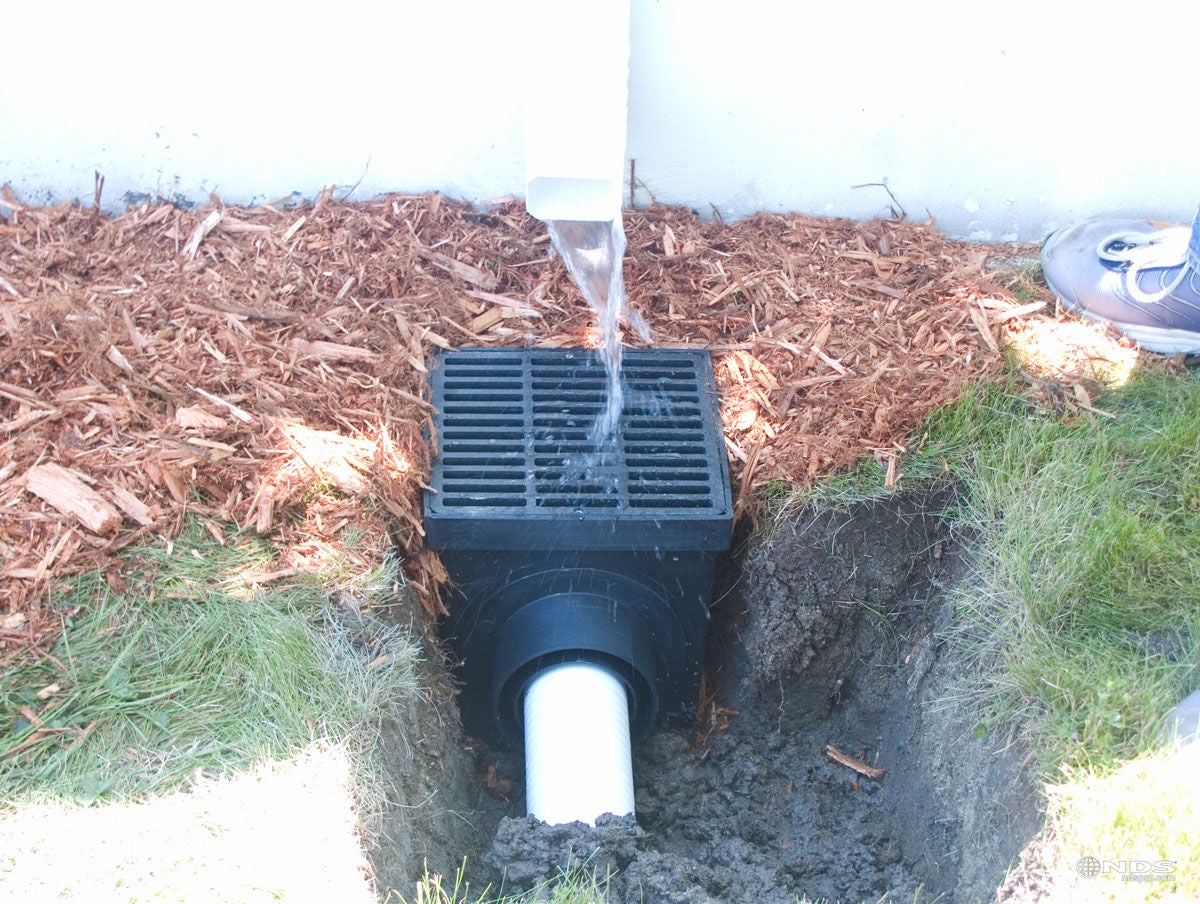
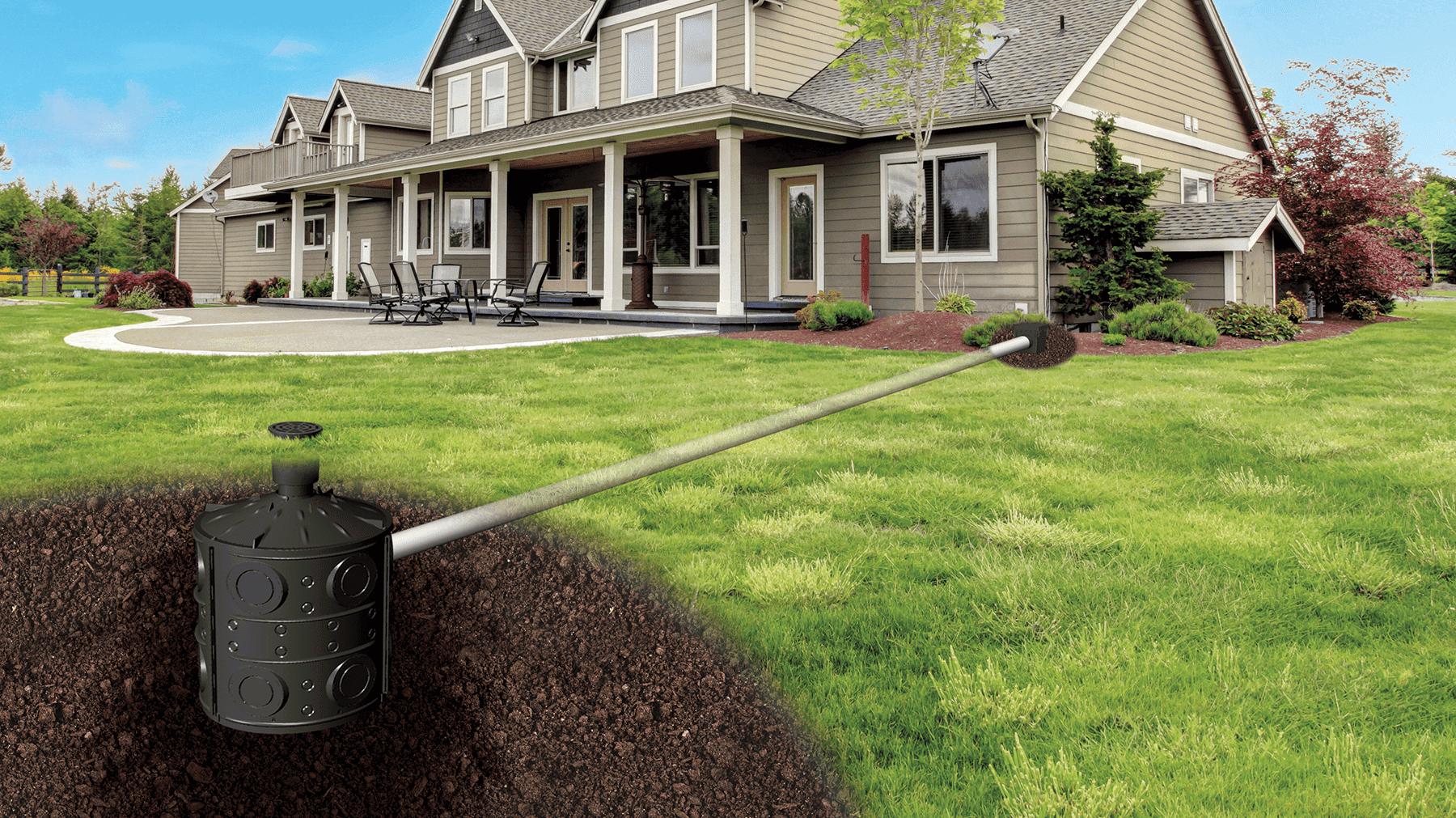
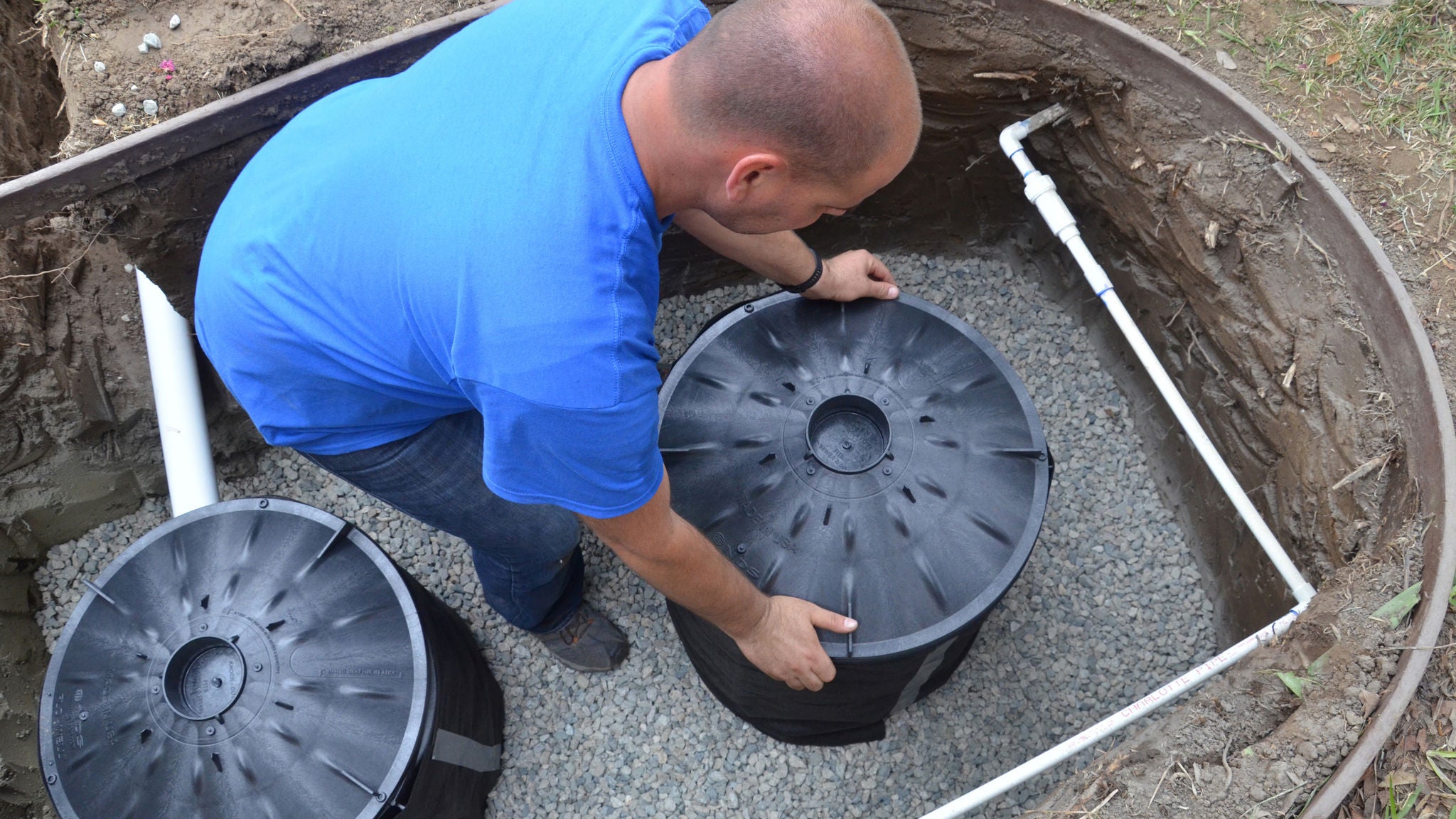
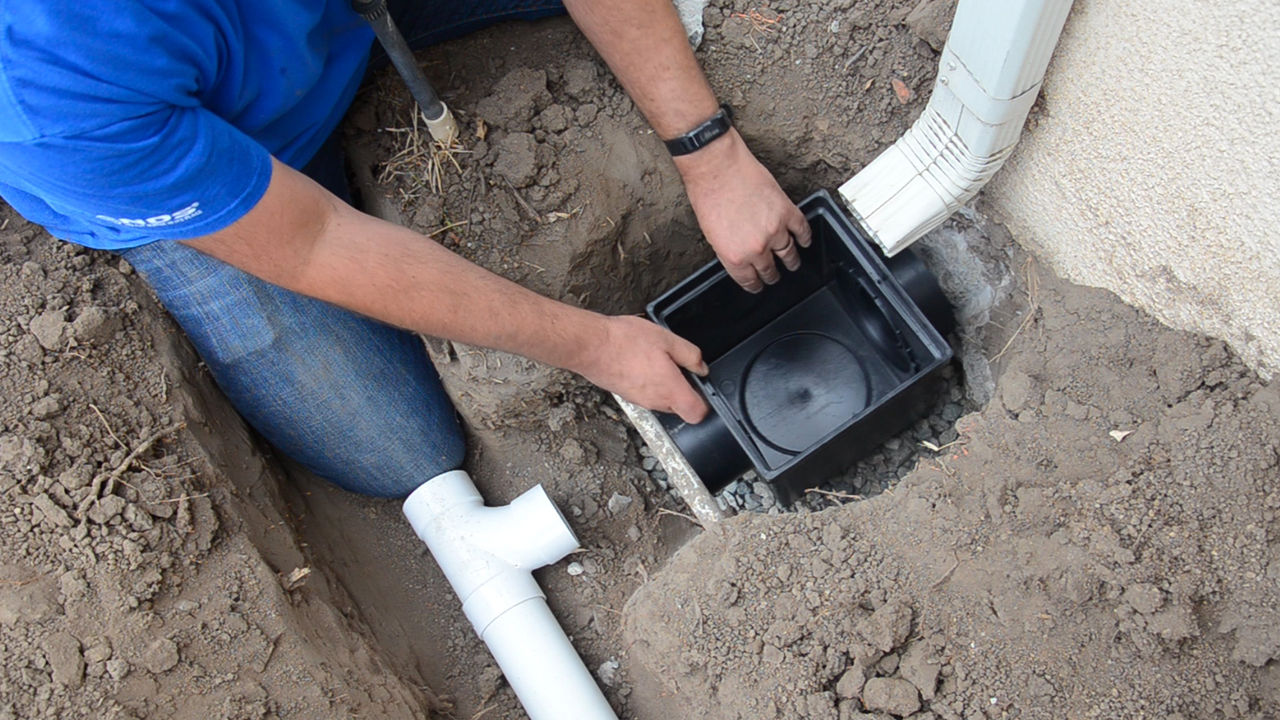
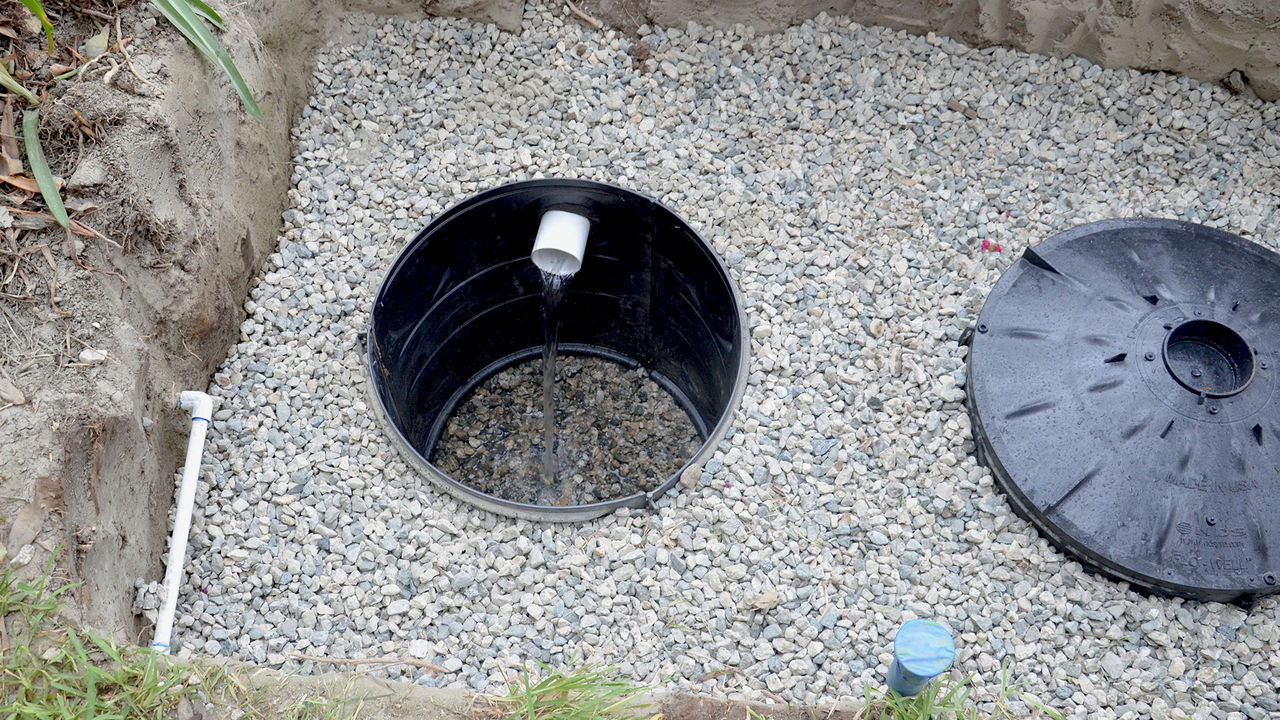
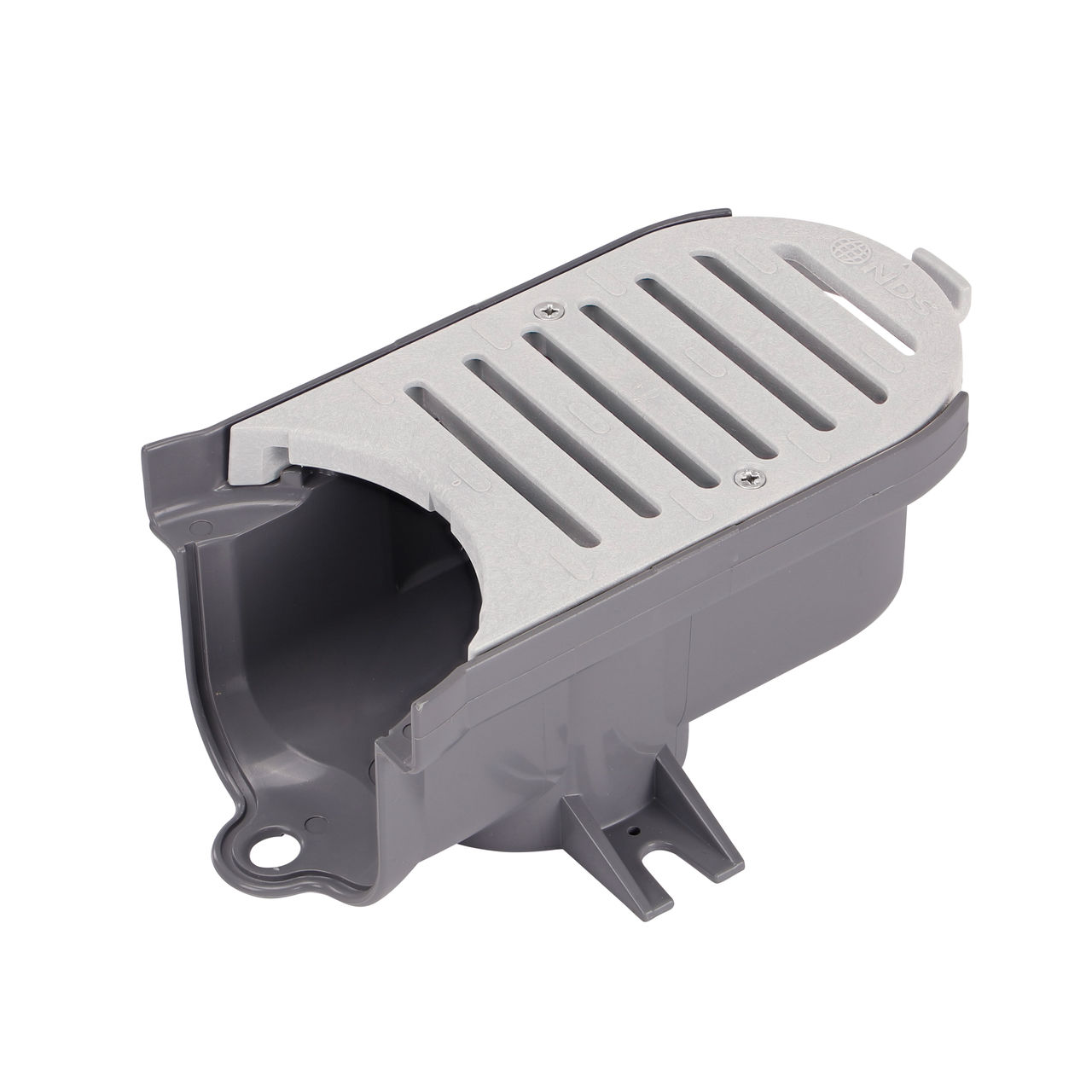
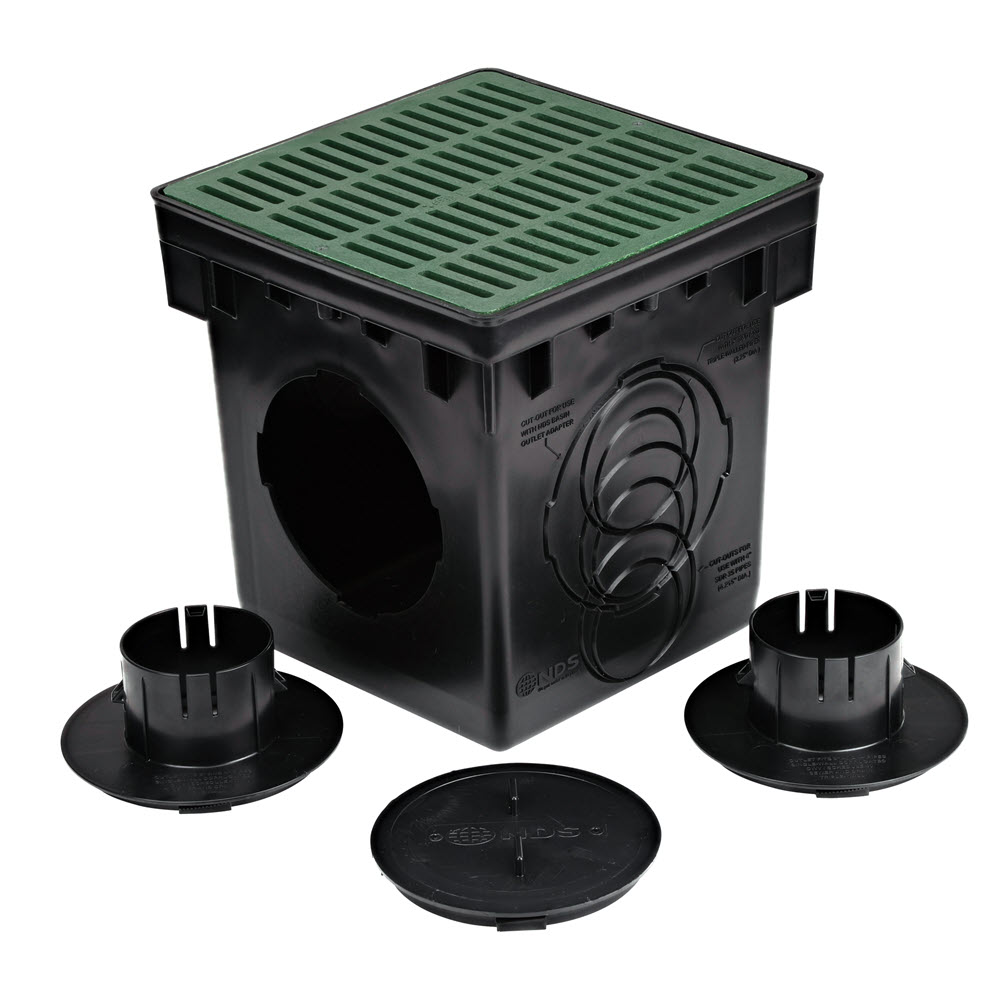
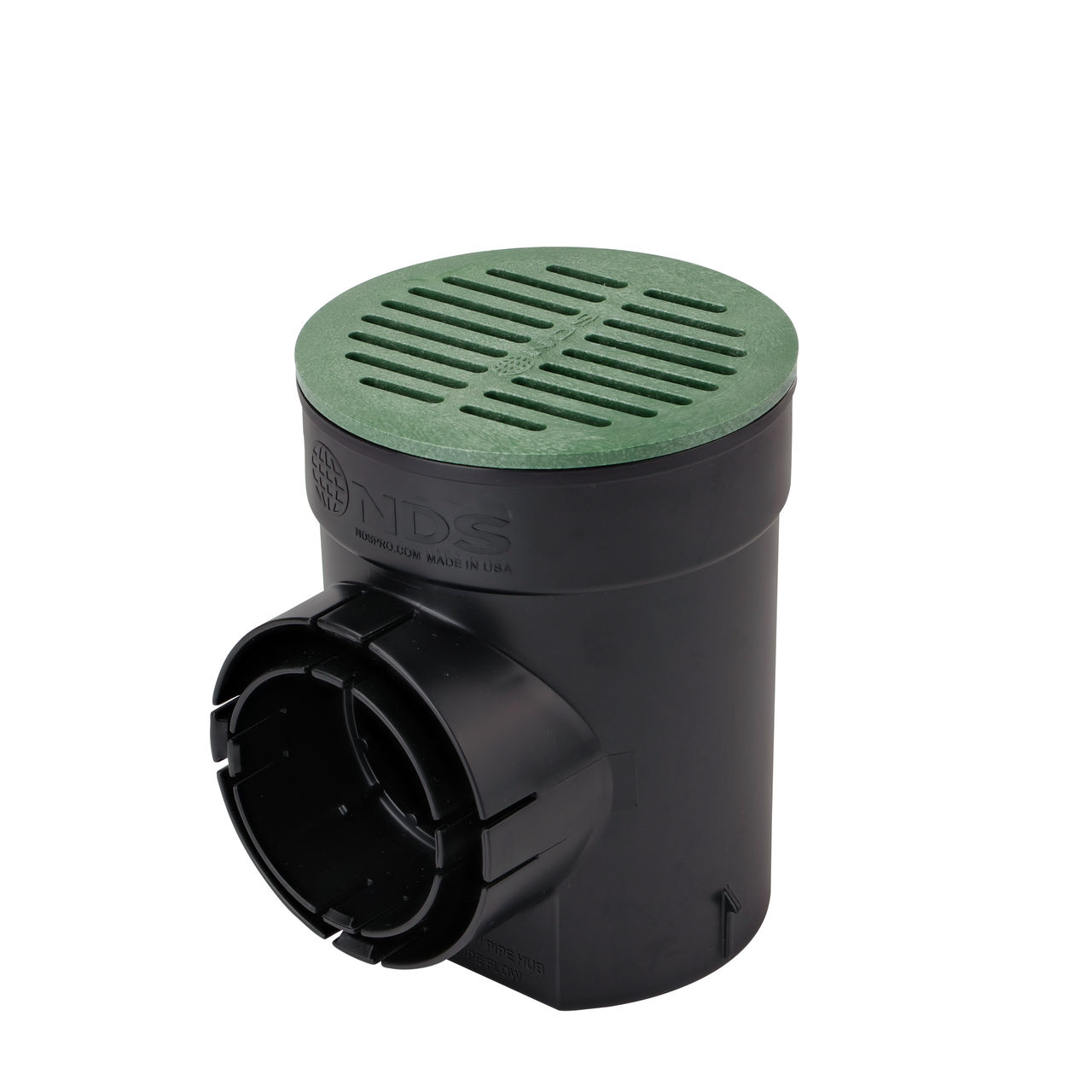
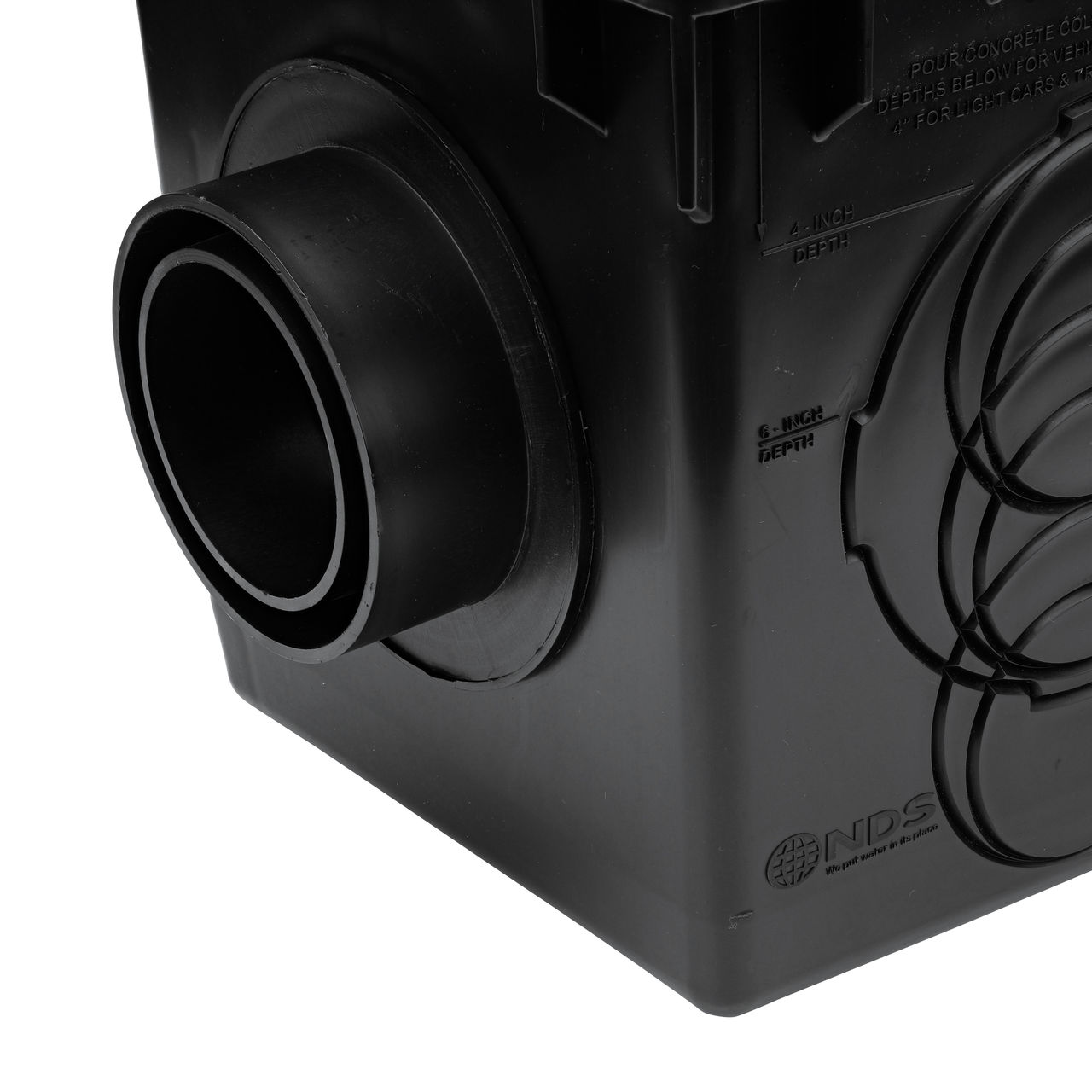
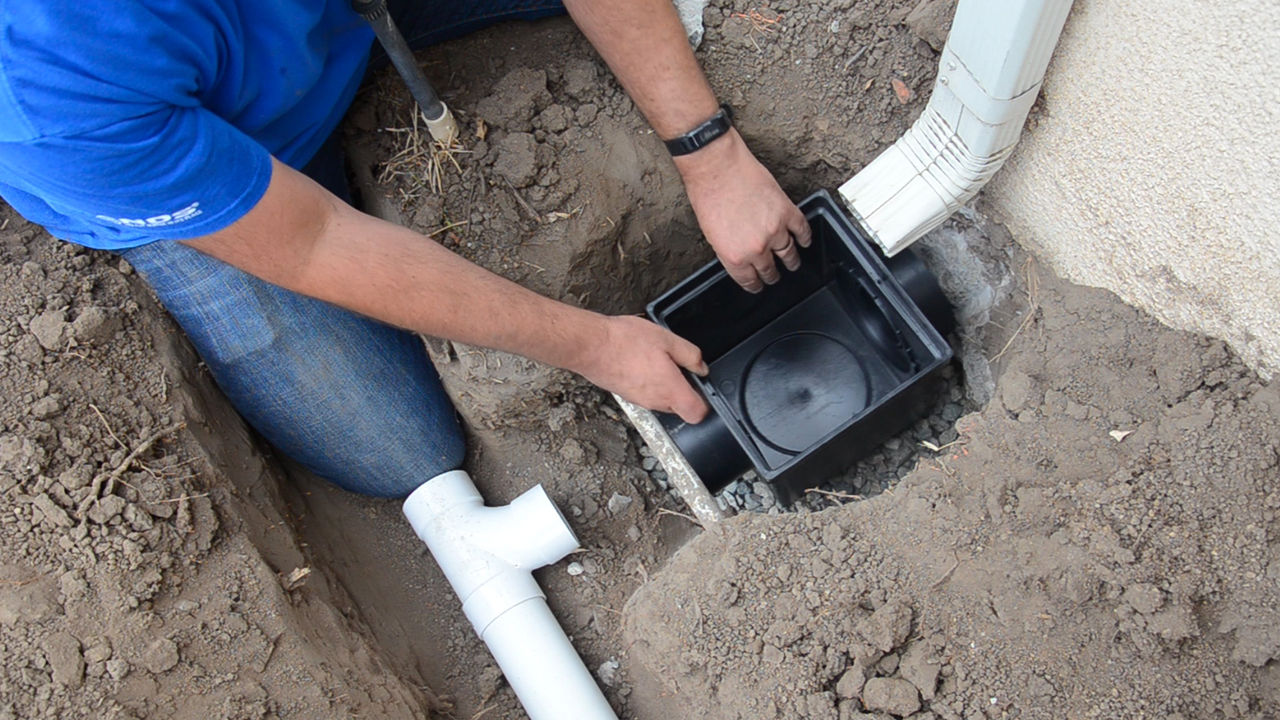
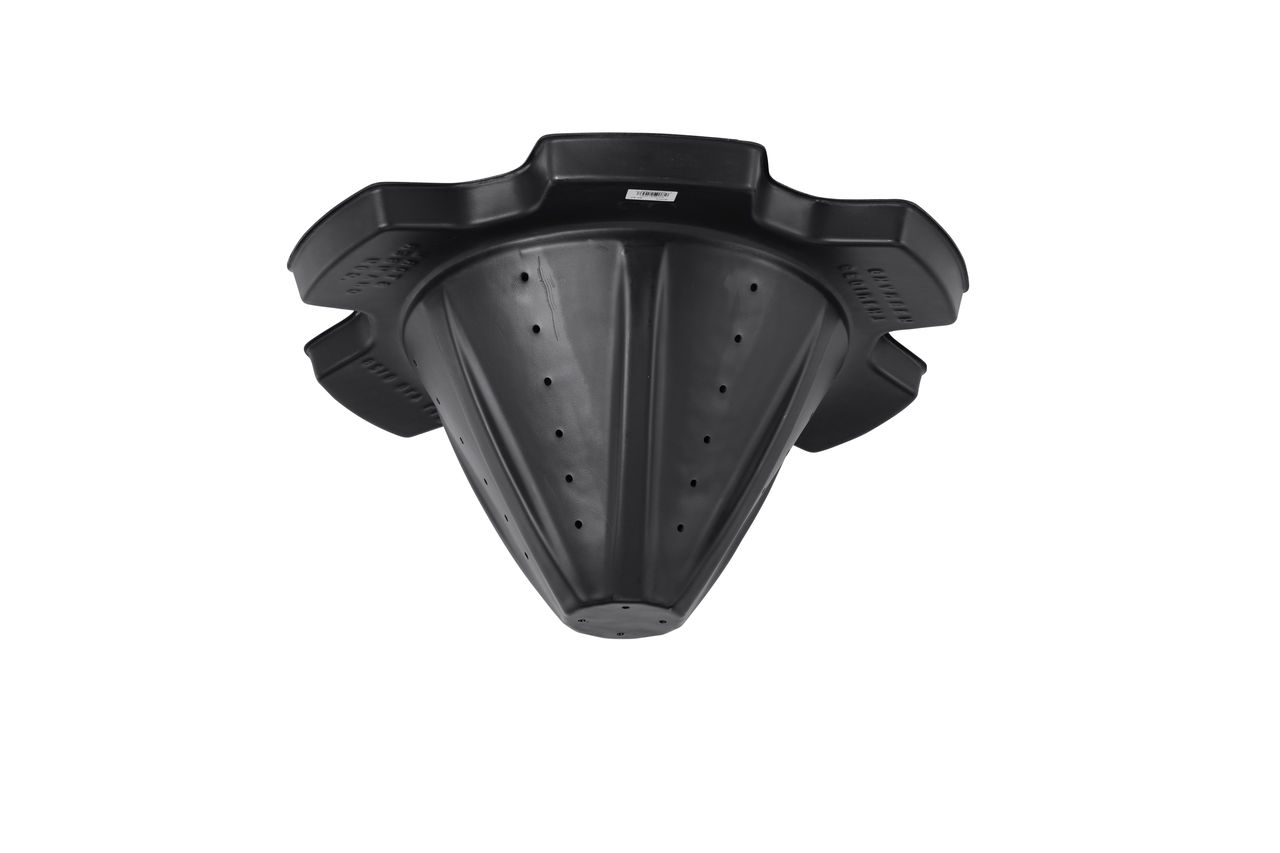
Installing an NDS catch basin to capture water at the base of a downspout
Downspout runoff
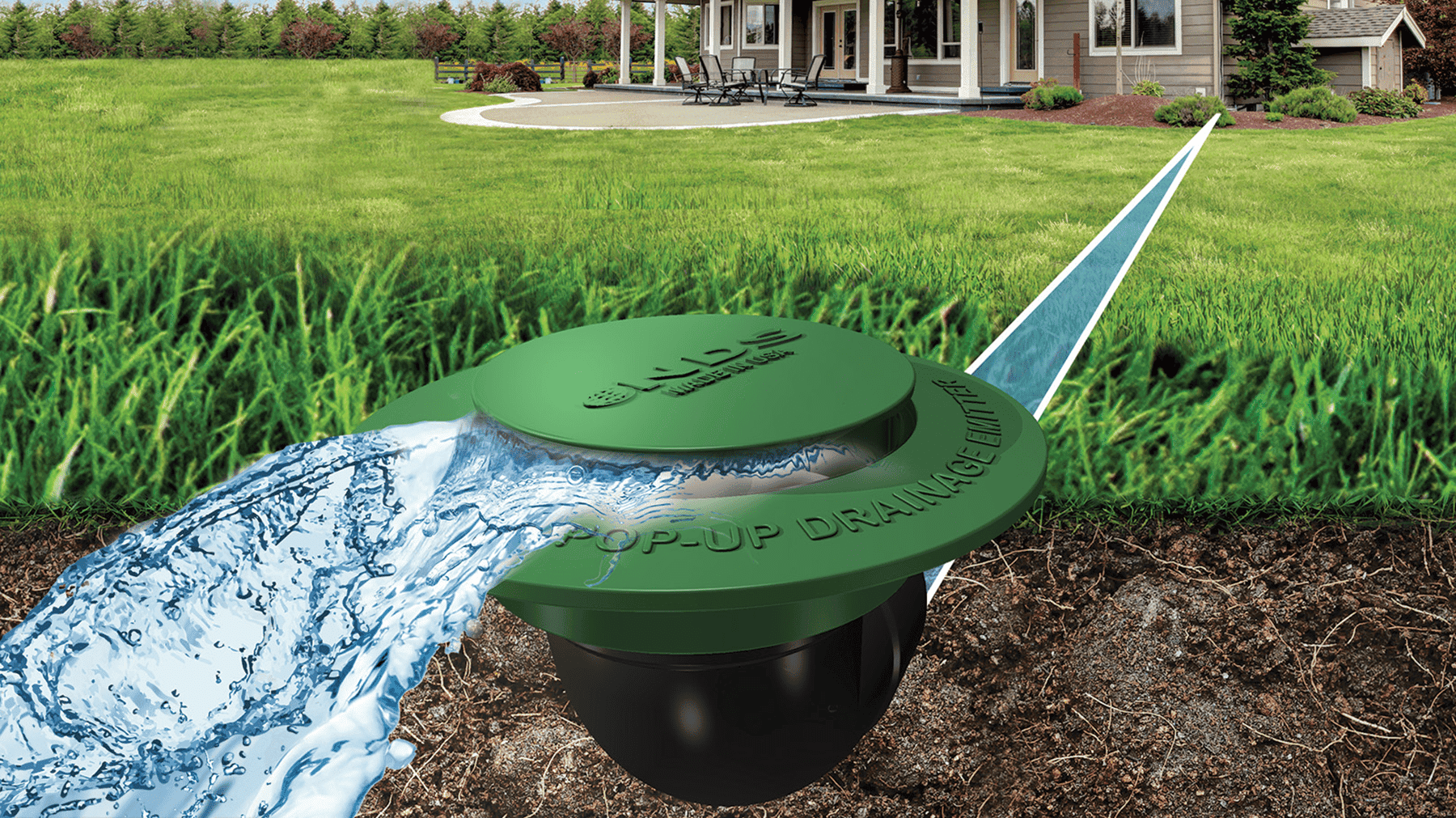
When a high volume of water flows out of downspouts and collects near the house, it can lead to over-saturated soil and mulch washouts as well as foundation cracks, damp basements, and wet crawlspaces. The runoff needs to be captured at the base of the downspout, conveyed downstream, and released at a safe discharge point.
|
What homeowners see
|
Water collecting next to the home after storms
|
|
Water management strategy
|
Collect → Convey → Release
|
| Proven drainage solutions |
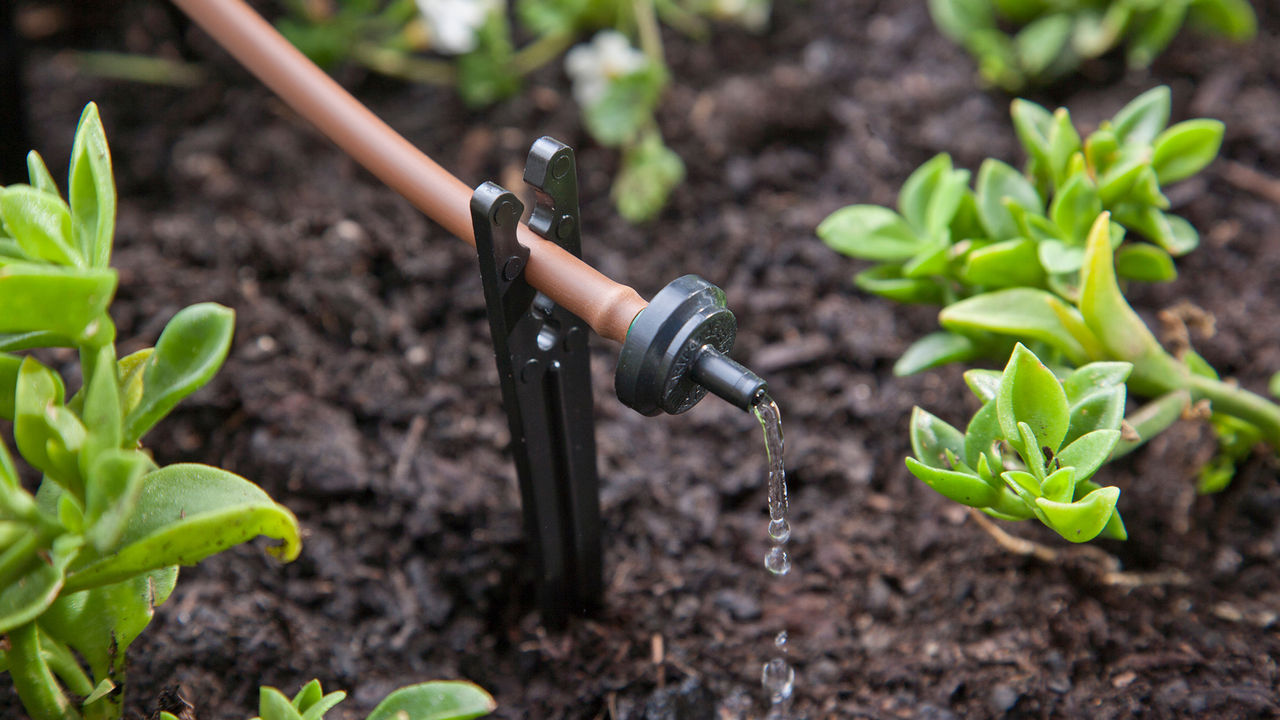
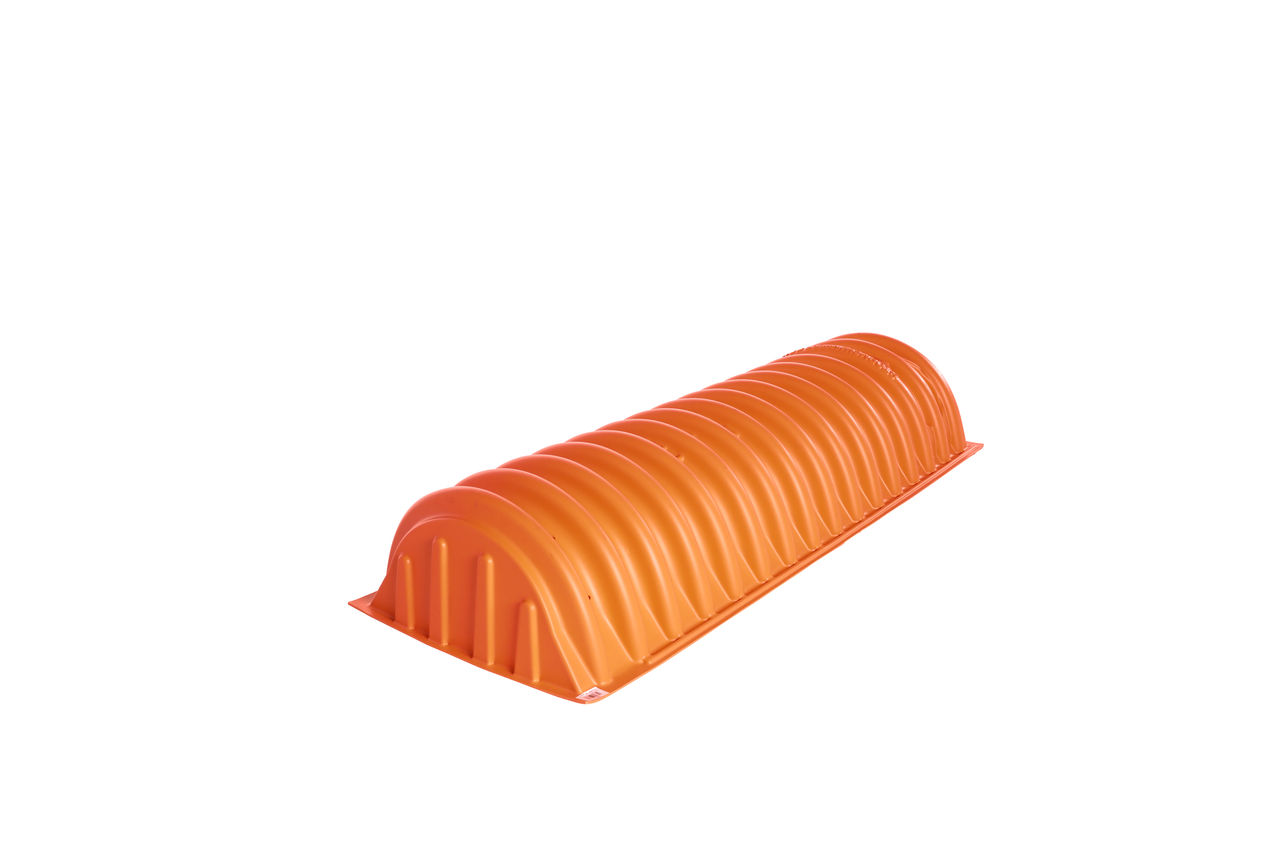
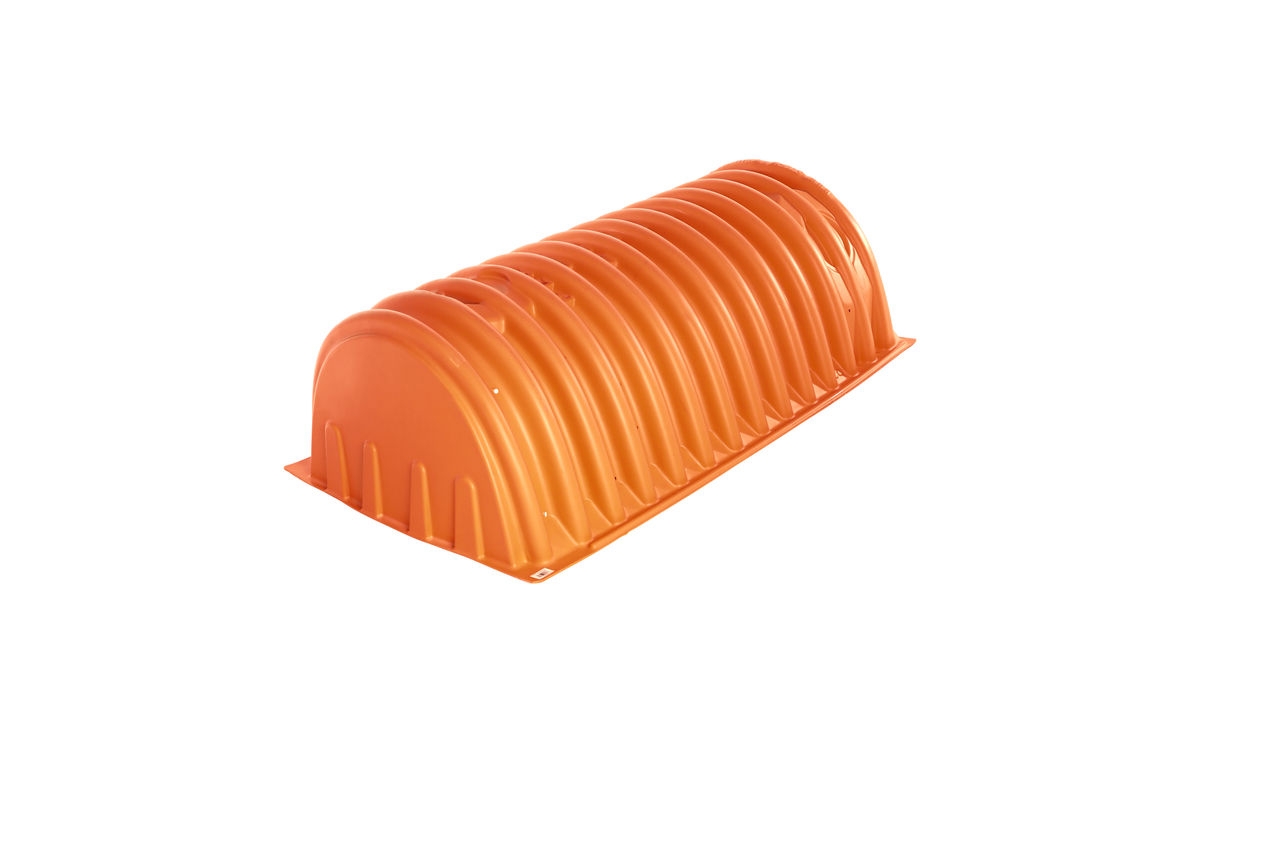
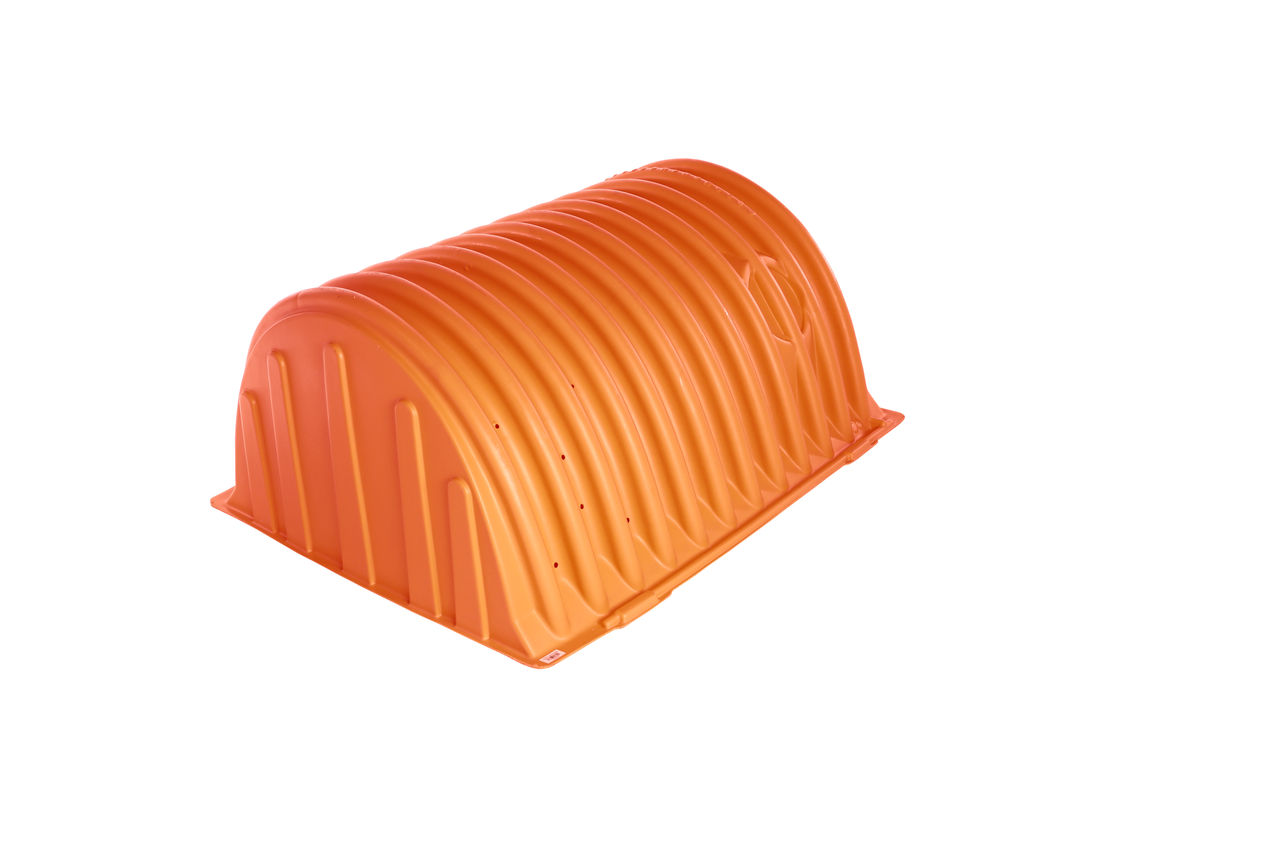
NDS catch basinEZflow® French drainFlo-Well® dry wellpop-up emitter |
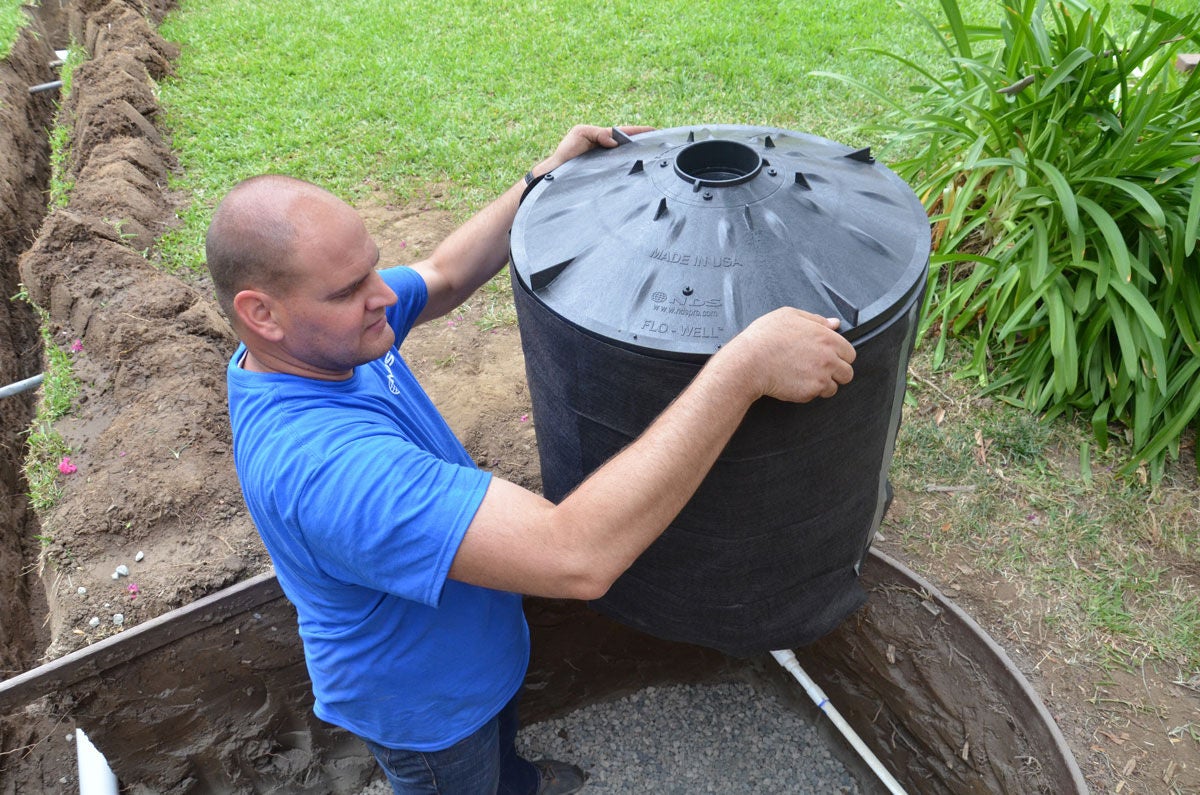
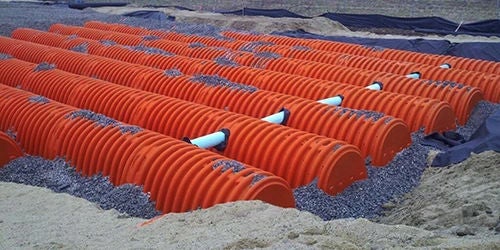
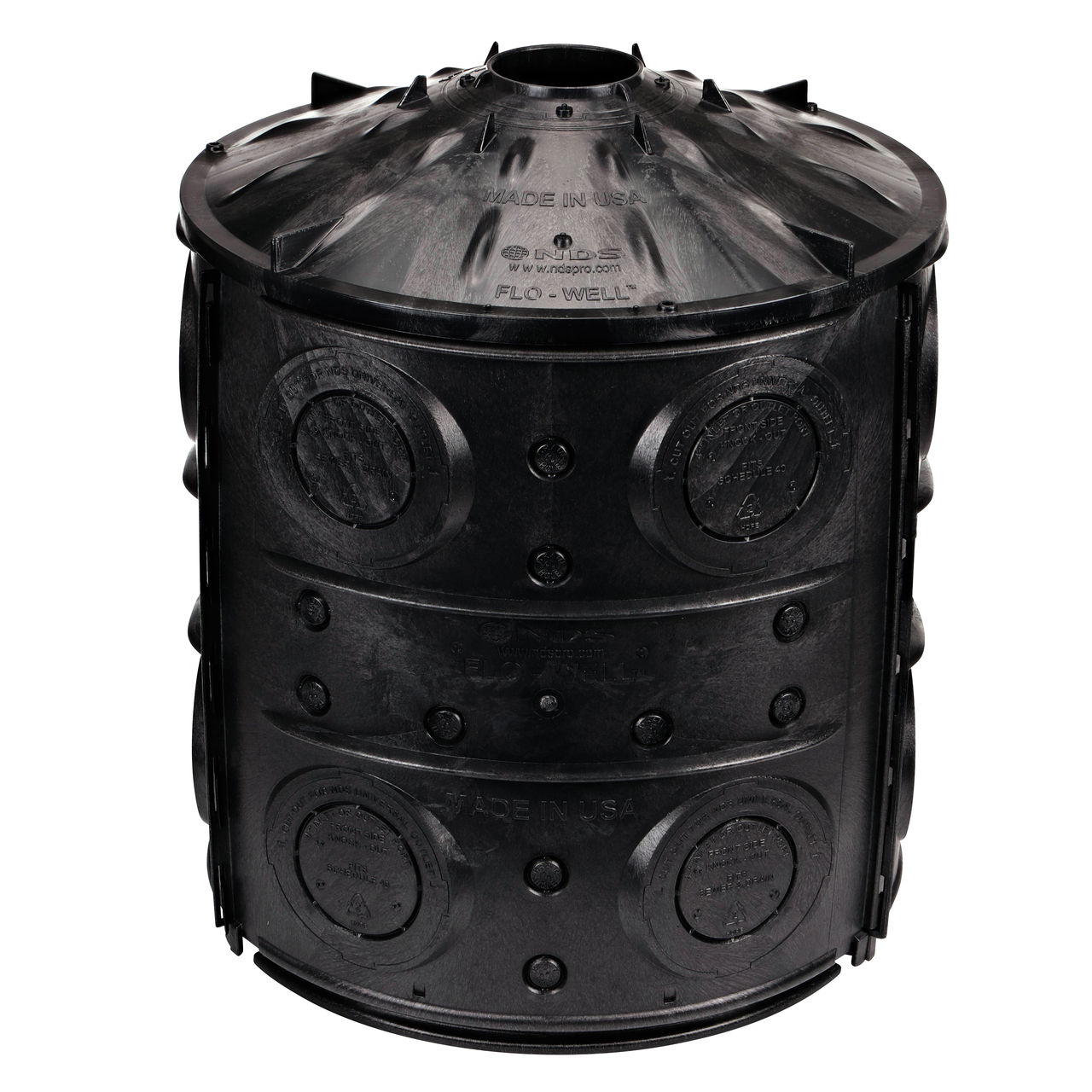
Installing a dry well to help with lawn drainage
Standing water in the yard
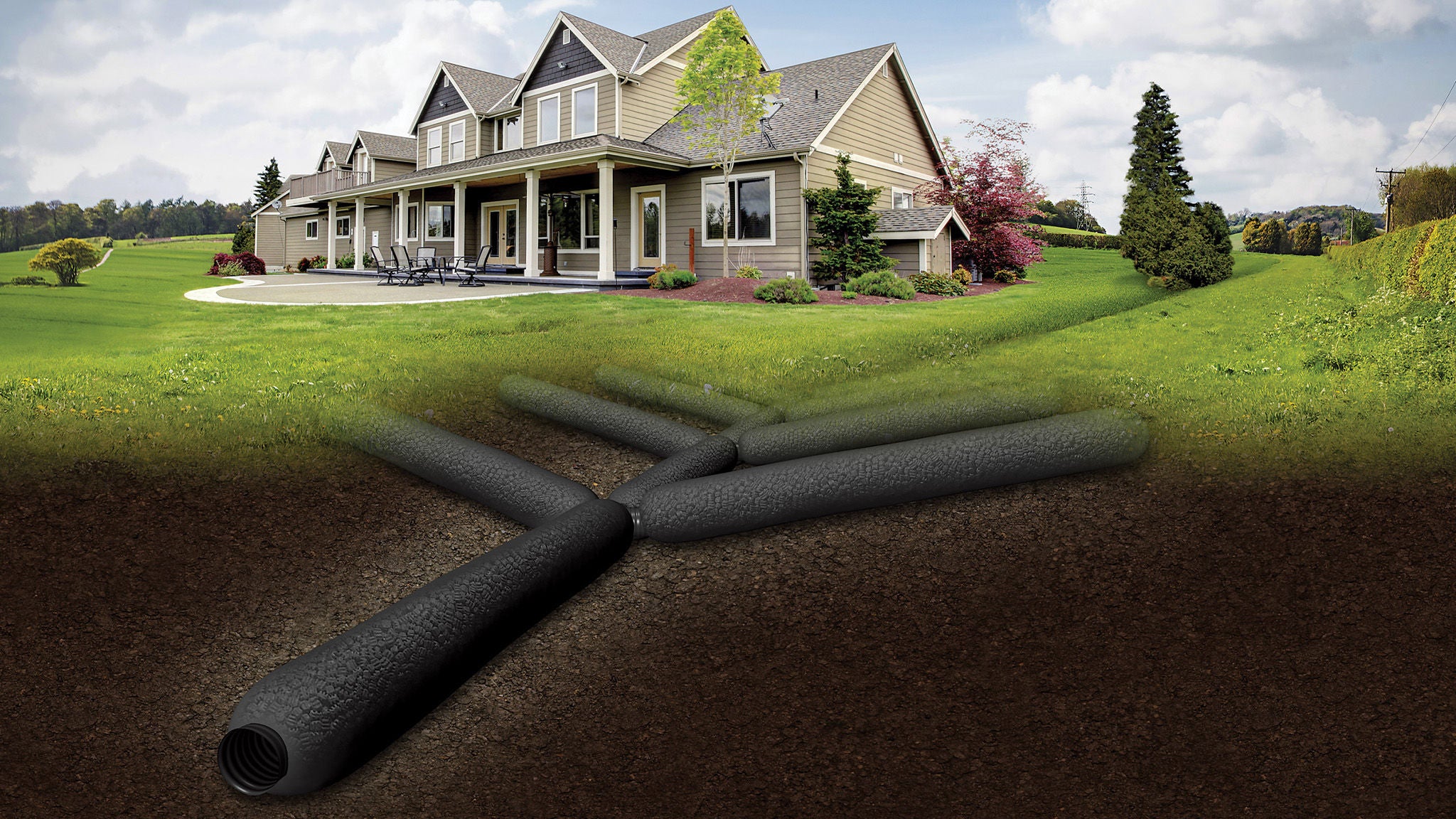
If water lingers in the yard and makes outdoor spaces unusable after moderate rains, imagine what an El Niño storm might do. You can help get rid of excess water by collecting it a low point in the yard, temporarily detaining it underground, and allowing it to discharge slowly into the surrounding soil.
|
What homeowners see
|
Soggy lawns, yellowed grass, and muddy patches
|
|
Water management strategy
|
Collect → Retain → Infiltrate
|
| Proven drainage solutions |
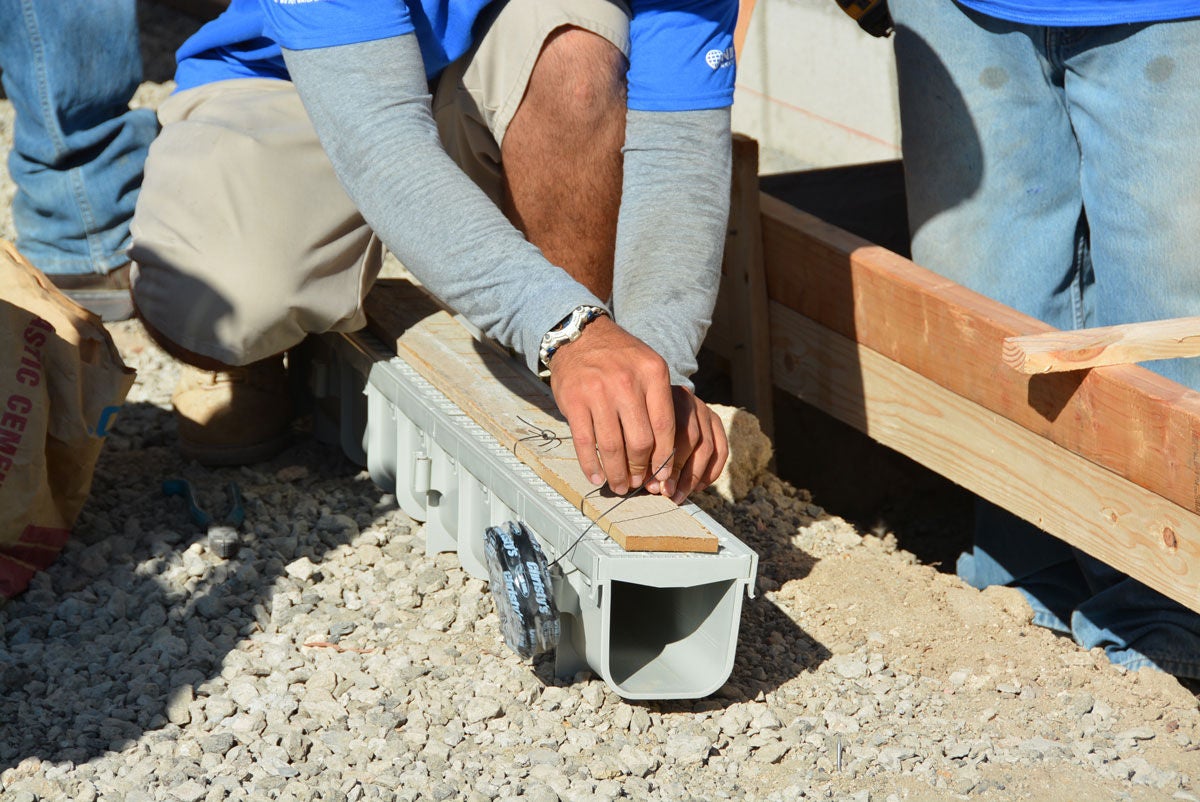
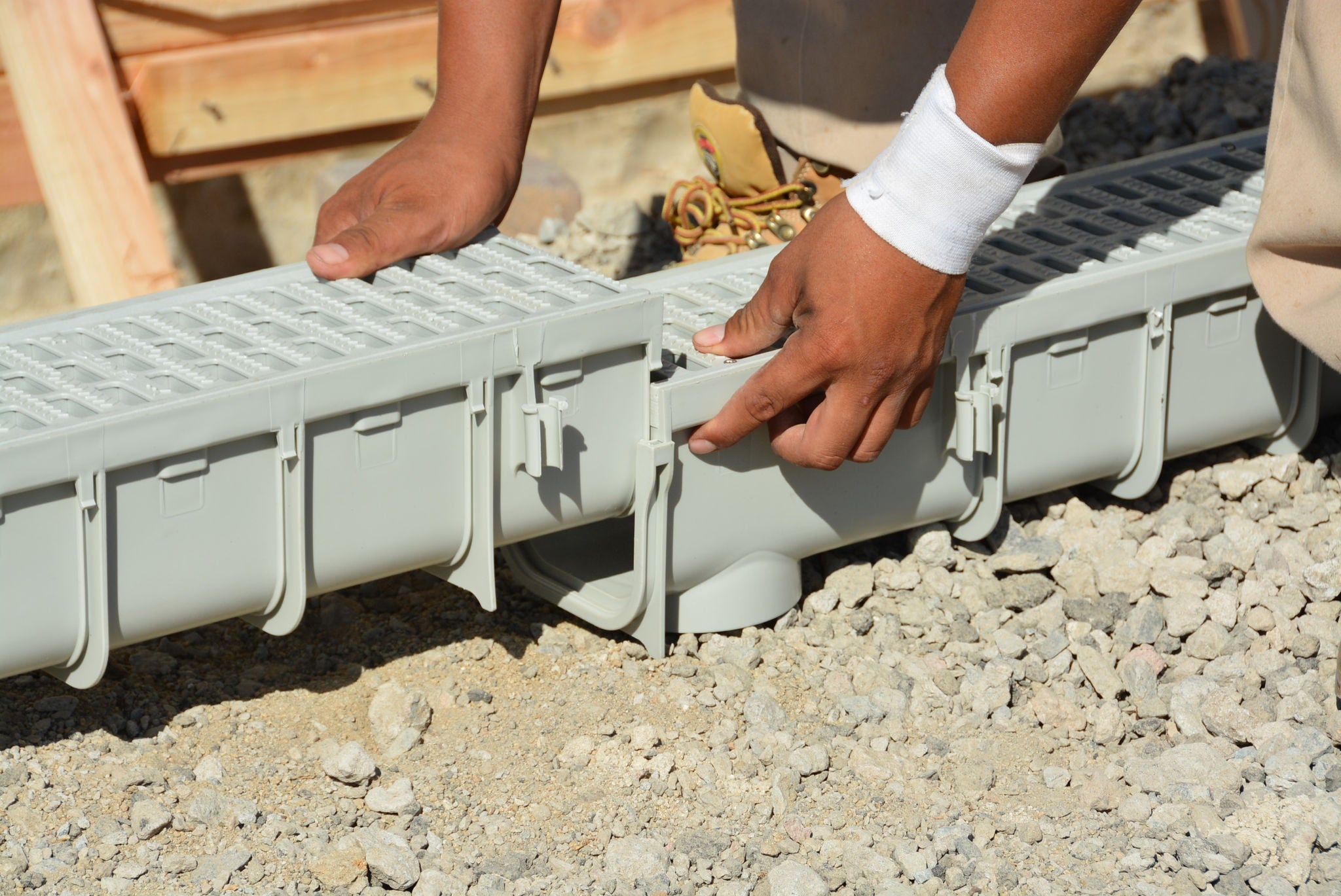
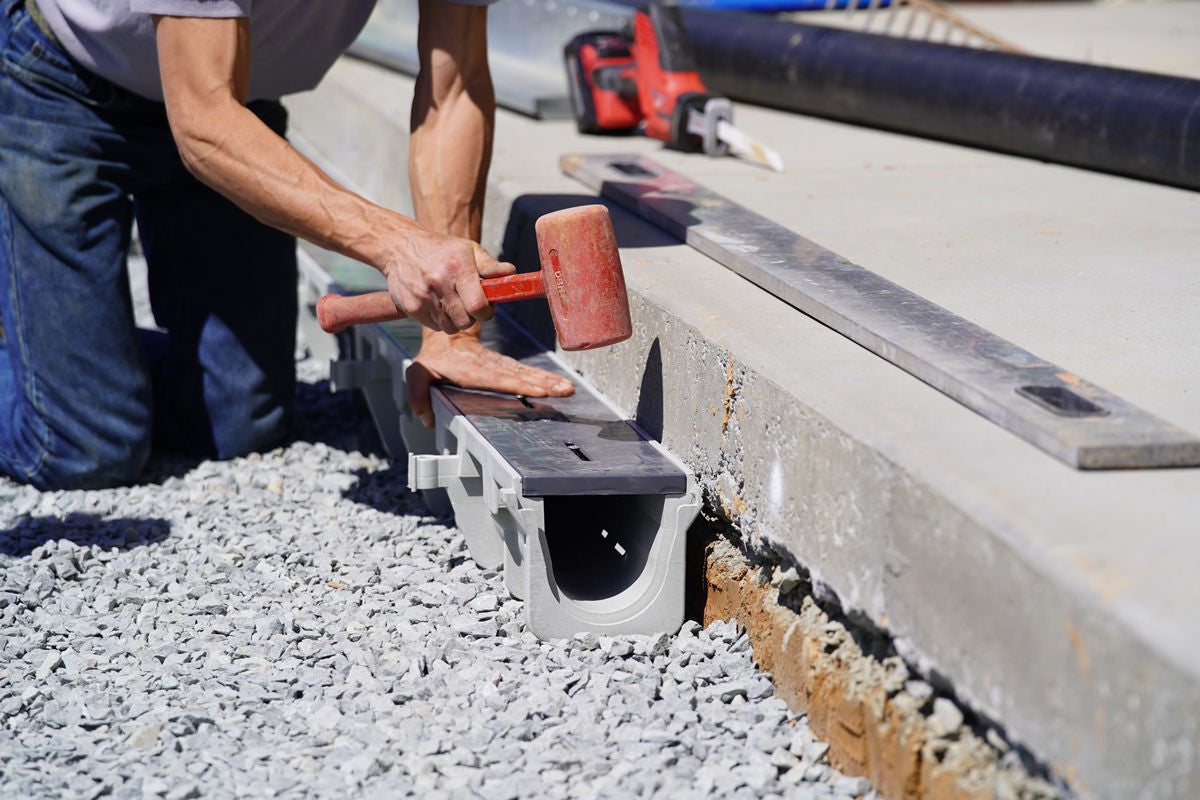
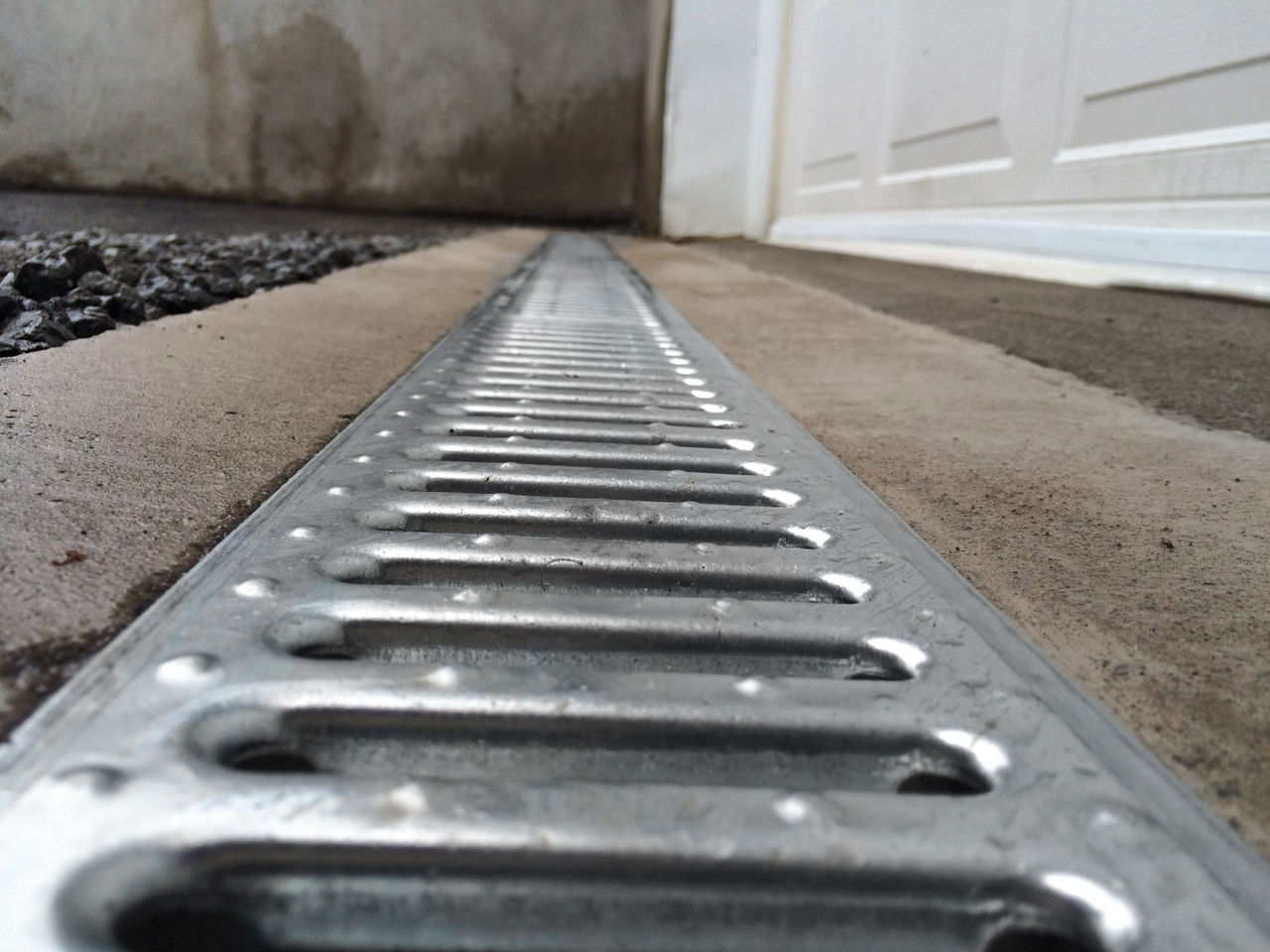
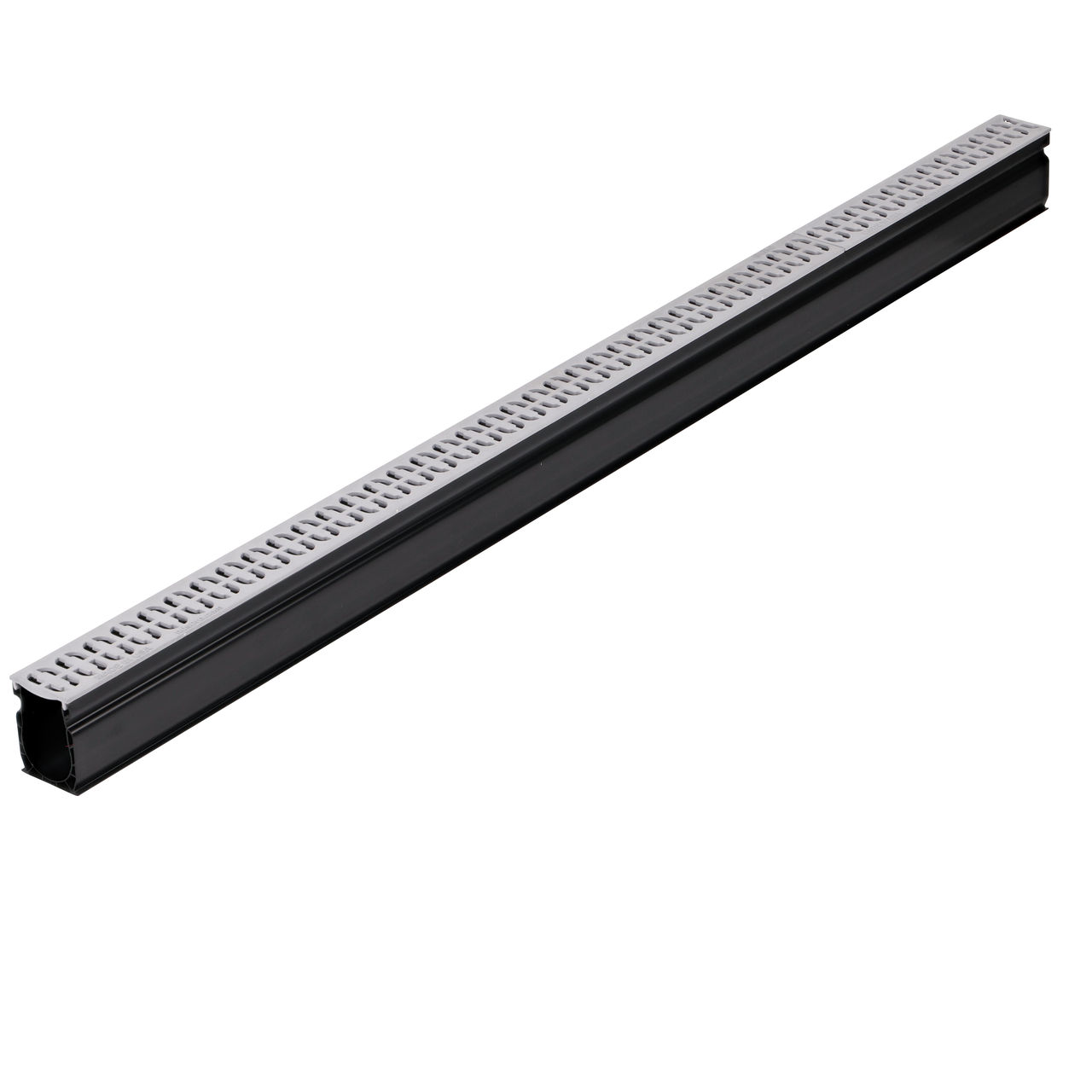
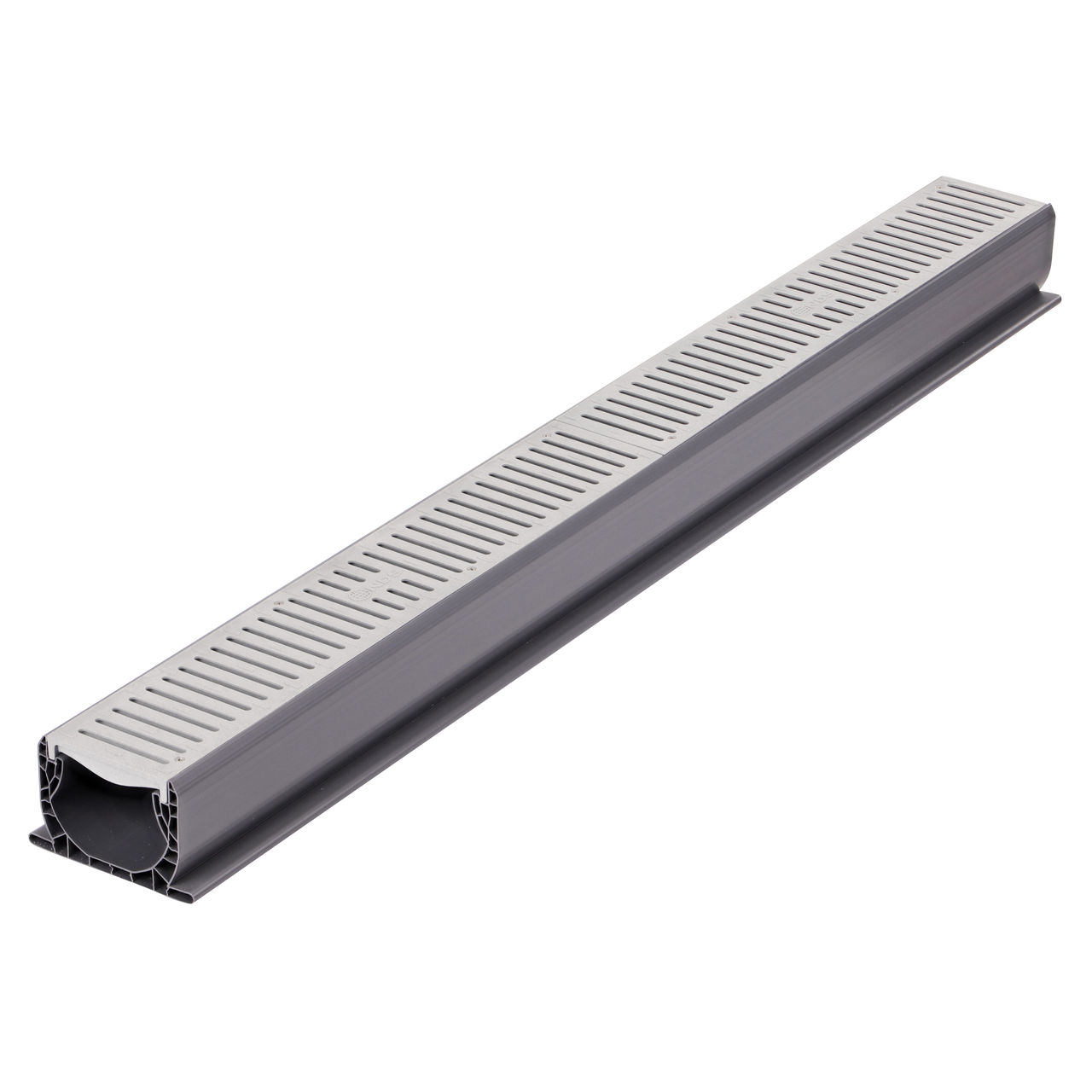
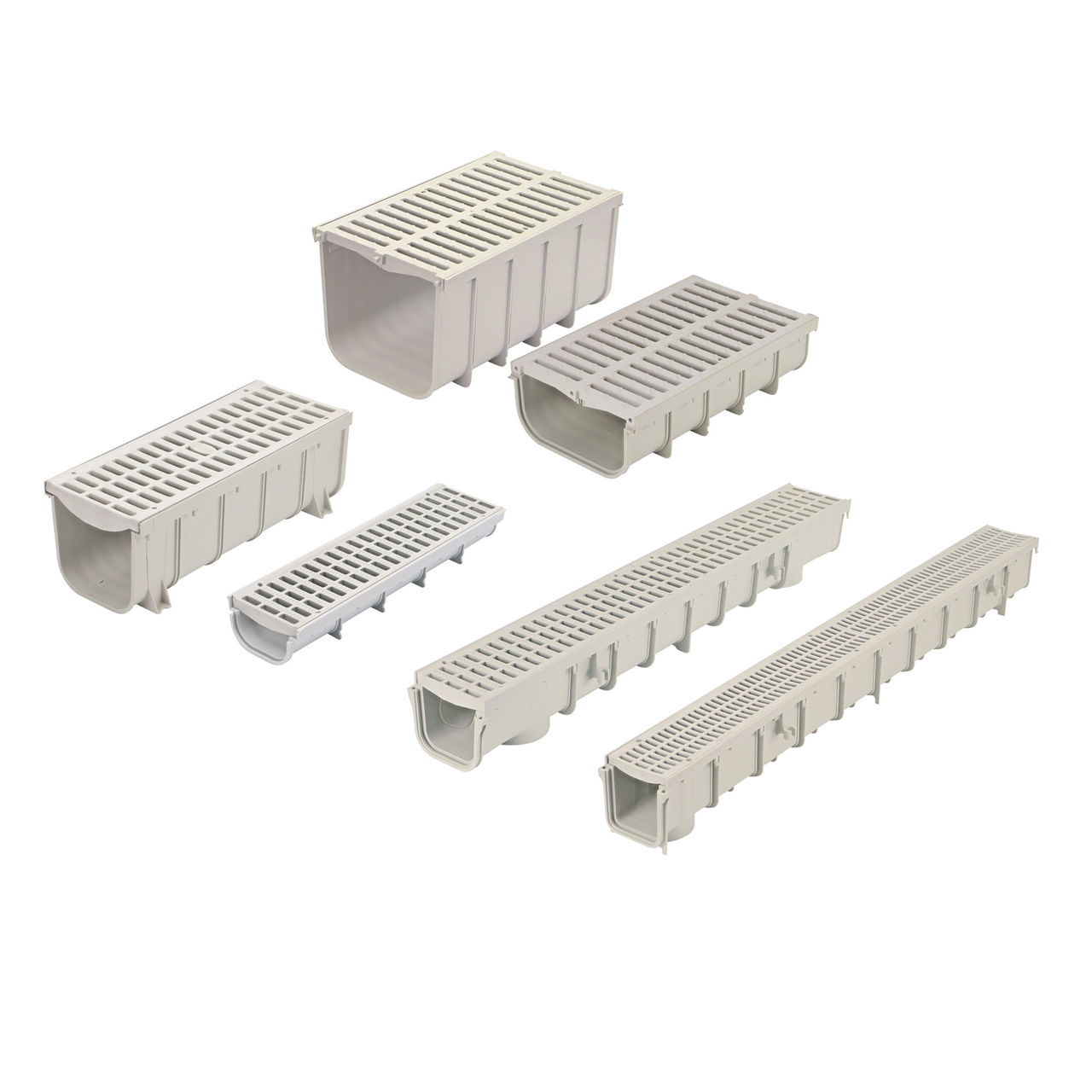
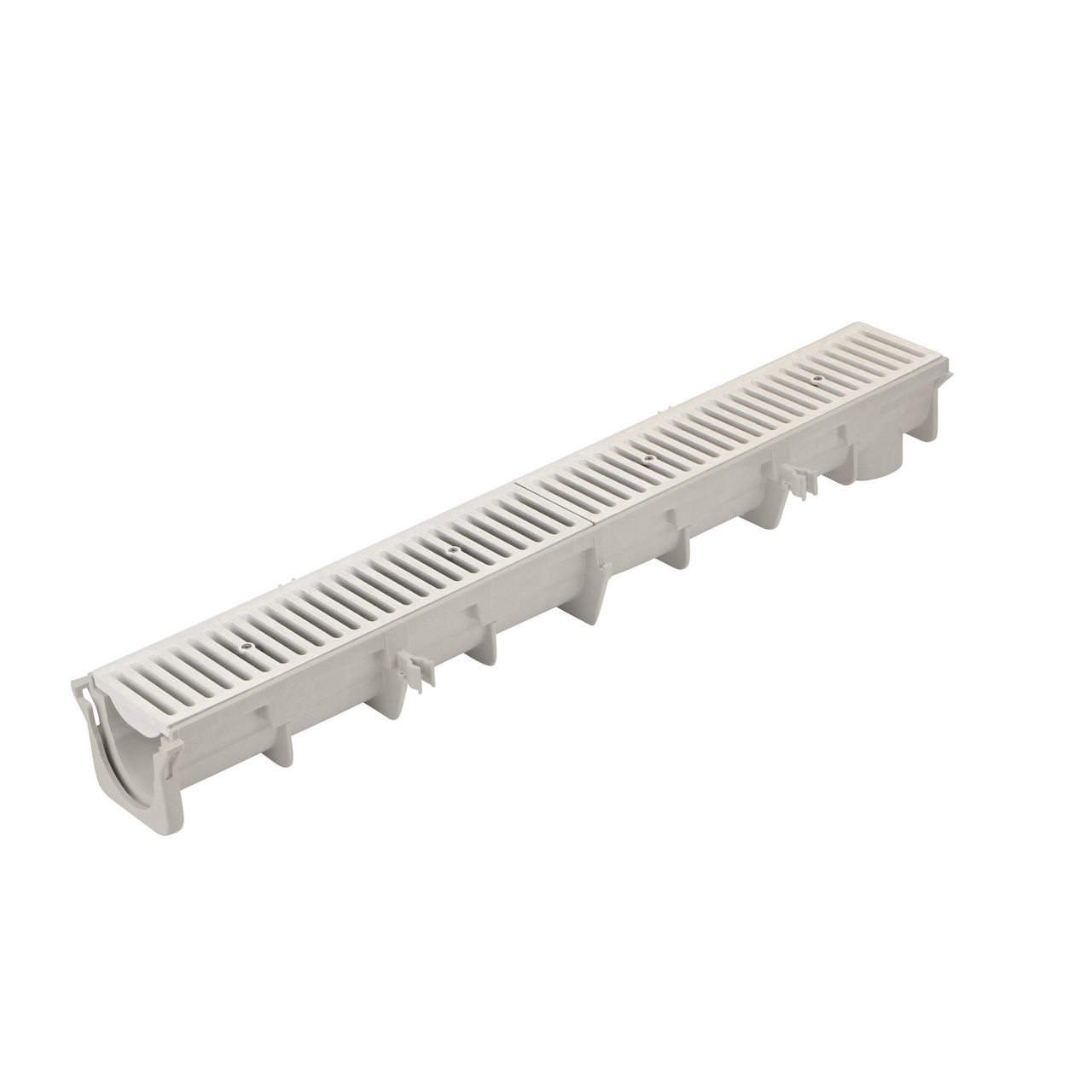
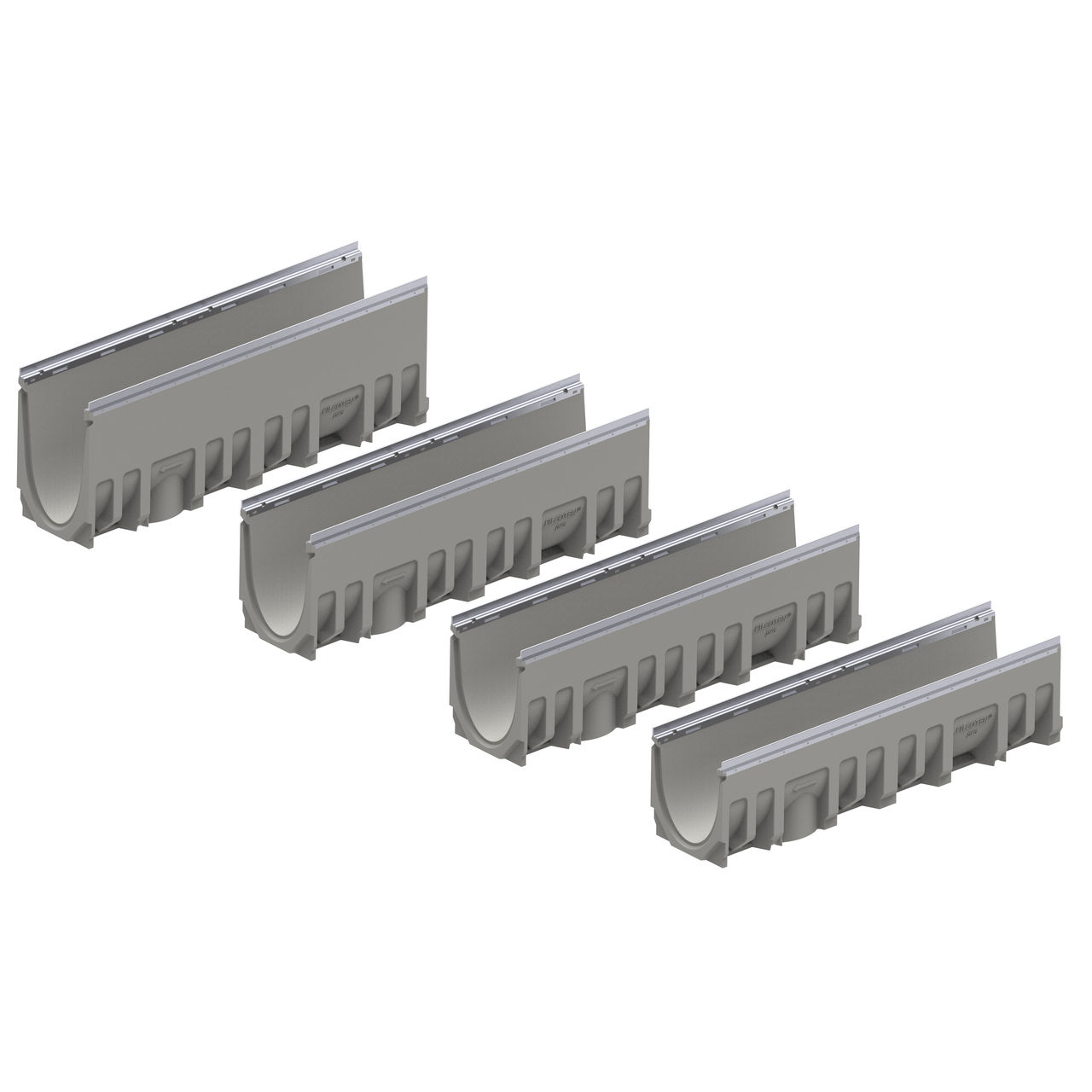
Upgrading a residential driveway with an NDS channel drain
Driveway and patio runoff
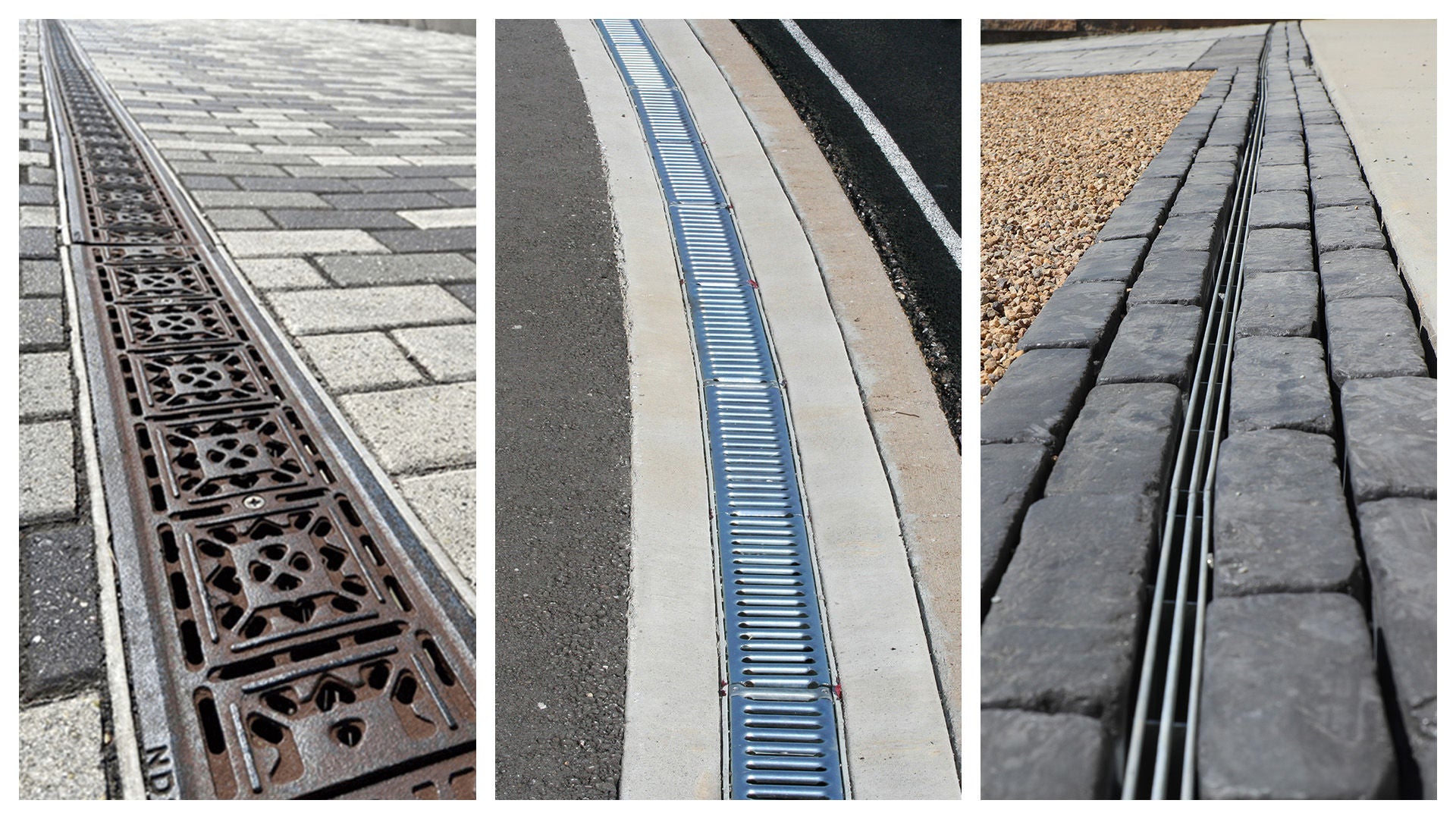
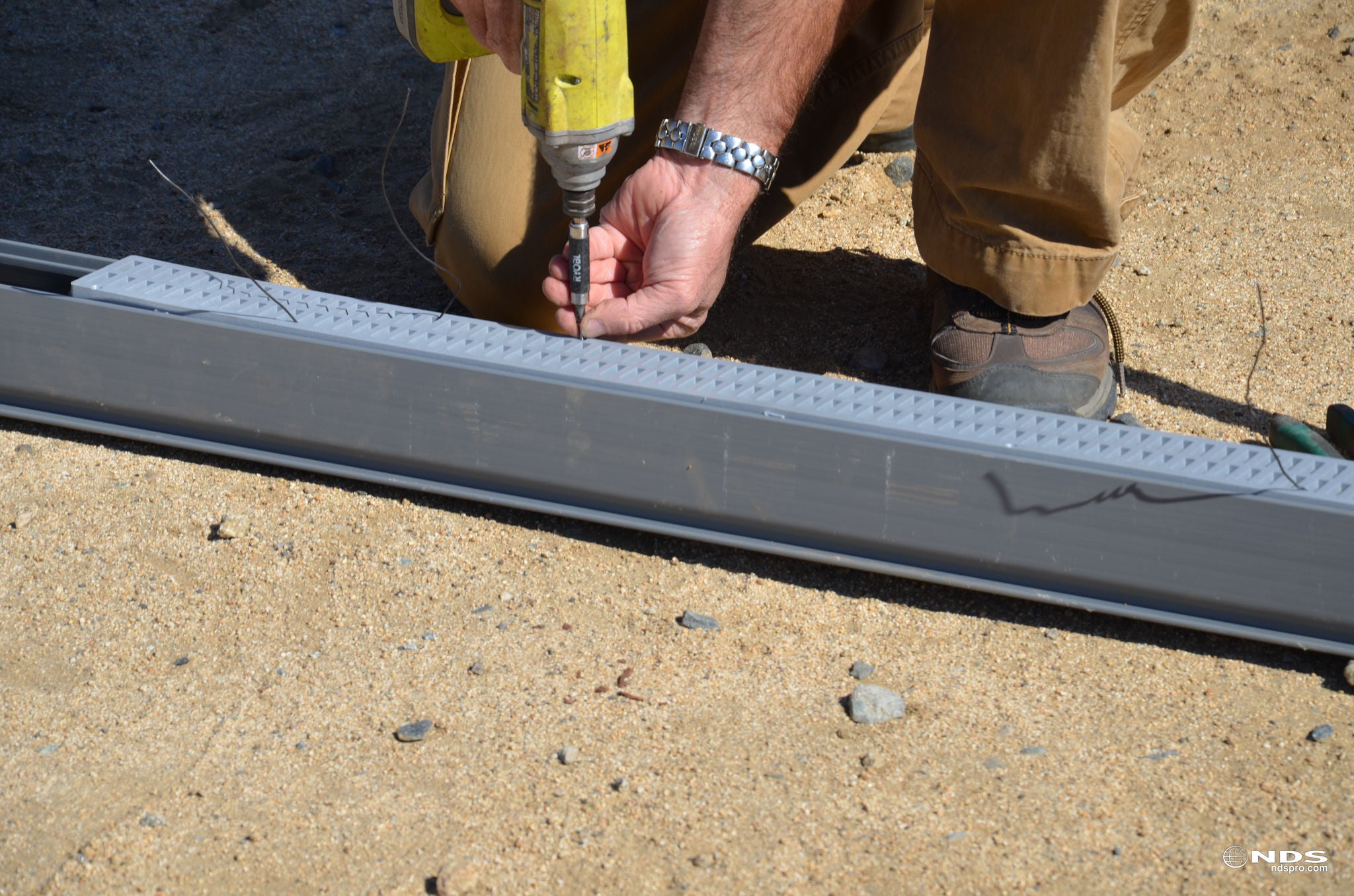
When rain falls on impermeable surfaces, it can flow towards the home, garage, or other structures and carry soil and debris along with it. An effective drainage solution captures hardscape runoff before it reaches vulnerable areas, then conveys it downstream for release.
|
What homeowners see
|
Water pooling on hard surfaces and moving toward structures
|
|
Water management strategy
|
Intercept → Convey → Release
|
| Proven drainage solutions |
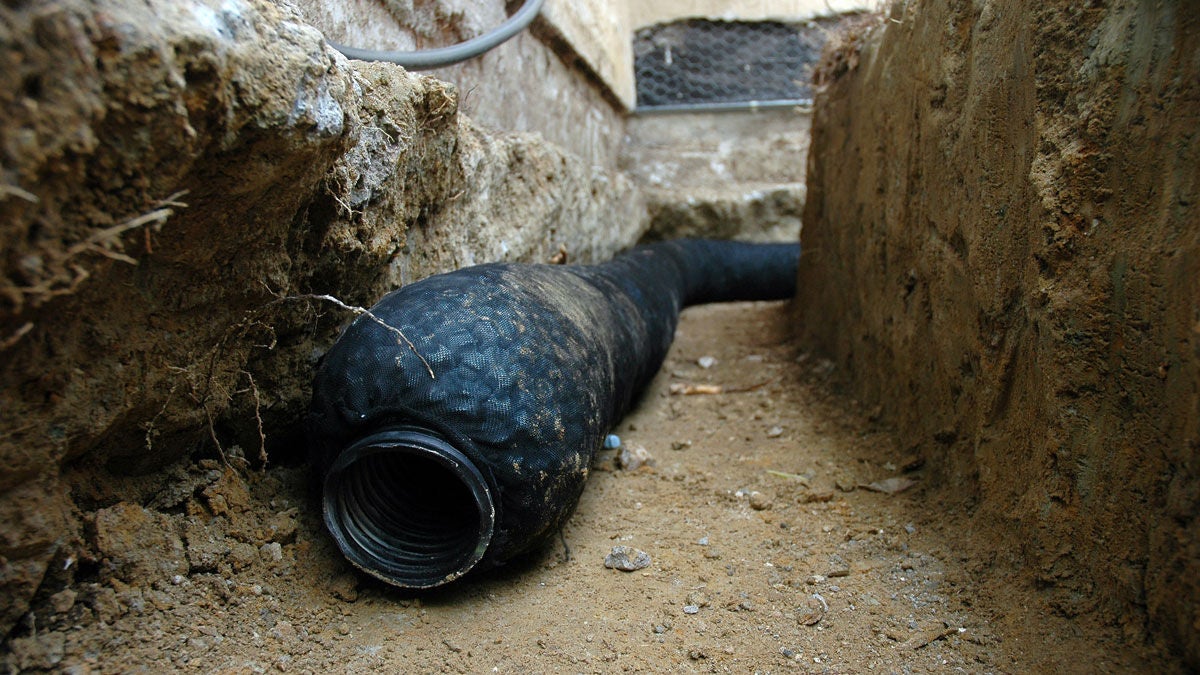
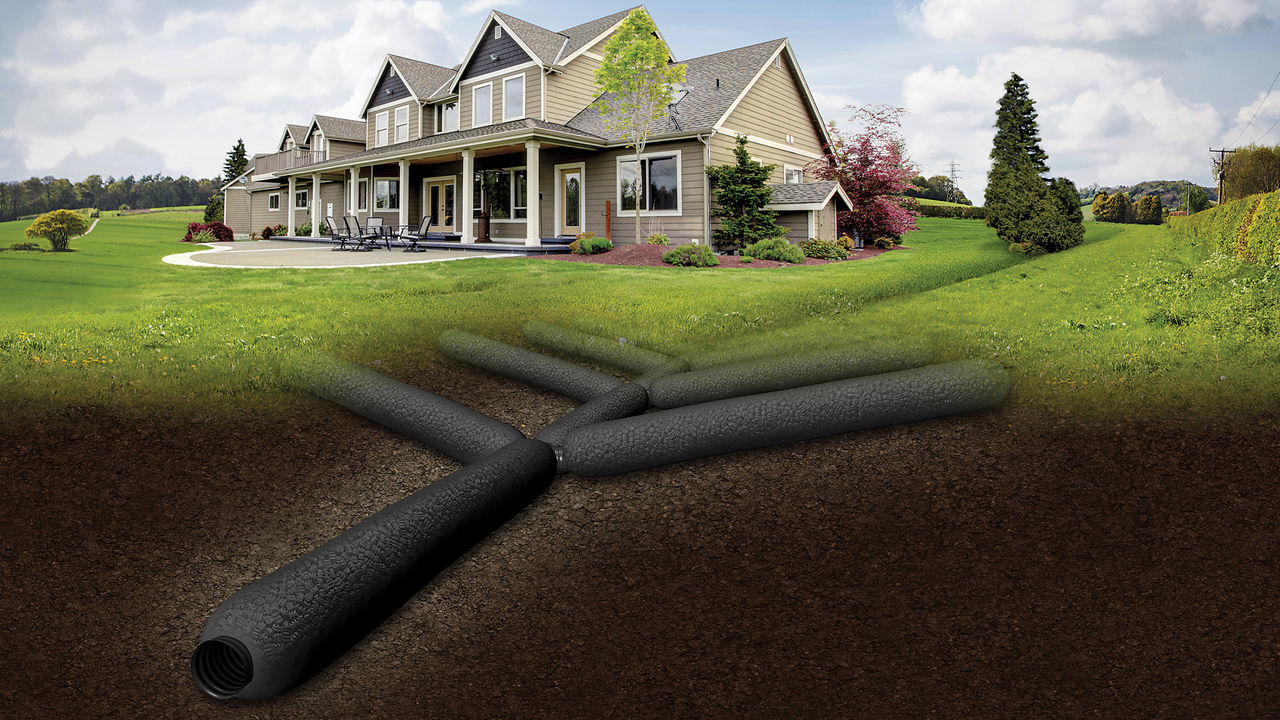
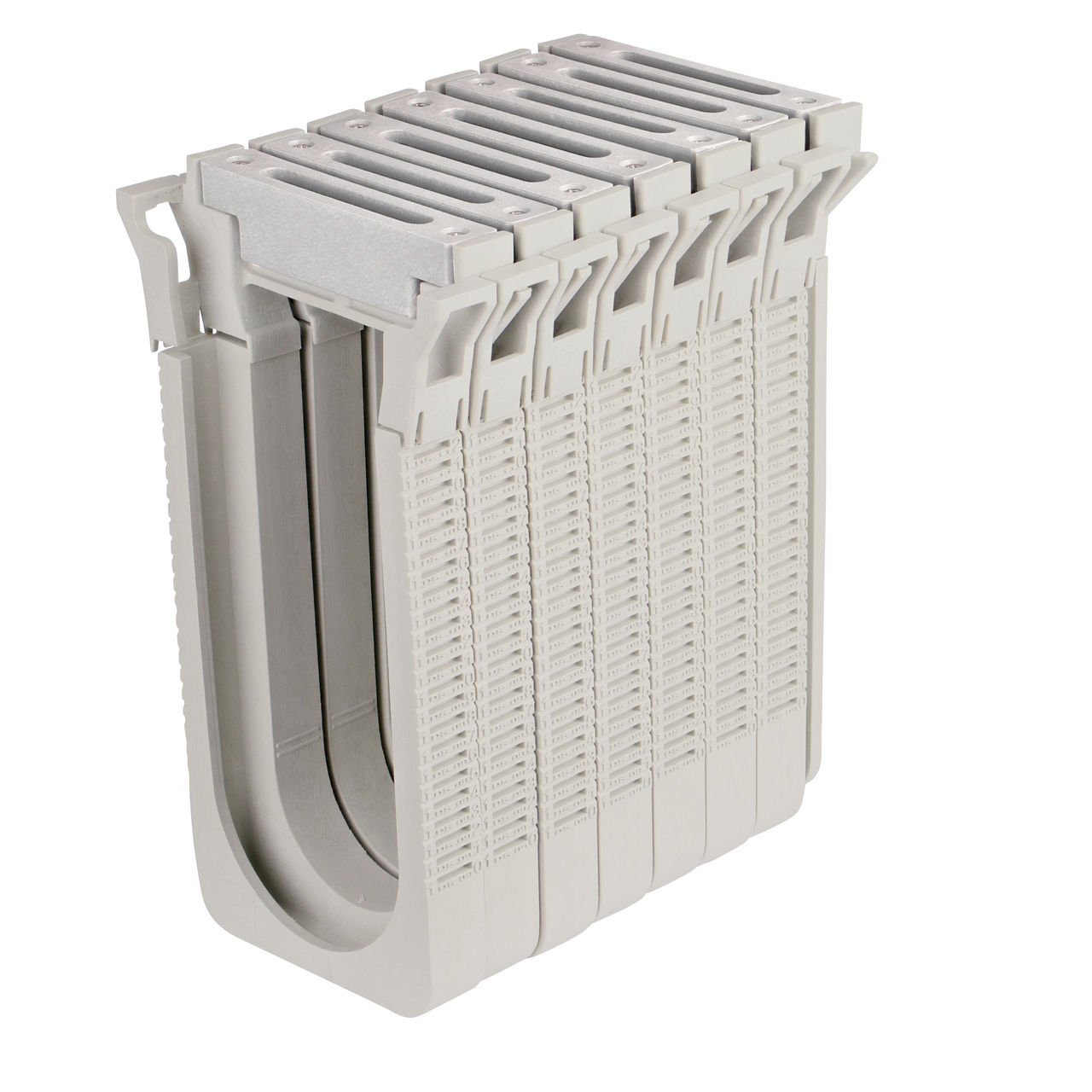
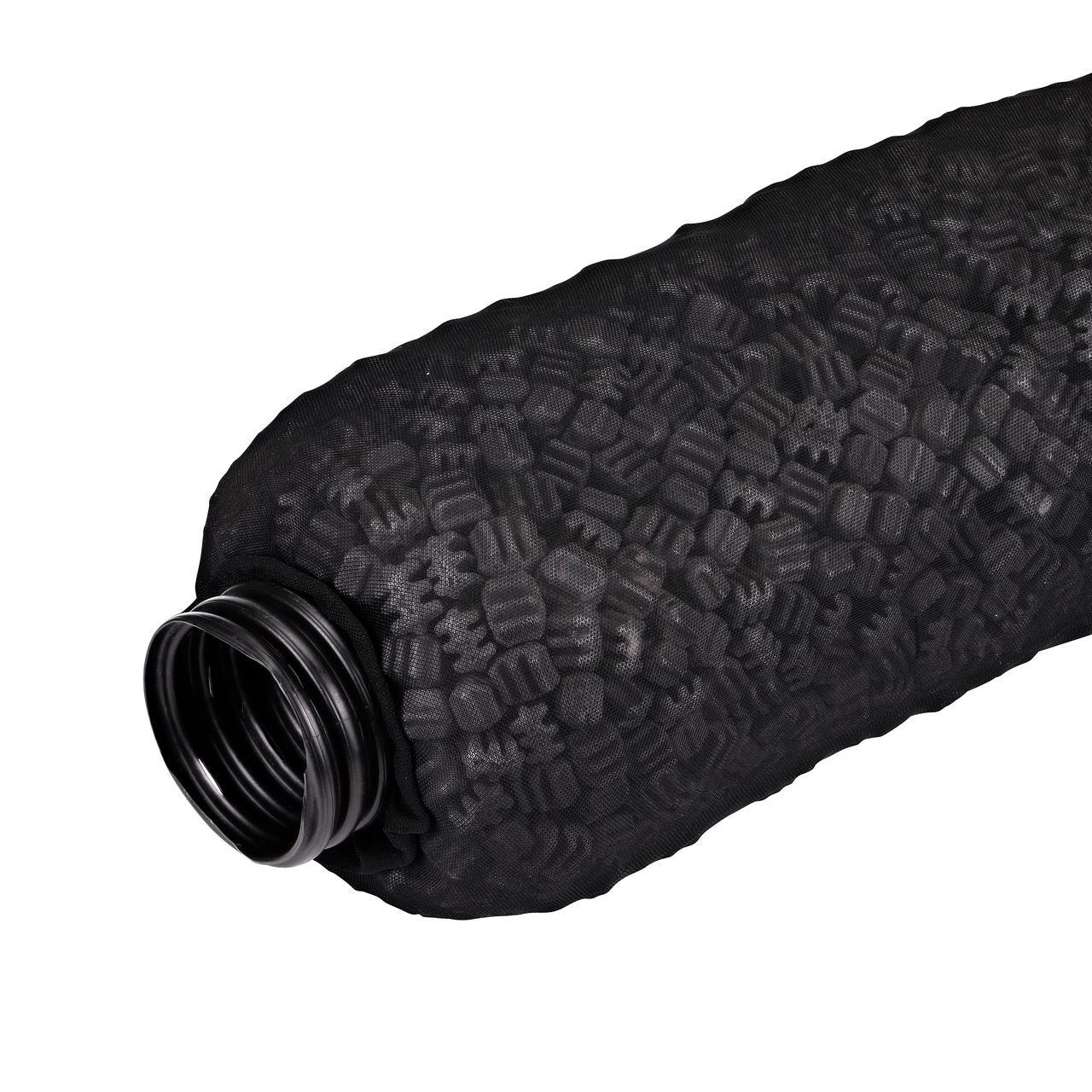
Installing an engineered French drain solution along the foundation
Water next to the foundation
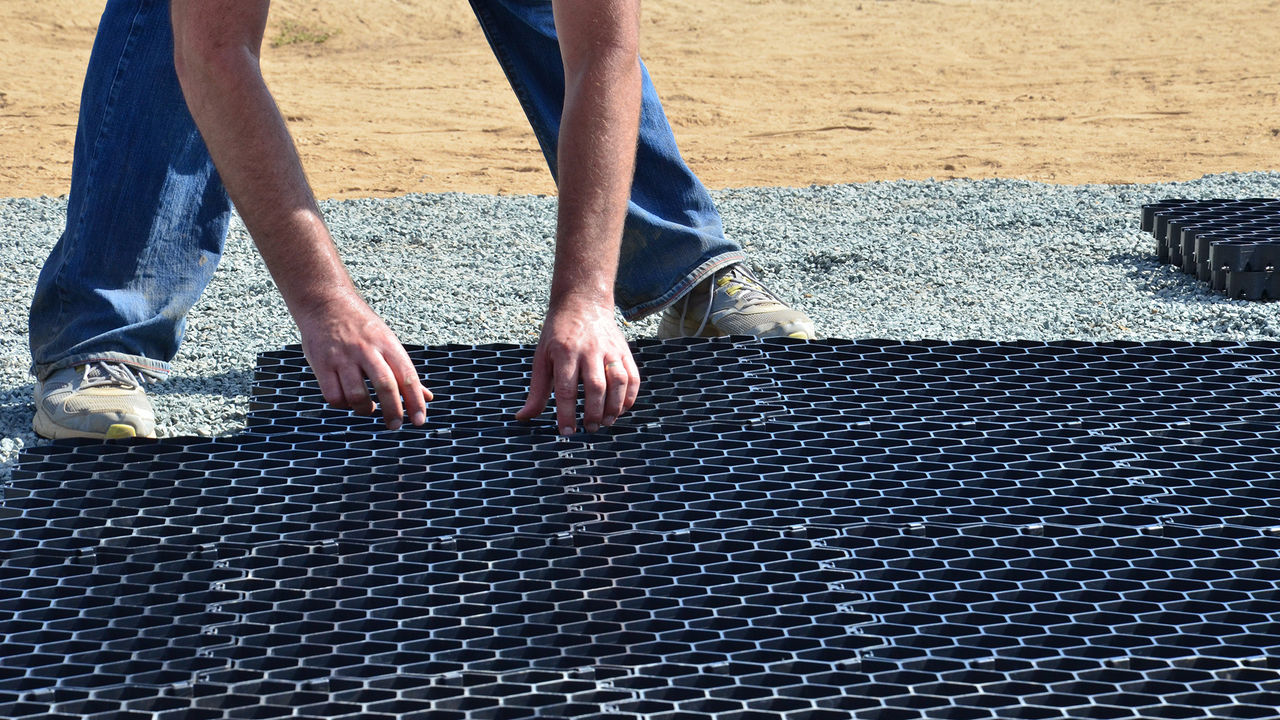
Whether in the form of puddles, excess groundwater, or a combination of both, water that collects near the foundation can cause structural degradation and even enter the home's interior—damaging floors, walls, and more. A French drain works by capturing excess water and relieving hydrostatic pressure on the foundation. The water can be slowly released into the surrounding soil or directed through drain pipe to a discharge point.
|
What homeowners see
|
Puddling adjacent to exterior walls and water seeping into the home |
|
Water management strategy
|
Collect → Convey → Release
|
| Proven drainage solutions |
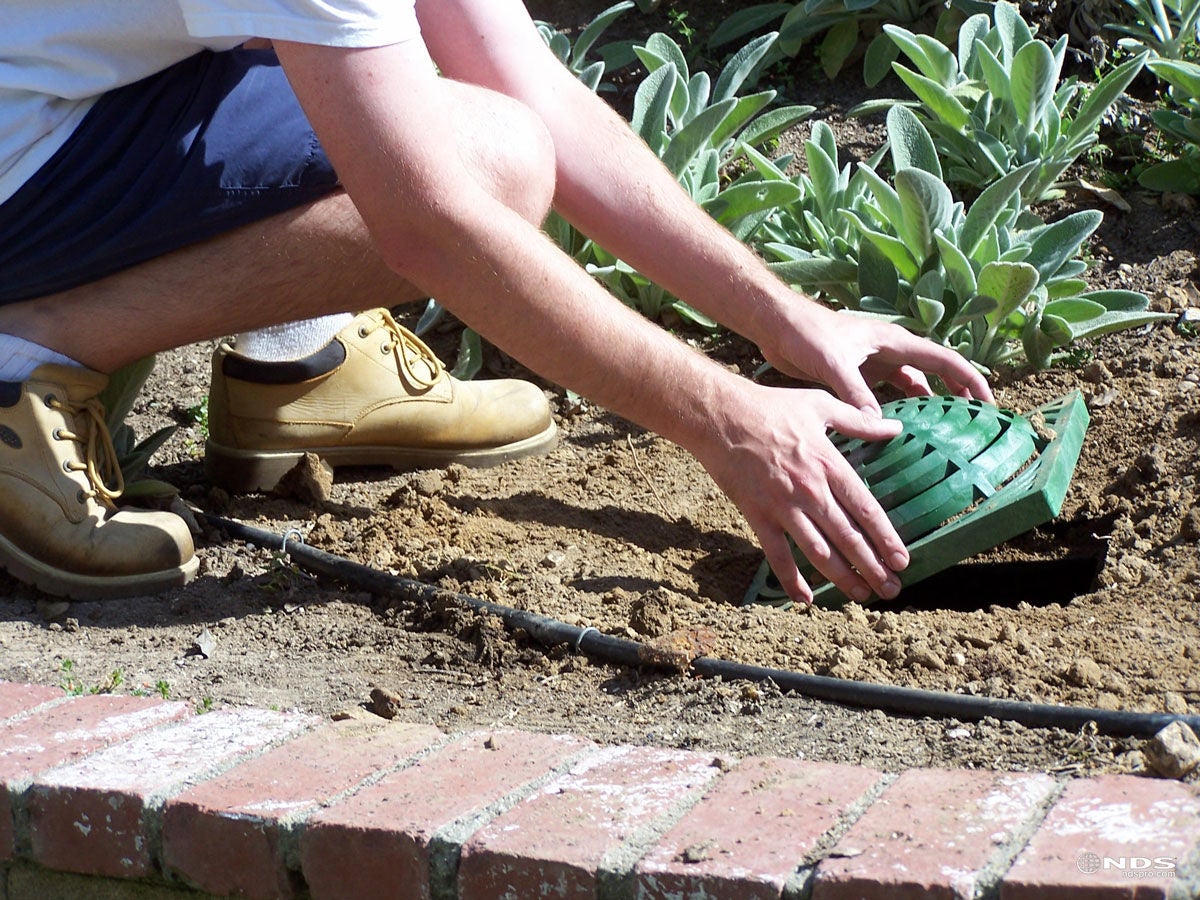
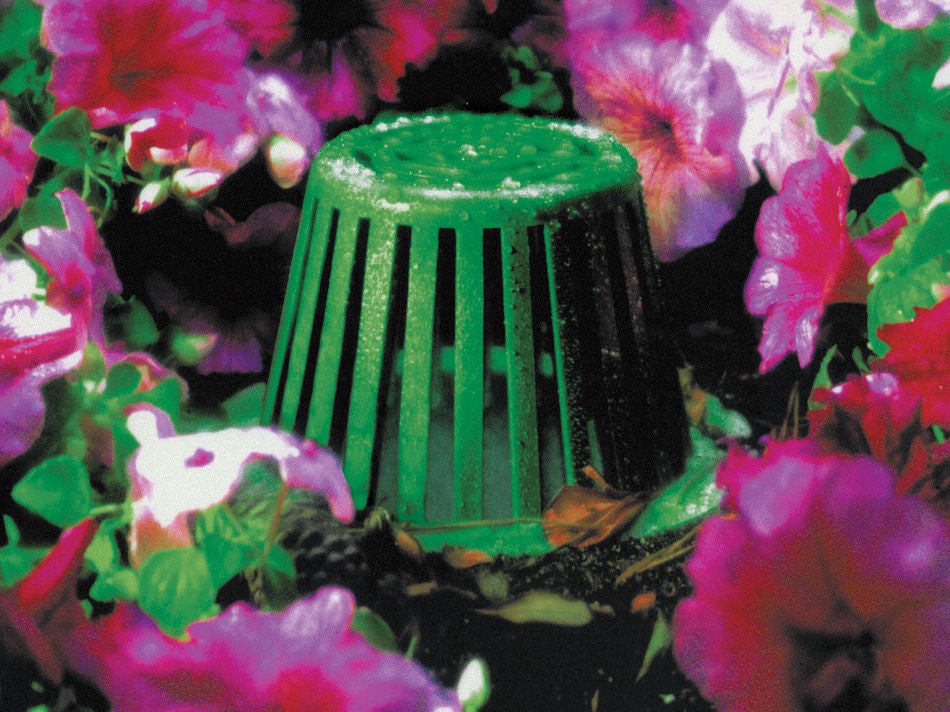
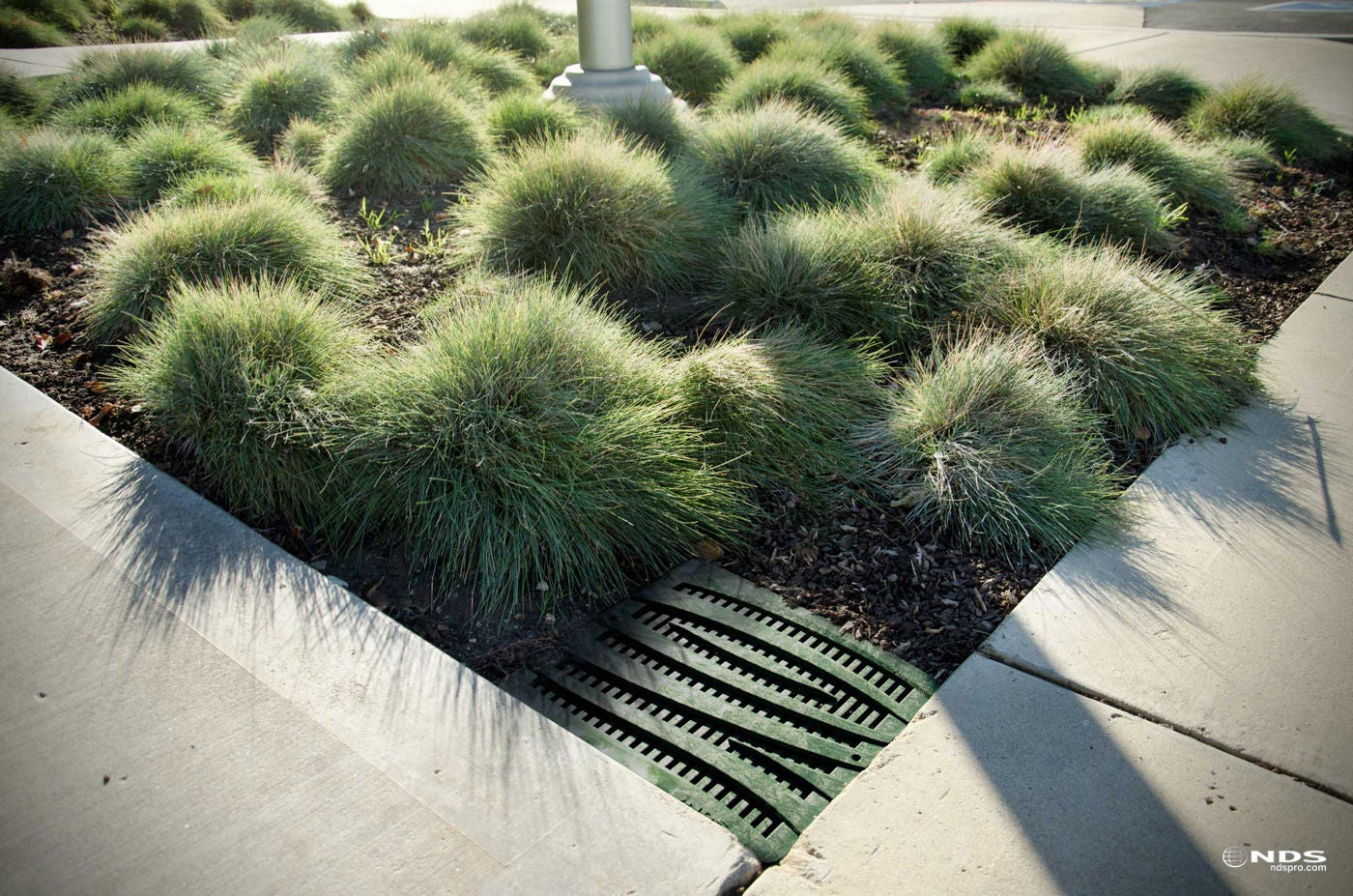
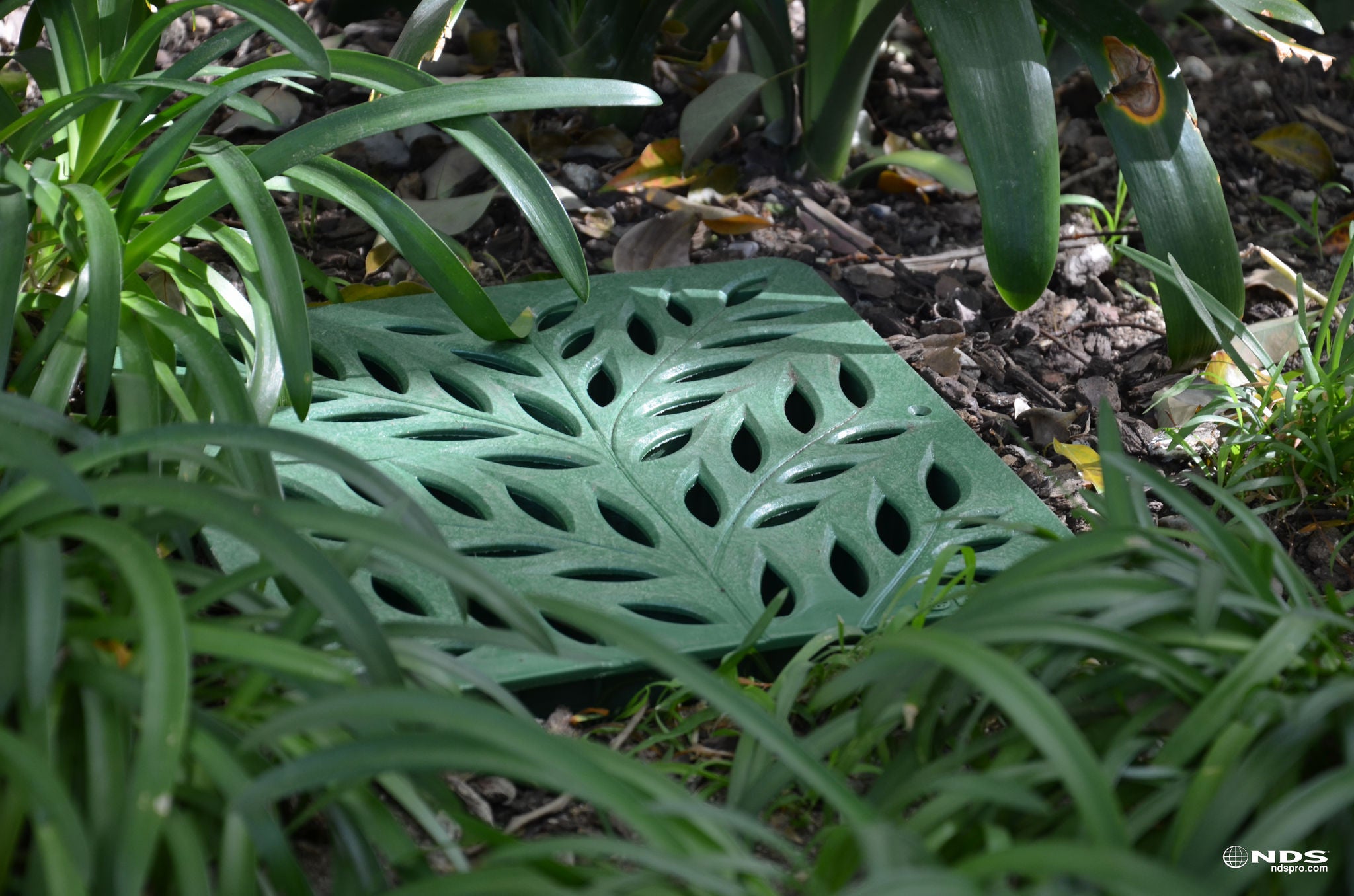
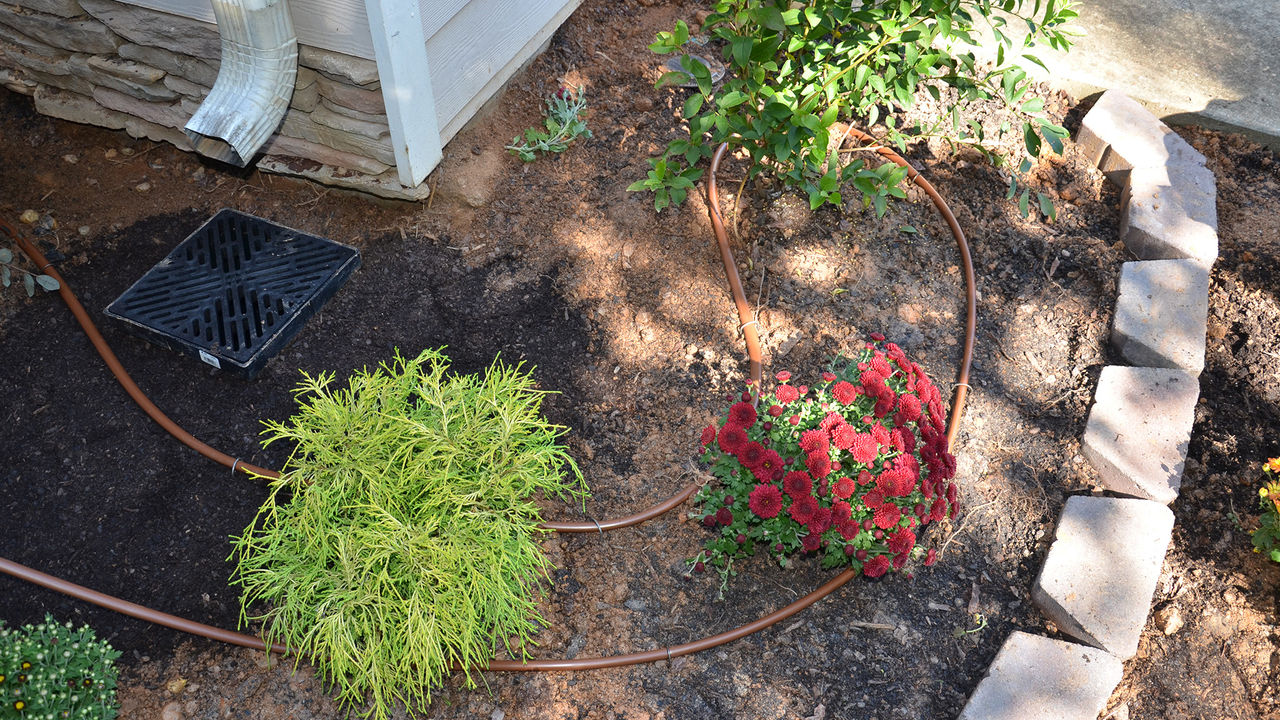
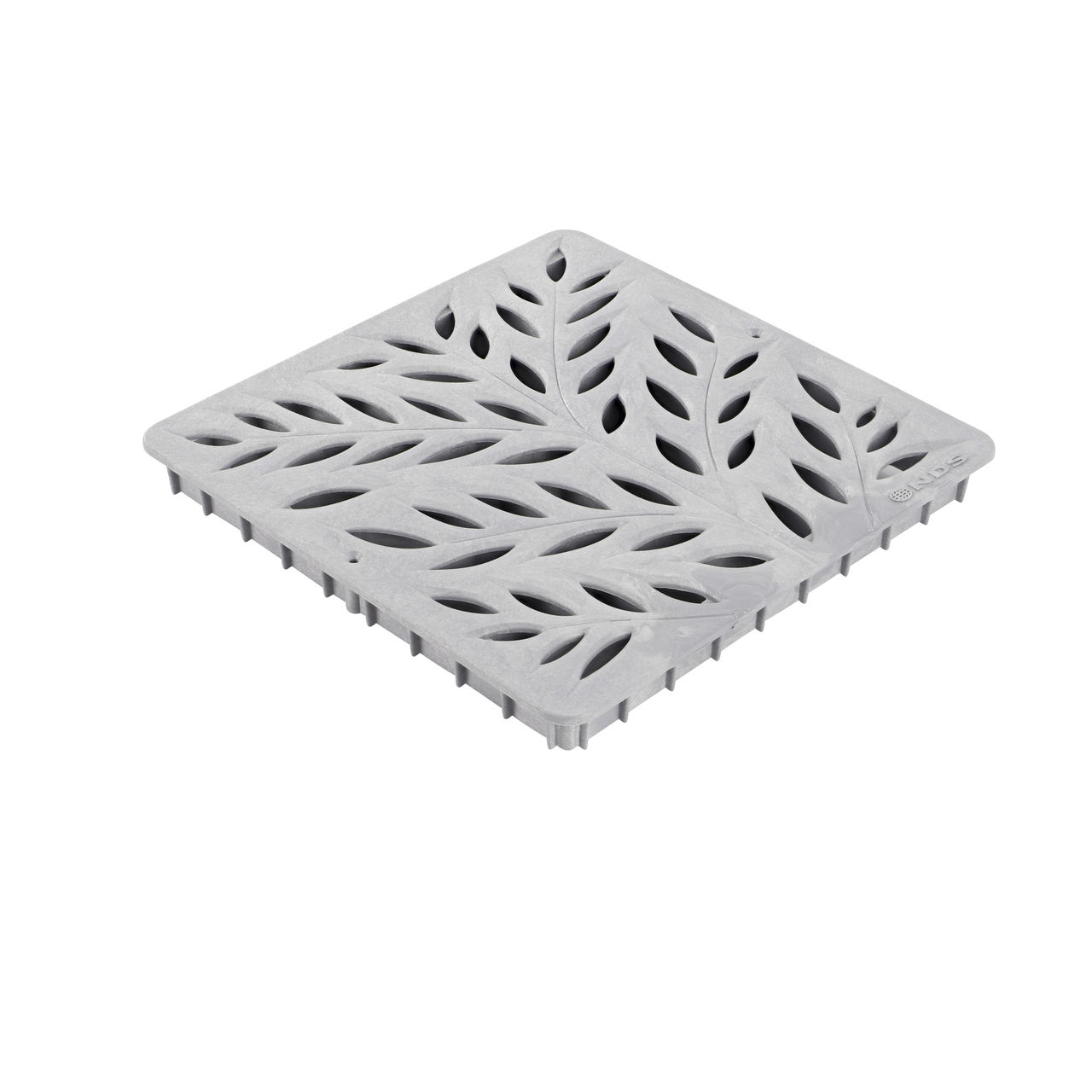
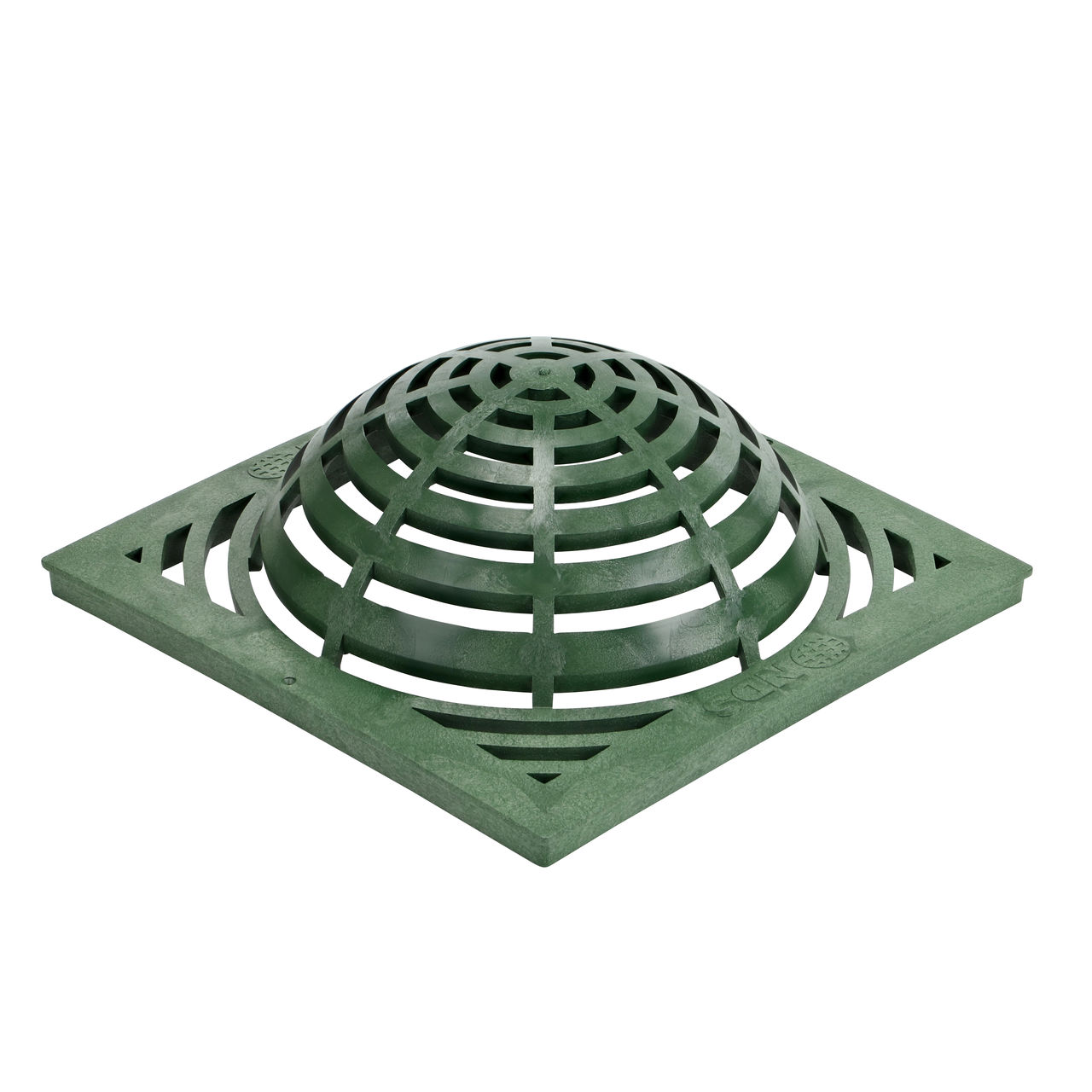
This landscape drainage system features an atrium grate
Pooling in planter beds
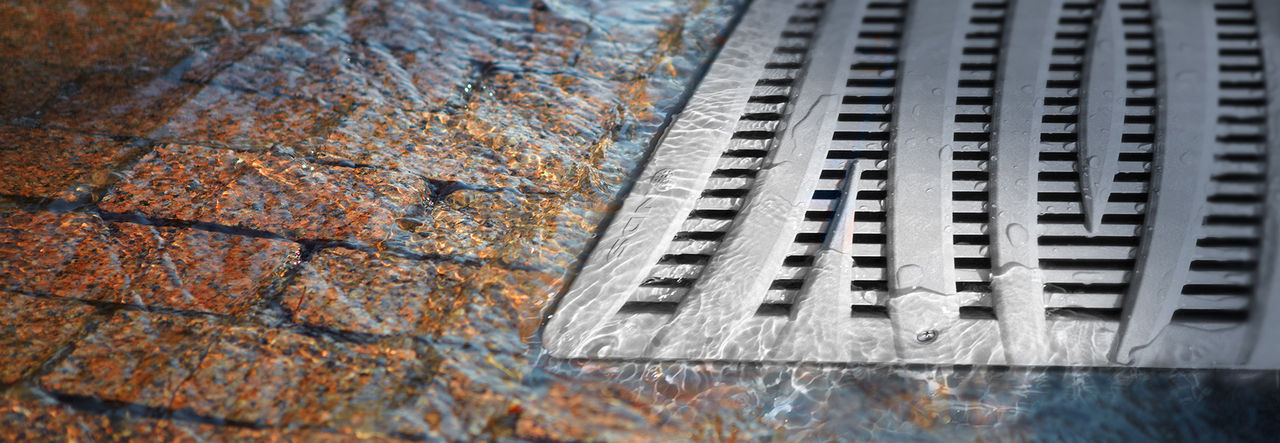
Inadequately drained landscape beds leave soil soggy and plants struggling to survive. Left unchecked, the moist conditions can lead to mold growth and structural problems. An effective solution captures the water and carries it downstream for release.
|
What homeowners see
|
Stagnant water and unhealthy plants
|
|
Water management strategy
|
Collect → Convey → Release
|
| Proven drainage solutions |
PRO TIP: Check out the NDS YouTube channel for step-by-step tips and how-to tutorials. These videos are a great place to start: How to Install a Catch Basin, How to Install Gravel-free French Drain, How to Install a Channel Drain, How to Install the NDS Flo-Well Dry Well, and Release Runoff with the NDS Pop-Up Emitter.
Get your business ready for El Niño storm season
Wetter weather can make homeowners more aware of runoff problems and more motivated to fix them. Contractors who prepare now will be in the best position to meet this demand—whether it arrives before, during, or after a storm. Expanding your expertise with the NDS PRO Drainage Course can help reinforce your understanding of water management best practices and product installation techniques so that you can handle complex El Niño drainage projects with confidence.
For additional stormwater management resources, visit the NDS website or reach out to our dedicated support team for guidance.