


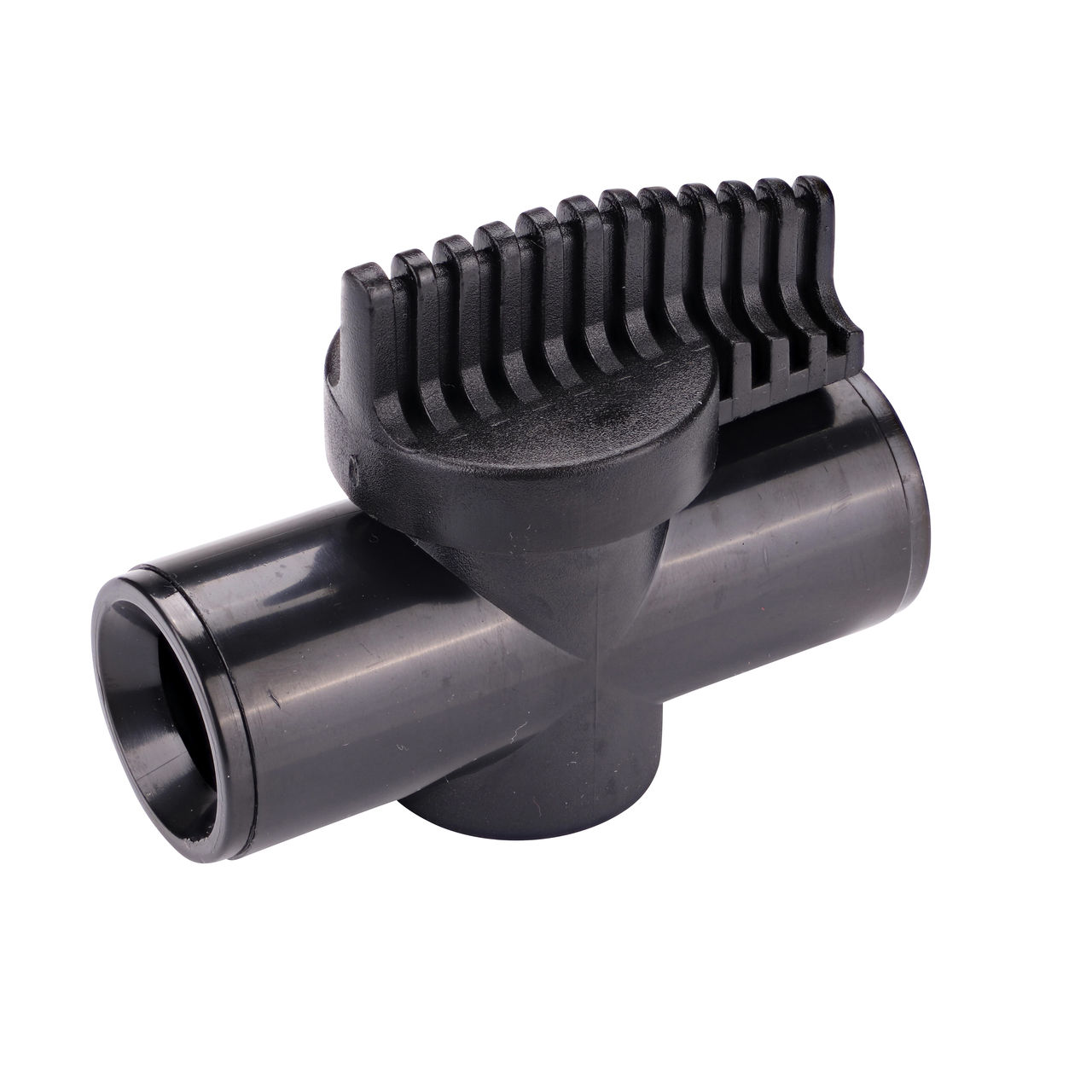
What Is Drip Irrigation? The Expert Guide to Water-Efficient Landscaping
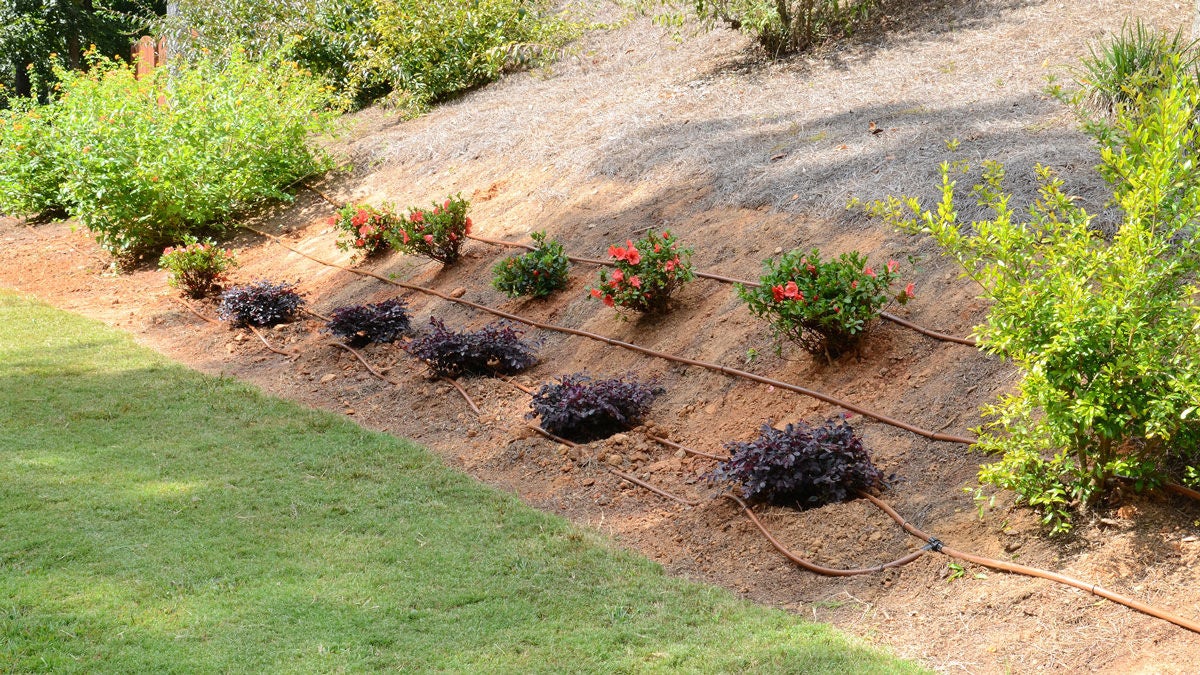
Introduction to drip irrigation
What is drip irrigation, and why are so many homeowners shifting from traditional sprinkler systems? Drip irrigation can reduce outdoor water use by as much as 70% compared to sprinklers while helping plants thrive. This efficient watering method is one of the most significant advances in modern landscaping, offering both cost savings and sustainability.
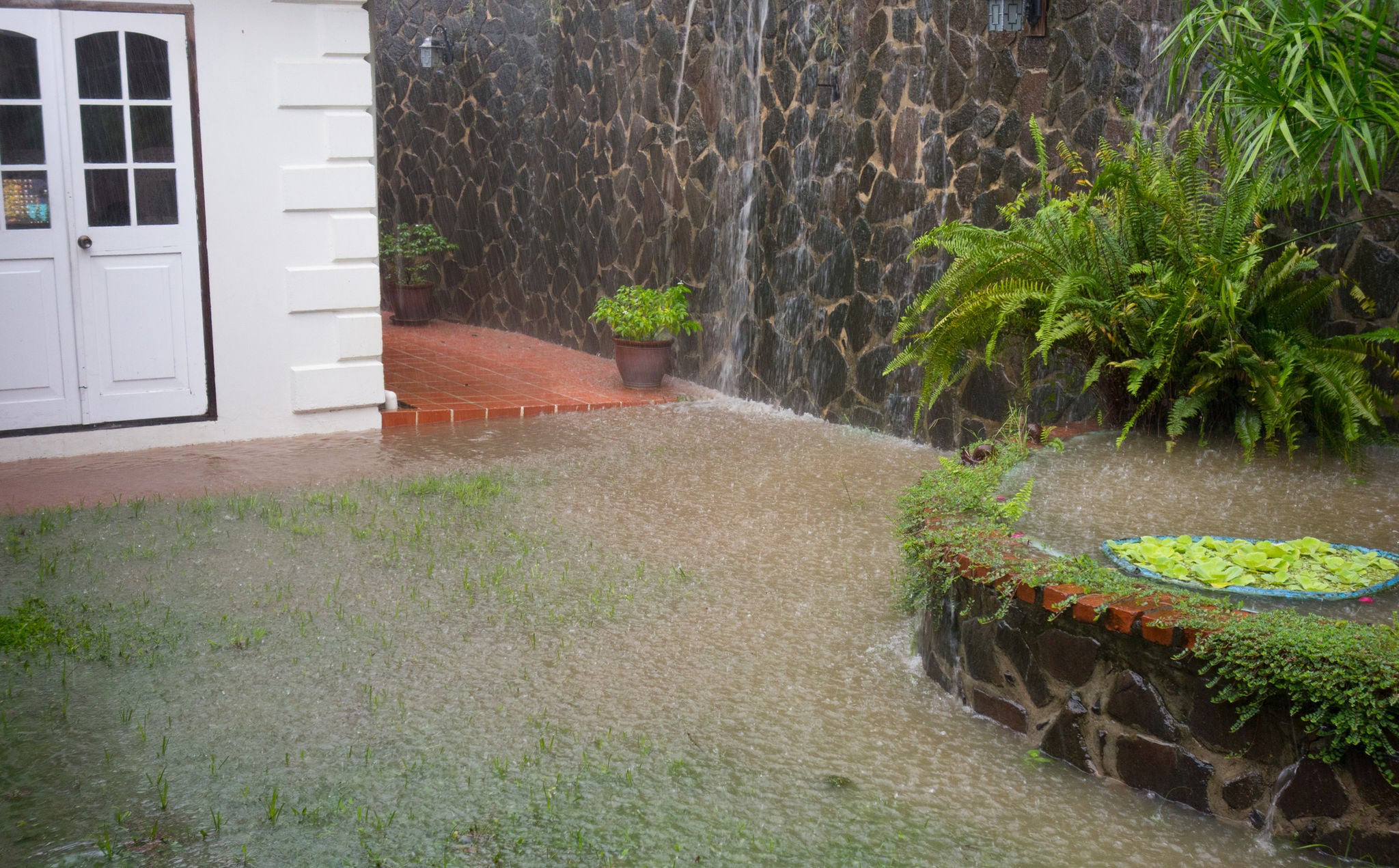
Water scarcity is a growing concern around the world, making efficient irrigation more important than ever. Traditional sprinklers often waste water through evaporation, wind-driven spray, poor soil absorption that causes runoff, and inefficient targeting. By contrast, drip irrigation delivers water directly to the plant root zone through tubing, emitters, and valves, avoiding the waste that’s otherwise associated with overhead watering.
This guide explains important aspects homeowners and DIYers need to know about drip irrigation: how it works, its key components, types of systems, their benefits, and using them for effective water conservation. Whether you’re caring for a small garden or managing an extensive landscape, drip irrigation provides a reliable, sustainable, and cost-effective solution.
Understanding drip irrigation systems
Drip irrigation definition and basic principles
Drip irrigation, also called trickle irrigation or a drip system, is a micro-irrigation method that delivers water slowly and directly to plant root zones. Unlike sprinklers, which spray large surface areas, drip systems apply water precisely where it is needed.
The principle is simple: water is delivered at a controlled, low pressure, allowing soil to absorb moisture gradually without runoff or evaporation. This ensures plants receive optimal hydration while homeowners reduce water waste.
Pro Tip: According to the EPA, nearly half of outdoor water use is lost to wind, evaporation, or runoff when using traditional irrigation methods. Drip irrigation addresses this problem head-on.
How does drip irrigation work?
Here’s a step-by-step view of how drip irrigation works:
- Water source = Your main water supply connects to the system, often through a garden hose, rain barrel, or dedicated line.
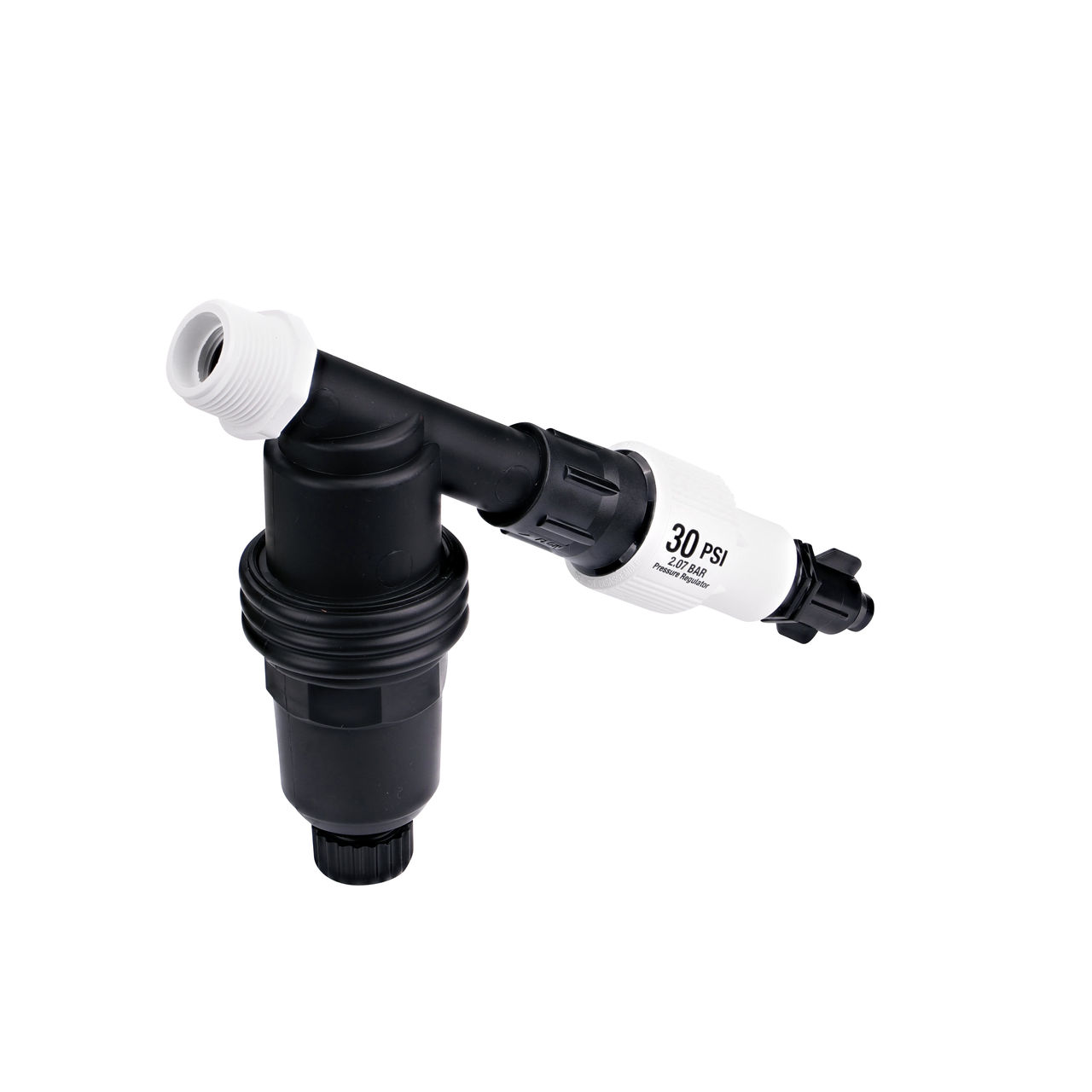
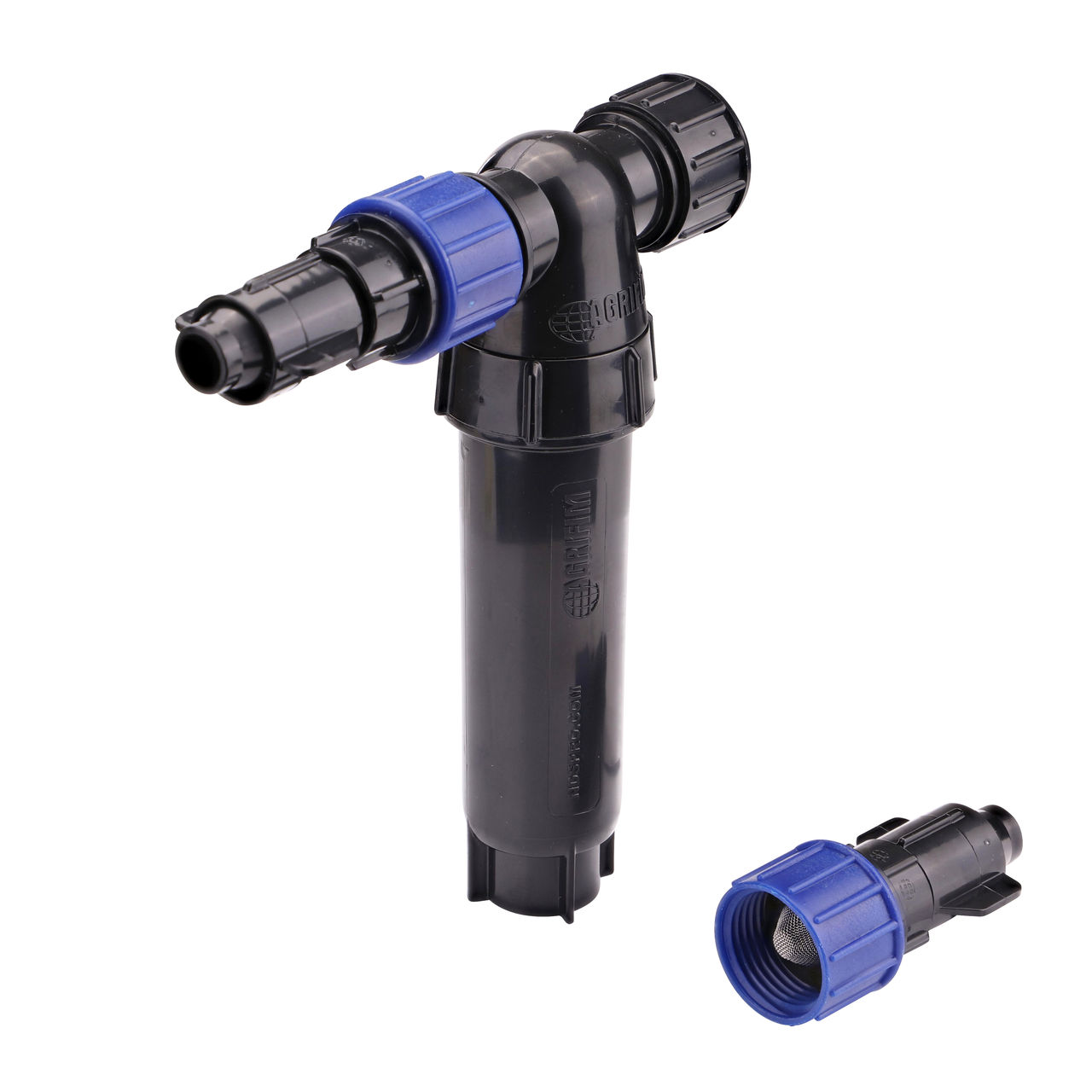
- Filtration & regulation = Filters remove debris, while regulators reduce household pressure (40–60 PSI) to the 15–30 PSI needed for drip systems.
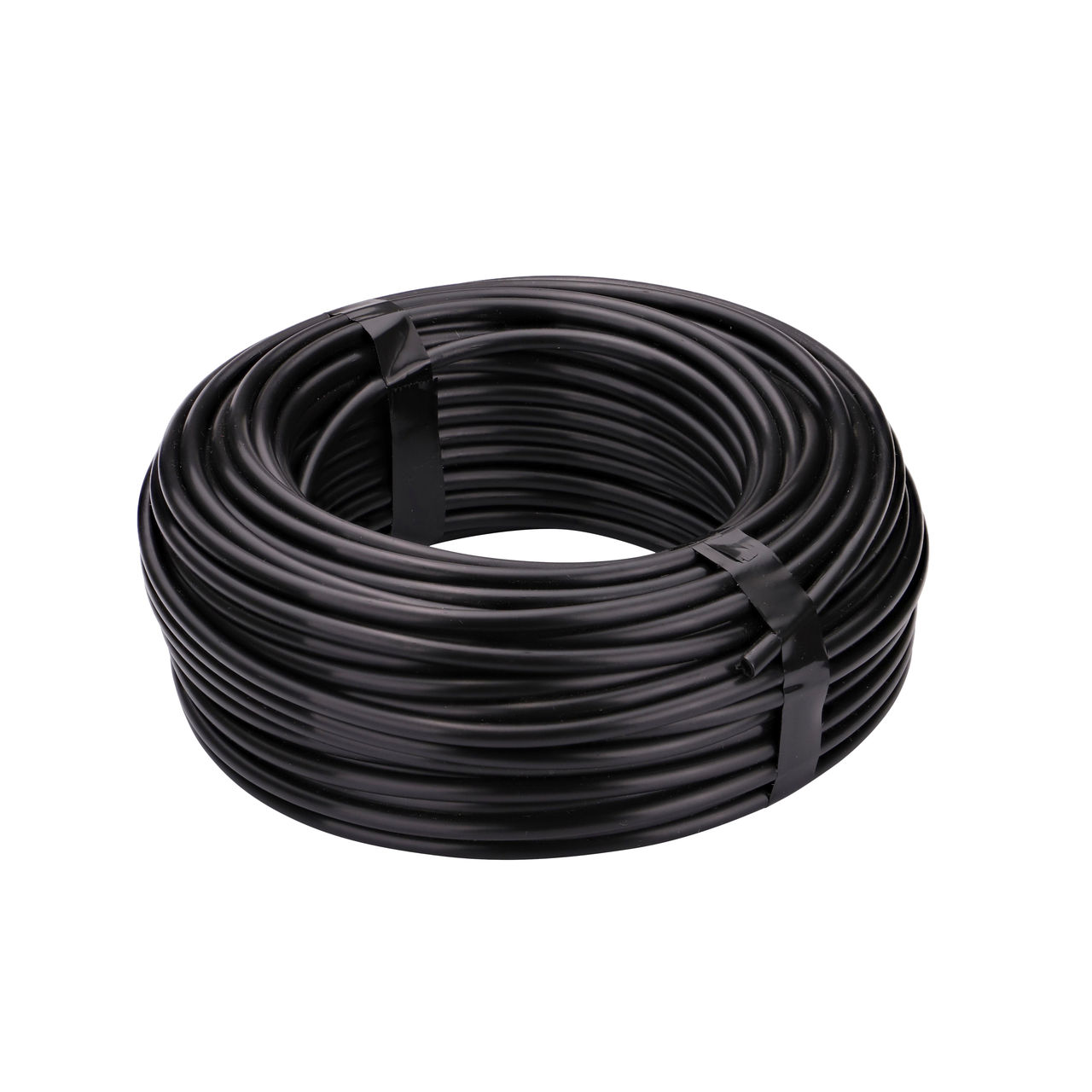
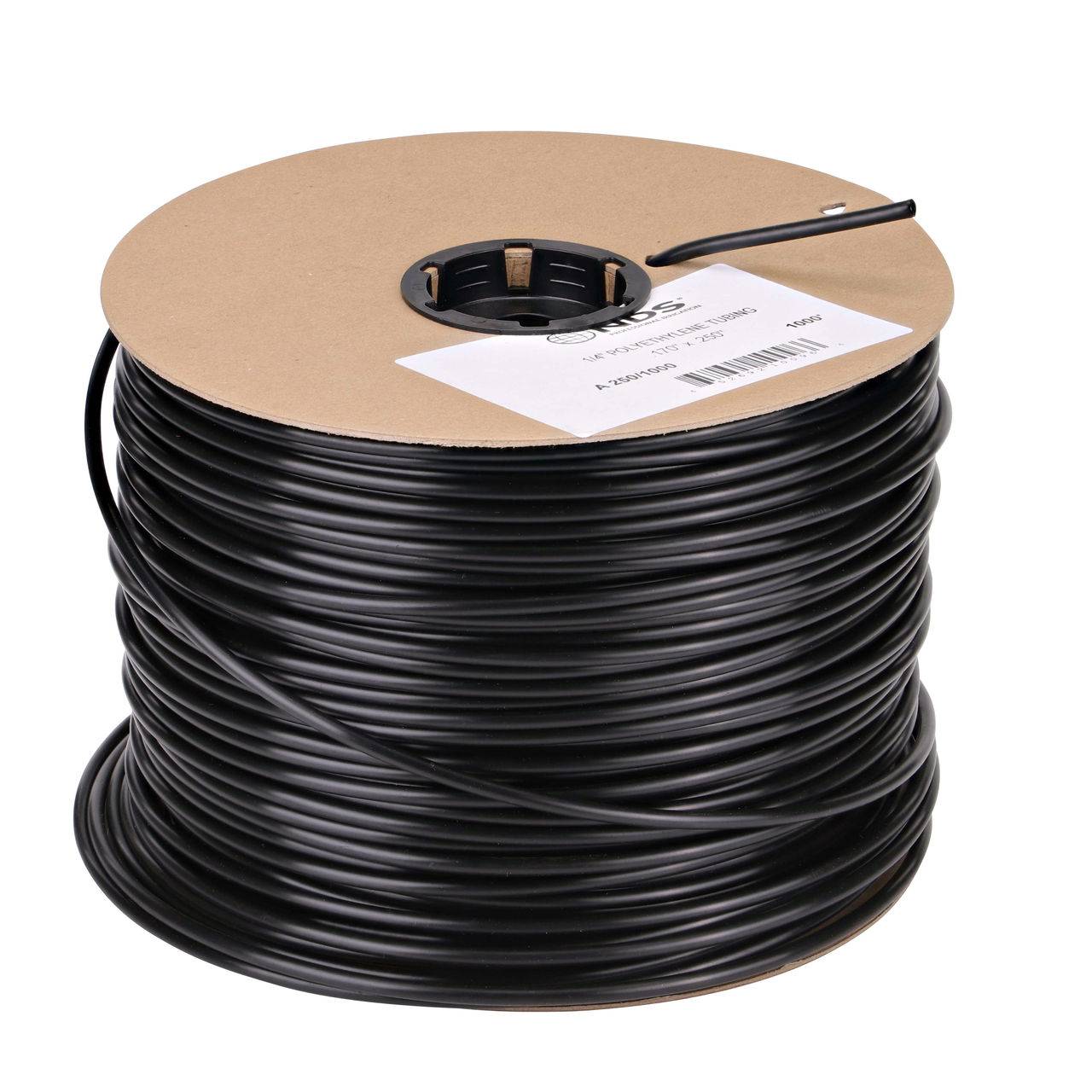
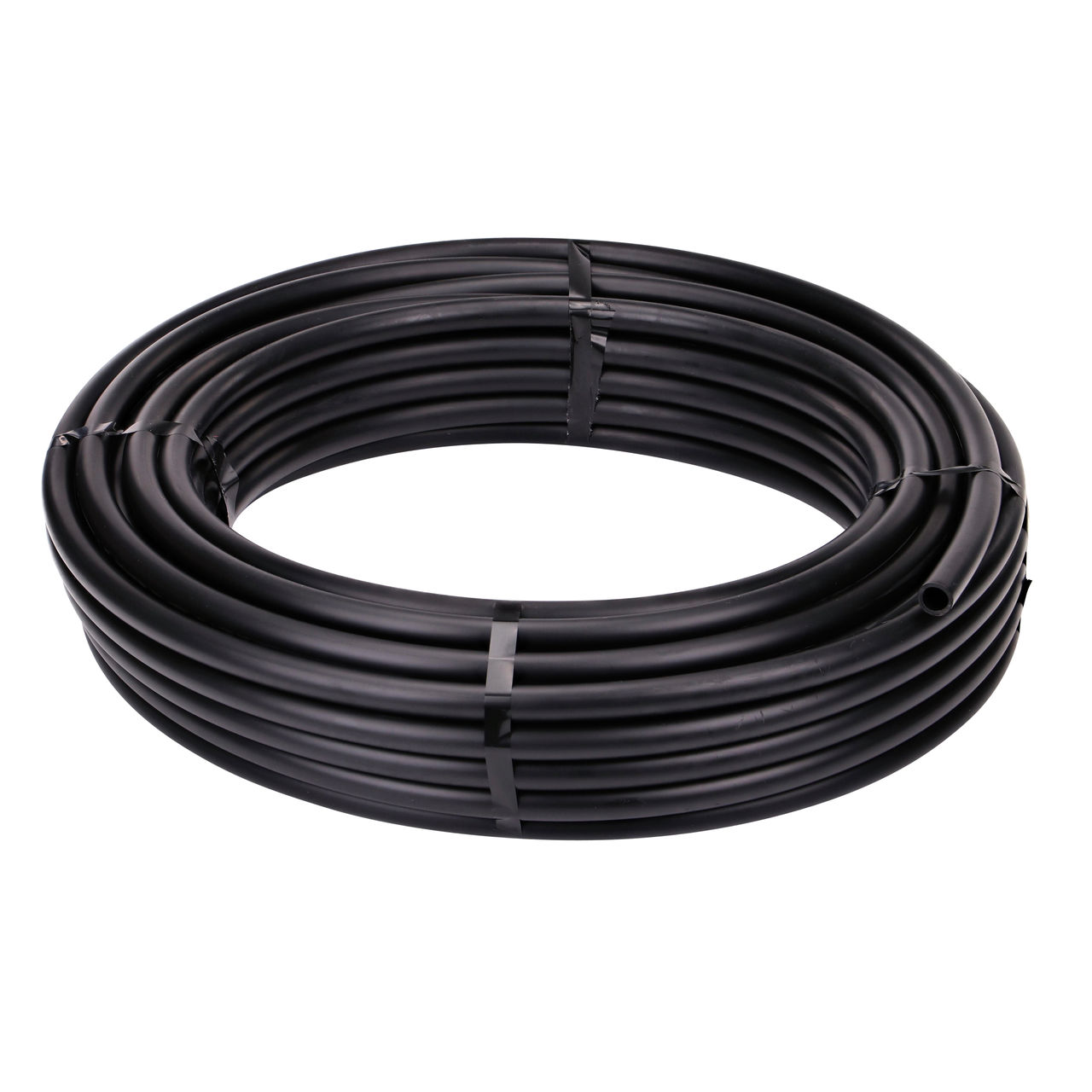
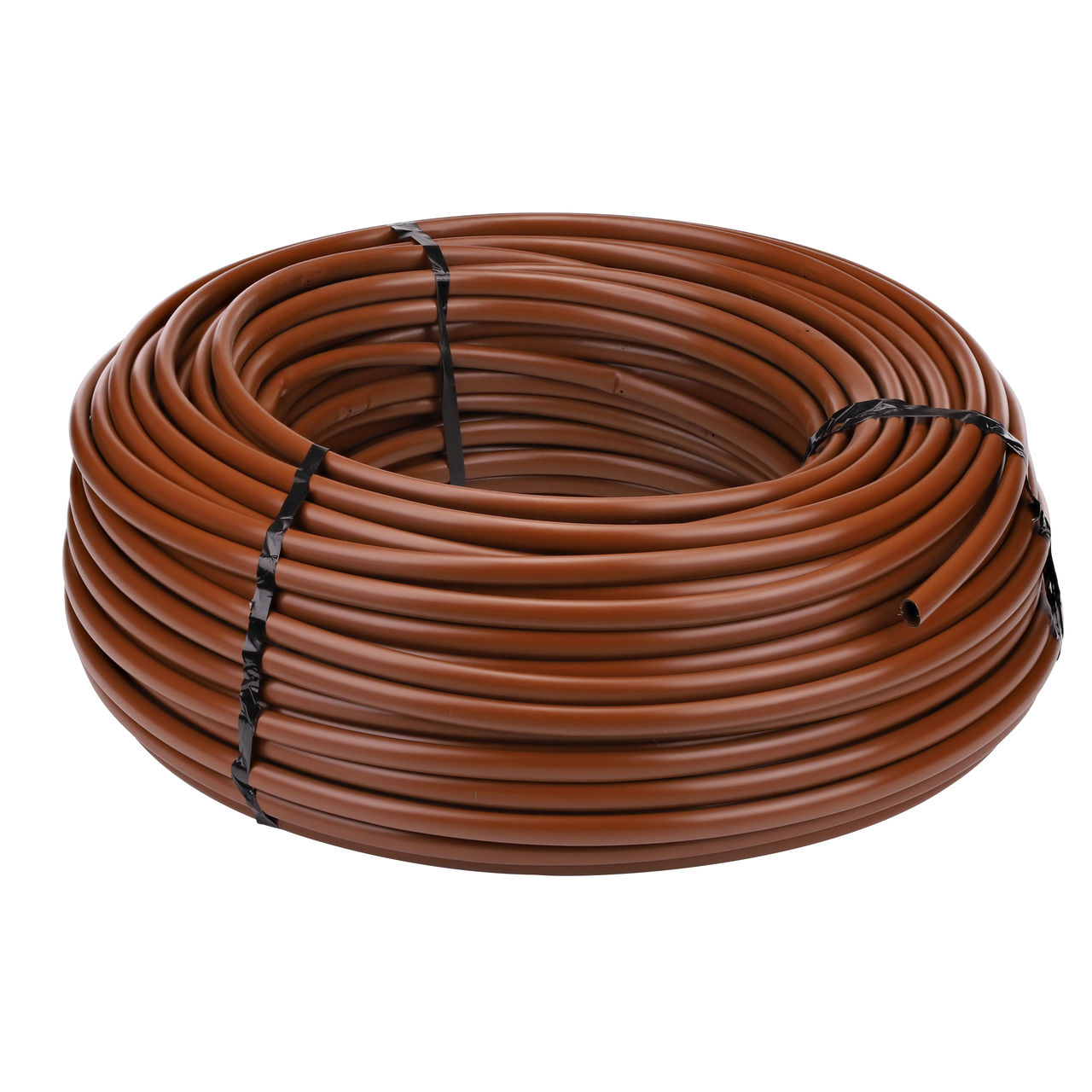
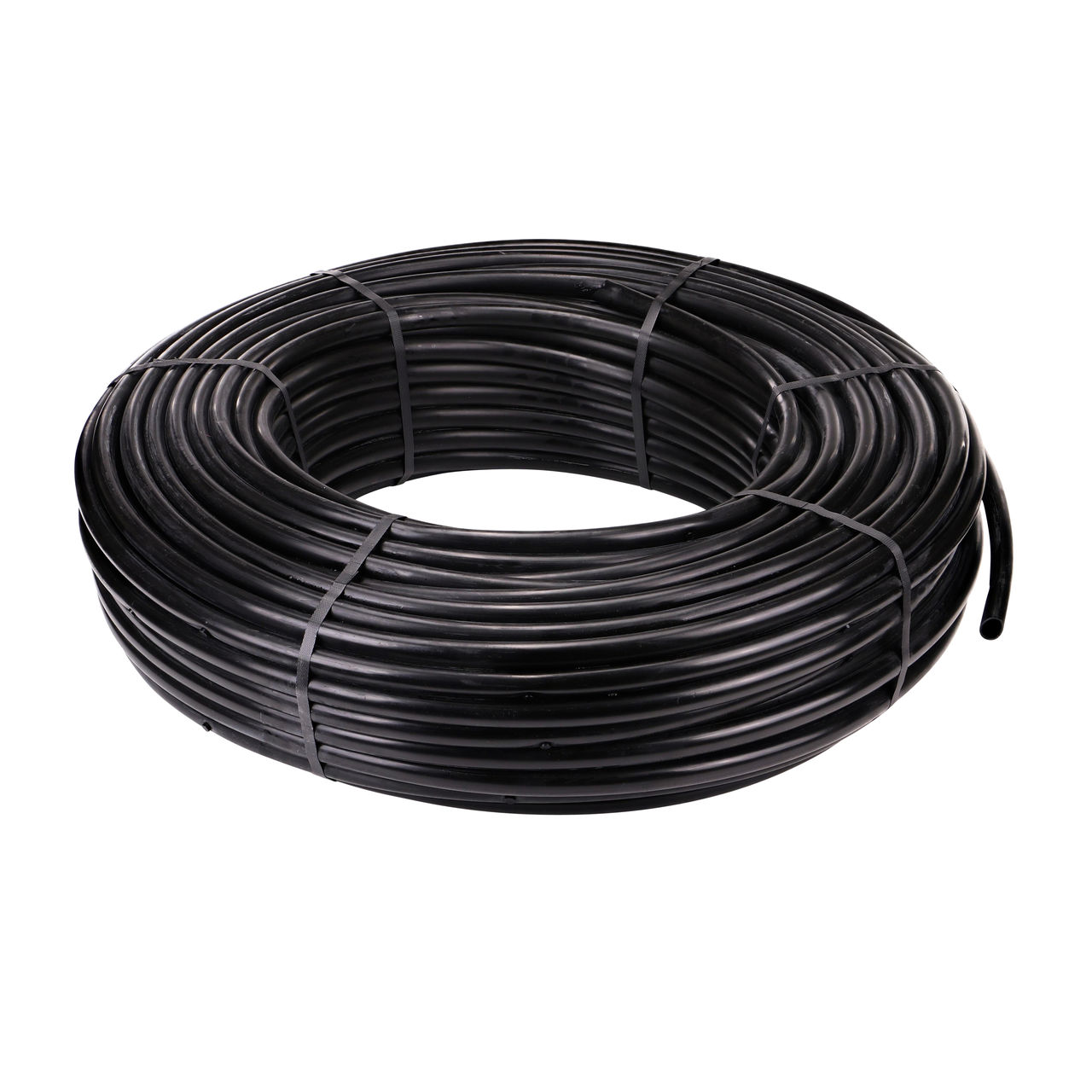
- Supply tubing lines = Larger tubing delivers water to zones across your landscape.
- Distribution tubing = Smaller tubing which branches off from the distribution or supply tubing to carry water closer to plants.
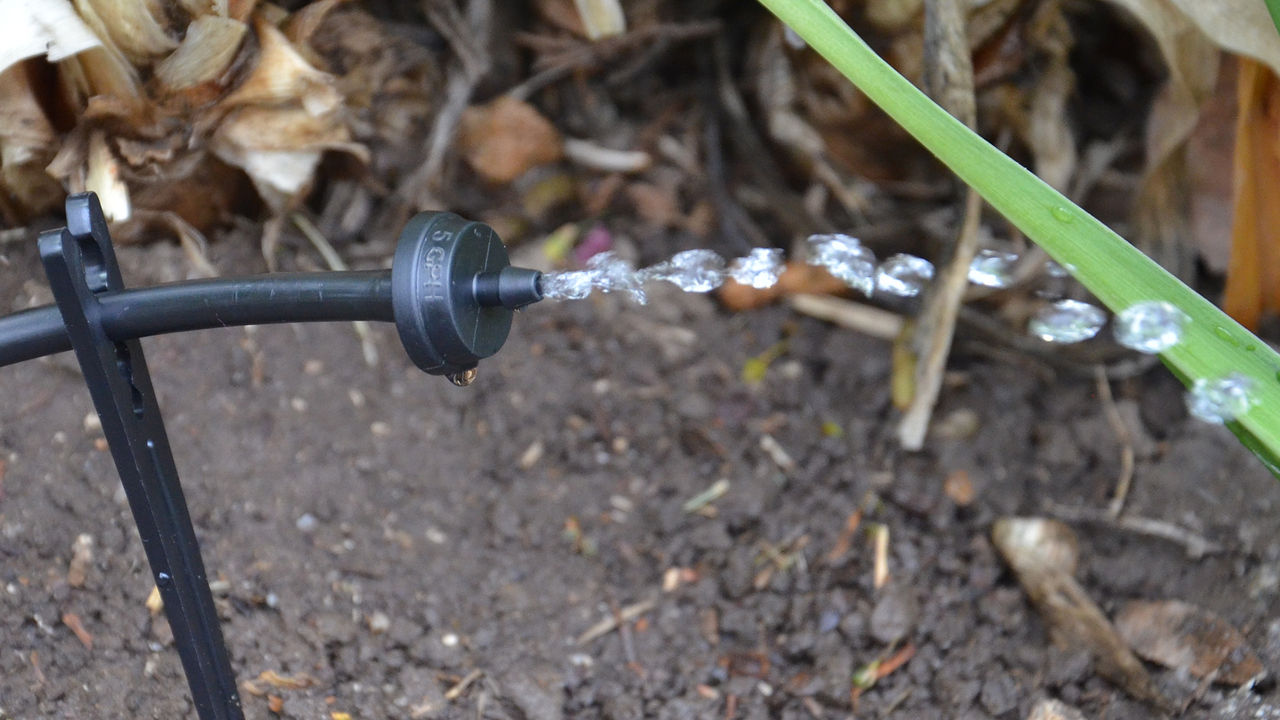
- Emitters = Positioned near root zones, emitters release precise amounts of water—typically 0.5–4 gallons per hour.
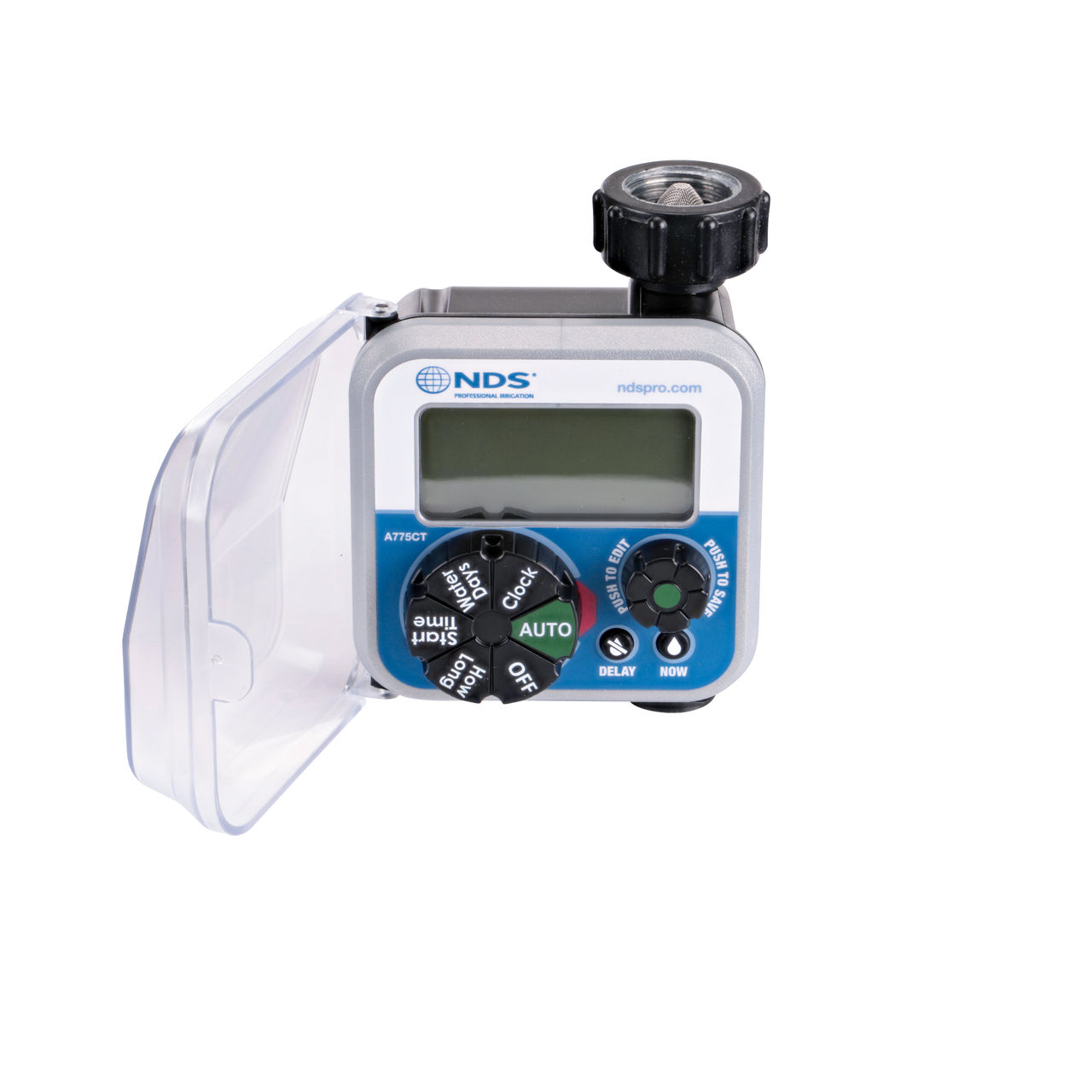
- Automation = Timers or smart controllers regulate watering schedules, saving time and effort.
This process ensures water goes exactly where plants need it with minimal waste.

Components of a drip irrigation system
Water source and point of connection
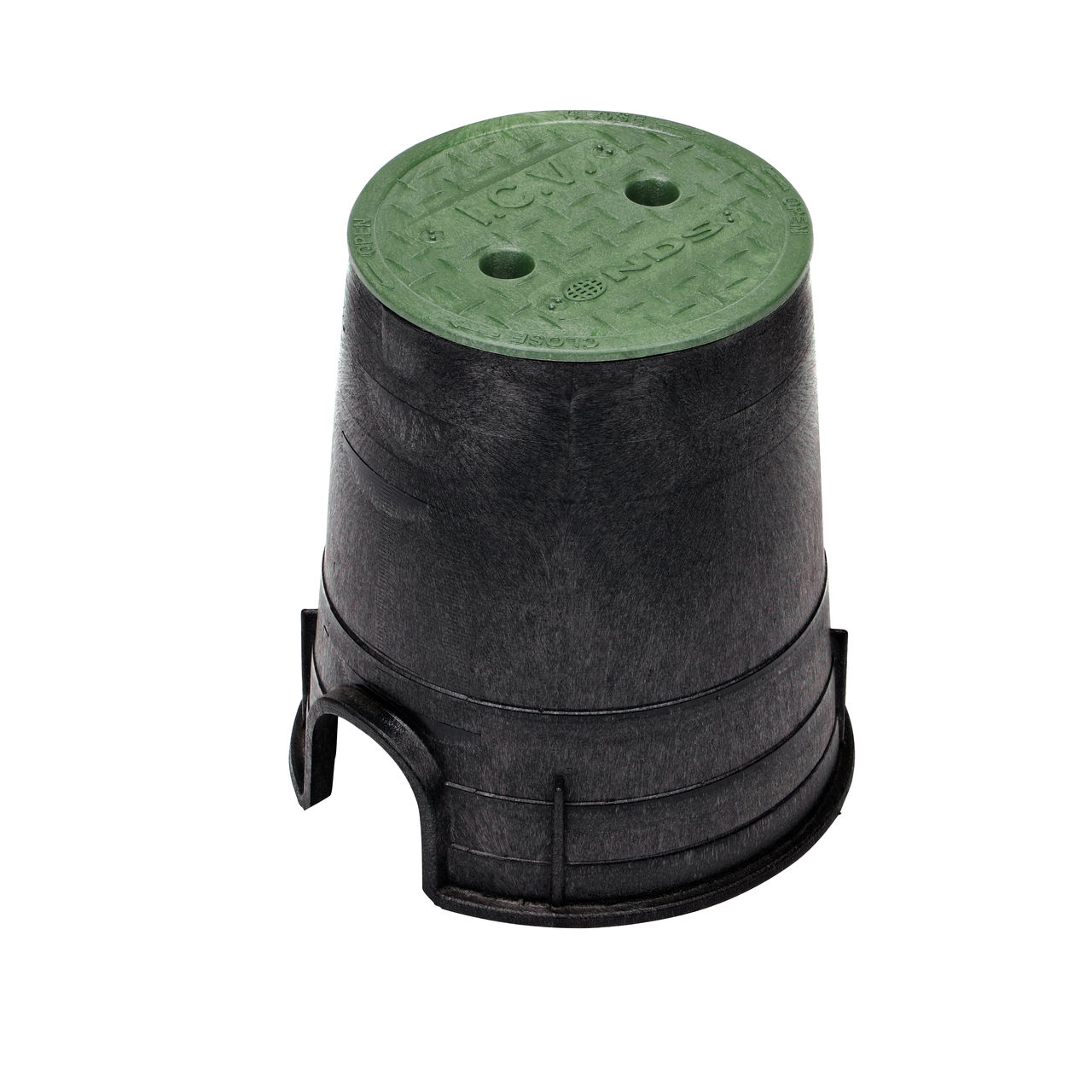
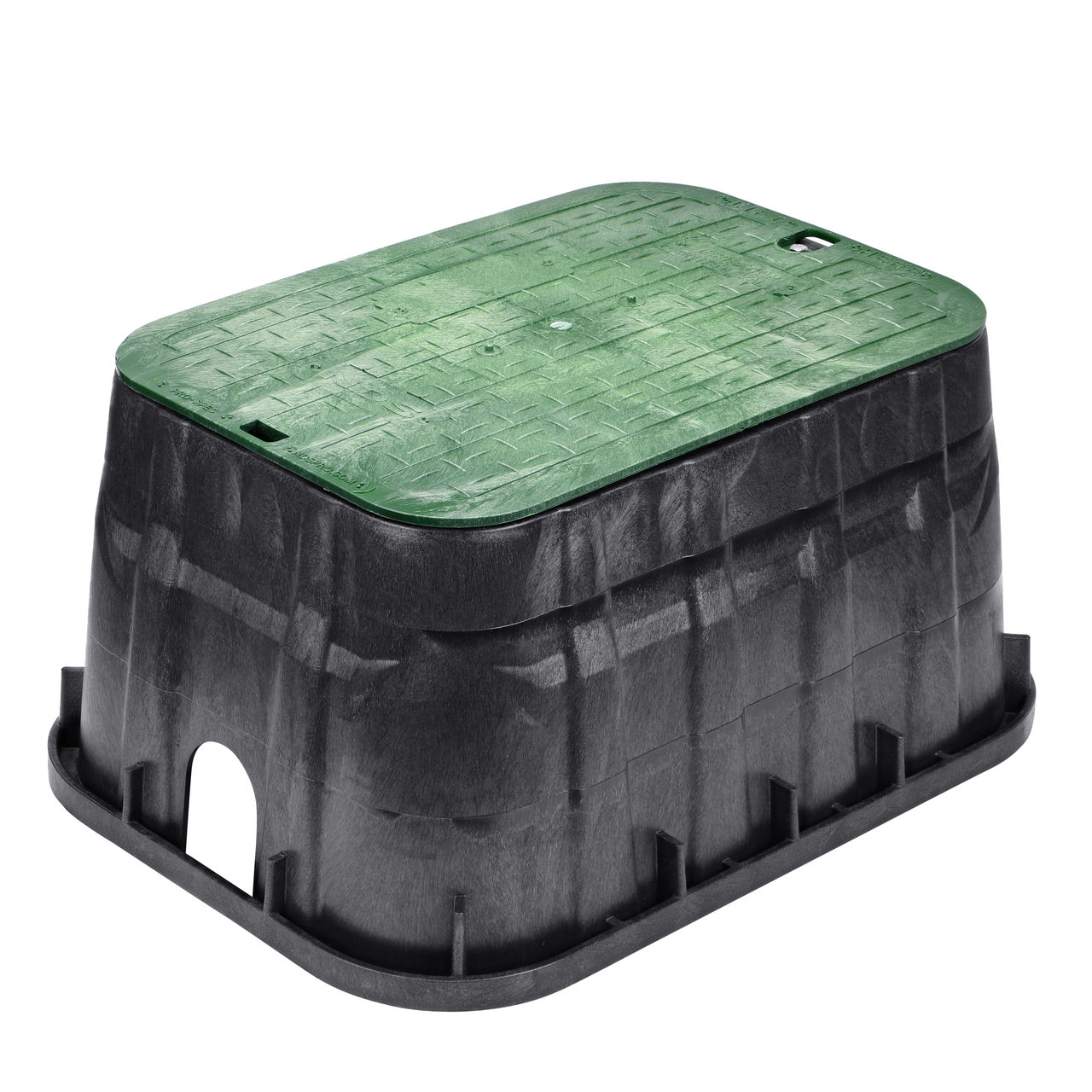
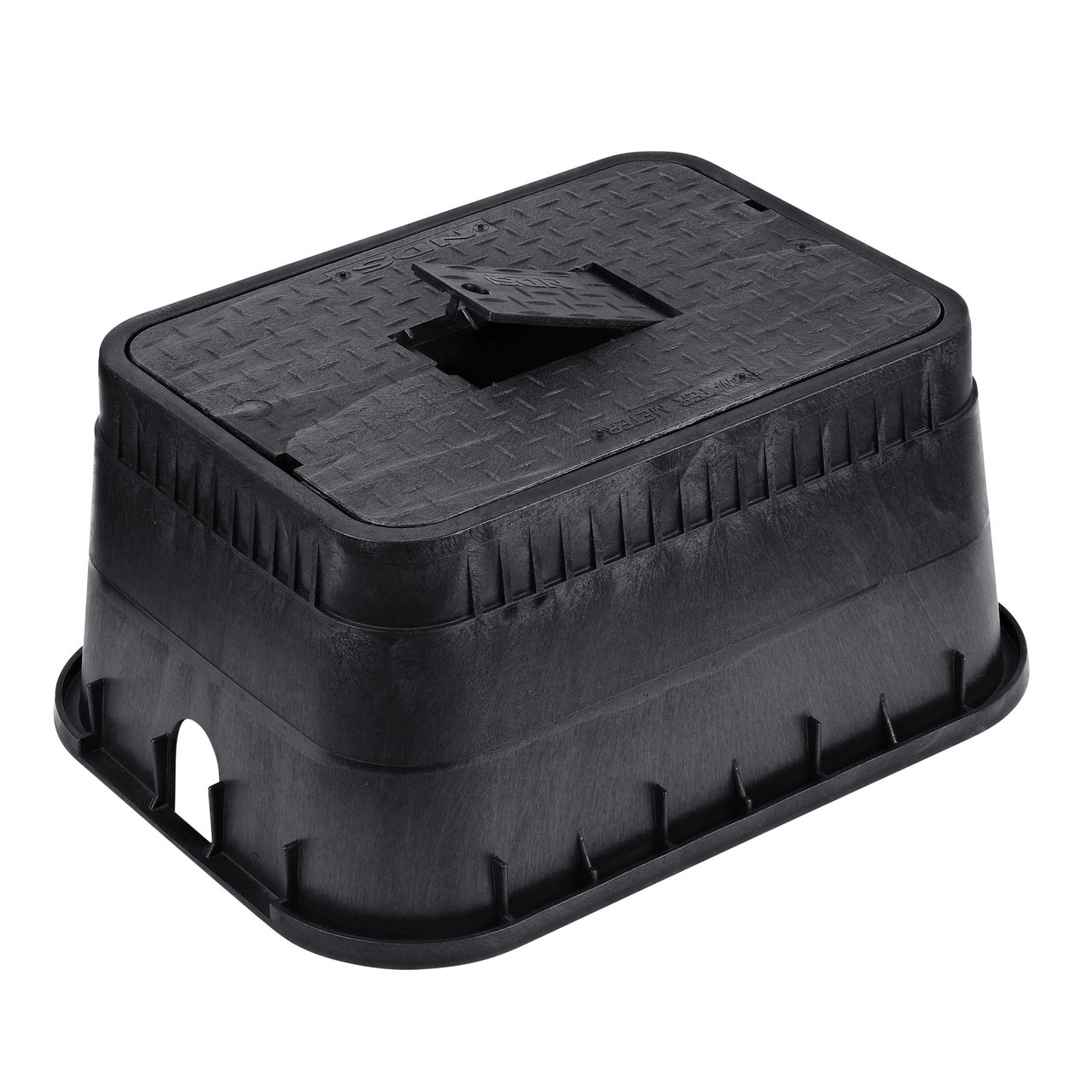
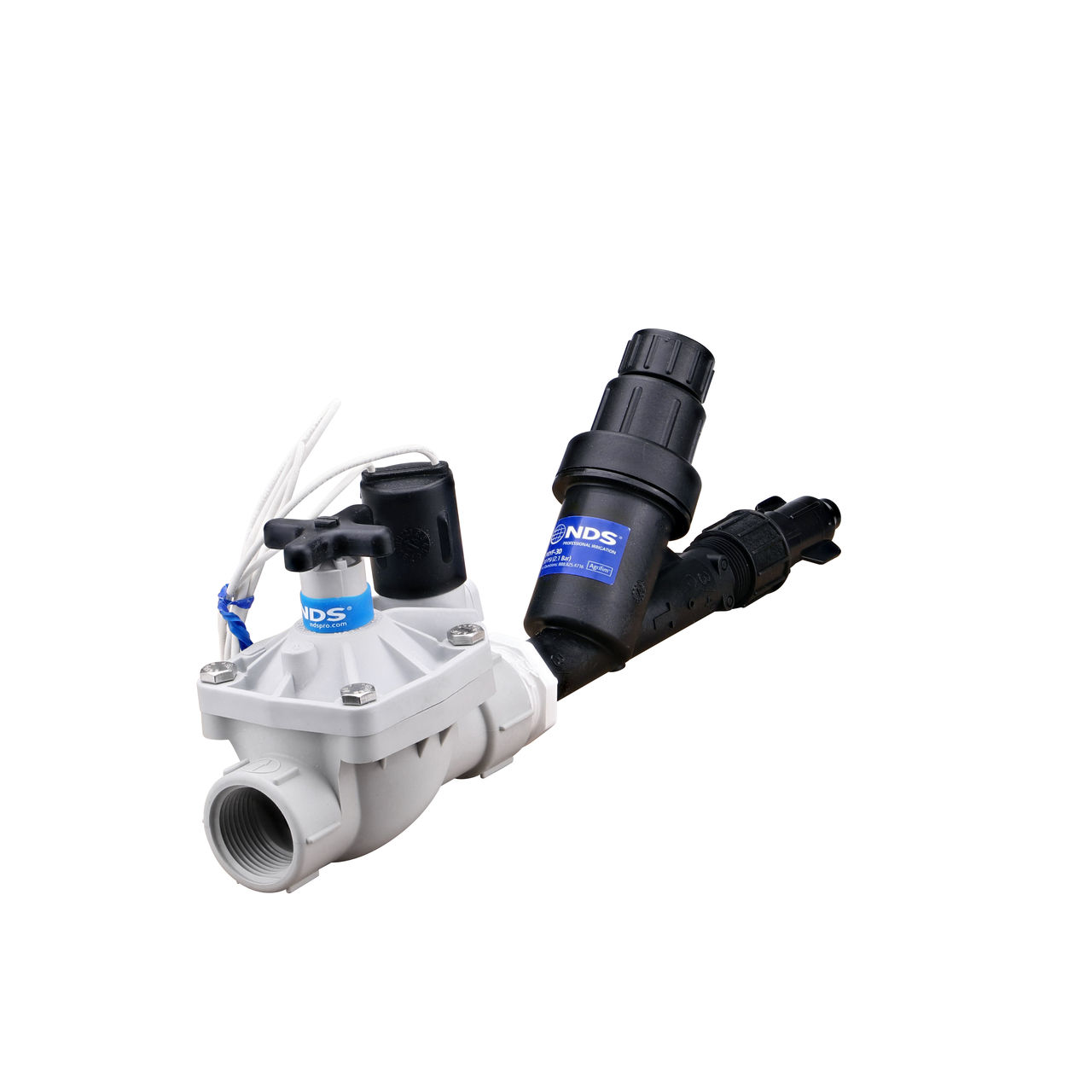
A drip system begins with a connection to your water supply. Most homeowners use a hose bibb, but it can also connect to a rainwater harvesting system. A backflow preventer is crucial, keeping contaminants from entering your home’s plumbing. For homeowners, Raindrip® offers a range of quality solutions that are easy to install on your own. For landscape contractors, the NDS Professional Irrigation line includes high-performance components designed for residential and commercial applications.
Pressure regulation
Household water pressure is often too high for drip irrigation. Pressure regulators lower it to a safe, steady range (15–30 PSI) so emitters deliver consistent water and the system isn’t damaged by excessive pressure.
Filtration systems
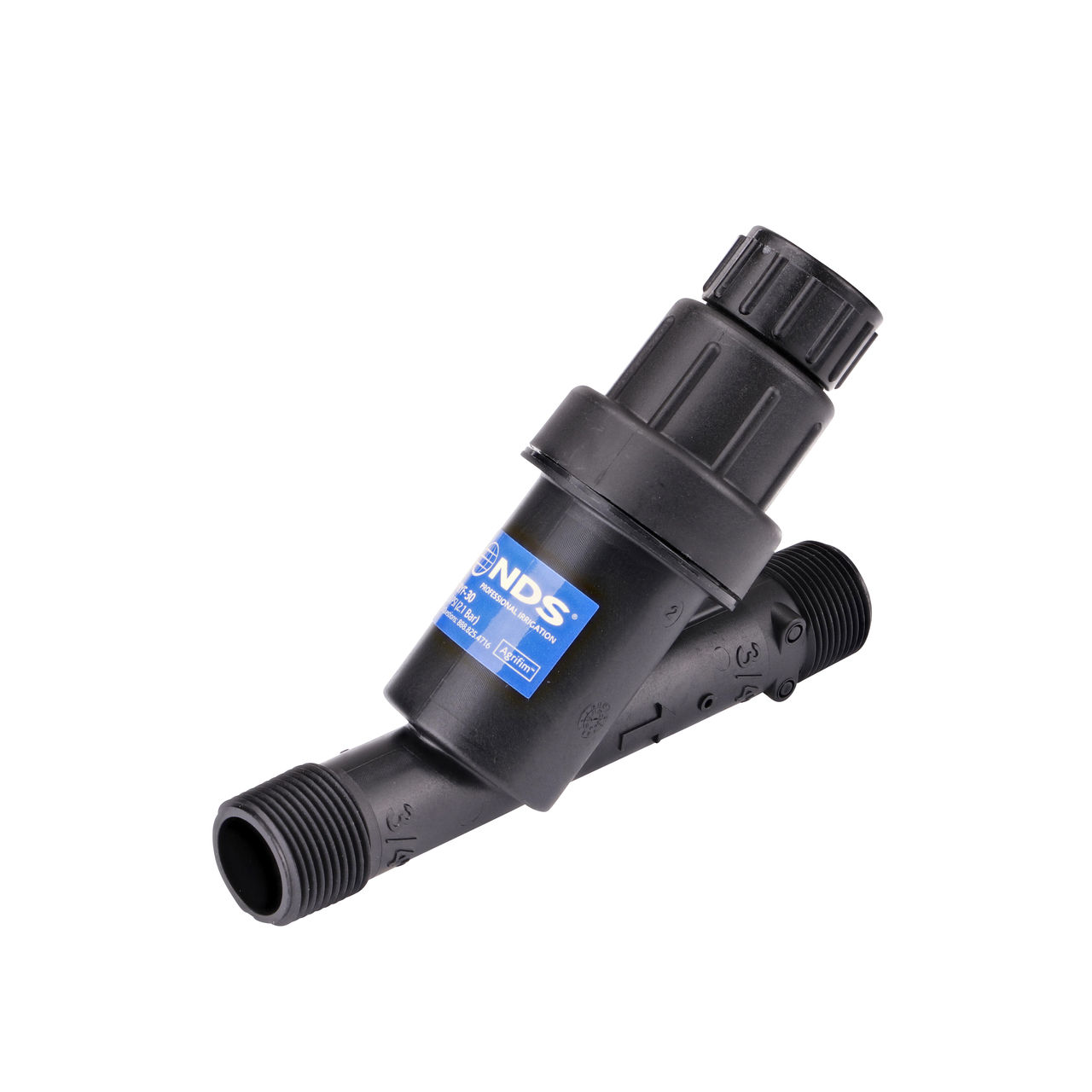
Filters prevent clogs, one of the most common drip system issues.
- Screen filters catch basic debris.
- Disk filters handle fine sediment, ideal for well water or dense elements.
Tubing and distribution Lines
- Main supply lines: Larger tubing (½ in.–1 in.) that carries water to zones.
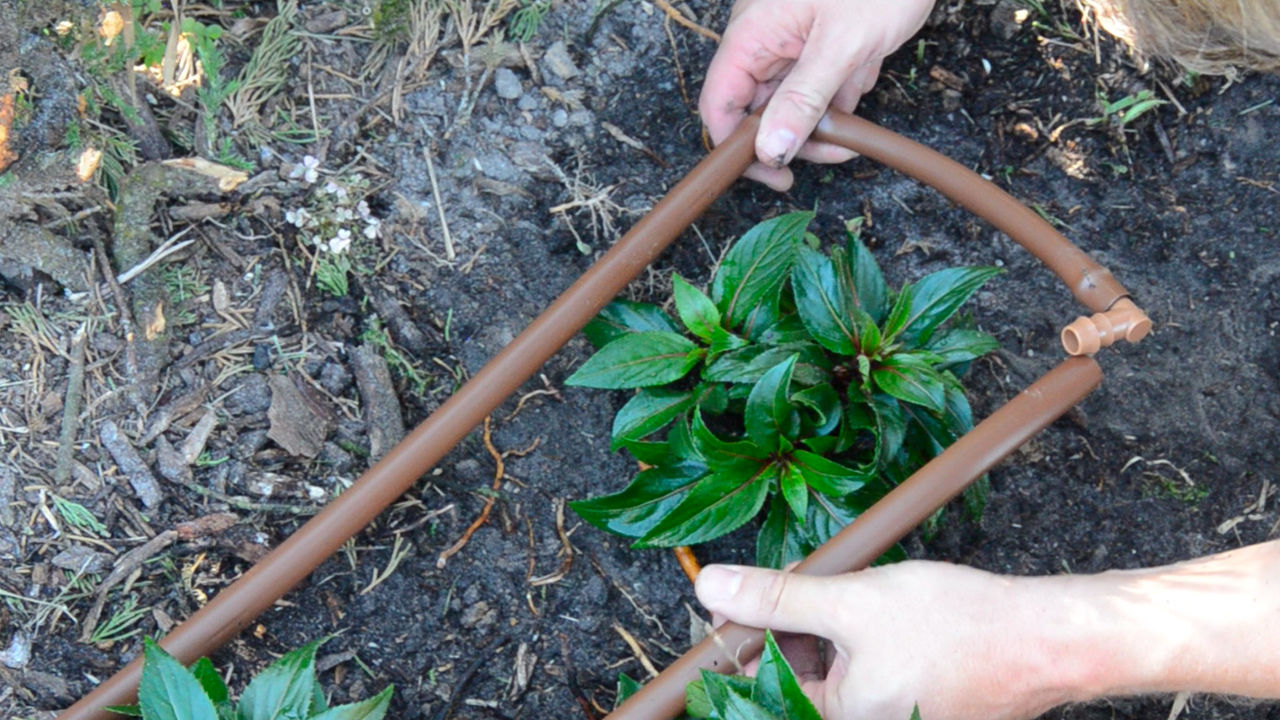
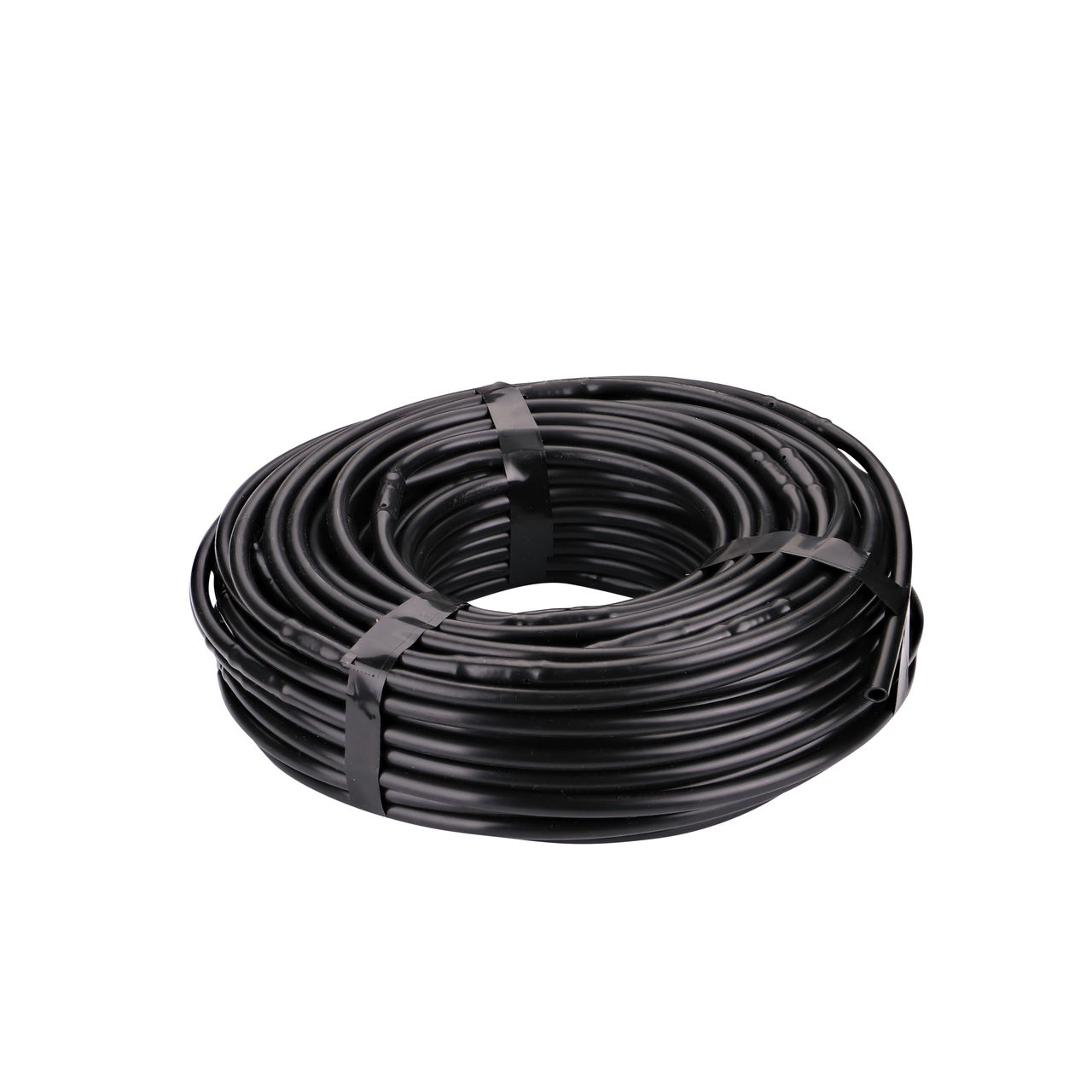
- Distribution tubing: Smaller tubing (¼ in.–½ in.) that branches out to deliver water to specific plants.
Think of supply lines as highways and distribution tubing as neighborhood roads carrying water directly to each “home” (your plants).
Emitters and drippers
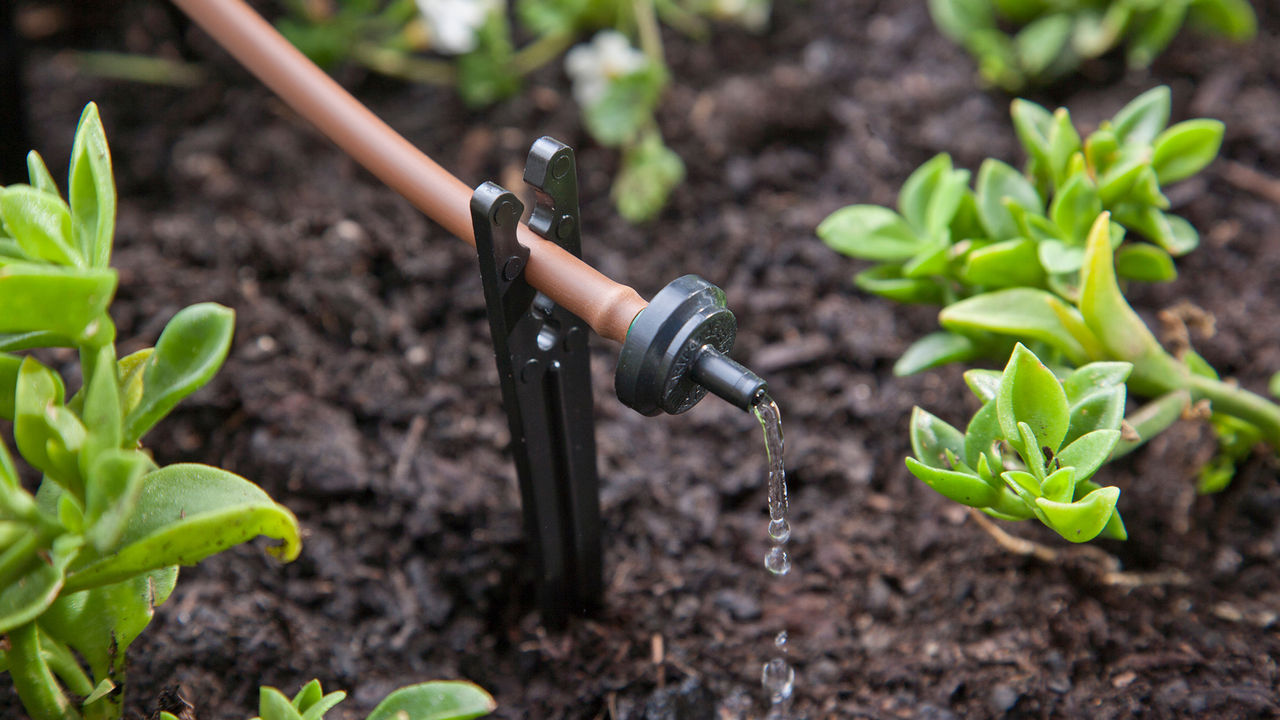
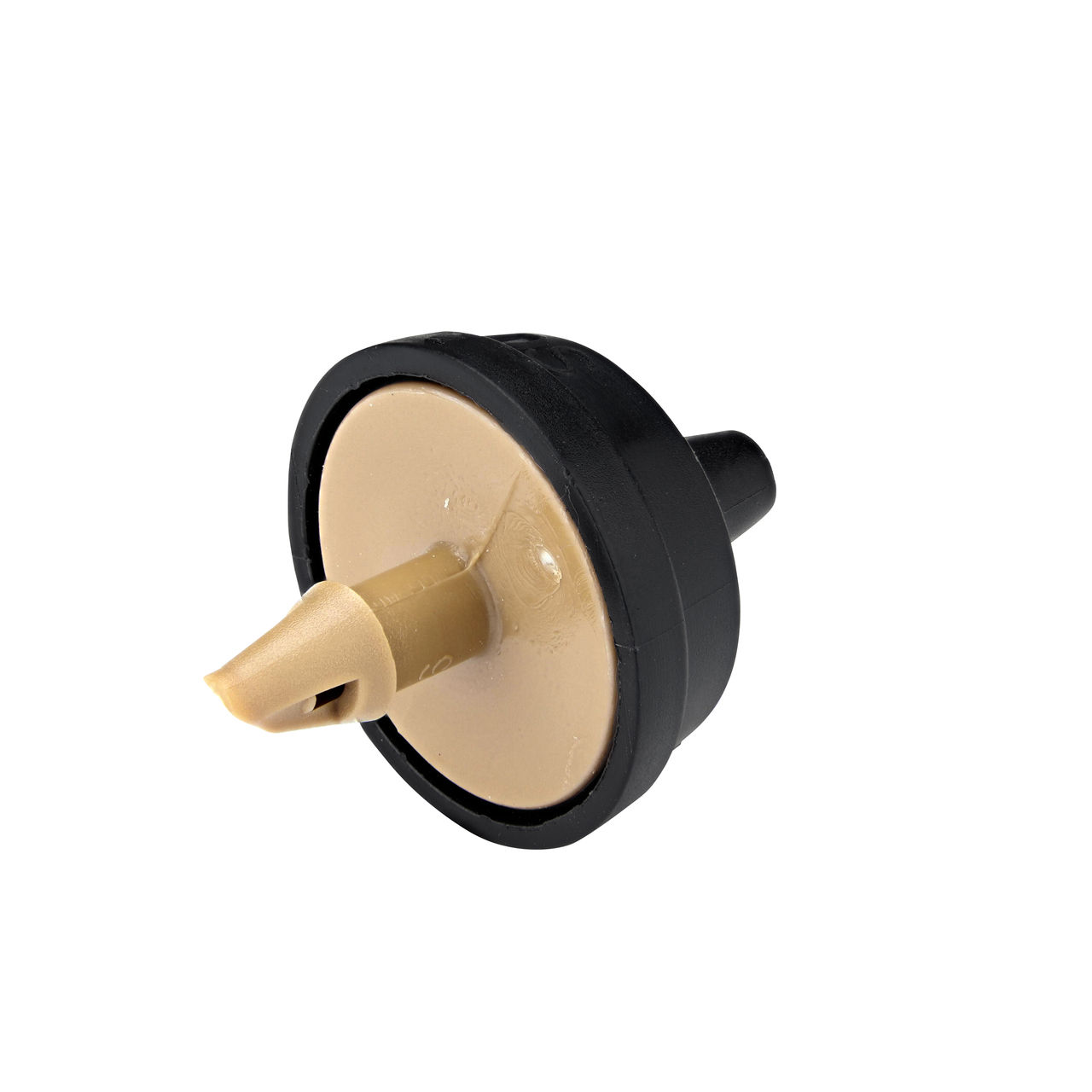
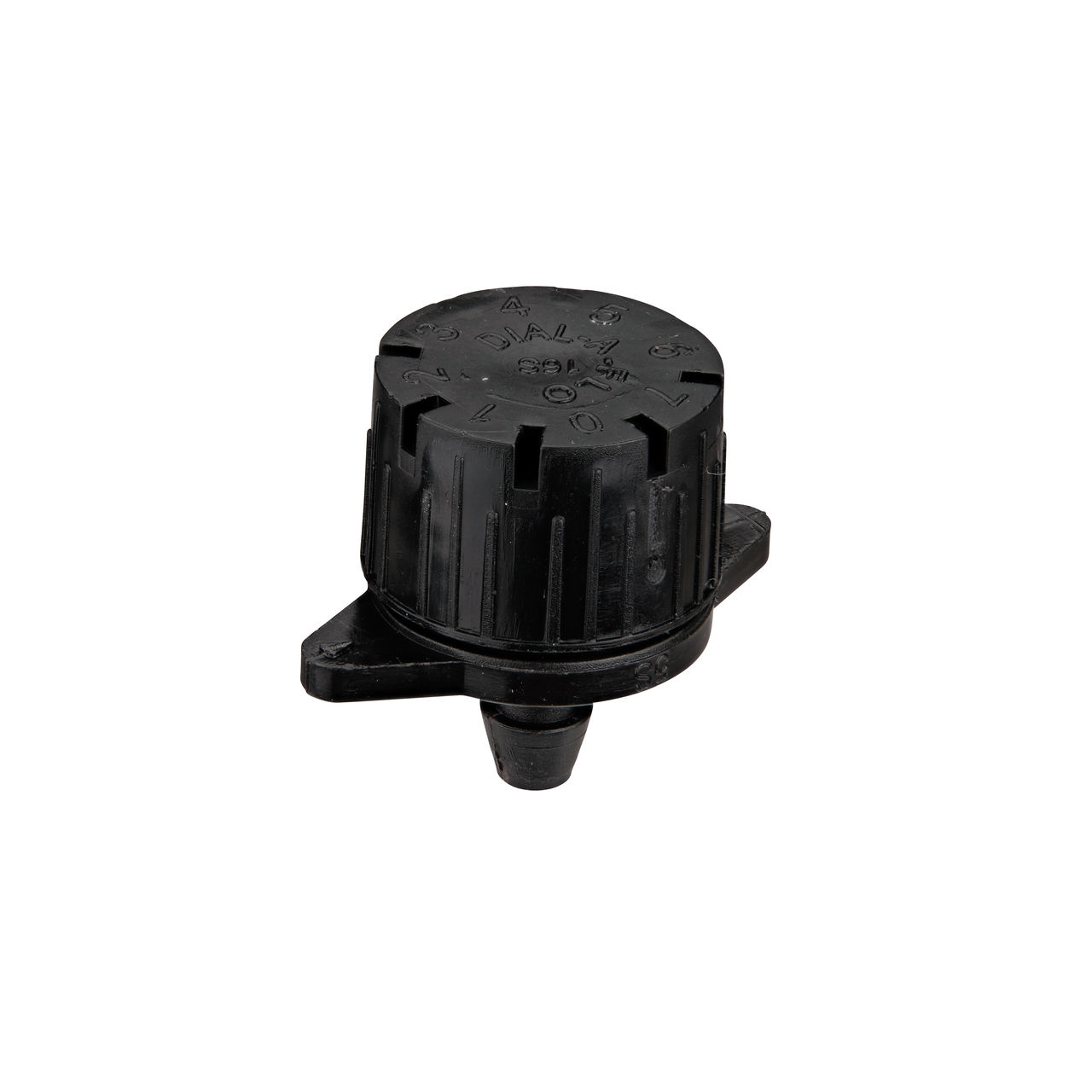
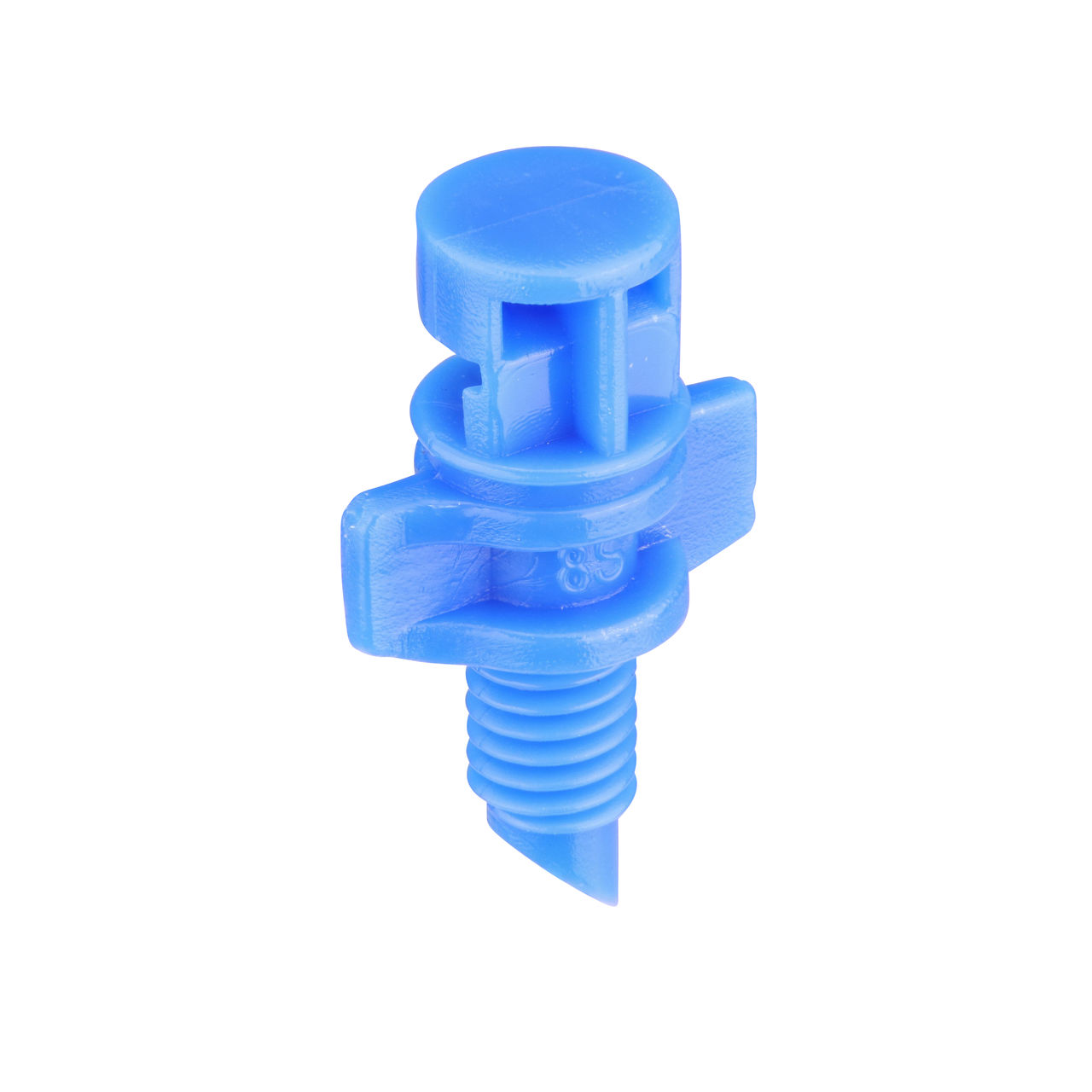
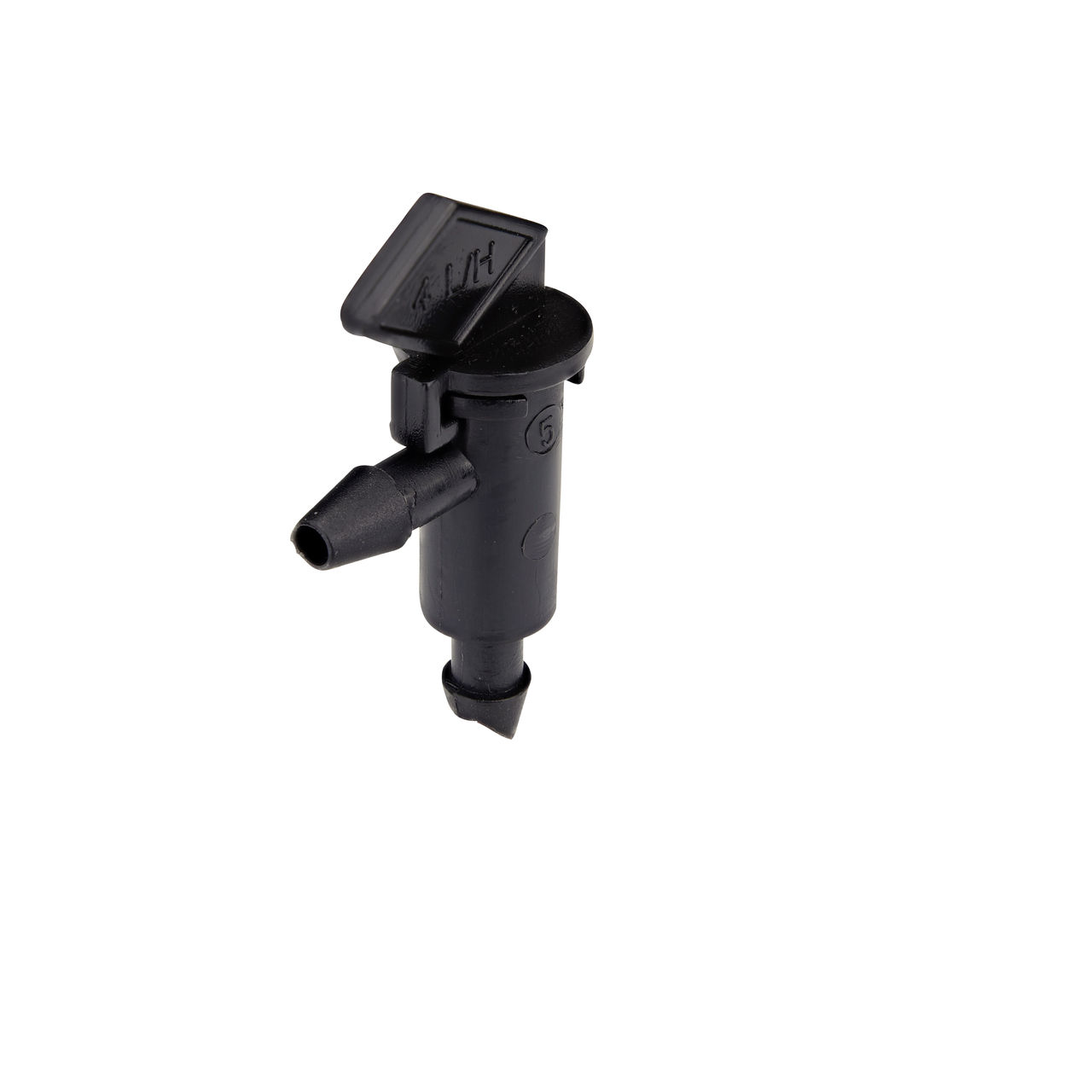
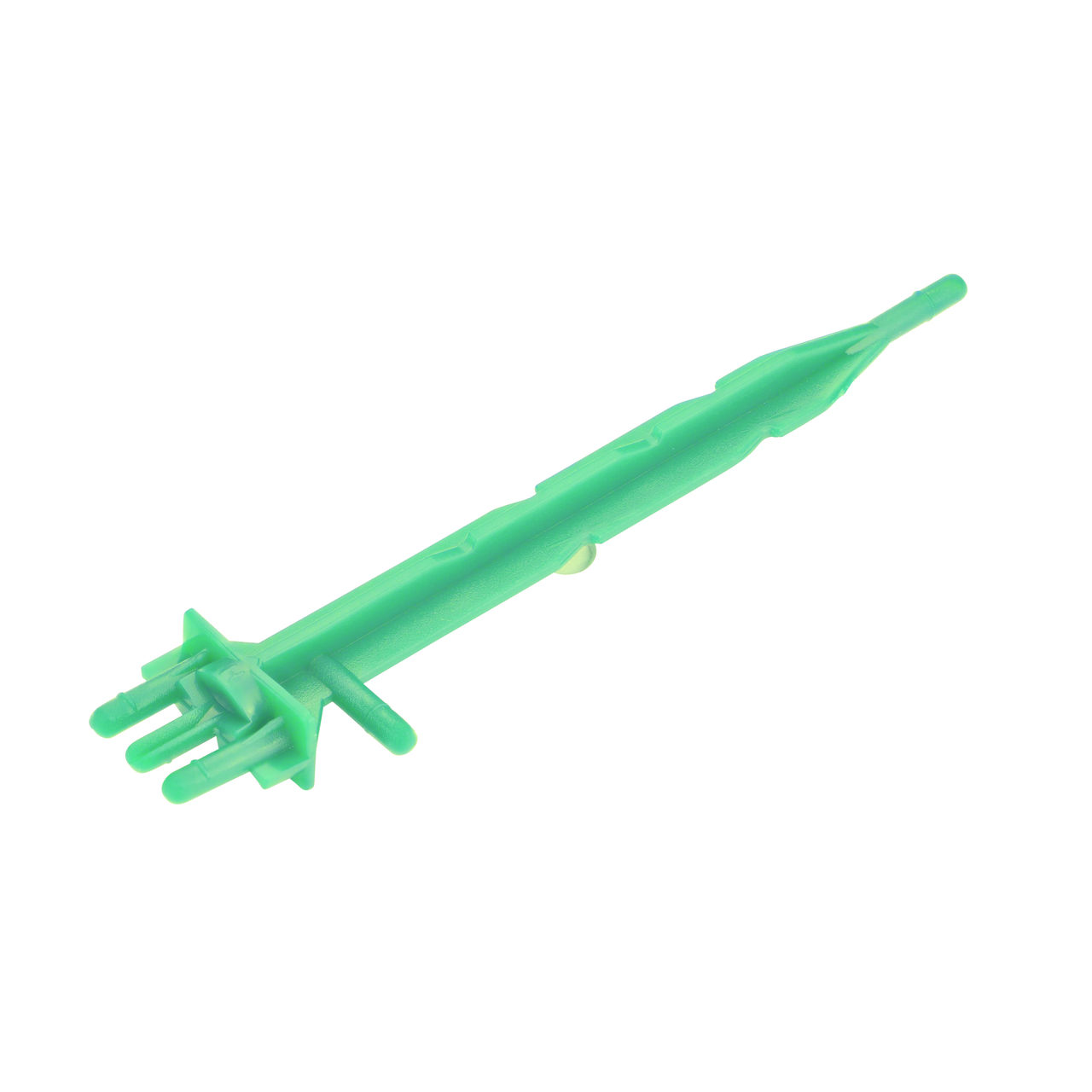
Emitters are the heart of drip irrigation. They are available in a range of formats to suit the watering needs of different plants and landscape layouts.
- Drippers and flag emitters: Deliver precise amounts of water to individual plants, perfect for pots or widely spaced shrubs.
- Adjustable bubblers: Allow you to choose from different stream spray options and adjust flow rates as plant needs evolve.
- Pressure-compensating bubblers and emitters: Ensure a consistent flow even when water pressure varies, making them ideal for long tubing runs and sloped terrain.
- Micro sprays: Provide low-volume fan or stream spray coverage over groundcovers, flower beds, and foliage.
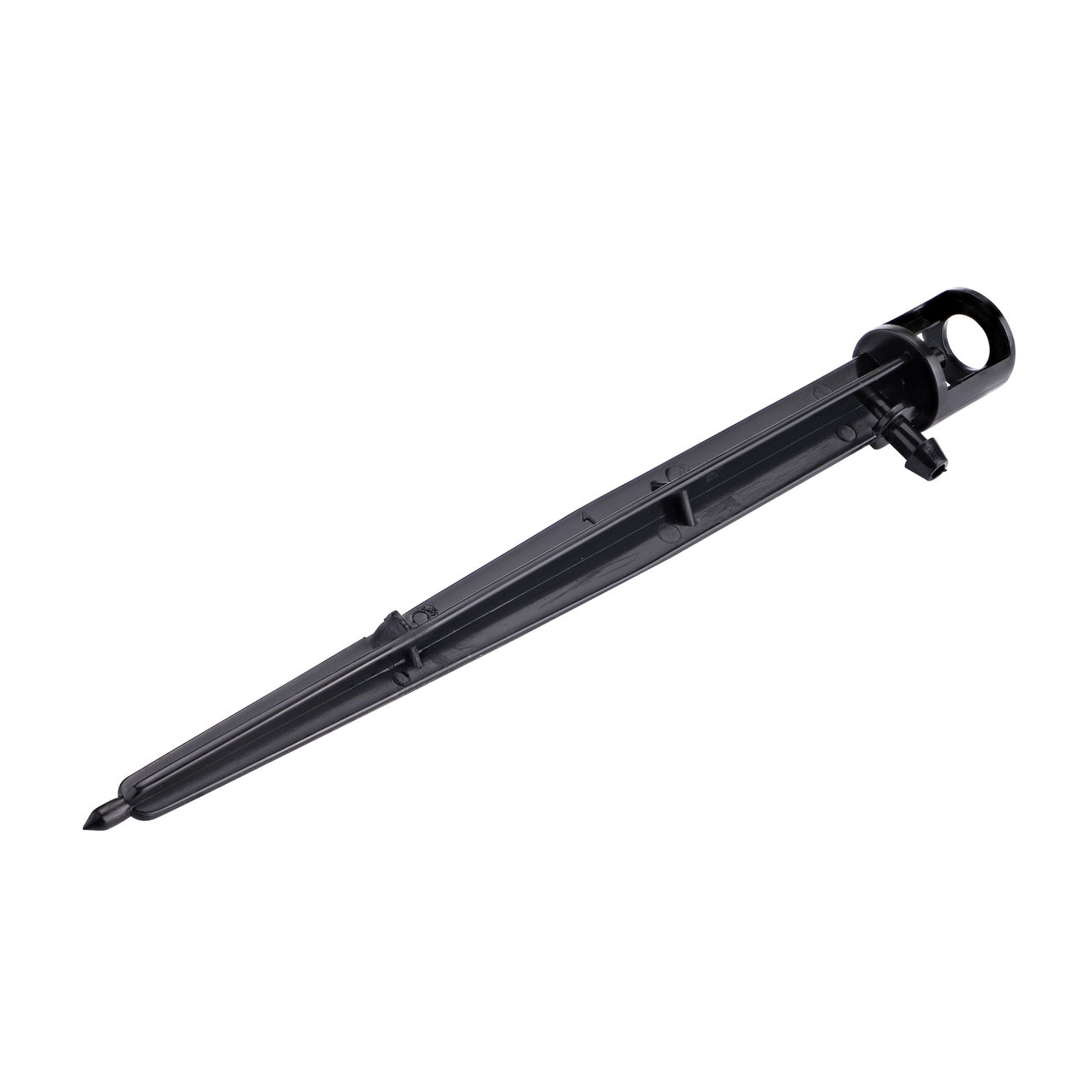
- Spray sticks: Feature a staked design, making them an ideal solution for container plants and nursery pots.
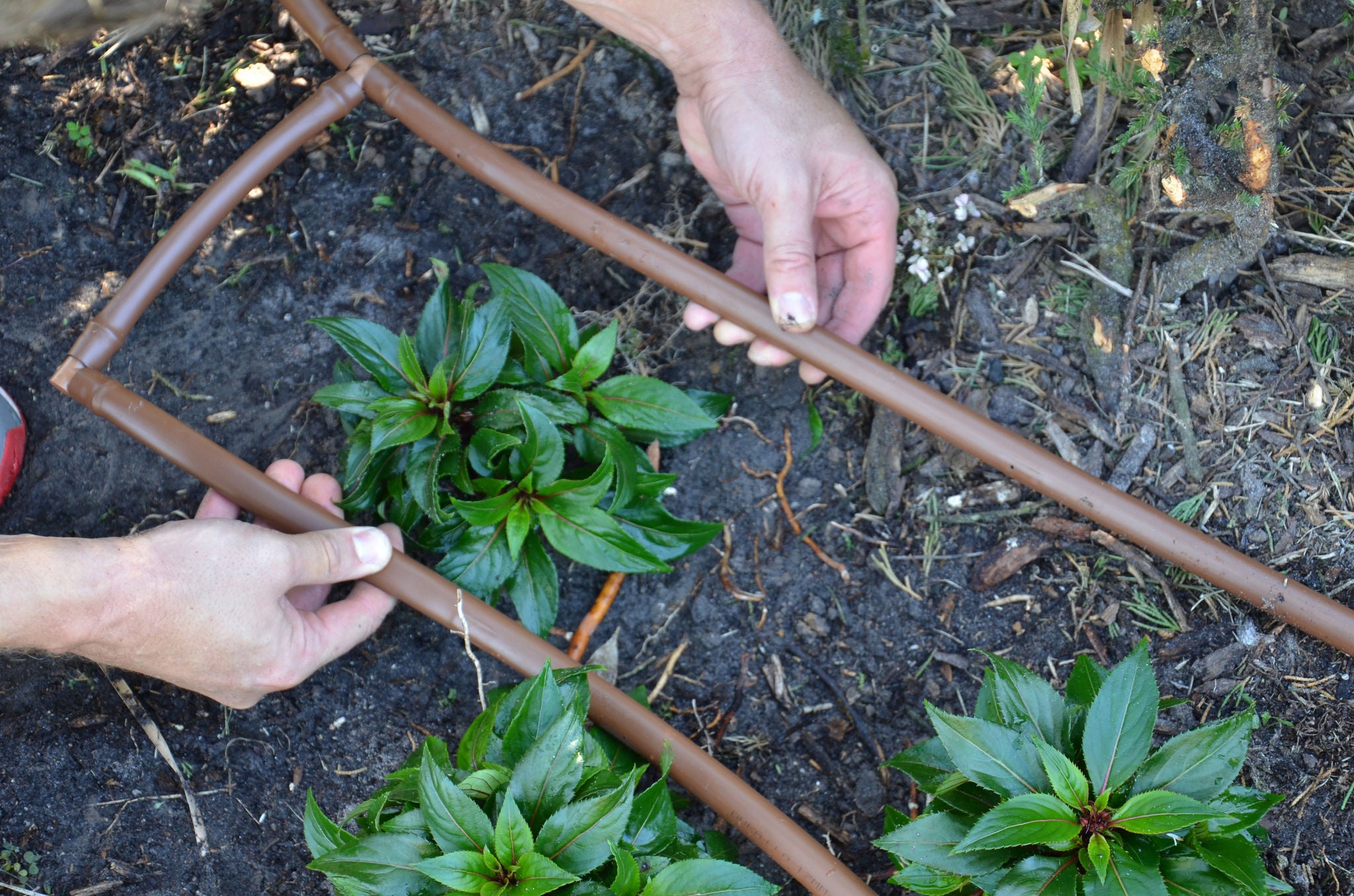
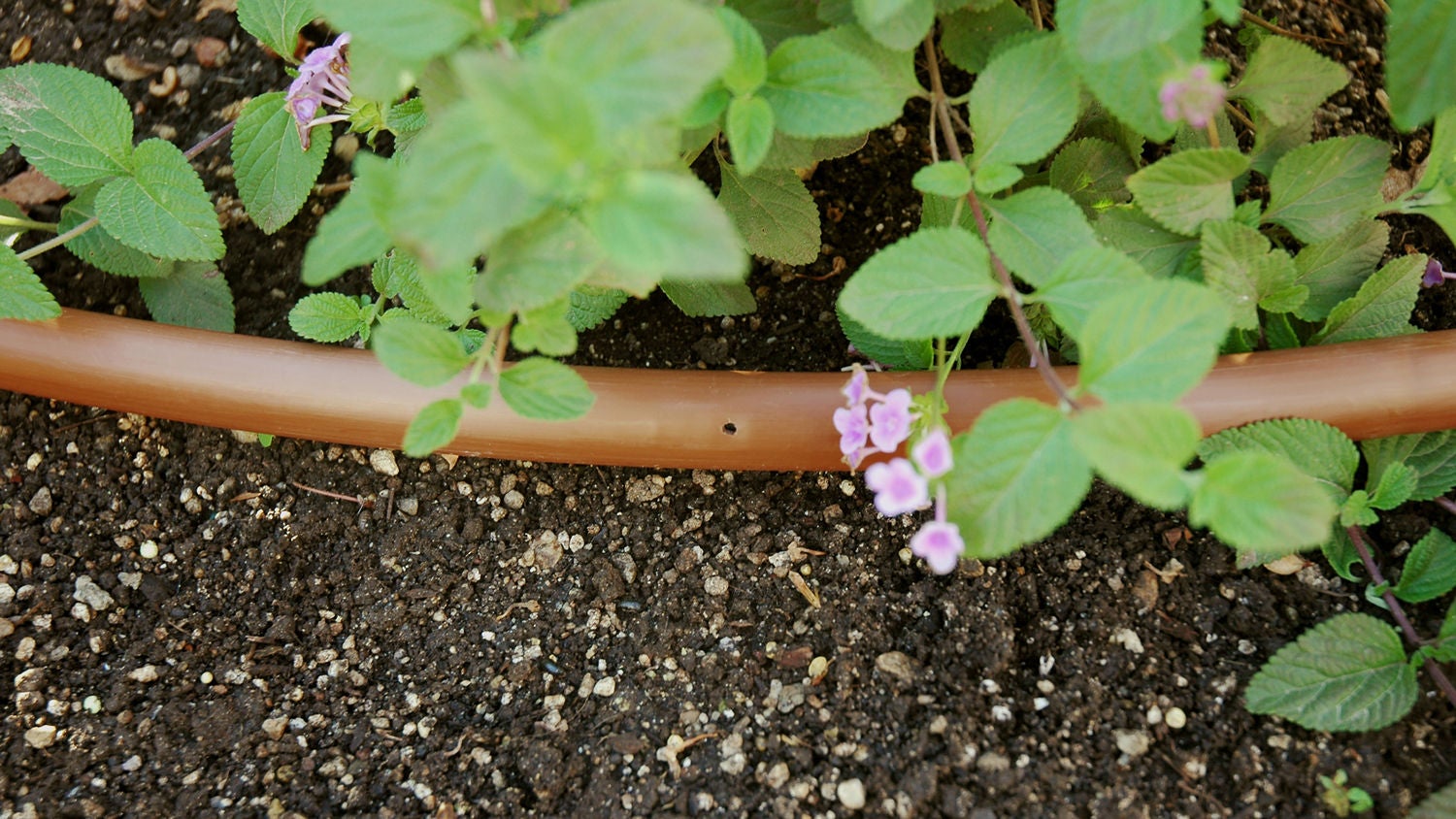
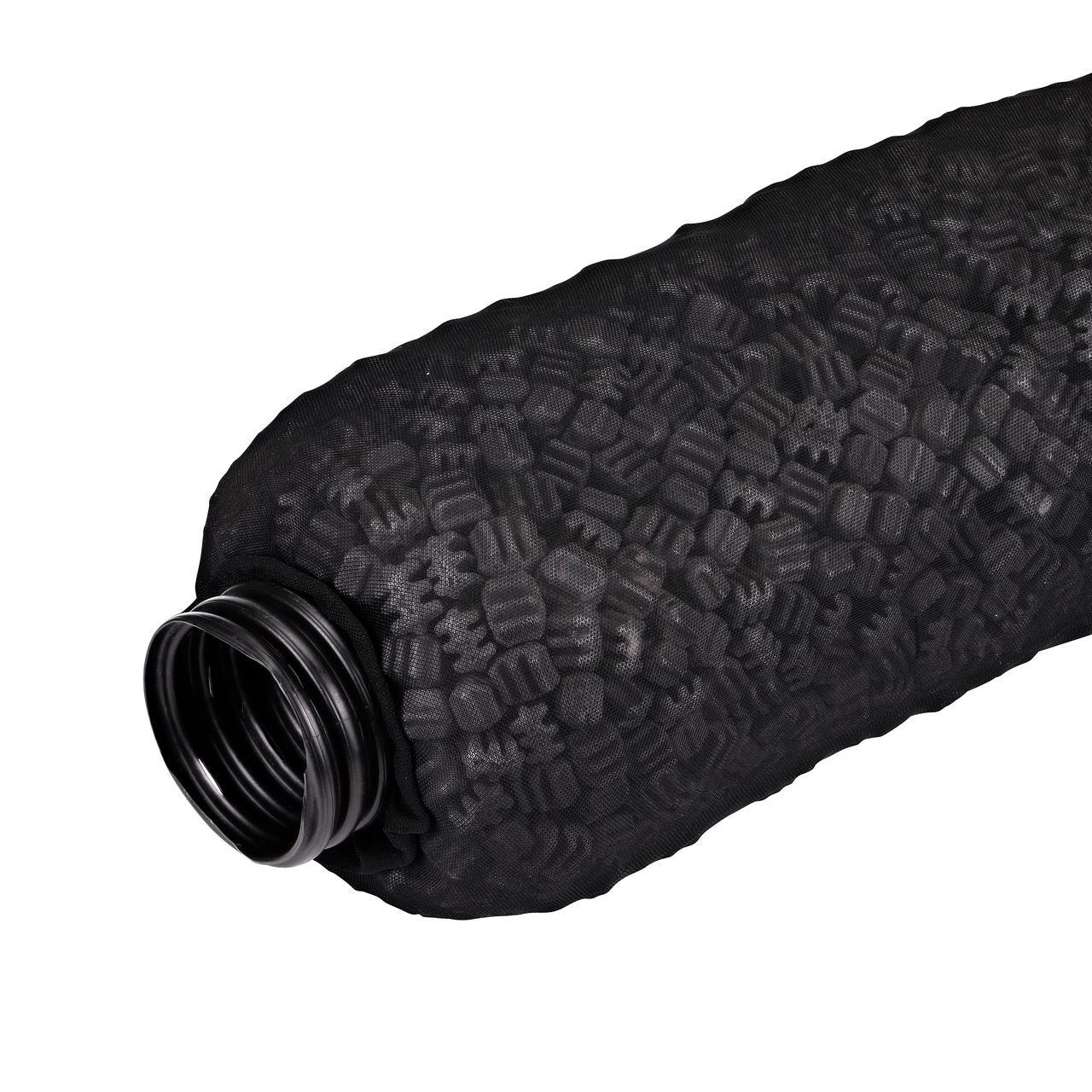
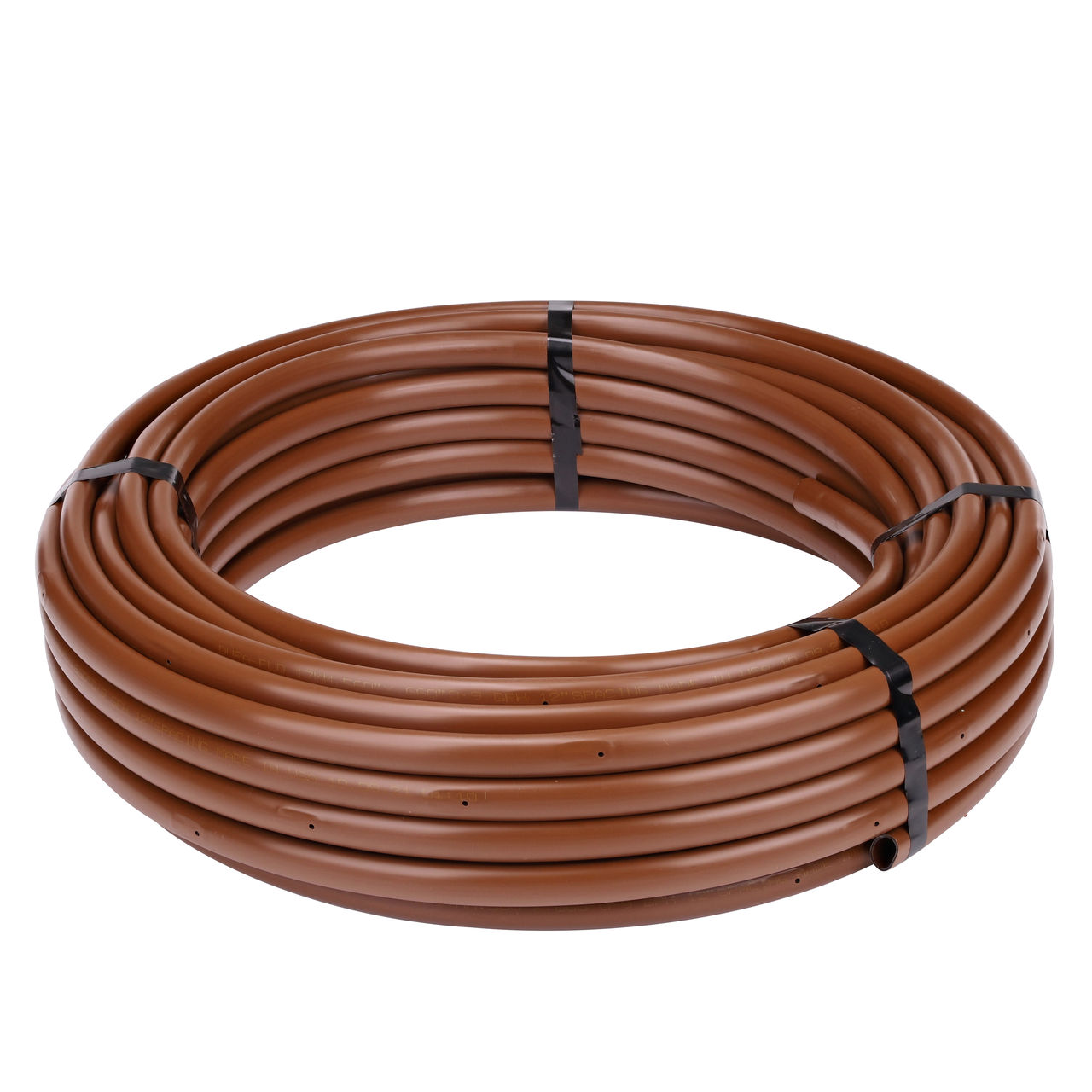
- Dripline: Features evenly spaced emitters pre-installed in the tubing, ideal for plants in beds or rows. Dripline is available with pressure-compensating emitters and non-pressure compensating emitters as well as an integrated check valve design.
Fittings, support hardware, and accessories
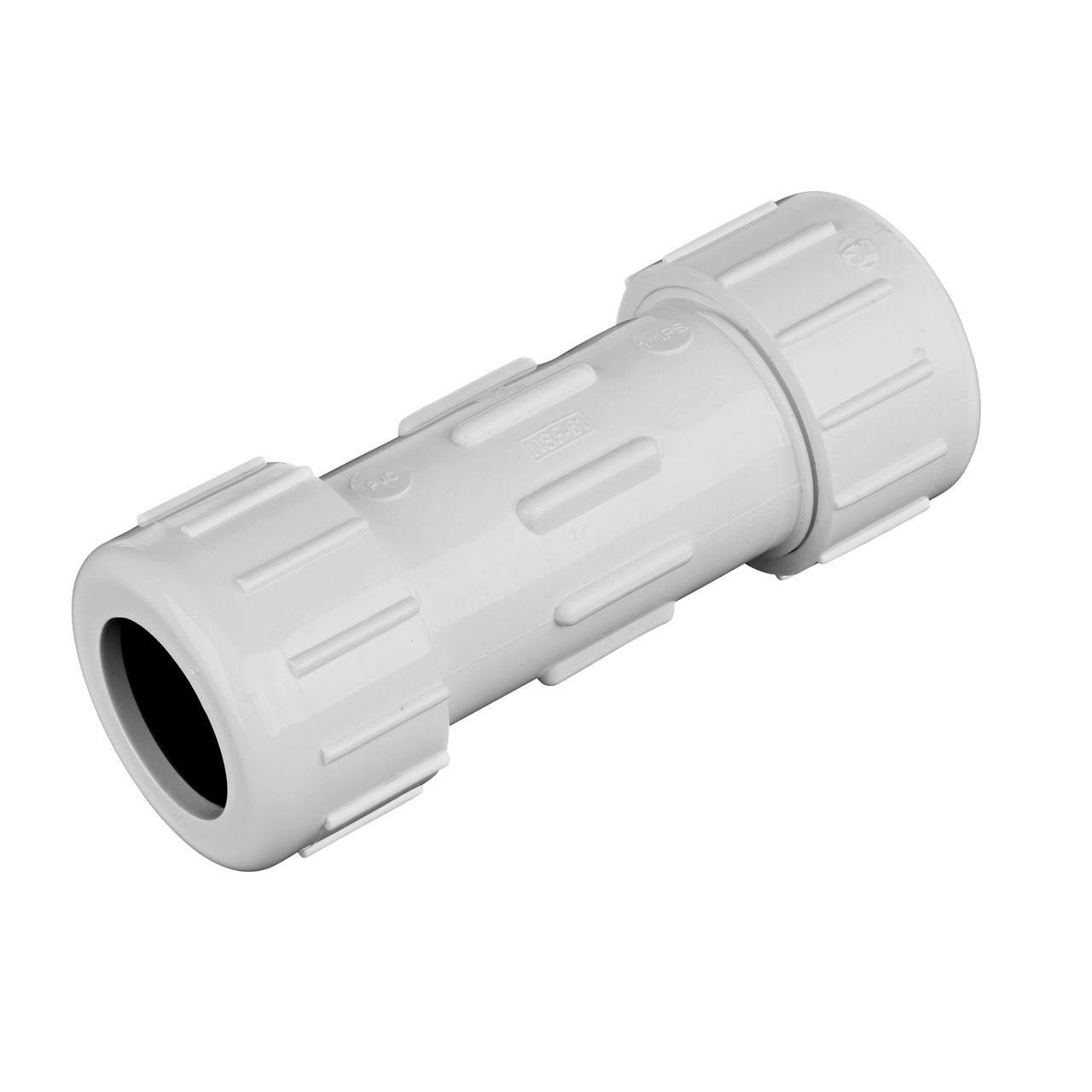
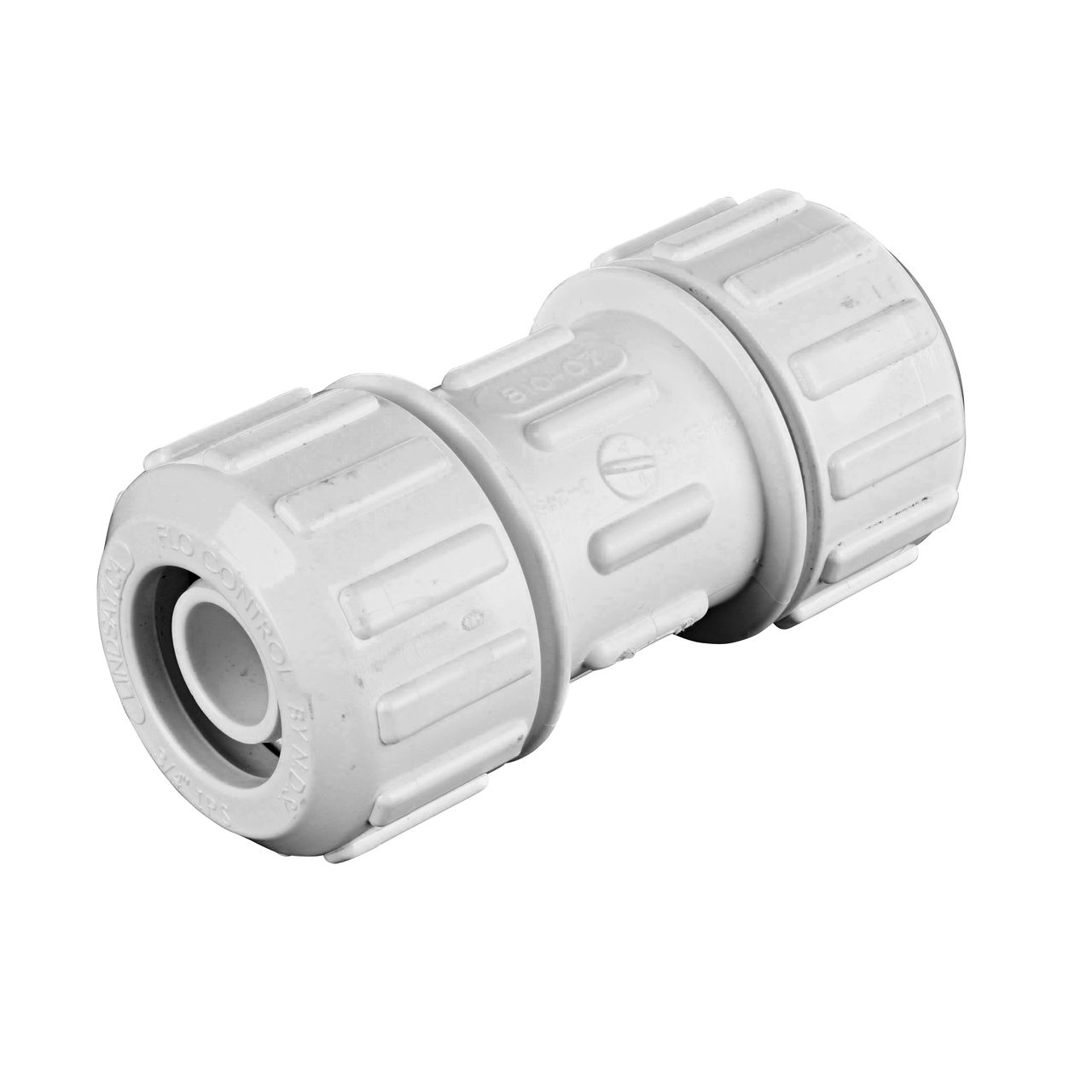
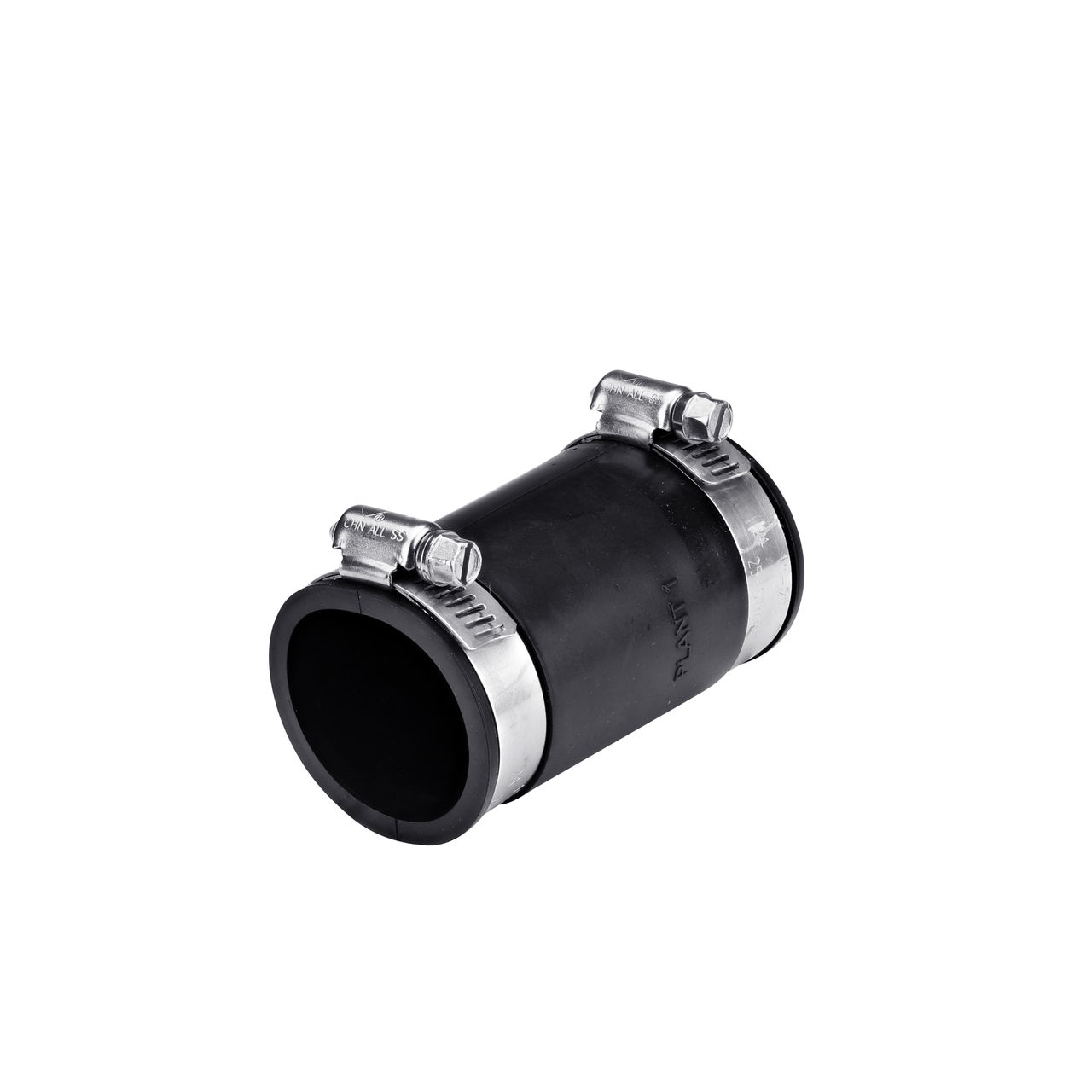
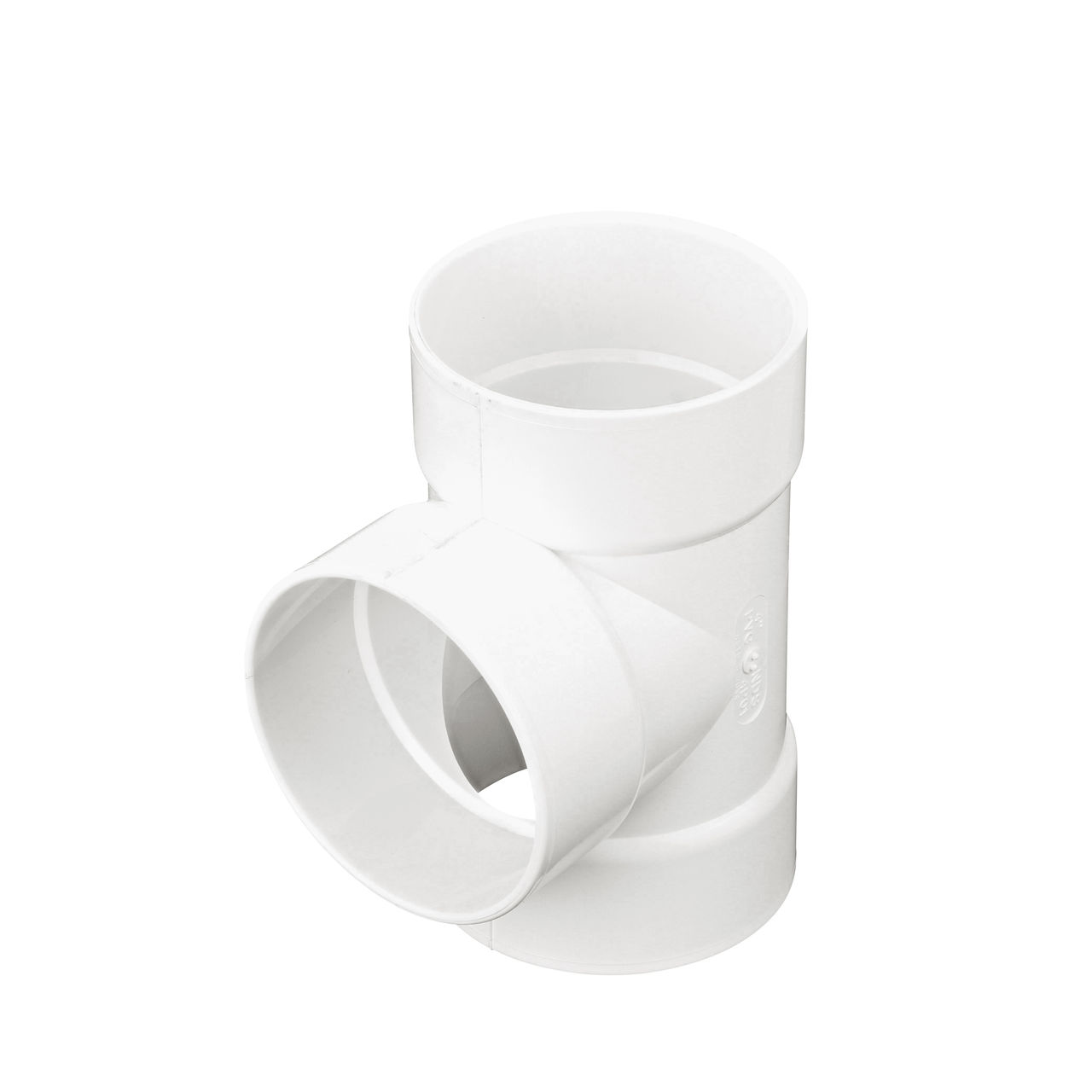
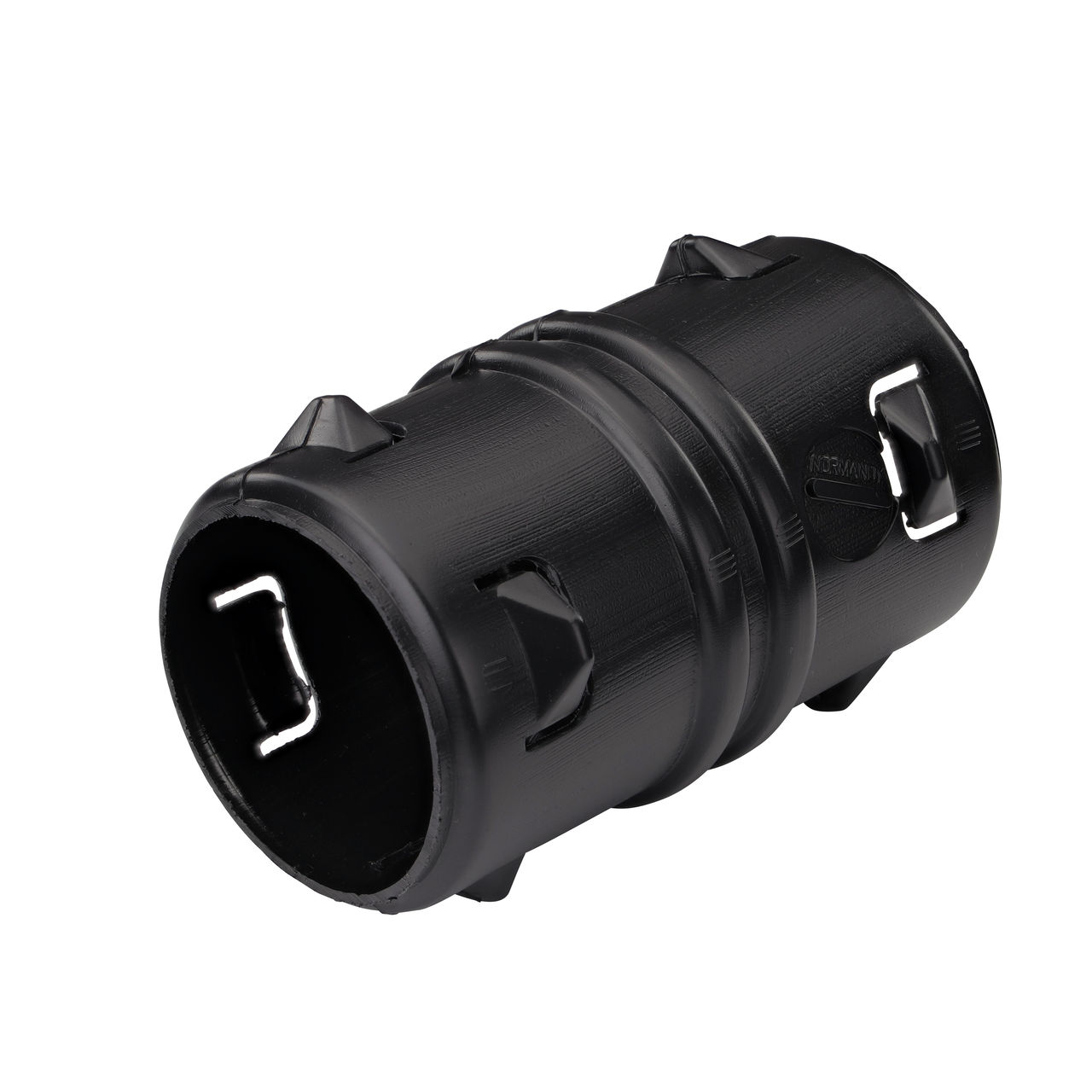
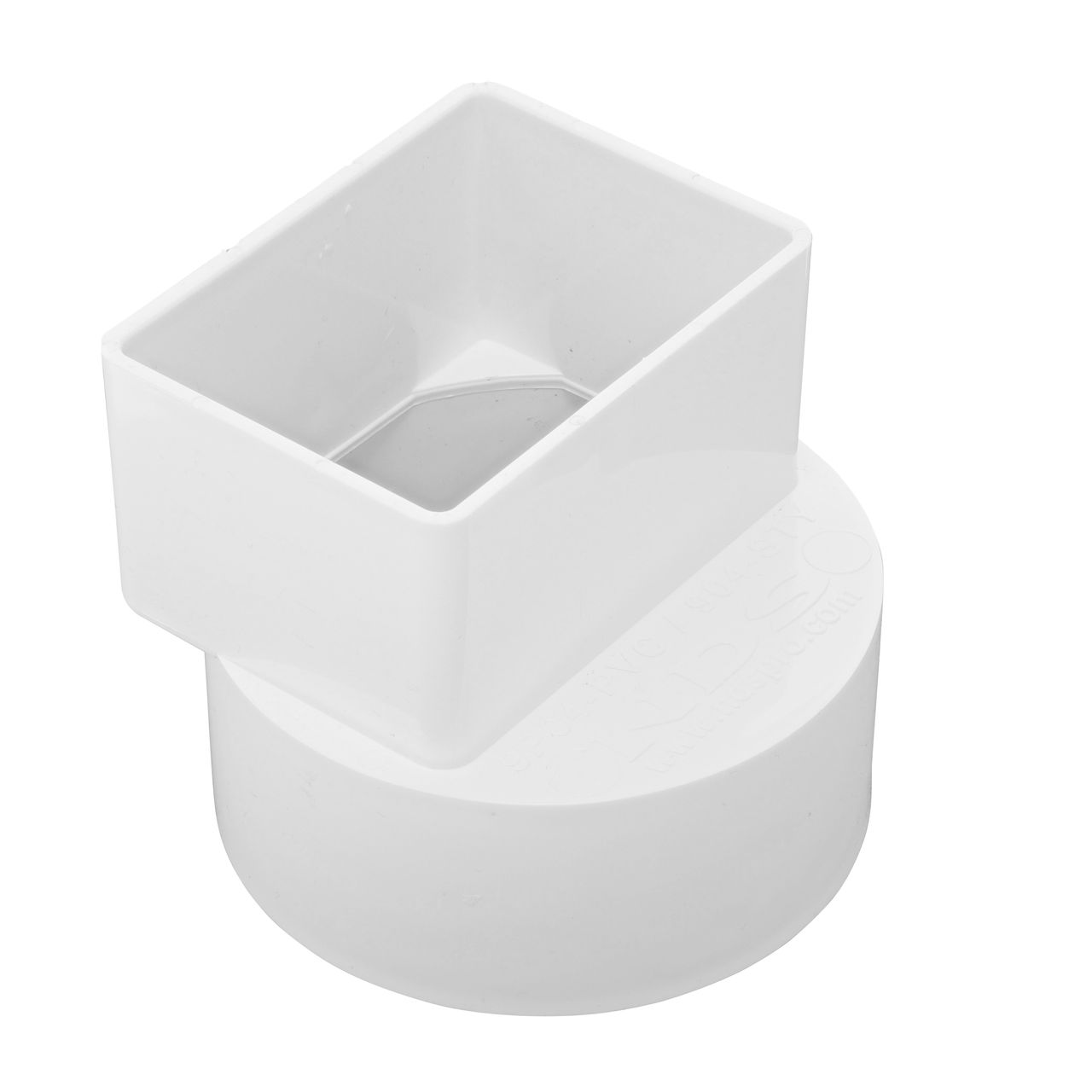
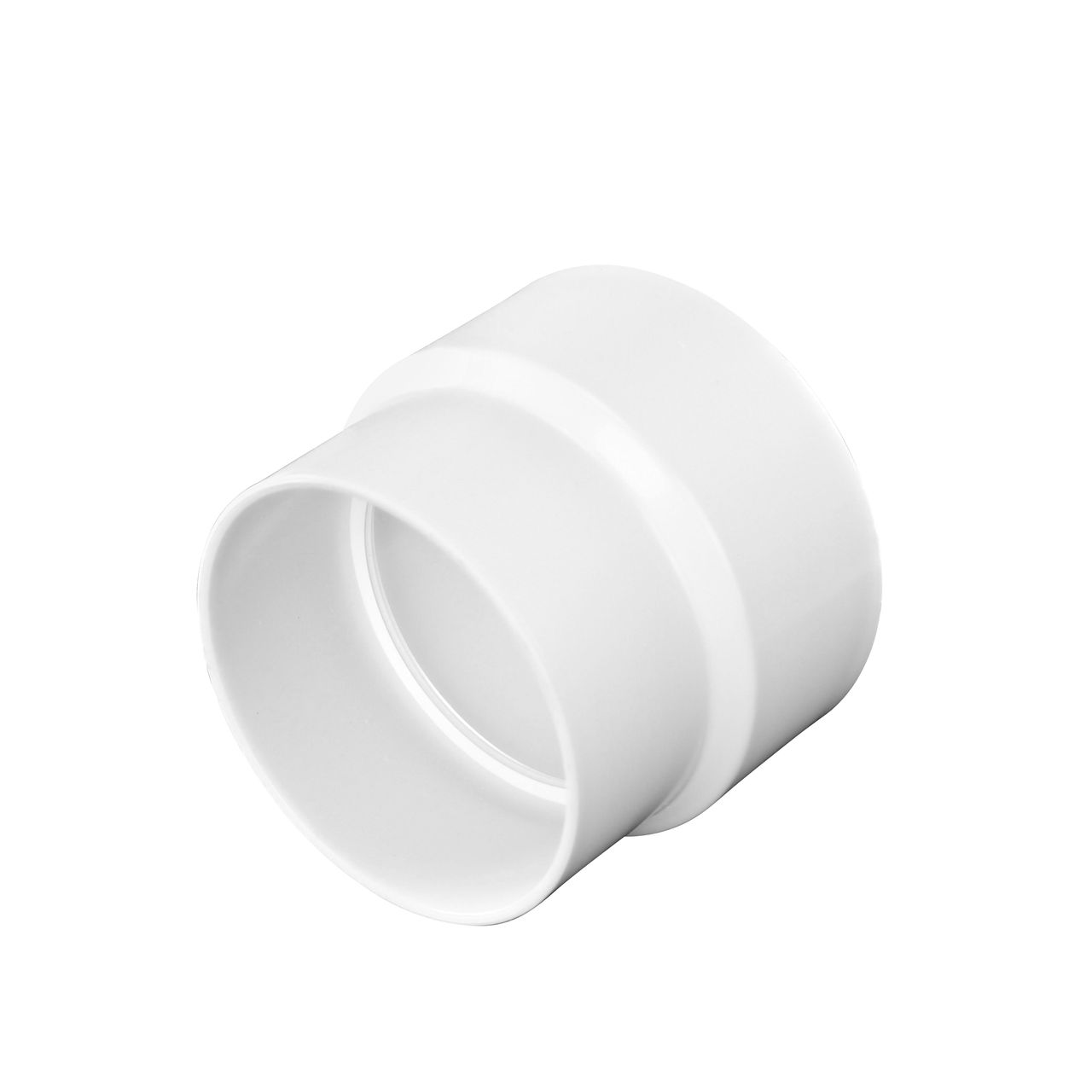
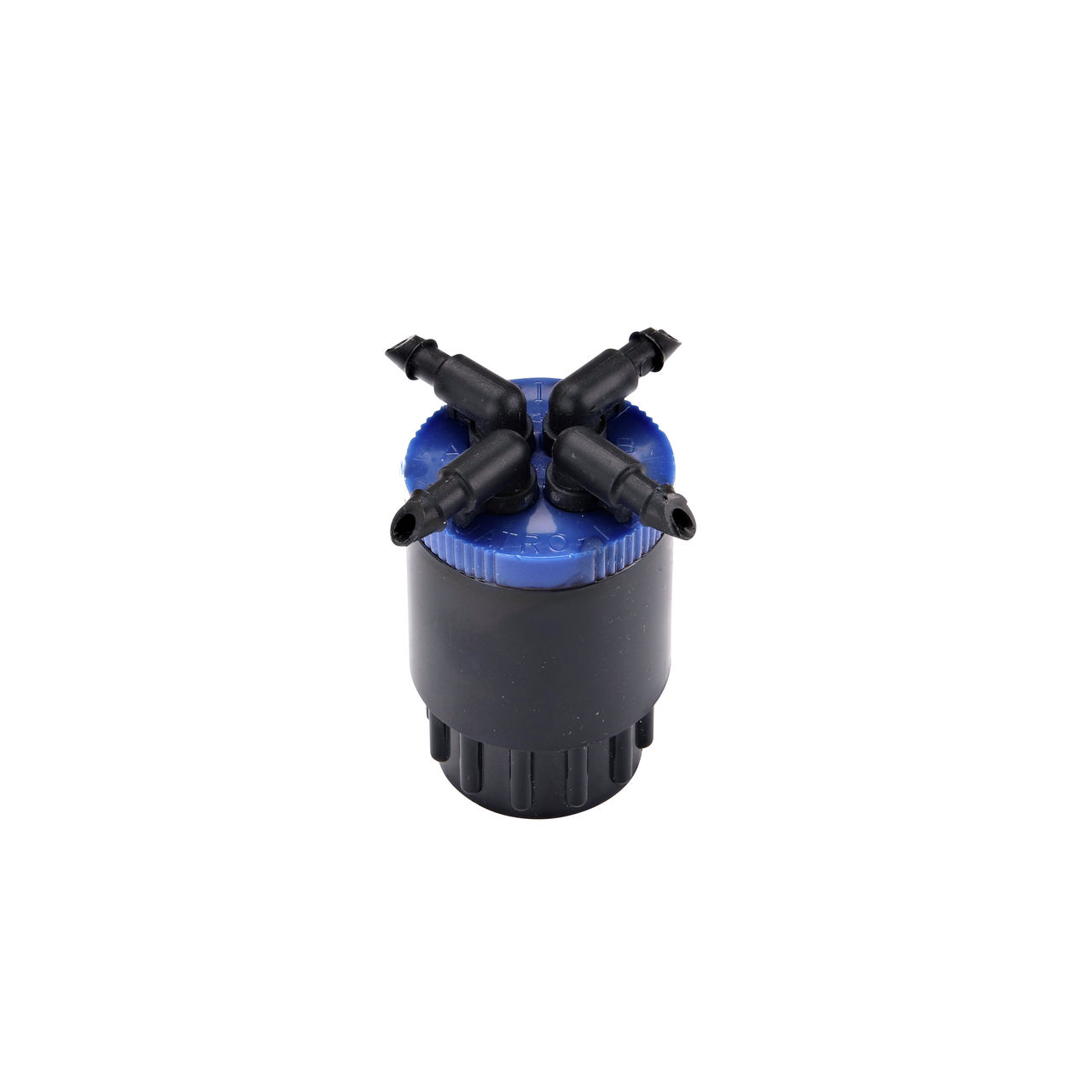
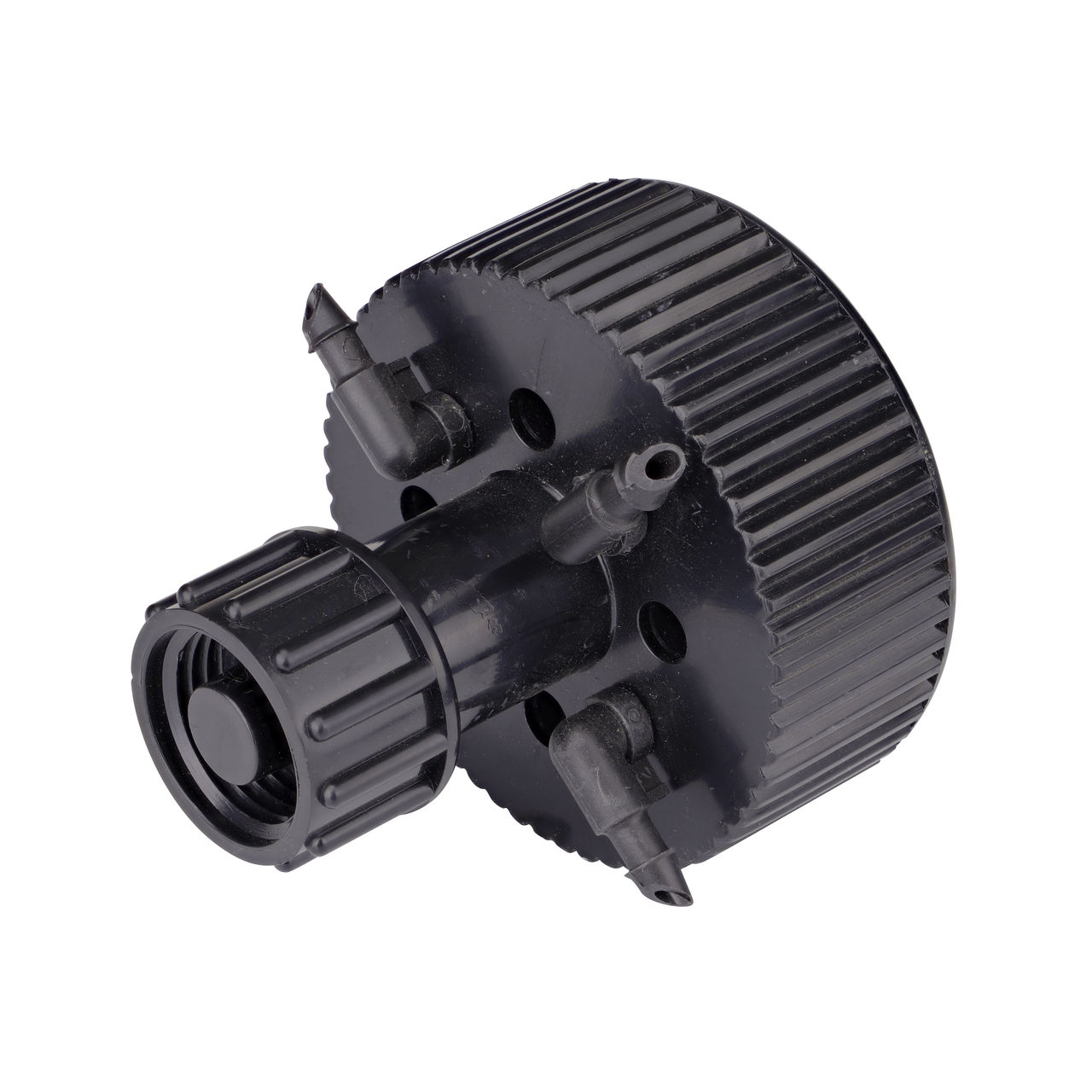
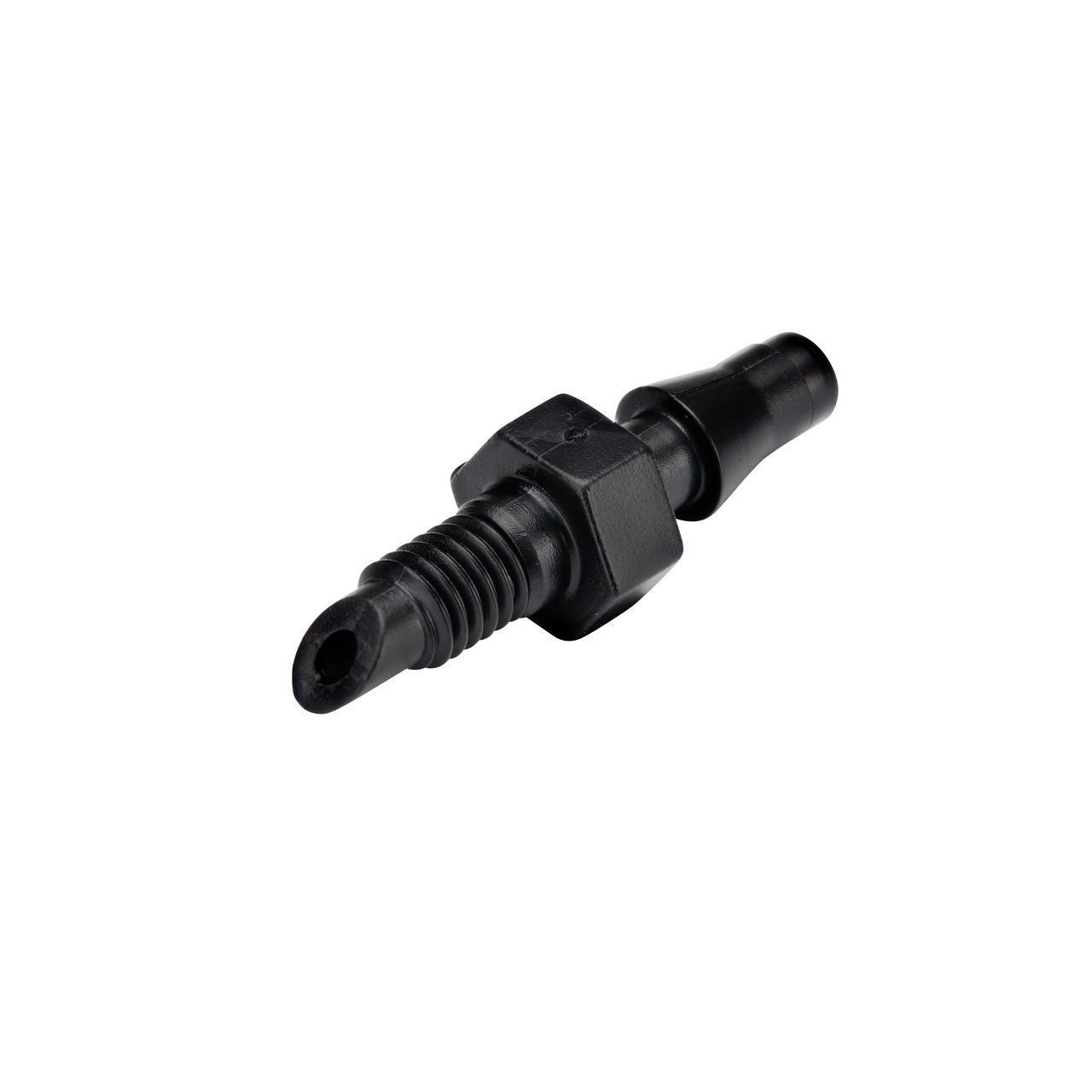
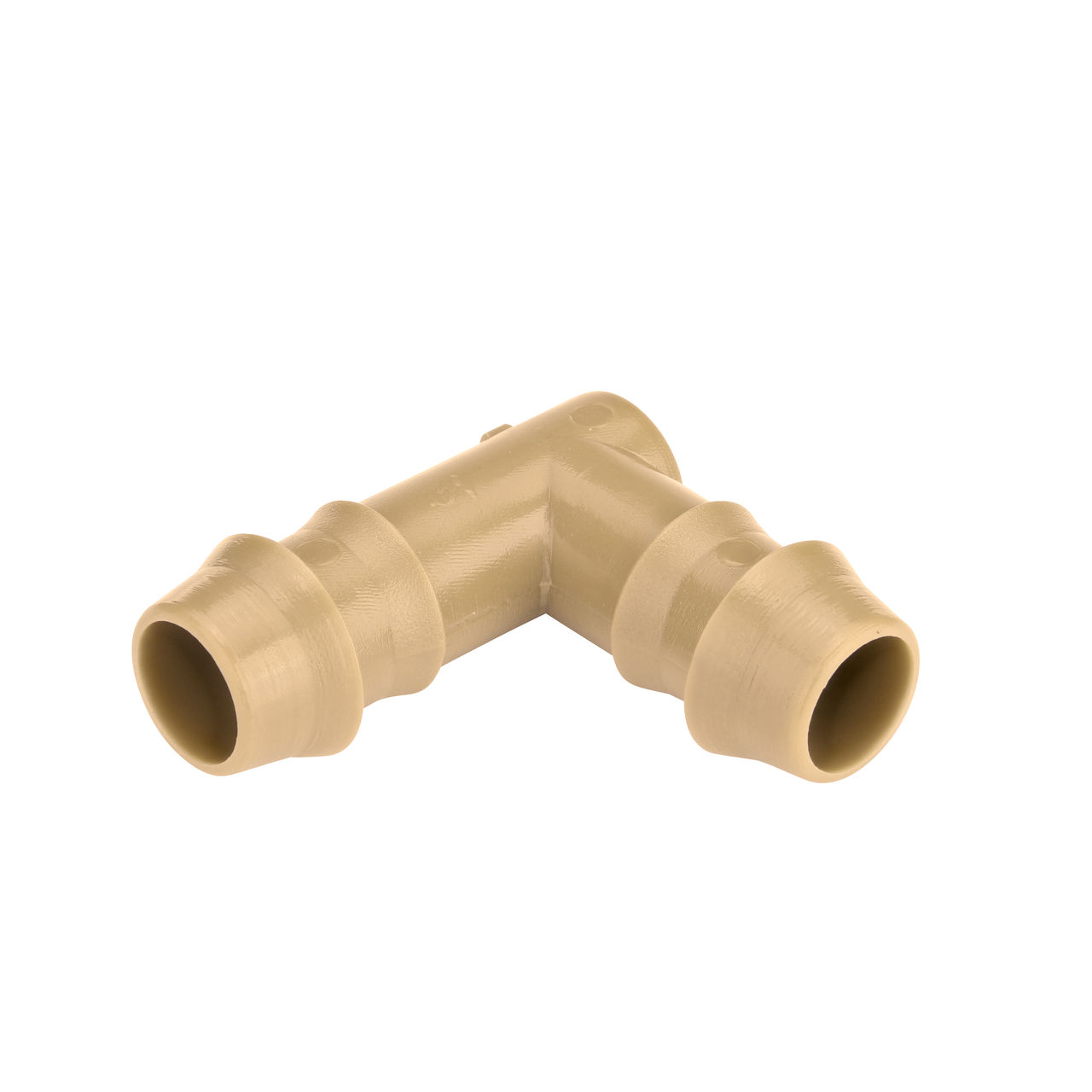
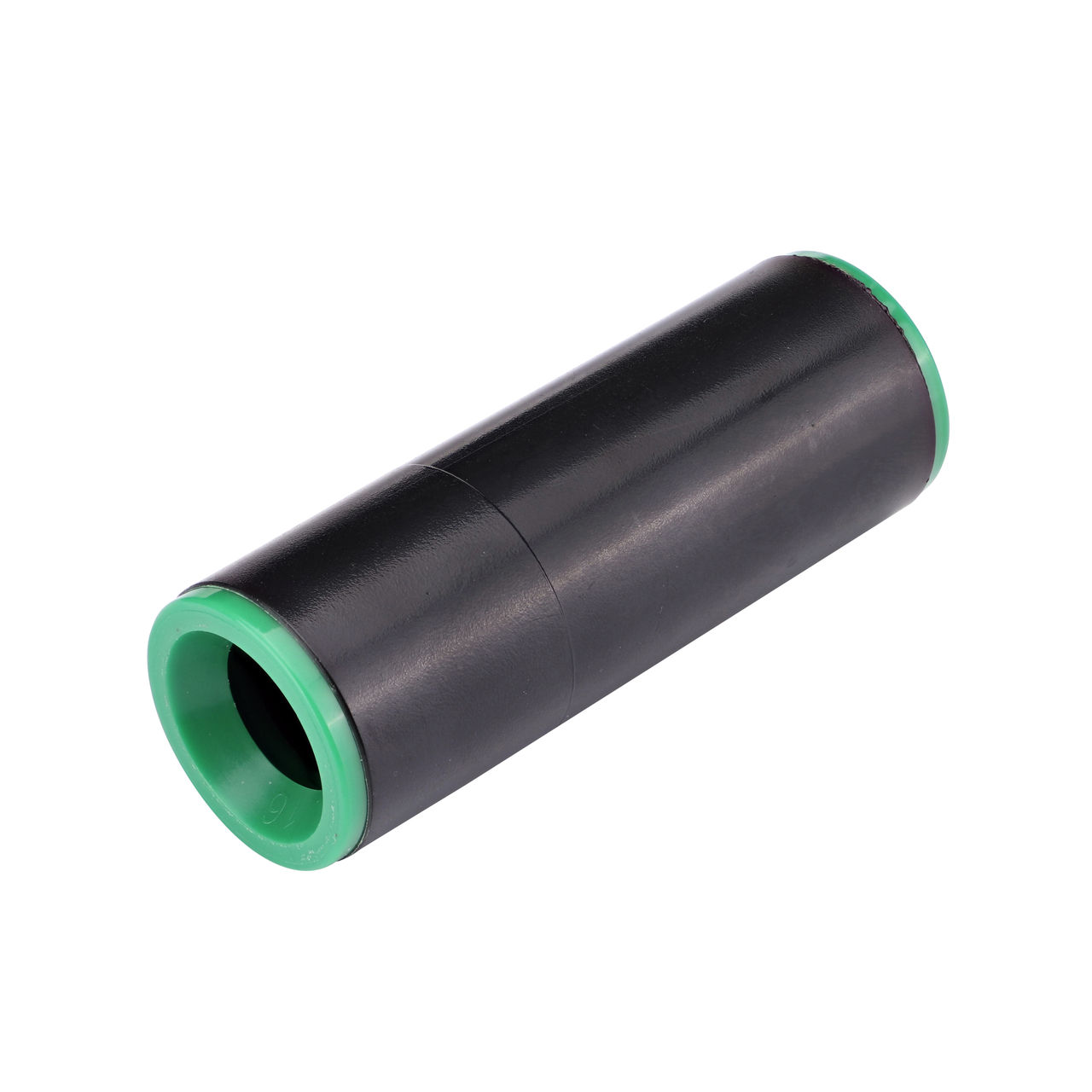
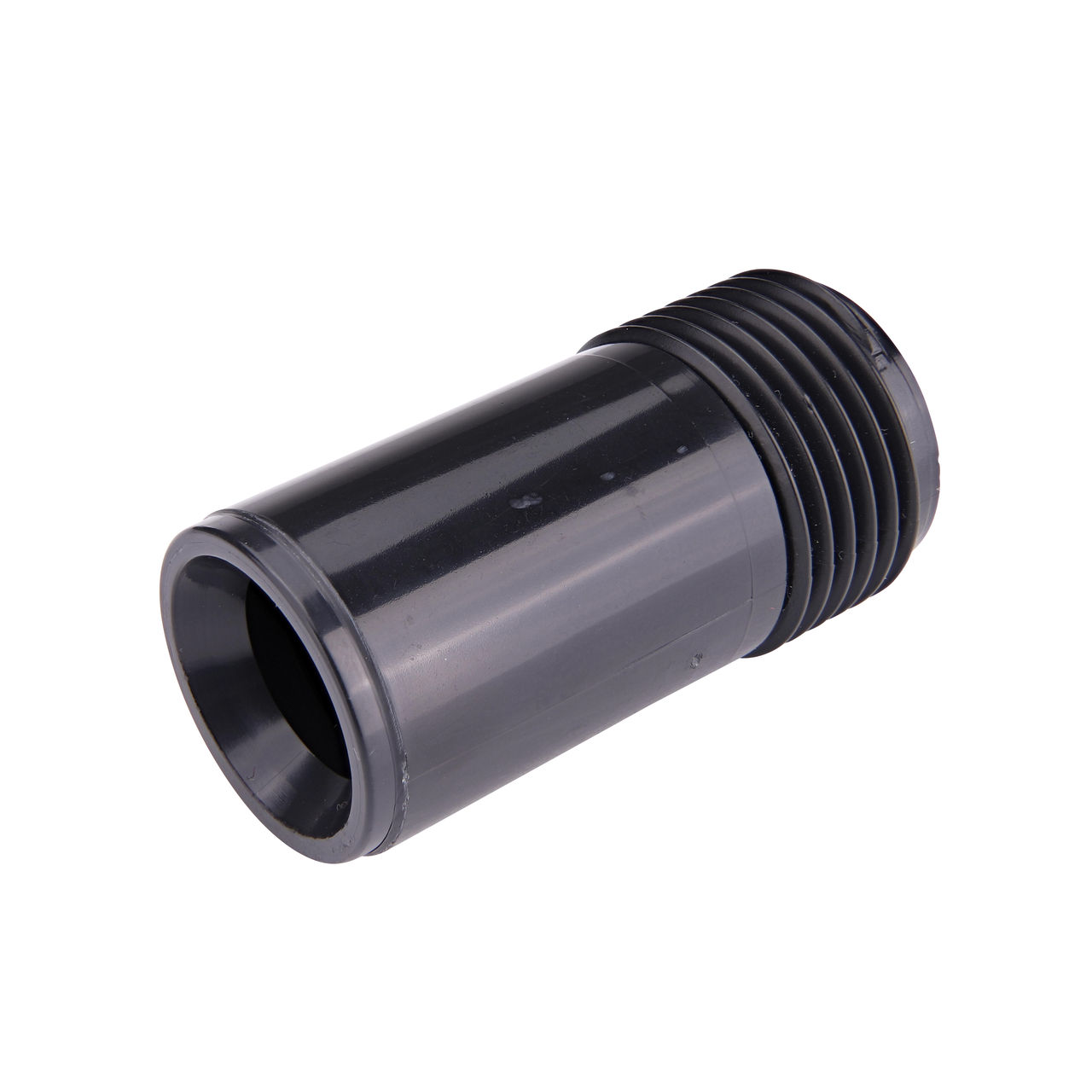
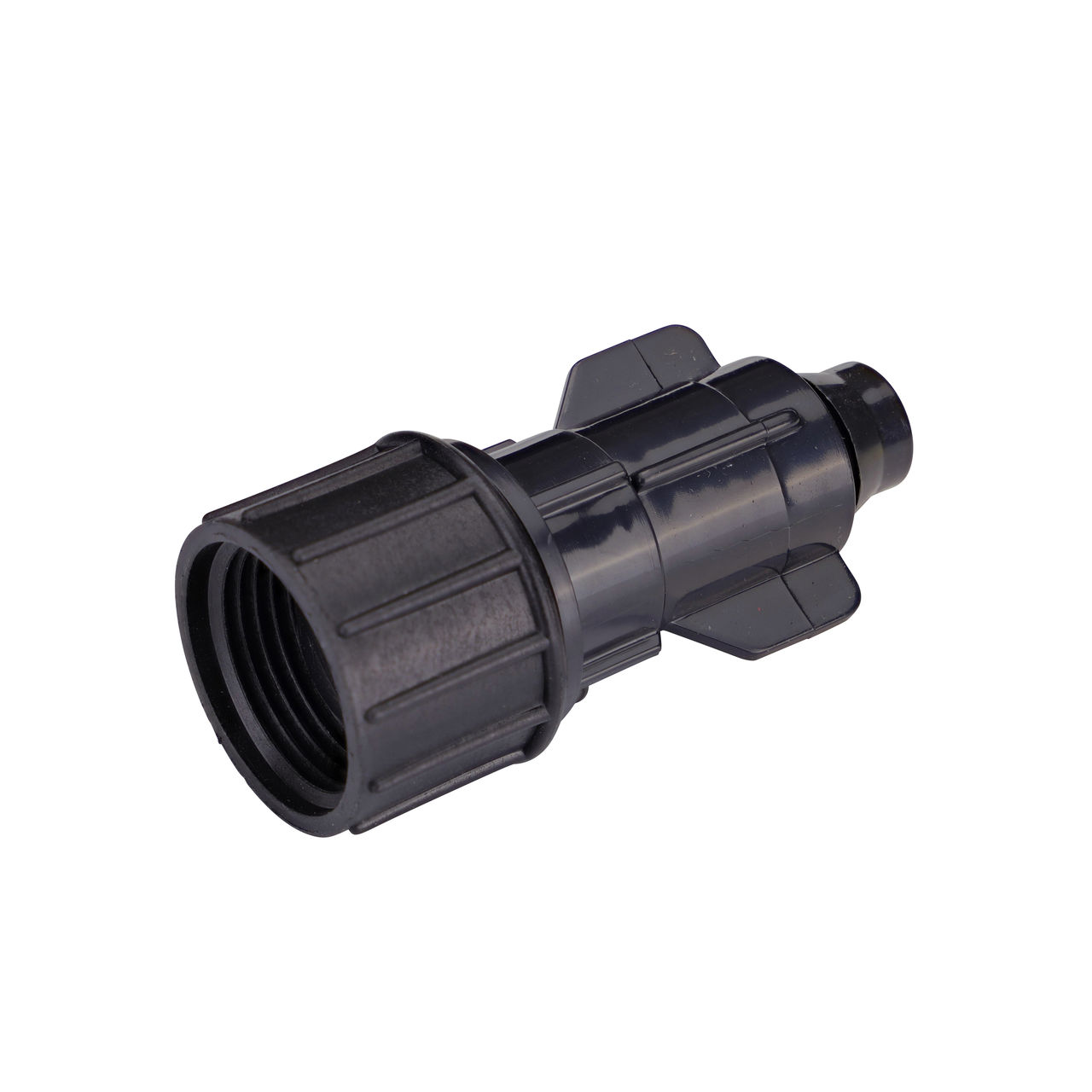
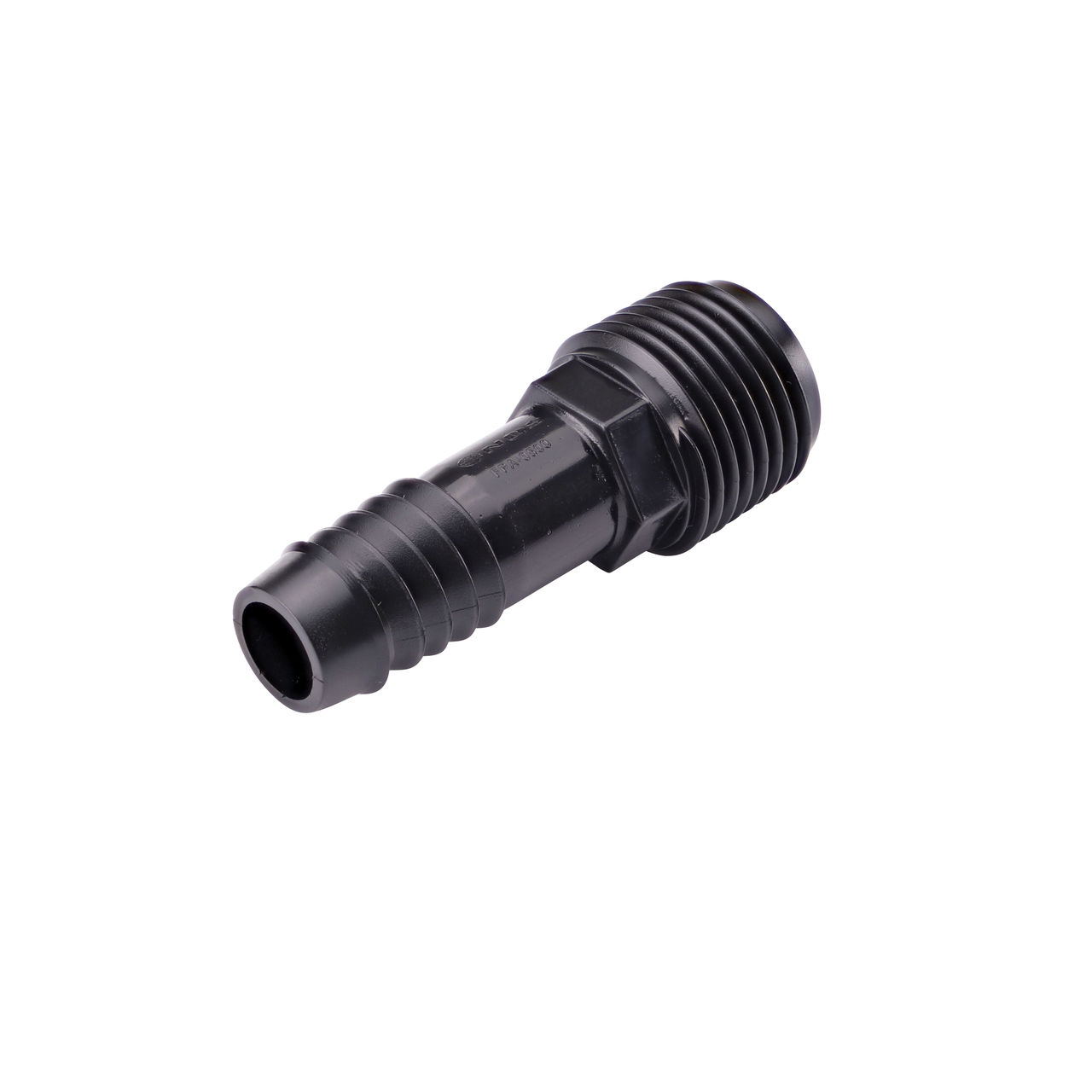
Drip irrigation fittings are used to connect sections of tubing when setting up a drip system layout. NDS offers a wide variety of components for different tubing sizes and connection types, including micro fittings, insert fittings, and compression fittings. Tees, elbows, and couplers allow tubing layouts to be customized for specific landscapes.
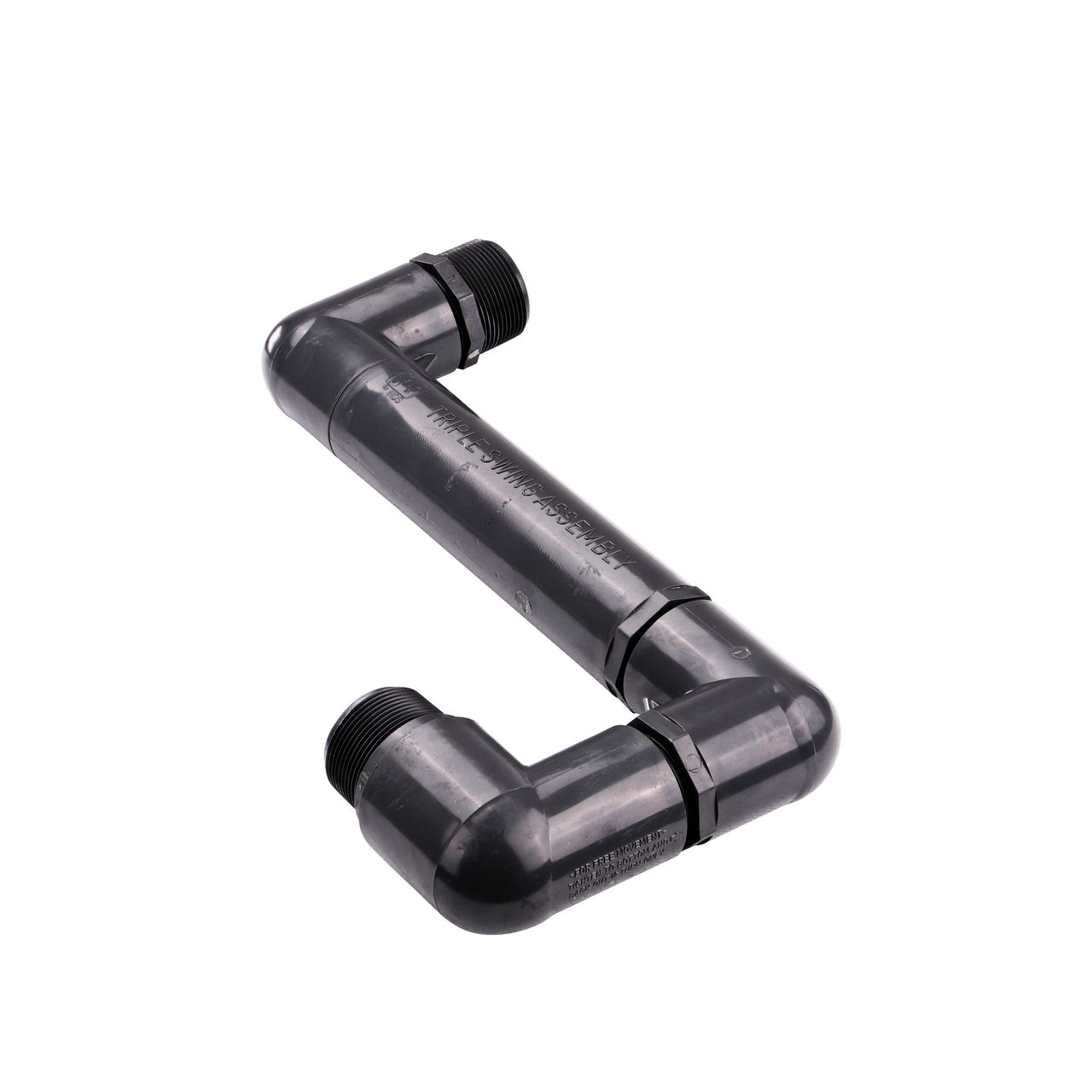
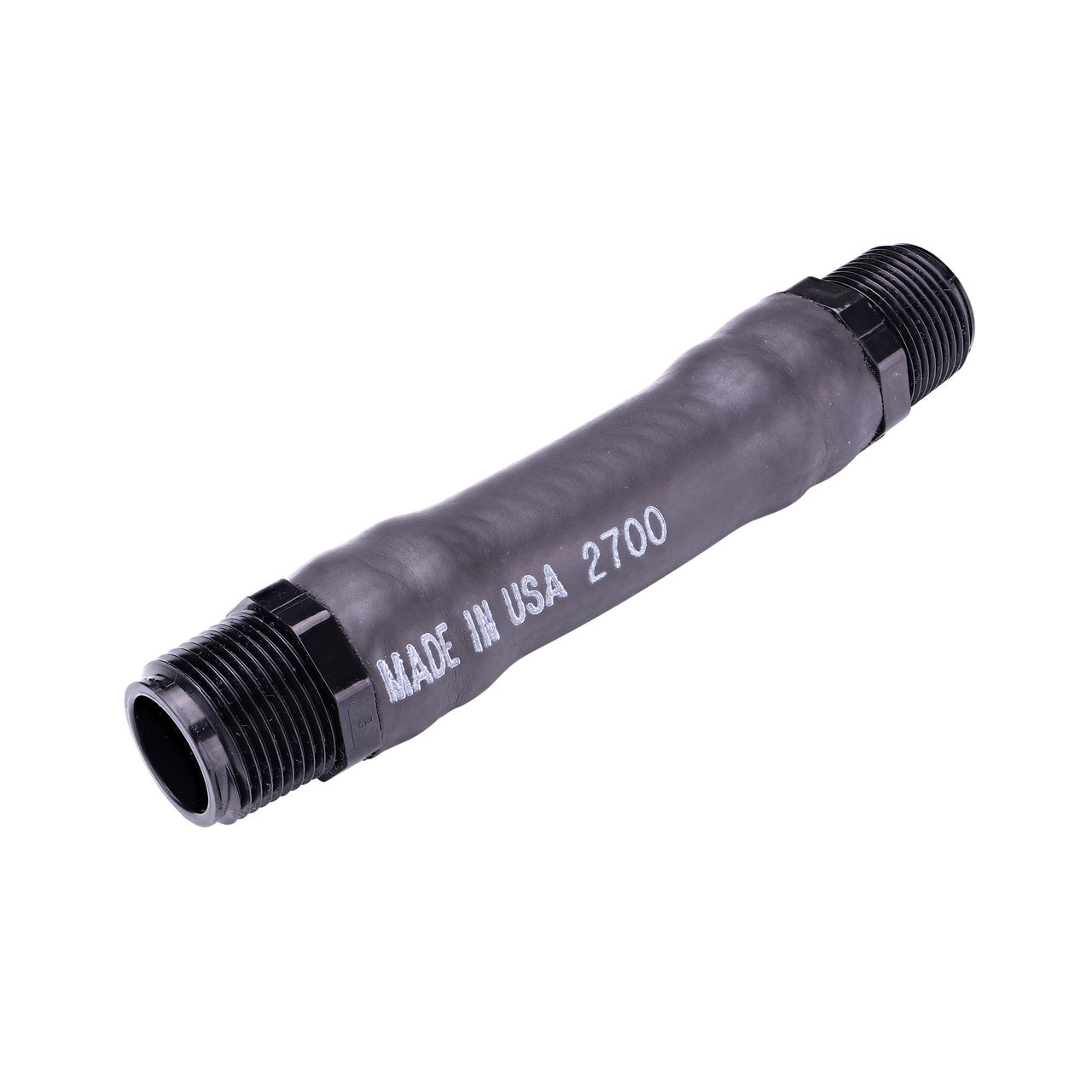
- Threaded and socket adapters are commonly used when adapting sprinkler risers to dripline.
- Smart Loc™ multidiameter fittings accommodate 16mm, 17mm, and 18mm tubing or dripline sizes while ensuring secure, leak-free connections.
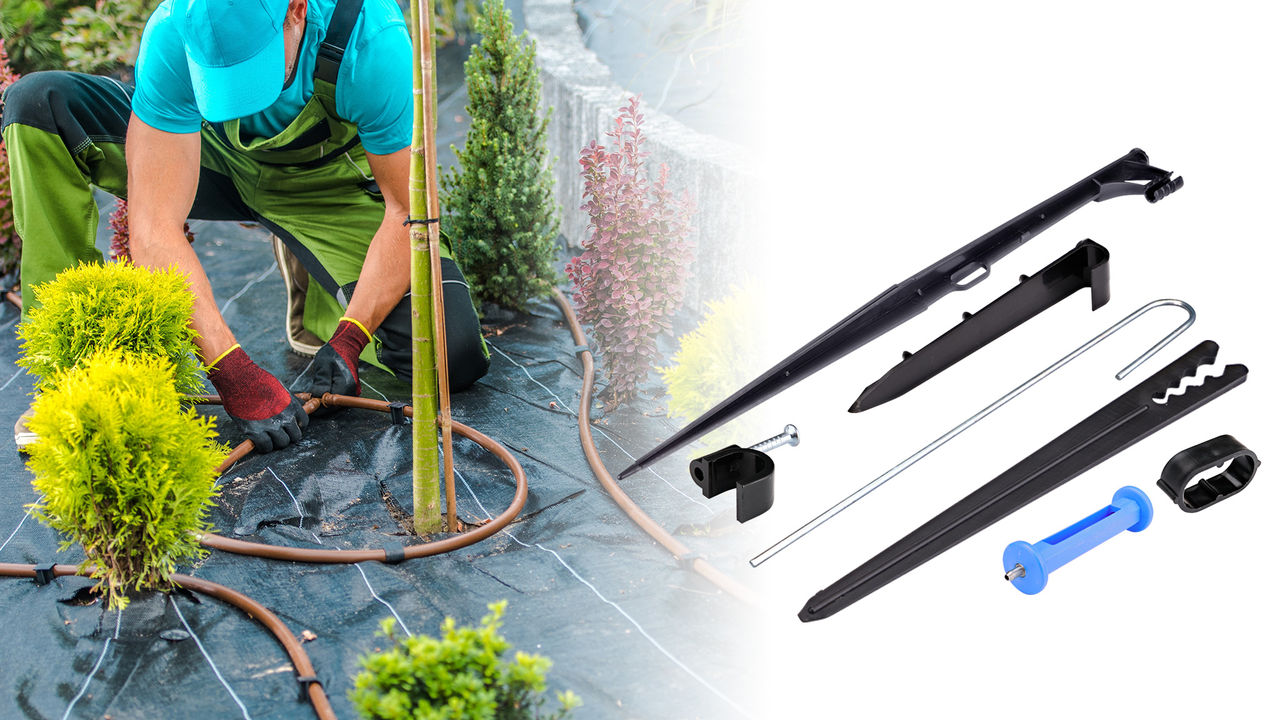
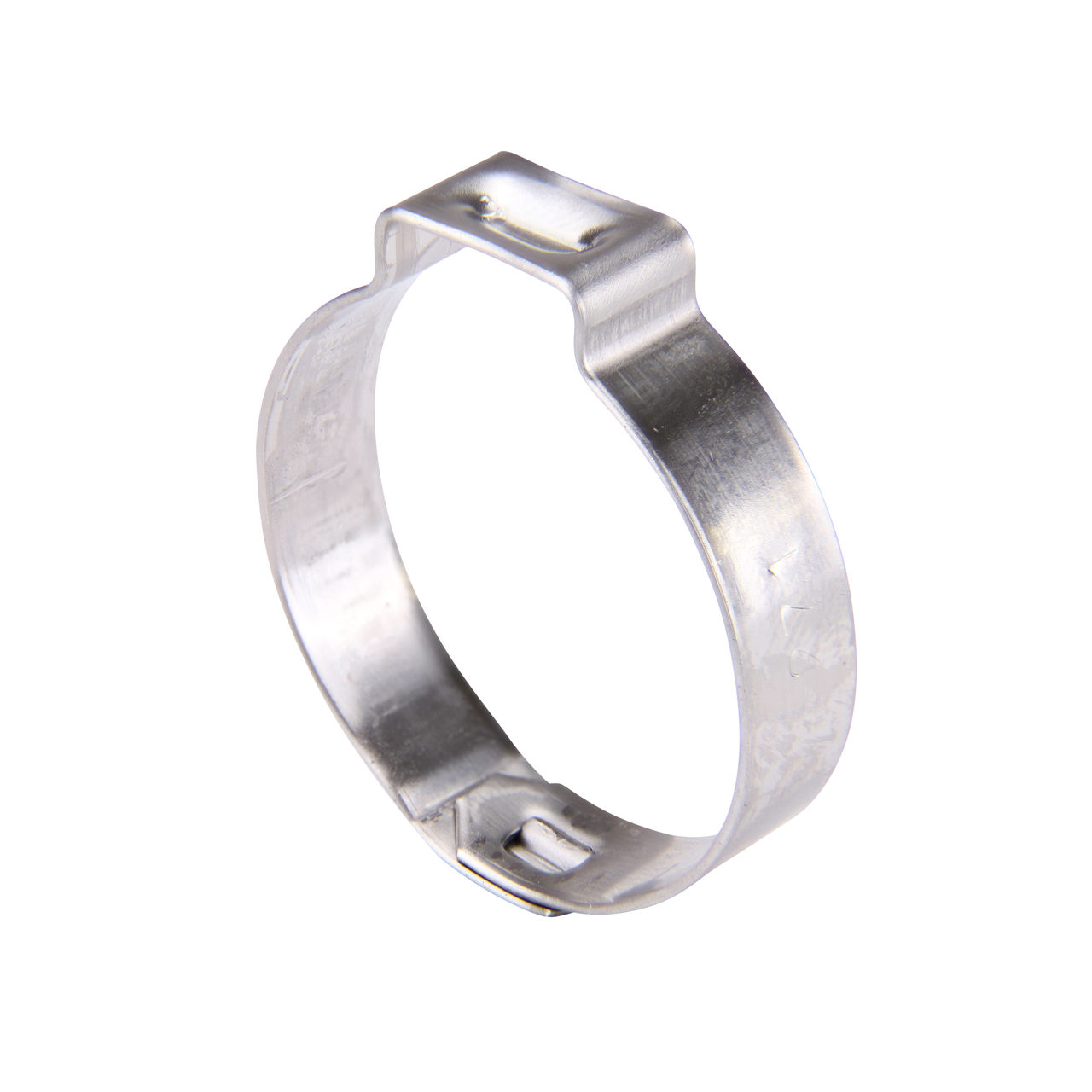
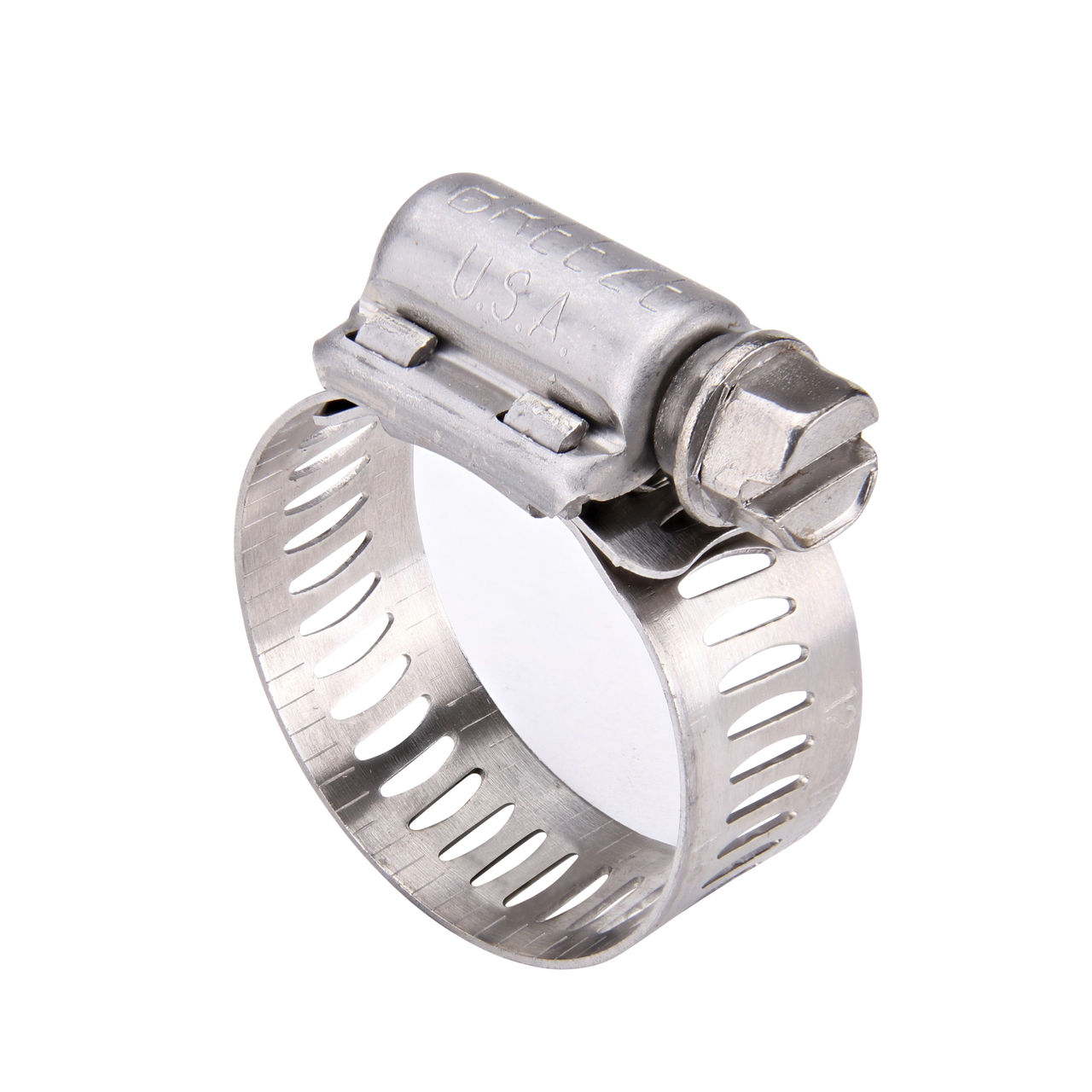
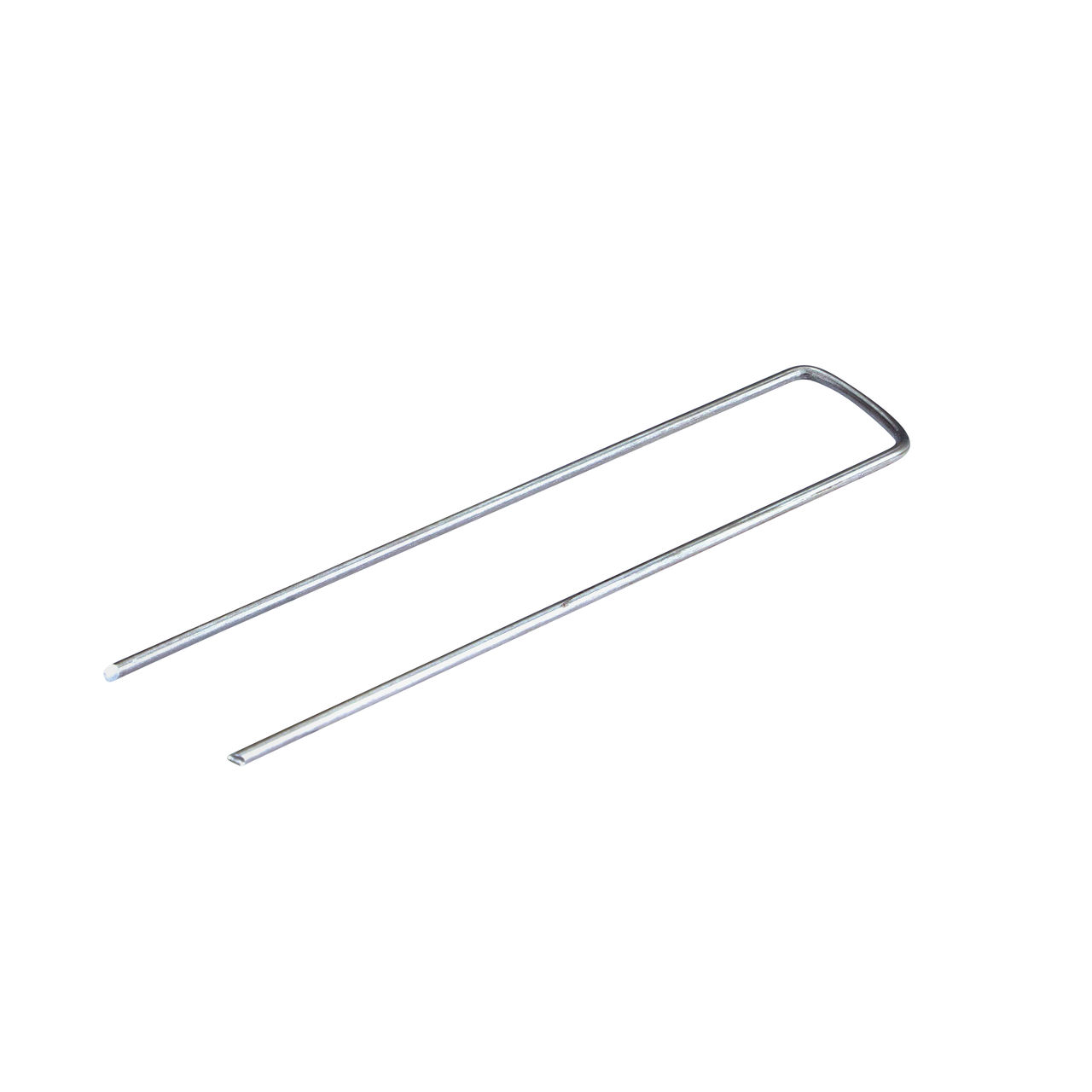
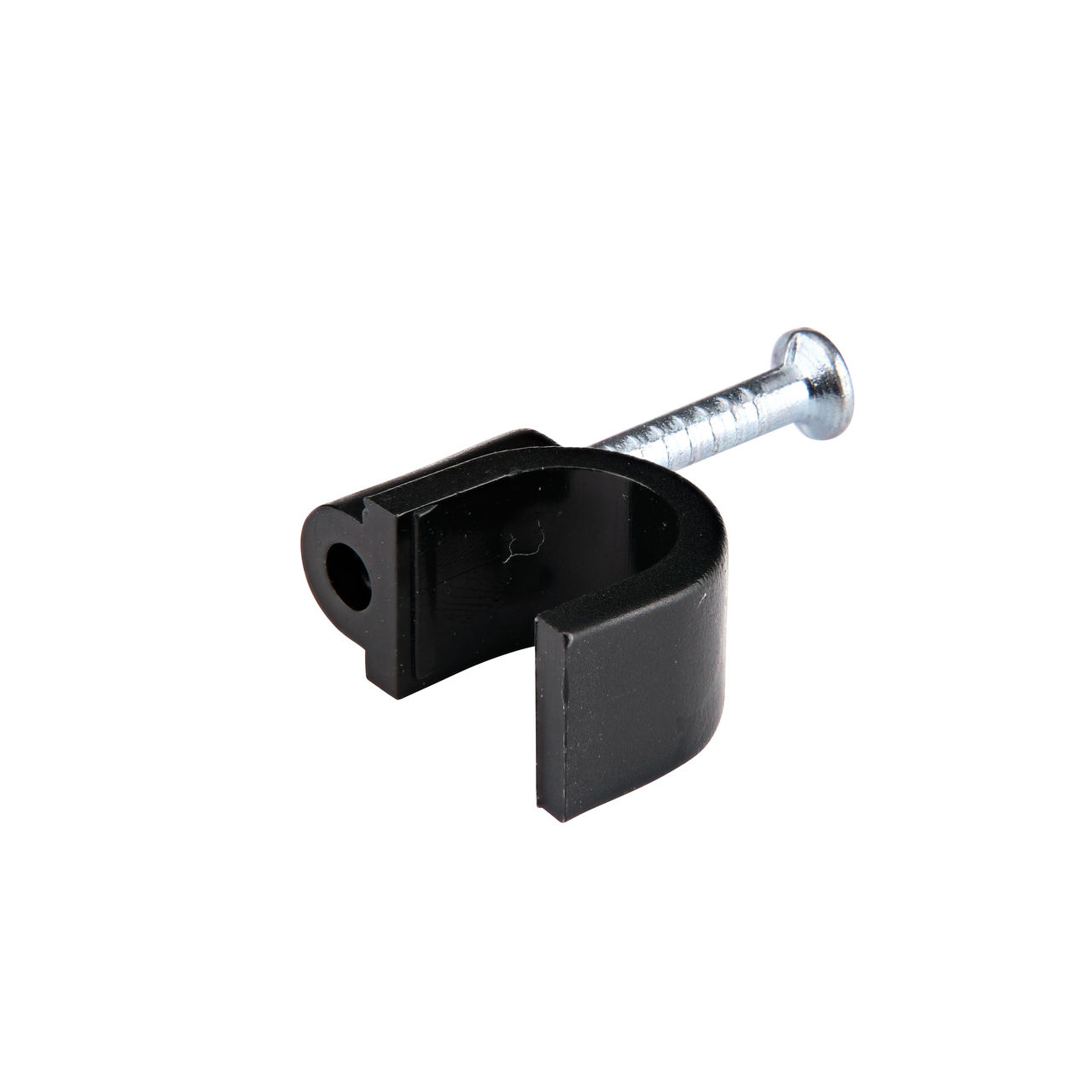
- Support hardware like stakes, sod staples, risers, and mounting clamps anchor tubing, elevate emitters, and attach tubing to walls or decks.
- NDS tubing accessories help solve a wide range of drip tubing challenges.
Automation and timers
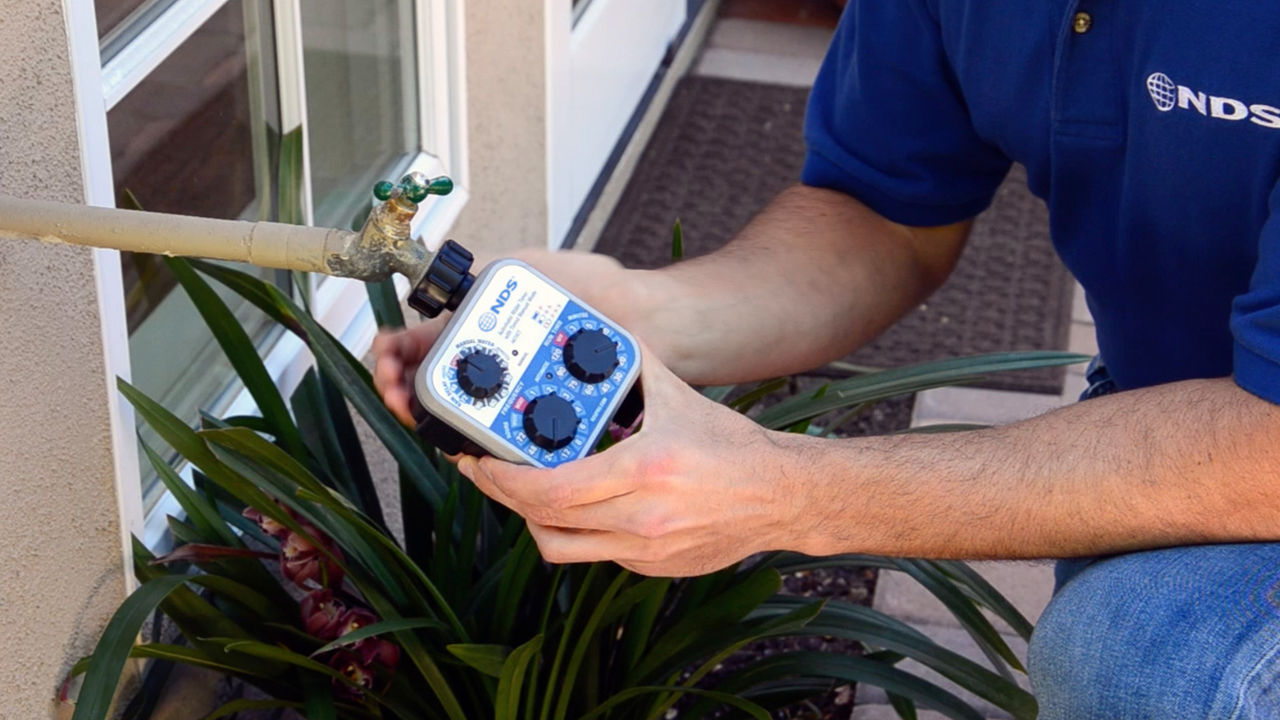
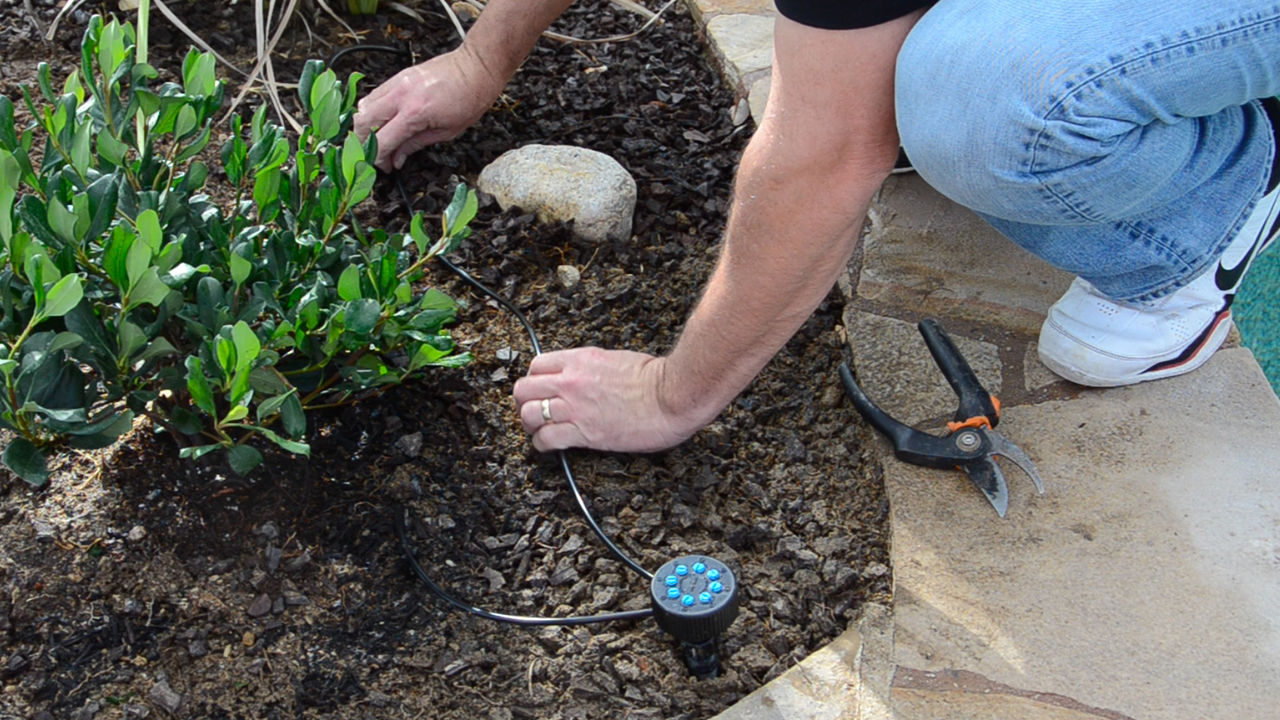
Timers and controllers make drip systems nearly hands-free. The options range from simple analog models to Wi-Fi-enabled smart controllers that adjust watering based on local weather.
Types of drip irrigation systems
Surface drip irrigation
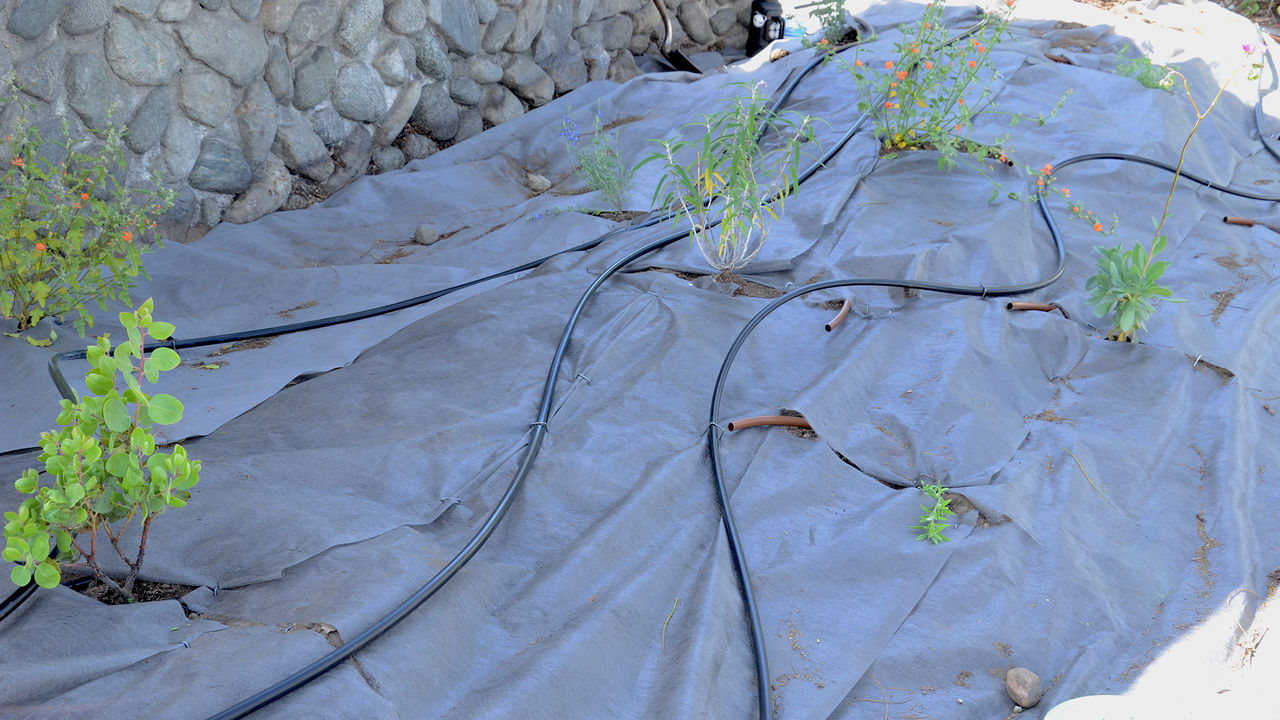
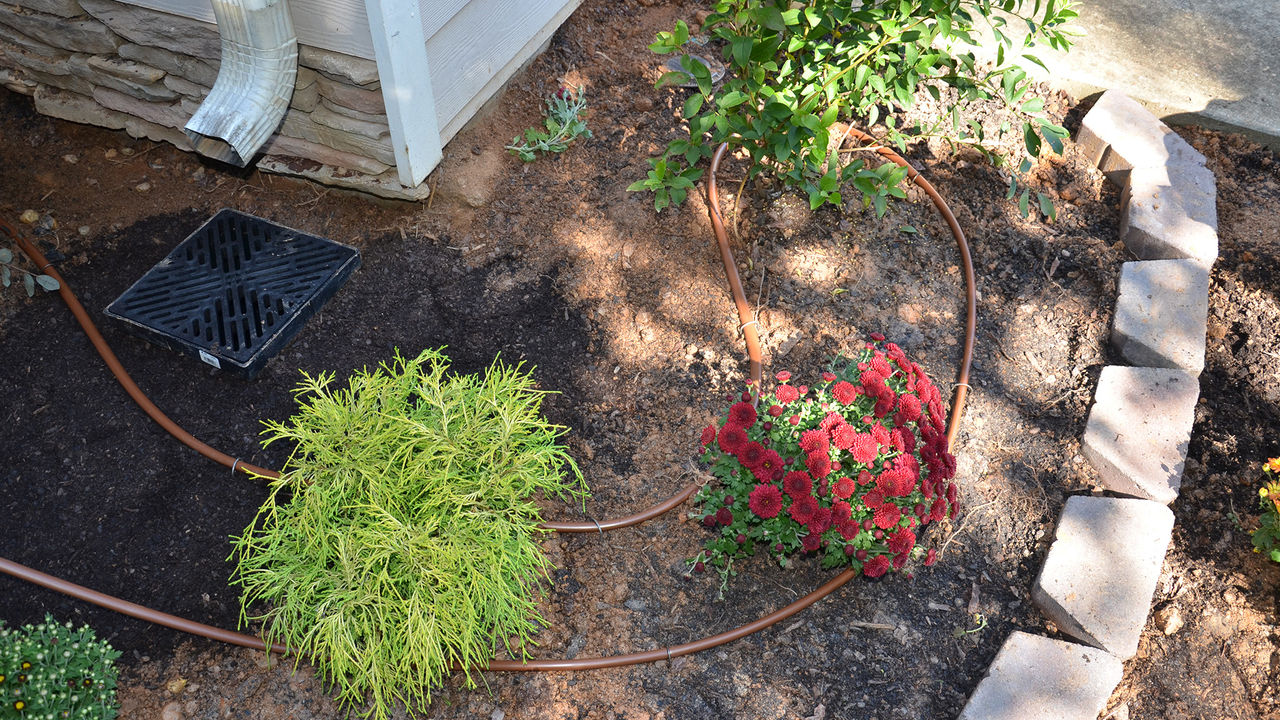
Tubing and emitters are placed above ground, near plants. It’s the most common system for residential landscapes.
- Best for: Raised beds, container gardens, ornamental shrubs.
- Advantages: Easy to set up, modify, and monitor. Tubing can be hidden under mulch or decorative rock.
Subsurface drip irrigation
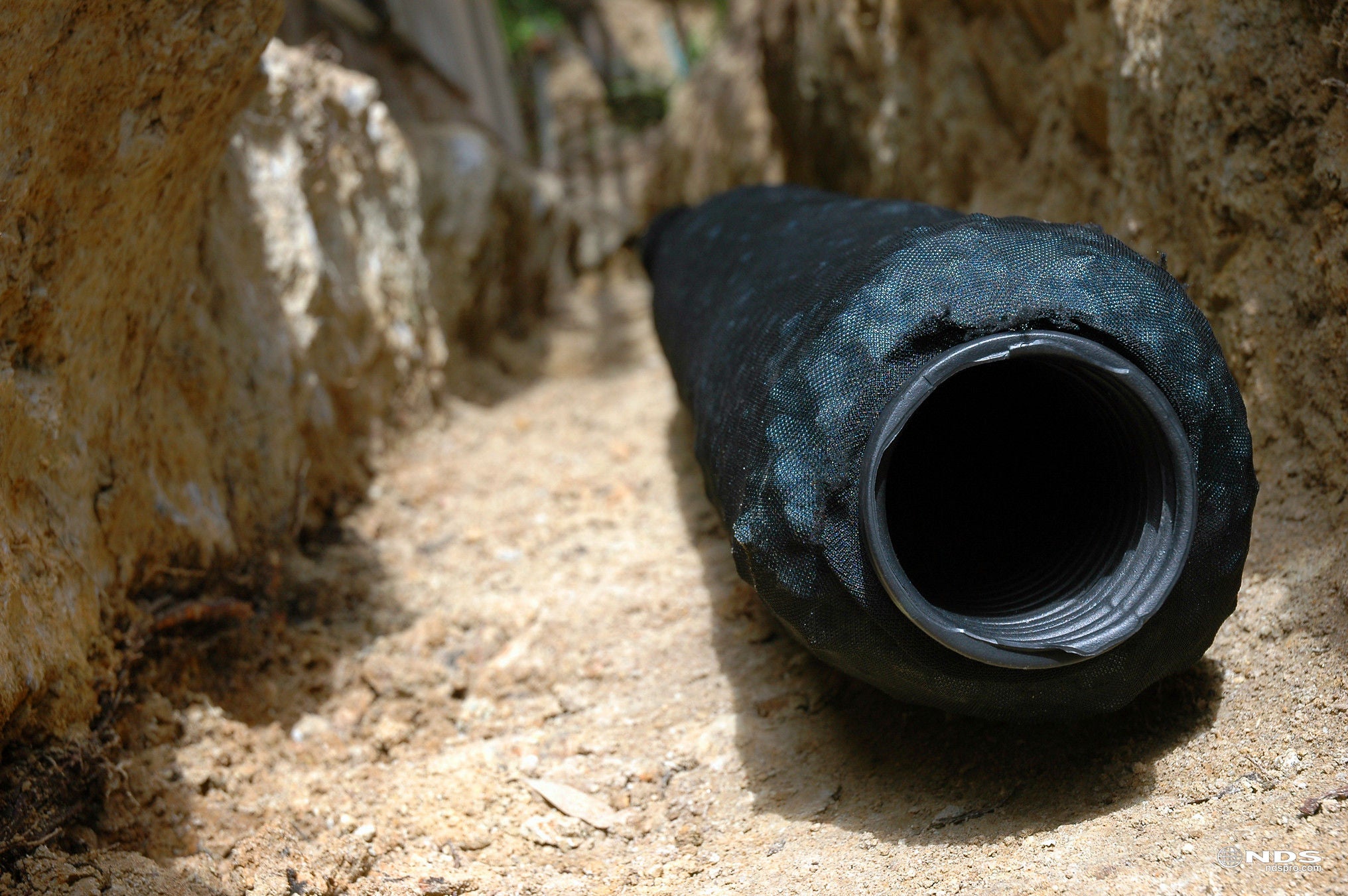
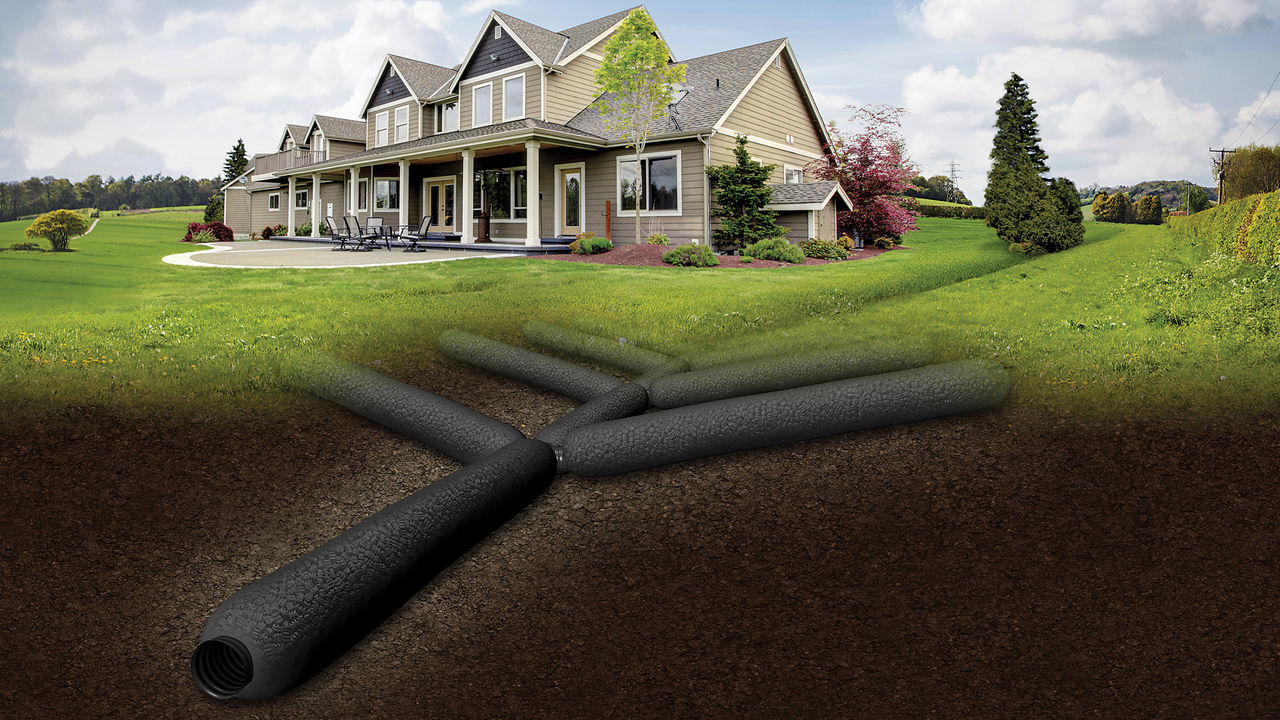
Tubing is buried 6–12 inches underground, delivering water directly to roots.
- Best for: Lawns, high-traffic areas, or formal landscapes where tubing visibility is undesirable.
- Advantages: Eliminates evaporation and overspray.
- Considerations: Requires careful design and regular maintenance to prevent clogging or root intrusion.
Portable and container drip systems
Portable systems are flexible for renters, seasonal gardeners, or those trying out drip irrigation before committing. The precision of drip watering makes it an ideal solution for potted plants, baskets, or greenhouse setups.
Advantages of drip irrigation
Water efficiency and conservation
Drip irrigation typically uses 30–70% less water than sprinklers. By targeting the root zone directly, it avoids problems like overspray, runoff, and evaporation. These savings are critical in drought-prone areas and can translate into lower water bills.
Healthier-looking plants and yields
- Consistent moisture: Avoids stress from over- or under-watering.
- Stronger root growth: Encourages deeper root growth, which can result in more resilient plants.
- Improved nutrient uptake: Moist soil can enhance absorption.
- Reduced disease: Keeping foliage dry can minimize fungal problems.
Weed control and soil health
Because water is delivered only where needed, weeds have less opportunity to grow. Drip irrigation also helps protect soil from erosion and compaction caused by sprinkler spray.
Convenience and adaptability
Modern systems are easily automated, and layouts can be modified as landscapes evolve. Adding new plants or expanding zones is a straightforward project.
Cost savings
In addition to contributing to lower water bills, drip irrigation can reduce the need for fertilizer waste because nutrients stay in the root zone instead of being washed away by sprinkler spray. It can also reduce time required for regular landscape maintenance such as weeding.
Challenges and considerations
- Clogging: Filters and self-cleaning emitters help reduce blockages.
- Maintenance: Systems need seasonal checks for leaks, damaged tubing, or blocked emitters.
- Visibility: Surface tubing may be noticeable unless covered.
- Setup complexity: Subsurface systems require more planning and precision.
Pro Tip: To minimize issues, start small by setting up a drip system for one garden section before expanding.
Maintenance and troubleshooting
Seasonal checks
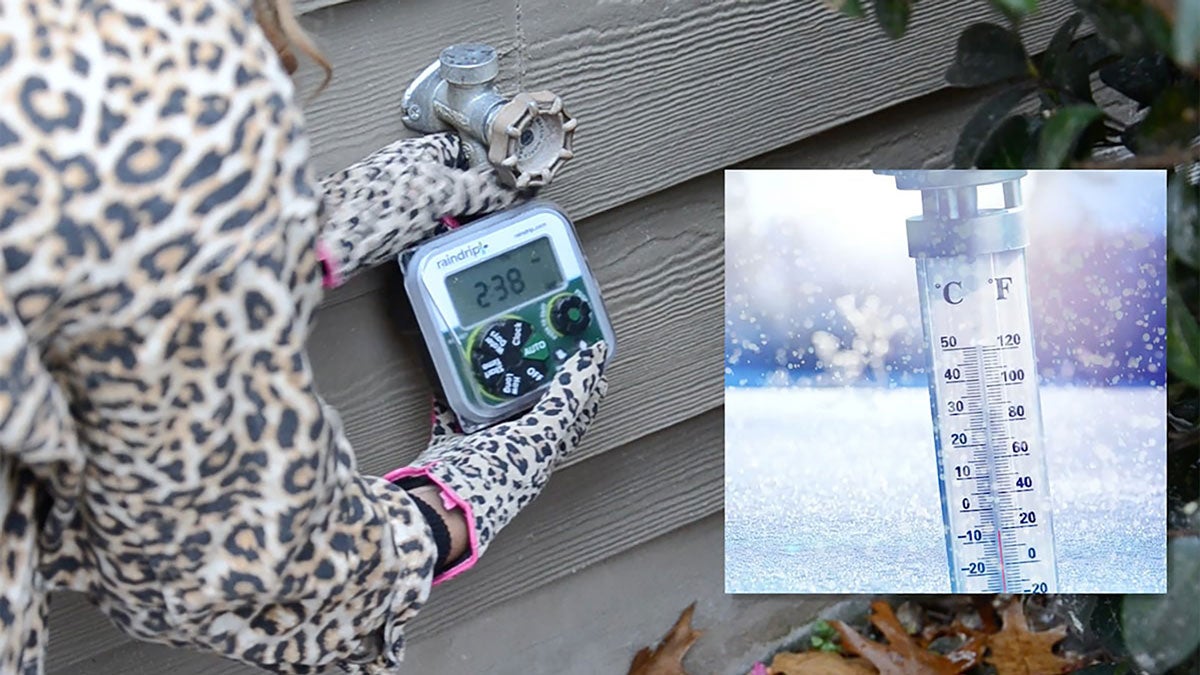
Inspect tubing, emitters, and timers at the start and end of each season. In colder climates, we recommend a few steps to prepare your drip system for winter: drain the system before freezing temperatures arrive then disconnect the timer and remove the batteries prior to storing it securely indoors.
Filter care
Clean or replace filters every few months during active use. A clogged filter can reduce performance across the entire system.
Common issues
- Clogged emitters: Flush with clean water or replace if necessary.
- Uneven water flow: Check pressure regulators and use pressure-compensating emitters on slopes.
- Damaged tubing: Repair with couplers or replace sections as needed.
Pro Tip: Preventative steps, like laying mulch over tubing and marking buried lines, can help protect the system and extend its lifespan.
Frequently asked questions
How does drip irrigation work?
It delivers low-pressure water through tubing and emitters directly to plant roots, reducing waste. For more details, read this article about planning successful drip irrigation systems.
Is drip irrigation better than sprinkler systems?
Yes, drip irrigation is better than sprinklers for beds, shrubs, and containers as it uses less water and can help improve plant health. Sprinklers may still be a more practical approach for large lawns.
Can I convert my sprinkler system to drip irrigation?
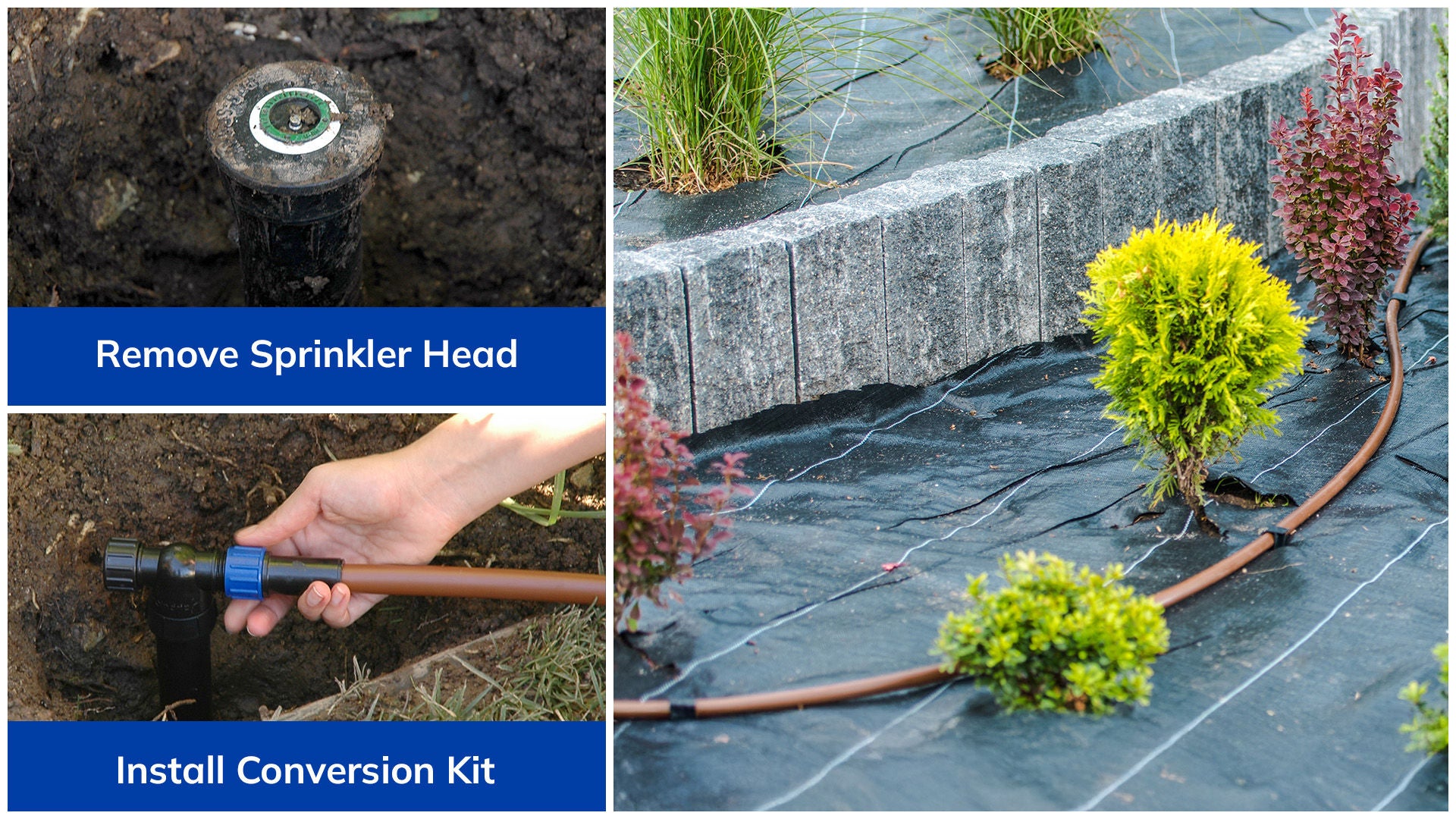
Yes, sprinkler conversion is a common way to get started with drip irrigation. This short video walks you through each step in the process.
Can drip irrigation be used for lawns?
Yes, particularly with subsurface systems. However, sprinklers are often more practical for large turf areas.
How much water does drip irrigation save?
Typically 30–70% compared to sprinklers, depending on soil type, plant type, and climate.
How long should I run a drip irrigation system?
Drip irrigation run times vary greatly from a half hour to up to six hours, depending on soil type, root depth, flow rates, and plant needs. Drip emitters deliver water slowly so sandy soil requires shorter, more frequent cycles to keep water from going past the roots. Clay soil needs longer, slower sessions to prevent runoff from water that doesn’t get absorbed. Loam, which is a type of soil between sandy and clay, benefits from moderate run times and frequencies. Use our dripline calculator for personalized recommendations for your system.
Do I need a filter for drip irrigation?
Yes, filters are essential. Even treated municipal water contains particles that can clog emitters.
Is drip irrigation more efficient than traditional irrigation methods?
Absolutely. It minimizes evaporation, runoff, and overspray, making it the most efficient option for many landscapes.
The future of drip irrigation
Smart technology integration
- Wi-Fi controllers: Allow remote scheduling and monitoring.
- Soil sensors: Prevent overwatering by tracking real-time moisture.
- Weather-based systems: Adjust watering based on rainfall and temperature.
Sustainable innovation
- Recycled materials in tubing and fittings.
- Longer-lasting, clog-resistant emitters.
- Reusable fittings and components.
- Integration with rainwater harvesting systems.
As water scarcity intensifies, governments can encourage the use of drip irrigation with rebates and tax credits. Homeowners are increasingly aware of sustainability benefits, driving demand worldwide.
Why choose drip irrigation?
What is drip irrigation? It’s the most efficient watering method available, with the potential to conserve up to 70% more water than sprinklers while helping to improve plant health and landscape sustainability.
From small gardens to expansive landscaping applications, drip irrigation can deliver consistent results while reducing maintenance needs and supporting long-term cost savings.
Explore NDS irrigation and dripline solutions to start building a dependable and affordable irrigation system tailored to your landscape. For additional guidance, contact the knowledgeable and friendly NDS support team.